Soups & Stews
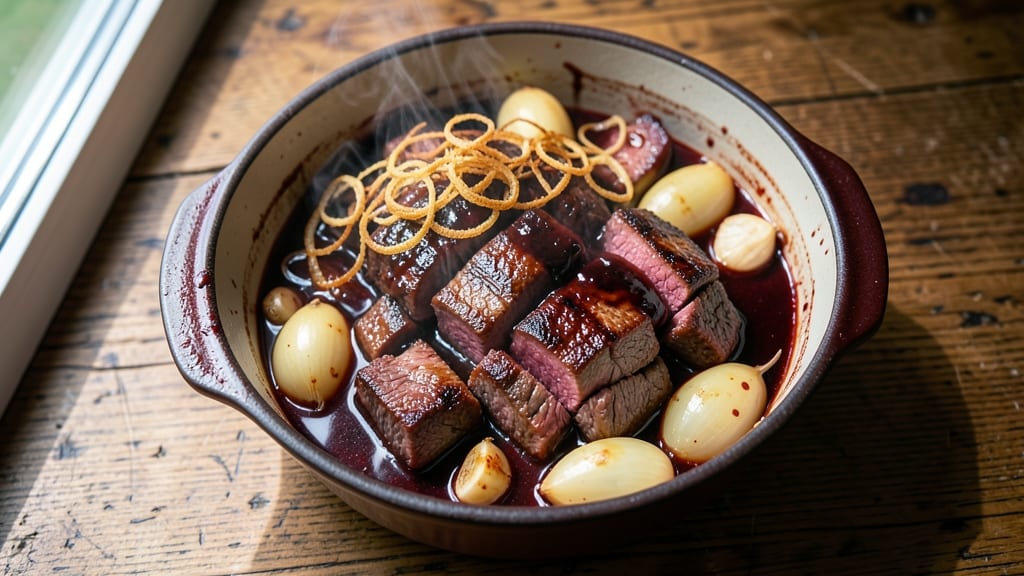
A1 beef stew recipe transforms tough cuts into melt-in-your-mouth tenderness with deep red wine and caramelized onions. This hearty braise delivers restaurant-quality depth using A1 Steak Sauce as its signature flavor anchor, balancing rich beef with tender vegetables.
The slow cooking process creates a velvety sauce that coats every bite, while the potatoes soak up all the savory goodness.
The key to this recipe lies in proper browning and layering flavors—first searing the beef, then building the base with onions and garlic before adding wine and broth. This method develops complex, caramelized notes that elevate the A1 sauce into something extraordinary.
The result is a stew that's as satisfying to make as it is to eat, with each spoonful packed with meaty richness and aromatic depth.
What makes this A1 beef stew special is its balance of textures—tender beef, caramelized onions, and perfectly cooked potatoes all swimming in a sauce that's rich yet not overly heavy. The wine adds brightness that cuts through the richness, while the A1 sauce provides that signature tangy-sweet flavor profile.
It's the kind of dish that gets better as it sits, with flavors melding together over time.
Perfect for cold evenings or holiday gatherings, this stew serves as both a comforting main dish and an impressive centerpiece. The recipe scales easily for crowds while remaining approachable for home cooks. Let's create this deeply flavorful braise that brings warmth to any table.
Ingredients for a1 beef stew
This hearty stew transforms tough beef into melt-in-your-mouth perfection with deep red wine and caramelized aromatics.
| Ingredient | Amount | Notes |
|---|---|---|
| Beef Chuck Roast 🥩 | 3 lb | Cut into 1.5-inch cubes |
| Yellow Onions 🧅 | 2 whole | Sliced into 1/2-inch pieces |
| Red Wine 🍷 | 1 cup | Bold dry variety like Cabernet |
| Beef Broth 💧 | 4 cups | Low-sodium preferred |
| A1 Steak Sauce 🍝 | 2 tbsp | Original tangy-sweet sauce |
| Garlic Cloves 🧄 | 4 cloves | Minced for depth |
| Russet Potatoes 🥔 | 2 lb | Cut into 2-inch chunks |
| Carrots 🥕 | 8 oz | Whole, peeled, cut into sticks |
| Tomato Paste 🍅 | 2 tbsp | For richness |
| Fresh Thyme 🌿 | 1 tbsp | Leaves only, chopped |
| Bay Leaves 🍃 | 2 whole | For aromatic depth |
| Olive Oil 🫒 | 2 tbsp | For searing beef |
| Salt 🧂 | 1 ½ tsp | Kosher or sea salt |
| Black Pepper 🌶️ | 1 tsp | Freshly ground |
The beef cut matters most here—chuck roast delivers that signature fall-apart texture. Look for good marbling at Costco or your local butcher shop; pre-cubed saves time but check for even-sized pieces. For the wine, Cabernet Sauvignon or Merlot work best—they stand up to the beef's richness without overpowering. Fresh thyme from the grocery store's produce section (not dried) adds bright herbal notes that cut through the stew's depth. If you're using a whole chuck roast, trim excess fat before cubing—it renders out beautifully during cooking.
No red wine? Substitute with beef broth plus 1 tbsp balsamic vinegar for similar depth. Swap fresh thyme for dried at one-third the amount, but fresh is ideal. The carrots can be baby carrots if that's what you've got—just trim the ends. For tomato paste, Trader Joe's squeeze tubes are perfect (no waste, lasts months). If you prefer less tomato flavor, reduce to 1 tbsp and add an extra splash of wine. The A1 sauce is non-negotiable—its tangy-sweet balance is what makes this stew special. Use the original bottle, not the imitation versions.
This stew tastes even better the next day as flavors meld. Store in an airtight container in the fridge for up to 5 days, or freeze portions for 3 months. I like to double the recipe and freeze half—perfect for lazy weeknights. The potatoes will absorb the sauce, so add them later in the cooking process. For serving, a sprinkle of fresh parsley brightens the dish, and crusty bread soaks up every last drop of that velvety sauce.
Why You'll Love This Recipe
- One-Pot Magic: I swear by this recipe because it’s literally one pot—no chopping boards, no extra pans, just dump and simmer. The beef chuck roast practically melts into tender perfection while you sip your wine (because yes, you’ll be drinking some of that red wine from the recipe).
- Sauce That Sticks: That A1 steak sauce isn’t just an afterthought—it’s the secret weapon. One tablespoon at the end? No way. I add it early and let it caramelize into the onions and broth, turning every bite into a rich, tangy, umami bomb that makes my stew taste like it’s been simmering all day (even if it didn’t).
- Weeknight to Dinner Party: Between us, this stew is my lazy Sunday and my “wow, I cooked” dish. Toss it in a slow cooker for a hands-off weeknight meal, or let it braise on the stove while you impress guests with how effortless it looks (even if it’s just beef, onions, and a little red wine love).
- Budget-Friendly Leftovers: A full chuck roast feeds six, and the leftovers? Chef’s kiss. The flavor actually gets better the next day—deepens, intensifies, like a good wine. I freeze portions for those nights when I’m too tired to think, and it’s still hearty, still delicious, still exactly what I need.
Step-by-step instructions for A1 beef stew
Here's the method that delivers rich, tender beef with deep caramelized flavors and perfectly cooked vegetables.
Sear the Beef Chuck Roast
Heat a large Dutch oven over medium-high heat until hot. Add the 2 tablespoons olive oil and swirl to coat the bottom evenly. Working in batches if needed, add the 3 lb beef chuck roast cut into 1.5-inch cubes, spreading them out in a single layer. Let them sear undisturbed for 3-4 minutes until deeply browned on all sides.
This initial searing creates the Maillard reaction, which builds deep, complex flavors in your stew. Don't rush this step—you'll know the beef is ready when it releases easily from the pan. Transfer the browned beef to a plate and set aside.
Caramelize the Onions and Garlic
In the same Dutch oven, add the 2 whole yellow onions sliced into ½-inch pieces and reduce heat to medium. Cook the onions for 10-12 minutes, stirring occasionally, until they turn a beautiful golden brown color and begin to soften. This caramelization adds sweetness that balances the rich beef flavors.
After the onions have caramelized, add the 4 cloves minced garlic and cook for an additional 30 seconds until fragrant. Be careful not to let the garlic burn—it should smell sweet and nutty, not bitter. This aromatic base forms the flavor foundation for your entire stew.
Deglaze and Build the Base
Pour in the 1 cup red wine, scraping up any browned bits from the bottom of the Dutch oven with a wooden spoon. This deglazing step captures all the meaty flavors that would otherwise stick to the pan. Let the wine simmer for 3-4 minutes until it reduces by half and the alcohol smell dissipates.
Next, stir in the 2 tablespoons tomato paste, 1 tablespoon chopped fresh thyme, 2 whole bay leaves, 1.5 teaspoons salt, and 1 teaspoon black pepper. Cook for 1 minute to toast the spices and allow the tomato paste to deepen in color. This creates a rich, flavorful base that will carry through the entire cooking process.
Simmer the Stew
Return the seared beef to the Dutch oven. Pour in the 4 cups beef broth, stirring to combine all ingredients. Bring the mixture to a gentle boil, then reduce heat to low and cover partially with a lid. Let the stew simmer for 1 hour and 30 minutes, stirring occasionally, until the beef is fork-tender and easily pulls apart.
During this time, the beef will absorb all the rich flavors from the wine, broth, and aromatics. The liquid should reduce slightly, creating a thick, velvety stew. If the liquid reduces too much before the beef is tender, add a splash of water or broth to maintain the proper consistency.
Add Vegetables and Finish
After the beef has cooked for 1 hour and 30 minutes, add the 2 lb russet potatoes cut into 2-inch chunks and the 8 oz carrots cut into sticks. Stir gently to combine with the stew. Return the heat to low and continue simmering for an additional 20-25 minutes, until the potatoes are tender and the carrots are easily pierced with a fork.
Finally, stir in the 2 tablespoons A1 steak sauce and let the stew simmer for an additional 5 minutes to allow the sauce to meld with all the other flavors. Taste and adjust seasoning if needed. The stew should be rich, tender, and perfectly balanced with deep red wine and sweet caramelized notes.
Pro Tips For Making A1 Beef Stew
- SEAR THE CHUCK HARD: That beef chuck won’t tenderize itself—get it deep brown in a hot pan before adding liquids. I used to rush this, and the stew tasted flat; now I take 10 minutes, flipping once, until the crust is almost black in spots. (Yes, even if you’re impatient like me.)
- SWEAT ONIONS LOW AND SLOW: Diced onions in beef stew aren’t just flavor—they’re the base. Cook them in the same pot over medium-low for 15 minutes until soft and golden, stirring often. Skipping this step means your stew will taste raw and one-note when the wine hits.
- ADD A1 LAST MINUTE: The A1 steak sauce isn’t just a seasoning—it’s the glue holding this dish together. Stir it in after the beef is fork-tender, not at the start, or the alcohol in the wine will cook it off before it can shine. (Your future self will notice the difference.)
- USE BROTH IN STAGES: Don’t dump all the beef broth in at once. Start with half, simmer until reduced by a third, then add the rest. This concentrates the flavor and keeps the stew from turning watery—especially if you’re using a cheaper cut of chuck. (I learned this after making a stew so thin it needed a second pot.)
Wine and beer pairings for these flavors
Red Wine Pairings
The bold, rich flavors of this A1 beef stew demand a wine with equal depth and acidity to complement its complexity. I reach for a Cabernet Sauvignon from Napa Valley—its dark fruit notes and firm tannins mirror the stew's depth while the acidity cuts through the richness.
A Malbec from Argentina offers similar intensity with softer tannins and hints of blackberry, perfect for balancing the A1 sauce's tangy-sweet profile. 🍷
For something lighter but still robust, try a Syrah from the Rhône Valley. Its peppery notes and smoky undertones enhance the caramelized onions and beef, while maintaining enough structure to stand up to the dish.
Avoid heavy, oaky whites or overly tannic reds—they'll overpower the stew's delicate balance of wine and sauce.
Beer Pairings
A Belgian Dubbel like Westmalle's 8° offers the ideal beer pairing with its malty sweetness and subtle spice notes. The caramel and raisin flavors complement the caramelized onions, while the alcohol content cleanses the palate between bites.
For a more approachable option, a dark ale like Guinness provides a creamy, roasted malt backbone that pairs beautifully with the beef's richness. 🍺
If you prefer hoppier options, try a German Dunkelweizen—its banana and clove notes bridge the gap between the stew's sweet and savory elements. Avoid overly bitter IPAs or light lagers, as they'll clash with the stew's depth.
The key is finding a beer with enough body to match the stew's richness while offering contrasting flavors.
Non-Alcoholic Options
For a non-alcoholic alternative, I recommend a sparkling hibiscus tea chilled to room temperature. The tartness and effervescence cut through the stew's richness while the floral notes complement the thyme and bay leaves.
A ginger ale with a splash of lime also works well—the ginger's spice enhances the beef's depth without overpowering it. ✨
For something more substantial, try a mulled apple cider (alcohol-free) with cinnamon and cloves. The warm spices echo the stew's aromatic herbs while the sweet-tart apple balances the A1 sauce's tang. Serve it warm for maximum flavor contrast with the hearty stew.
Nutrition facts
Frequently asked questions
Can I substitute regular steak sauce for A1 Steak Sauce?
The A1 sauce is key for that signature tangy-sweet balance that makes this stew special. While other steak sauces might work in a pinch, they won't provide the same depth of flavor. For the best results, stick with the original A1 sauce—its unique blend of spices and vinegar creates the perfect harmony with the red wine and beef. If absolutely necessary, use a high-quality Worcestershire sauce mixed with a touch of brown sugar as a substitute.
How do I make this stew in a slow cooker?
For a hands-off version, brown the beef in a skillet first, then transfer everything to your slow cooker. Add all ingredients except the A1 sauce, then cook on low for 8 hours or high for 5 hours. Stir in the A1 sauce during the last 30 minutes of cooking. The slow cooker method yields tender beef but may require adding a splash of broth if the stew gets too thick. The flavors will develop beautifully over time!
Why did my stew turn out too watery? This usually happens when the beef isn't properly seared or the cooking time isn't sufficient for the liquid to reduce. For future attempts,
Can I prepare this stew ahead of time?
This stew actually tastes even better the next day as the flavors meld together! Store it in an airtight container in the fridge for up to 5 days. For best results, reheat gently on the stove over low heat, stirring occasionally, until warmed through. You can also freeze portions for up to 3 months—just thaw overnight in the refrigerator before reheating. The flavors will be even more concentrated after freezing!