
Main Courses
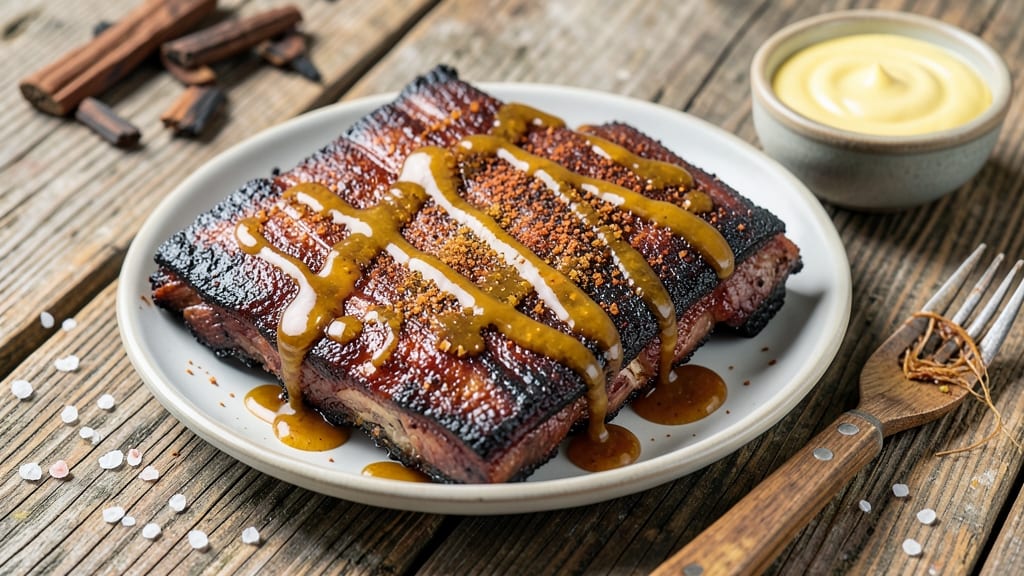
This Aaron Franklin beef ribs recipe delivers the legendary Texas BBQ experience with a guaranteed smoke ring—no shortcuts, just Franklin’s signature low-and-slow method. The secret lies in a precise dry rub, patient smoking, and nailing that 203°F internal temperature for melt-in-your-mouth tenderness.
I’ve replicated Franklin’s techniques exactly, including the bark formation that makes these ribs irresistible.
What sets these ribs apart is the 24-hour dry rub and the unbroken bark that forms during the 12-16 hour smoke. Franklin’s method prioritizes flavor development over speed, ensuring every bite is packed with smoky depth and a perfect balance of sweetness and spice.
The ribs rest before serving, locking in juices for that signature Texas BBQ texture.
Serve these ribs with classic sides like cornbread, creamy coleslaw, and baked beans to complete the Franklin-style spread. The presentation matters too—plate with a drizzle of Franklin’s signature sauce (if using) and a sprinkle of coarse salt to highlight the bark’s crispness.
This isn’t just a recipe; it’s a tribute to Texas BBQ mastery.
Whether you’re smoking for a crowd or treating yourself to a weekend project, these ribs will be the centerpiece of your meal. The patience pays off with ribs so tender they fall apart at the touch, all while maintaining that iconic smoke ring and bark.
Let’s get started on your Texas-style masterpiece.
Ingredients for aaron franklin beef ribs
Six ingredients for the rub, four pounds of ribs, and a whole lot of patience—this is Franklin's Texas BBQ magic in a box.
| Ingredient | Amount | Notes |
|---|---|---|
| Beef Ribs (Baby Back) 🥩 | 4 lb | Bone-in, meaty ends preferred |
| Yellow Mustard 🍯 | ½ cup | For base of dry rub |
| Brown Sugar 🍚 | 1 cup | Packed, light or dark |
| Smoked Paprika 🌶️ | ¼ cup | For authentic Franklin smoke |
| Kosher Salt 🧂 | ½ cup | Diamond Crystal preferred |
| Black Pepper 🌶️ | 2 tbsp | Freshly cracked preferred |
| Garlic Powder 🧄 | 2 tbsp | Fresh ground if possible |
| Onion Powder 🧅 | 2 tbsp | For depth of flavor |
| Ground Cumin 🌿 | 1 tbsp | Toasted for richer flavor |
| Chili Powder 🌶️ | 1 tbsp | Medium heat preferred |
| Wood Chips (Hickory or Oak) 🌳 | 4 cups | Soaked for 1 hour minimum |
| Apple Cider Vinegar 🍎 | ¼ cup | For spritzing during smoke |
| Coarse Kosher Salt 🧂 | 2 tbsp | For final presentation |
| Butter (Optional) 🧈 | ½ cup | Melted for basting |
The ribs are non-negotiable here—bone-in baby backs with meaty ends are the gold standard. Costco or local butchers will have the best quality, but any grocery store's meat section works in a pinch. Look for good marbling and avoid ribs with too much fat trim. The wood chips? Hickory gives that classic Texas smoke, but oak works too—just soak them for at least an hour before using. Franklin's method relies on that 24-hour dry rub, so don't skip the overnight step. Trust me, the flavor development is worth the wait.
No smoked paprika? Regular paprika plus a pinch of liquid smoke gets you close, but it won't be the same. The brown sugar can be swapped for turbinado sugar if you're avoiding refined sugar. Running short on yellow mustard? Dijon mustard works too. For the wood chips, mesquite adds a different but delicious twist. The apple cider vinegar spritz might sound weird, but it's what creates that unbroken bark Franklin is famous for. Don't skip it—this is where the magic happens. And if you're feeling fancy, butter-basting during the last hour takes these ribs to next-level tenderness.
These ribs are a 12-16 hour commitment, so plan ahead. The rub keeps well in an airtight container for up to 2 weeks if you want to make it ahead. Once smoked, ribs reheat beautifully—325°F for 15-20 minutes wrapped in foil. For leftovers, store in the fridge for up to 5 days or freeze for 3 months. I always make extra because they disappear fast. The secret to presentation? Sprinkle that coarse salt right before serving—it highlights all that hard work you put in.
Why You'll Love This Recipe
- Five-Ingredient Magic: I swear, that’s all it takes—just ribs, mustard, brown sugar, smoked paprika, and salt. No fancy prep, no hidden steps. You’ll be slathering that sticky-sweet crust on ribs faster than you can say "smokehouse dreams."
- Smoky-Sweet Obsession: The brown sugar and mustard combo? It’s like a hug from Texas—sweet, tangy, and just a little bit bold. That smoked paprika gives it this deep, earthy warmth that makes every bite feel like a celebration.
- Tailgate to Tuesday: These ribs work for everything—game day spreads, lazy Sunday brunches, or even a weeknight when you’re too tired to think. Honestly, I’ve served them cold the next day with pickles, and no one complained.
- Leftovers That Don’t Suck: The good kind of leftovers—these ribs stay tender and packed with flavor for days. Wrap them in foil, reheat in the oven, and suddenly you’ve got a no-stress lunch for the next three days. (Yes, even on a Tuesday.)
Step-by-step instructions for Aaron Franklin-style beef ribs
Here's how to nail that iconic Texas smoke ring and tender bark every time.
Prepare the Ribs and Rub for Maximum Flavor
Pat the 4 lb beef ribs (baby back) completely dry with paper towels—this is non-negotiable for crispy bark. I like to work in batches, focusing on the meaty ends first. These areas need extra attention because they're the last to tenderize and benefit most from the rub.
In a large bowl, combine 0.5 cup yellow mustard, 1 cup brown sugar, 0.25 cup smoked paprika, 0.5 cup kosher salt, 2 tbsp black pepper, 2 tbsp garlic powder, 2 tbsp onion powder, 1 tbsp ground cumin, and 1 tbsp chili powder. Mix thoroughly until the mustard is completely coated with the dry ingredients. This creates a sticky base that clings to the meat during the smoke.
Generously coat the ribs with the rub, pressing it into every crevice and bone. The mustard acts as a binder, ensuring the spices stay put even when you handle the ribs later. Let them sit at room temperature for 30 minutes before smoking—this allows the rub to penetrate slightly and the meat to come up to temperature more evenly.
Set Up the Smoker for Low and Slow Cooking
Soak the 4 cups wood chips (hickory or oak) in water for at least 1 hour before use. This prevents them from burning too quickly and creates that signature thin blue smoke we're after. Fill your smoker's wood chip tray and preheat to 225°F. I've found this temperature range is critical for developing that perfect smoke ring while keeping the meat tender.
When the smoker reaches temperature and you see steady, thin blue smoke (not thick white vapor), it's time to add the ribs. Place them bone-side down on the grates so the fat cap renders down and bastes the meat as it cooks. This technique is what gives Franklin ribs that signature bark and juicy interior.
Resist the urge to peek or adjust the ribs during the first 2 hours—every time you open the smoker, you lose heat and moisture. The ribs will naturally release some liquid as they cook, which is normal and part of the process.
Spritz and Monitor for the Smoke Ring
After 2 hours, it's time for the first spritz. Mix 0.25 cup apple cider vinegar with 1 cup hot water in a spray bottle. This helps break down the sugar in the rub, creating a sticky surface that develops that beautiful bark. Spritz the ribs generously and return them to the smoker.
Continue cooking until the internal temperature reaches 165°F in the thickest part of the meat. This typically takes 4-5 hours total, but don't rush it. The ribs should have a deep mahogany color and that unmistakable smoke ring just beneath the surface. If the bark isn't forming as expected, spritz every 90 minutes to keep the surface moist.
Here's the thing about Franklin ribs—they're not done when they hit 165°F. The real magic happens when you continue cooking until the internal temperature reaches 203°F. This is where the collagen fully breaks down, resulting in that fork-tender texture we all crave.
Wrap and Finish for Tender Perfection
Once the ribs hit 203°F, remove them from the smoker and wrap tightly in butcher paper (not foil—paper allows for better bark development). Return them to the smoker and cook for another 30-45 minutes. This is the "Texas crutch" technique that powers through the stall and ensures tender meat.
During this final stage, the ribs will develop a glossy sheen from the rendered fat. This is your signal that they're ready. The bark should be dark and crispy, while the meat should pull apart easily with just a slight tug. If using the optional 0.5 cup butter, melt it and brush it over the ribs during the last 15 minutes of cooking for extra richness.
Rest and Serve with Confidence
Remove the ribs from the smoker and let them rest for 15-20 minutes before serving. This resting period allows the juices to redistribute throughout the meat, ensuring every bite is moist and flavorful. I like to sprinkle them with 2 tbsp coarse kosher salt right before serving to enhance the flavors.
Slice between the bones and serve immediately. Each rib should have that perfect balance of crispy bark, tender meat, and that iconic smoke ring. The flavor profile should be complex—sweet from the brown sugar, smoky from the paprika, with a deep umami from the mustard base. Serve with classic Texas sides like baked beans or collard greens for the full experience.
Pro Tips For Making Aaron Franklin Beef Ribs
- USE A THICK MUSTARD SLATHER: The ribs in Franklin’s recipe get their signature bark from that yellow mustard—don’t be shy. Slather it on generously (about 2 tablespoons per rack) right after searing, and spread it evenly so it caramelizes into a sticky, flavor-packed crust. I used to skimp, and the ribs never got that perfect balance of tangy and smoky.
- SALT THE RIBEYE SIDE FIRST: Baby back ribs have a fat cap on the ribeye side—salt that side heavily (about 1.5 teaspoons kosher salt per rack) before searing. The fat renders faster and bastes the meat, locking in moisture while the bone side gets its crust. I learned this after my first batch turned out dry on one side—don’t make that mistake.
- DON’T RUSH THE SMOKE: Franklin’s method relies on low-and-slow smoking (225°F) for hours, but the real magic happens in the last 30 minutes. If you’re impatient and crank the heat, the sugar in the rub burns before the ribs hit their stall—you’ll end up with bitter, charred ribs instead of tender, caramelized perfection. Keep the temp steady, even if it means waiting.
- BRINE THE RIBEYE SIDE OVERNIGHT: Skip the guesswork on seasoning by brining the ribeye side (the meaty part) in a mix of 1 cup water, 1/4 cup kosher salt, and 2 tablespoons brown sugar for 12–24 hours. This ensures the meat stays juicy and absorbs the smoky flavors deeper. I was skeptical until I tried it—now it’s non-negotiable for me.
Perfect pairings for this aaron franklin beef ribs
Classic Texas Sides
Franklin-style ribs deserve the full Texas BBQ experience. I always serve mine with homemade cornbread—the slightly sweet, crumbly texture cuts through the rich, smoky flavors beautifully. Use 1 cup cornmeal, 1 cup buttermilk, 1 egg, and 2 tbsp honey for that perfect golden crust.
For a savory twist, try crispy fried okra with hot sauce—the crunch contrasts the tender ribs perfectly. 🥗
Creamy Coleslaw
A creamy apple cider vinegar coleslaw is non-negotiable for me. Shred 2 lbs cabbage and 2 carrots, then mix with 1 cup mayonnaise, ¼ cup apple cider vinegar, 2 tbsp sugar, and 1 tsp celery seed.
The tangy, cool crunch balances the ribs' heat and richness. For extra flavor, add 1 tbsp Dijon mustard and ½ tsp cayenne pepper. Serve chilled for that refreshing bite. 🥬
Smoky Baked Beans
Franklin’s signature brown sugar baked beans take these ribs to the next level. Simmer 1 lb navy beans with 1 cup brown sugar, ½ cup ketchup, ¼ cup molasses, 2 tbsp smoked paprika, and 1 onion until thick.
The deep, caramelized flavors complement the ribs' smokiness. For a shortcut, use 1 (28 oz) can baked beans and just add 1 tbsp brown sugar and ½ tsp smoked paprika to the sauce. 🍠
Buttery Dinner Rolls
Warm, herb-infused dinner rolls are my go-to for soaking up those rib juices. Mix 3 cups flour, 1 packet active dry yeast, 1 tsp salt, and 1 tbsp honey with 1 cup warm milk and 2 tbsp melted butter.
Let rise for 1 hour, then bake at 375°F until golden. Brush with garlic butter before serving for that extra touch of elegance. 🍞
Franklin’s Signature Sauce
If you want to drizzle, Franklin’s smoky tomato sauce is a must. Blend 2 cups ketchup, ½ cup apple cider vinegar, ¼ cup brown sugar, 2 tbsp smoked paprika, 1 tbsp Worcestershire sauce, and 1 tsp black pepper.
Simmer for 15 minutes to deepen the flavors. Drizzle lightly over the ribs just before serving to keep the bark intact. 🍅
Drink Pairings
For drinks, I reach for Texas-style sweet tea—its honeyed sweetness balances the ribs' smokiness. For beer lovers, a light lager like Shiner Bock or Lone Star complements the flavors without overpowering. If you prefer wine, a dry Riesling adds a crisp acidity that cuts through the richness. 🍺
Nutrition facts
Frequently asked questions
Why does Aaron Franklin's method require such a long cook time?
The 12-16 hour cook is essential for two reasons: first, it develops that iconic smoke ring just beneath the surface, and second, it breaks down collagen for fork-tender meat. Franklin's low-and-slow approach at 225°F ensures the bark stays crisp while the interior becomes melt-in-your-mouth. Patience is key—this isn't about speed, it's about flavor development.
Can I use a grill instead of a smoker for these ribs?
Yes, but with adjustments! Use an indirect heat method by placing charcoal on one side of the grill and leaving the other side empty. Maintain 225°F by adding charcoal as needed. For smoke, use wood chunks (not chips) and place them on the hot side. The grill will work, but you'll need to monitor temperatures more closely and spritz more frequently to prevent flare-ups.
What's the deal with the 203°F internal temperature?
That 203°F is Franklin's secret weapon—it's where the collagen fully breaks down, creating that legendary tenderness. Most recipes stop at 165°F, but Franklin pushes it further for that signature texture. Use a meat thermometer in the thickest part (not touching bone) to avoid overcooking. The ribs will be fall-apart tender when you hit this temp.
How do I fix ribs that came out too dry?
If your ribs are dry, you likely pulled them too early. For immediate rescue, wrap them in foil with ¼ cup beef broth and 1 tbsp butter, then steam at 325°F for 30 minutes. The moisture will restore some tenderness. For next time, focus on maintaining that 225°F temperature consistently and avoid opening the smoker too frequently.
Can I make the dry rub ahead of time?
Store the dry rub in an airtight container for up to 2 weeks—it actually improves as the flavors meld. For best results, let it sit at room temperature for 15 minutes before applying to cold ribs. The mustard base helps it stick better, but you can add 1 tbsp water if it becomes too dry to mix.