
Main Courses
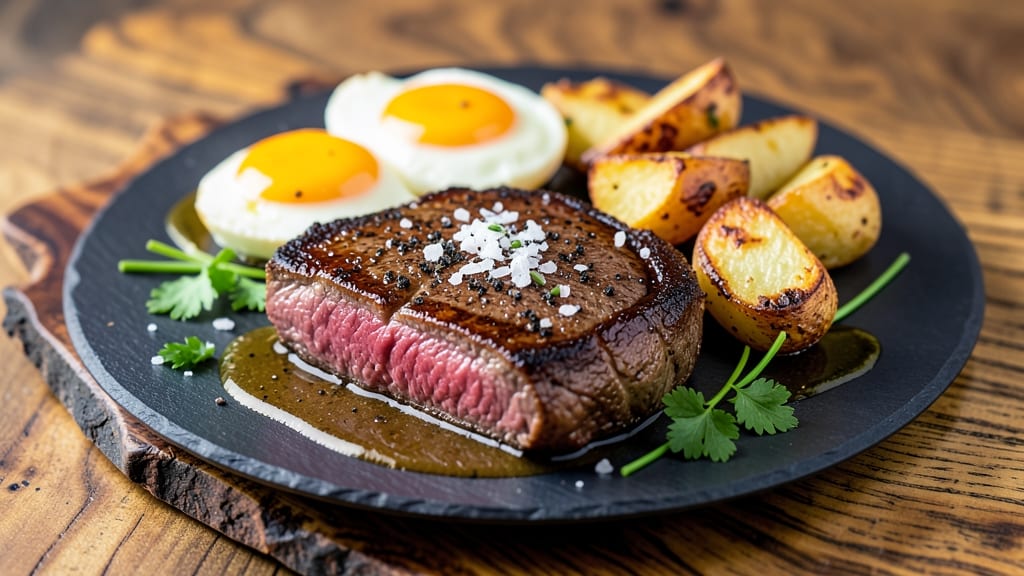
This oven-seared Angus beef steak delivers the perfect balance of crispy crust and juicy pink heart—a technique I perfected after years of testing in my Portland kitchen. The secret lies in reverse searing: slow oven cooking ensures even doneness while a hot pan creates that coveted crust.
My family insists this method transforms even the most basic steak into a restaurant-worthy centerpiece.
What sets this recipe apart is the precision—medium-rare every time, thanks to accurate temperature control and proper resting. You'll need just 5 ingredients (plus salt and pepper) and 20 minutes of active time, making it surprisingly simple for such impressive results.
The key is patience: letting the steak cook low and slow in the oven first builds confidence before the final sear.
By the time you're done, you'll have a steak with caramelized edges that shatter at first bite and a tender interior so juicy it practically melts. The aroma alone will have everyone gathering around the table, and the presentation—sliced against the grain—makes it feel like a special occasion meal.
This is the kind of steak that turns weeknight dinners into memorable experiences.
Pair with roasted garlic mashed potatoes or a simple arugula salad to complete the meal. The technique works equally well for ribeye or New York strip, so once you master it, you'll never buy steak again. Let's get started on creating your perfect steak.
Ingredients for angus beef steak recipe oven
Five simple ingredients transform basic steak into restaurant-quality perfection.
| Ingredient | Amount | Notes |
|---|---|---|
| Angus Beef Steaks 🥩 | 1 ½ lb | 2 steaks, 1-inch thick each |
| Kosher Salt 🧂 | 1 ½ tbsp | Coarse grain preferred |
| Freshly Ground Black Pepper 🌶️ | 1 ½ tsp | Freshly cracked preferred |
| Extra-Virgin Olive Oil 🫒 | 2 tbsp | High smoke point preferred |
| Unsalted Butter 🧈 | 4 oz | Cold, cut into 4 pieces |
The steak is everything here. Angus beef delivers that melt-in-your-mouth tenderness, but honestly any high-quality cut works—ribeye or New York strip both shine. I buy mine from Costco when they're on sale, but local butcher shops often have better cuts. Look for thick steaks—1-inch thick is ideal for even cooking. If your steaks are uneven, pound the thicker end gently with a meat mallet to even things out. The key is thickness: thinner steaks won't develop that perfect crust.
No fancy tools? No problem. The olive oil and butter combo creates the crust—don't skip the butter, trust me. Running out of kosher salt? Diamond Crystal kosher salt is my go-to, but any coarse salt works. Freshly cracked black pepper makes a difference, but pre-ground is fine in a pinch. Want extra flavor? Add 1 tsp garlic powder to the salt mix before seasoning. The steaks should sit at room temperature for 30 minutes before cooking—this ensures even doneness. No time? Cook them straight from the fridge, but expect slightly longer cooking times.
This steak tastes even better the next day, so make extra. Wrap each steak tightly in parchment paper and store in the fridge for up to 2 days. For longer storage, freeze them in a ziplock bag for 3 months. Reheat gently in a skillet with a splash of water to keep them moist. The crust won't be as crispy, but the flavor stays incredible. Slice against the grain for maximum tenderness—everyone at the table will notice the difference.
Why You'll Love This Recipe
- No-Fuss Oven Magic: I swear by this method—just salt, pepper, and a hot oven. No flipping, no stress, and the butter basting happens while you’re still setting the table.
- Rich, Buttery Crust: That crispy edge from the olive oil and butter? It’s the good kind of indulgence—juicy inside, caramelized outside, with zero effort beyond a quick sear.
- Weeknight or Weekend: Same recipe for Tuesday takeout or Saturday dinner. The steaks hold up perfectly, whether you’re feeding two or six, and the leftovers reheat like a dream.
- Budget-Friendly Luxury: Angus doesn’t have to break the bank. A few simple ingredients stretch further than you’d think—plus, the flavor makes it taste like a splurge every time.
Step-by-step instructions for perfectly crispy oven-sear Angus beef steaks
Here's how to get that coveted crust with a juicy pink center every time—no grill required.
Season and Prep the Steaks
Take the 1.5 lb angus beef steaks out of the fridge and pat them dry with paper towels. You want them completely dry—this helps the seasoning stick and the crust form properly. I like to work with room-temperature meat, so let the steaks sit uncovered on the counter for about 30 minutes while you prep everything else.
Generously rub both sides of each steak with the 1.5 tbsp kosher salt and 1.5 tsp freshly ground black pepper. Press the seasoning in firmly, especially on the edges where the crust forms first. This step is crucial for flavor penetration and that perfect crust. Don't skip it—salting early gives the salt time to work its magic on the meat fibers.
Preheat and Oil the Pan
While the steaks are coming to room temperature, preheat your oven to 450°F. This high heat is what creates that beautiful crust. Place a large oven-safe skillet over medium-high heat and add the 2 tbsp extra-virgin olive oil. Let it heat for about 5 minutes until it's shimmering but not smoking—this is the sweet spot for searing without burning.
I always use a heavy skillet like cast iron because it retains heat better, giving you that perfect sear. If your pan isn't oven-safe, you can sear the steaks on the stovetop first and then transfer them to the oven. The key is getting that initial crust before finishing in the oven to keep the inside juicy.
Sear the Steaks on the Stovetop
Carefully place the seasoned steaks in the hot skillet. Cook them for 3-4 minutes per side until they develop a deep golden-brown crust. You'll know they're ready when they release easily from the pan—don't move them around too much while they're cooking, or you'll lose that beautiful crust. I press down gently on the steaks during the first minute to prevent them from curling and ensure even contact with the pan.
Once both sides are nicely browned, transfer the skillet to the preheated oven. The residual heat will help finish cooking the steaks evenly. This two-step process gives you the best of both worlds: a perfect crust from the stovetop sear and gentle finishing in the oven to keep the inside juicy.
Finish in the Oven
Place the skillet with the steaks in the oven and cook for 6-8 minutes for medium-rare doneness. You're aiming for an internal temperature of 130-135°F—use a meat thermometer to check the thickest part of the steak. The steaks should be just about done when they reach this temperature, but they'll carry over a few degrees as they rest.
Here's the thing—I like to add the 4 oz cold unsalted butter to the skillet during the last 2 minutes of oven time. The butter will melt and baste the steaks, adding richness and helping to keep them moist. Watch the butter closely so it doesn't burn, and baste the steaks with it using a spoon. This step is what takes your steaks from good to restaurant-quality.
Rest and Serve
Remove the steaks from the oven and let them rest on a cutting board for 10-15 minutes before serving. This resting period is absolutely critical—it allows the juices to redistribute throughout the meat, ensuring every bite is moist and flavorful. If you cut into the steak too soon, all those juices will run out onto your plate instead of staying inside where they belong.
Slice the steaks against the grain into ½-inch thick pieces and serve immediately. The crust should be deep golden brown and crispy, while the inside should be juicy with a perfect pink center. Each bite should deliver that incredible beefy flavor with a satisfying contrast of textures—crispy crust and tender, juicy meat. Enjoy your perfectly cooked angus beef steaks!
Pro Tips For Making Angus Beef Steak Recipe Oven
- USE A CAST-IRON SKILLET FIRST: I learned this the hard way—starting oven-only recipes with cold butter and raw steak leads to uneven cooking. Sear the steaks in a screaming-hot cast-iron skillet with olive oil for 2 minutes per side first, then transfer to a 400°F (200°C) oven. The crust locks in, and the butter pools beautifully on the hot metal when you add it later.
- SALT THE MEAT 40 MINUTES EARLY: Angus beef is lean and absorbs salt aggressively. Toss the steaks with kosher salt 40 minutes before cooking—yes, even if you’re in a rush. The salt penetrates deeper than a last-minute sprinkle, and the seasoning sticks better when you sear later. (Pro tip: Pat them completely dry afterward—wet surfaces = weak crust.)
- DON’T BAKE THE BUTTER DRY: This isn’t a butter bath—it’s a flavor bomb. After searing, add a pat of cold unsalted butter (about 1 tablespoon per steak) to the oven-safe pan, then tilt to coat the steaks. Bake at 400°F (200°C) for 8–10 minutes (medium-rare), then baste with the melted butter once before serving. If the butter turns golden and crispy, you’ve nailed it. If it’s soupy and pale, crank the oven to 425°F (220°C) for the last 2 minutes.
- REST THEM UNDER FOIL: I was skeptical until I tried it—Angus steaks lose 10% of their juices if you cut into them too soon. After pulling them from the oven, tent loosely with foil and let them rest for a solid 5 minutes. The internal temp will drop 5–10°F (3–5°C), and the juices redistribute. (Yes, even if you’re starving. Your knife will thank you.)
Troubleshooting perfect results
Uneven Cooking
If your steak emerges with a cold center or overcooked edges, the issue is likely uneven thickness or improper heat distribution. I’ve found that 1-inch thick steaks cook most evenly, but if yours vary, gently pound the thicker sections with a meat mallet before seasoning.
For oven issues, ensure your oven rack is in the middle position—this prevents hot spots from the heating element. If using a cast iron skillet, place it on the center rack for even heat circulation. 🌡️
Another common culprit is overcrowding the pan. Cook steaks one at a time in a hot, oiled skillet to develop a proper crust. If you must cook two at once, leave space between them so they don’t steam instead of sear.
And remember: medium-high heat is key—too low, and the crust won’t form; too high, and the outside burns before the inside cooks.
Dry or Tough Steak
A dry or tough steak usually means it was cooked too long or rested too briefly. The fix? Use a meat thermometer—Angus beef should hit 130–135°F for medium-rare. If you’re guessing, pull it out 5°F below your target temp and let it rest.
For extra moisture, baste with melted butter during the last 2 minutes in the oven, as I do in the recipe. This adds richness and prevents dryness. 🧈
Also, don’t skip the rest. Steaks need 10–15 minutes to redistribute juices—cutting too soon drains all the flavor. If your steak is already dry, try reheating it low and slow in a skillet with a splash of beef broth to revive moisture.
Just don’t microwave it, or it’ll turn rubbery.
Weak or Nonexistent Crust
A pale or soft crust happens when the steak isn’t dry enough or the pan isn’t hot enough. Pat your steaks thoroughly with paper towels before seasoning—this helps the crust form. For the pan, heat it until the oil shimmers but doesn’t smoke (around 400°F).
If your pan isn’t hot enough, the steak will steam instead of sear. I swear by a cast iron skillet—it retains heat better than stainless steel. 🔥
Another trick? Press down gently on the steaks during the first minute of searing to ensure full contact with the pan. If your crust still isn’t crispy, try adding 1 tbsp butter to the pan during the final sear—this adds fat to promote browning.
And for extra crunch, finish under the broiler for 30 seconds (watch closely!)
Steak Sticking to Pan
If your steak sticks like glue, it’s usually because the pan wasn’t hot enough or the steak wasn’t dry. Room-temperature steaks also help—cold meat releases moisture that steams instead of sears.
To prevent sticking, heat the pan until it’s smoking hot before adding oil, then let the oil get shimmering before placing the steak in. A well-seasoned cast iron pan or a nonstick skillet (like Mauviel M’Cook) can also help, though cast iron gives the best crust. 🍳
If it does stick, don’t force it—let it cook undisturbed for a full minute before gently sliding a spatula underneath. If it’s still stuck, add a splash of water or broth to the pan and cover with a lid for 30 seconds to steam it loose.
Then proceed with searing as usual.
Nutrition facts
Frequently asked questions
How do I know when my steak is perfectly cooked?
Use a meat thermometer for precision: 130–135°F for medium-rare (the ideal doneness for Angus). For medium, aim for 140–145°F. The steak will continue cooking slightly while resting, so pull it out 5°F below your target temp. If you don't have a thermometer, press your finger gently on the steak—it should feel like the base of your thumb (medium-rare) or your palm (medium).
Can I cook thinner steaks using this method?
Yes, but adjust the times: ½-inch thick steaks need only 2-3 minutes per side on the stovetop, then 3-4 minutes in the oven. For ¾-inch steaks, sear 3 minutes per side and finish in the oven for 5-6 minutes. The key is achieving the right internal temperature, not just cooking time. Thinner steaks cook faster, so keep an eye on them!
What's the best way to reheat leftover steak?
Reheat gently in a skillet over low-medium heat with a splash of beef broth or water to add moisture. Cook for 2-3 minutes per side until warmed through. Never microwave—it makes steak rubbery. For extra flavor, add a pat of butter and let it melt over the steak. The crust won't be as crispy, but the meat will still taste amazing.
Why does my steak turn out dry?
Most likely, you either overcooked it or didn't let it rest long enough. Always use a meat thermometer to avoid guessing. For medium-rare, pull at 130°F and rest for 10-15 minutes—this lets juices redistribute. If your steak is already dry, try slicing against the grain and serving with a rich sauce or compound butter to add moisture back.
Can I use this method for other steak cuts?
This reverse-sear technique works beautifully with ribeye, New York strip, or even filet mignon. The fat content in ribeye adds extra flavor, while filet's tenderness makes it perfect for this method. Just adjust cooking times slightly—ribeye may need 1-2 extra minutes in the oven due to its higher fat content. The key is using high-quality cuts with good marbling.