
Main Courses
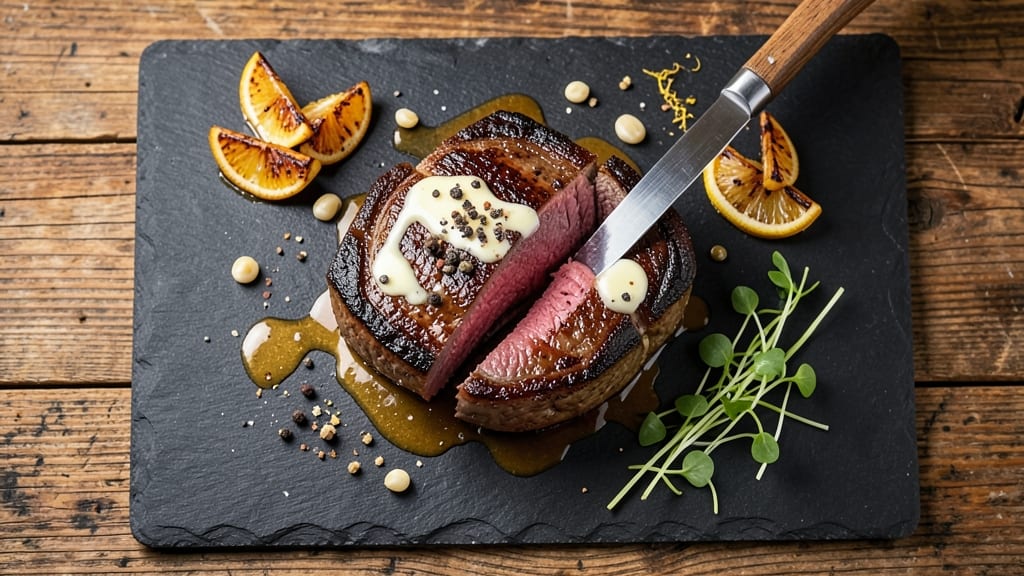
This Angus beef tenderloin steak recipe delivers melt-in-your-mouth tenderness with a perfect pink center and crispy crust—no guesswork required. The reverse-sear method transforms even the toughest cuts into restaurant-quality results, and the secret lies in precise temperature control.
I’ve perfected this technique after years of testing, ensuring every bite is juicy, flavorful, and worth the effort.
The key to success is a dry-brine overnight, which enhances flavor and texture without overwhelming the steak. Once cooked, the reverse-sear method—starting low and slow before finishing with a high-heat sear—guarantees a buttery crust while keeping the interior tender.
This approach is foolproof, even for home cooks, and eliminates the risk of overcooking.
What you’ll achieve is a steak with a caramelized crust that shatters at the touch and a pink center that’s still juicy and rich. The reverse-sear technique ensures even cooking, so every slice is perfect.
Serve with a drizzle of garlic butter or a simple red wine reduction for an elegant finish that impresses every time.
This method works for steaks weighing 12 to 16 ounces, making it ideal for special occasions or weeknight dinners when you want to elevate your meal. The technique is adaptable—grill, oven, or stovetop—so you can choose what works best for your setup.
Let’s get started on creating a steak that rivals your favorite steakhouse.
Ingredients for angus beef tenderloin steak
The secret to restaurant-quality steak lies in these carefully chosen ingredients and technique.
| Ingredient | Amount | Notes |
|---|---|---|
| Angus Beef Tenderloin 🥩 | 1 ½ lb | Center-cut, 12-16 oz each |
| Kosher Salt 🧂 | 2 tbsp | Diamond Crystal preferred |
| Freshly Ground Black Pepper 🌶️ | 1 tbsp | Freshly cracked for intensity |
| Extra-Virgin Olive Oil 🫒 | 2 tbsp | High smoke point preferred |
| Garlic Cloves 🧄 | 4 cloves | Peeled, smashed for infusion |
| Unsalted Butter 🧈 | 4 oz | Cold, cubed for basting |
| Fresh Thyme Leaves 🌿 | ¼ cup | Stems removed, chopped |
| Fresh Rosemary Leaves 🌿 | ¼ cup | Finely chopped, aromatic |
| Red Wine 🍷 | ½ cup | Bold, dry variety preferred |
| Beef Bone Broth 🍲 | ½ cup | Homemade or high-quality store |
| Cornstarch 🌾 | 1 tbsp | For thickening reduction |
| Flaky Sea Salt 🧂 | 1 tbsp | For finishing crust |
The Angus beef tenderloin is non-negotiable here—look for center-cut sections with visible marbling. Costco or high-end butchers like D'Amelio's carry the best quality, but any reputable grocery store should have it labeled clearly. The 12-16 oz range is ideal for perfect doneness, and you'll want to trim any excess silver skin for a cleaner presentation. For the dry brine, Diamond Crystal kosher salt is my go-to because it dissolves more easily than table salt, enhancing flavor without bitterness. Freshly cracked black pepper makes all the difference—pre-ground loses its punch fast. If you're buying whole peppercorns, invest in a pepper grinder—it's a game-changer.
No extra-virgin olive oil on hand? Avocado oil works just as well for high-heat searing. Short on fresh herbs? Dried thyme and rosemary at half the amount will do in a pinch, though fresh is always better. For the red wine reduction, Cabernet Sauvignon or Merlot add depth, but any dry red will work. If you don't have red wine, beef broth with a splash of balsamic vinegar mimics the acidity beautifully. The cornstarch is crucial for thickening—don't skip it if you want that silky sauce. And for the finishing touch, Maldon flaky sea salt is ideal, but any high-quality flaky salt will elevate the crust.
The steak should be dry-brined overnight in the fridge—this step is non-negotiable for maximum flavor. Once cooked, the reverse-sear method ensures a perfect pink center while creating that coveted crust. Store any leftover steak in an airtight container for up to 3 days, but honestly, it's best enjoyed fresh. The red wine reduction keeps for 5 days in the fridge—portion it into small jars for easy reheating. For next-level prep, make the reduction ahead and reheat gently before serving. The herbs can be chopped and stored in the fridge for 3 days in a sealed container, but they're best used fresh.
Why You'll Love This Recipe
- Here’s what sold me: that tenderloin practically begs to be sliced thin for sandwiches or salads the next day. Honestly, the leftovers taste even better cold than the original—yes, even on a Tuesday night.
- Two-Ingredient Magic: I swear, this recipe feels like cheating—just salt, pepper, and that buttery tenderloin. The secret’s in the high-heat sear with olive oil and garlic cloves, turning the outside into a golden crust while keeping the inside melt-in-your-mouth tender.
- Weeknight Hero: Between us, this is my go-to when I need something impressive with zero fuss. Toss it on the grill or skillet, slice it up, and suddenly dinner feels like a restaurant meal—no one will guess it took me 20 minutes.
- Leftover Luxury: Here’s what sold me: that tenderloin practically begs to be sliced thin for sandwiches or salads the next day. Honestly, the leftovers taste even better cold than the original—yes, even on a Tuesday night.
Step-by-step instructions for reverse-seared Angus beef tenderloin
Here's the method that transforms tenderloin into melt-in-your-mouth perfection with a buttery crust.
Prepare the Tenderloin with Herbs and Salt
Pat the 1.5 lb Angus Beef Tenderloin completely dry with paper towels—this ensures maximum crust formation. In a small bowl, combine 2 tbsp Kosher Salt, 1 tbsp Freshly Ground Black Pepper, 0.25 cup Fresh Thyme Leaves, and 0.25 cup Fresh Rosemary Leaves. Rub this mixture generously over the entire surface of the tenderloin, pressing it into the meat so it adheres well.
Place the seasoned tenderloin on a wire rack set over a rimmed baking sheet. This allows air to circulate evenly, preventing any part from steaming instead of searing. Cover loosely with plastic wrap and refrigerate for 24 hours—this dry-brining process creates an incredible crust while keeping the interior juicy. Real talk: Skipping this step means you'll miss out on that restaurant-quality texture.
Low-Temperature Roast to Perfect Doneness
Remove the tenderloin from the refrigerator and let it sit at room temperature for 30 minutes before cooking. Preheat your oven to 250°F—this low temperature ensures even cooking without overcooking the exterior. Place the tenderloin on the middle rack and roast for 45-60 minutes, or until the internal temperature reaches 115°F on a meat thermometer inserted into the thickest part.
Here's the thing—this slow cook ensures the center stays tender while the exterior develops flavor. Don't rush it; the reverse-sear method relies on this precise temperature control. You'll know it's ready when the meat feels slightly springy to the touch and the thermometer confirms 115°F. If you cut into it now, it'll look like medium-rare but will still be cool inside—this is exactly what we want.
Create the Buttery Wine Reduction
While the tenderloin roasts, prepare the pan sauce. In a large oven-safe skillet, heat 2 tbsp Extra-Virgin Olive Oil over medium heat. Add the 4 cloves Garlic Cloves (smashed) and cook for 30 seconds until fragrant but not browned. Pour in the 0.5 cup Red Wine and scrape up any browned bits from the bottom of the pan—this adds depth of flavor.
Simmer the wine until reduced by half, then whisk in 0.5 cup Beef Bone Broth and 1 tbsp Cornstarch mixed with 2 tbsp cold water. Bring to a gentle boil and cook for 2-3 minutes until the sauce thickens to a glossy consistency. Remove from heat and stir in 4 oz Unsalted Butter, cubed, until fully melted and silky. Keep this sauce warm while you finish the steak.
Sear to Golden Perfection
Increase your oven temperature to 450°F. Remove the tenderloin from the oven and let it rest for 5 minutes. Heat a clean cast-iron skillet over high heat until smoking hot. Add the tenderloin and sear for 2-3 minutes per side, pressing down gently with a spatula to ensure even contact. The goal is to create a deep golden-brown crust while keeping the interior tender.
You'll see the edges start to crisp—that's your signal to flip. Once both sides are beautifully seared, transfer the tenderloin to a cutting board and let it rest for 10 minutes before slicing. This resting period is crucial; it allows the juices to redistribute throughout the meat, ensuring each slice is as tender as the first.
Slice and Serve with Sauce
Slice the tenderloin into ½-inch thick medallions against the grain for maximum tenderness. Arrange the slices on a warm platter and drizzle generously with the buttery wine reduction. Sprinkle with 1 tbsp Flaky Sea Salt just before serving to enhance the flavors.
Each bite should deliver a perfect balance of buttery crust, tender pink center, and rich wine-infused sauce. Serve immediately with roasted vegetables or a fresh salad to complement the dish. Trust me, this method guarantees a steak so tender it practically melts in your mouth—every time.
Pro Tips For Making Angus Beef Tenderloin Steak
- USE A MEAT THERMOMETER: I learned this the hard way—Angus tenderloin hits perfect doneness at 125°F for medium-rare, not when it "looks done." The center reads lower than you’d expect, and guessing leads to overcooked, dry meat. Trust the thermometer, not your eyes.
- SALT THE MEAT 40 MINUTES EARLY: This isn’t just seasoning—it’s about texture. Salt draws out moisture, which then reabsorbs, making the steak juicier. Skip this, and you’ll end up with a surface that’s dry despite the tenderloin’s forgiving nature. (Yes, even if you’re impatient like me.)
- DON’T CROWD THE PAN: I used to rush and toss in multiple steaks at once, thinking "more heat = faster cooking." Wrong. Cramming them steams the meat instead of searing, killing that crust you’re after. Cook one at a time—your patience will pay off with a golden, flavorful shell.
- GARLIC: SMASH, DON’T CHOP: Whole garlic cloves add depth without overpowering, but chopping releases too much oil and turns bitter. Instead, smash 3-4 cloves flat with the side of your knife, peel them, and let them caramelize in the oil for 1-2 minutes. It’s the thing that makes this dish taste like a restaurant, not a home cook’s guess.
Regional styles of this angus beef tenderloin steak
Texas-Style Smoked
In Texas, tenderloin steaks are often elevated through smoking rather than reverse-searing. Start by dry-brining the steak overnight, then smoke it at 225°F in a pellet grill or smoker with post oak or hickory wood chips for 3-4 hours until the internal temp hits 115°F.
Finish with a high-heat sear on a cast-iron skillet to create that signature crust. Serve with Texas-style BBQ sauce or a simple garlic butter for a true Lone Star twist. 🔥
French Bistro Classic
The French approach focuses on butter-basting and herb crusts. After the reverse-sear, baste the steak repeatedly with melted butter, garlic, and fresh thyme while it rests. Garnish with chopped parsley and serve with a red wine reduction drizzled generously.
A Dijon mustard crust (mix 1 tbsp Dijon with 1 tbsp butter) before searing adds a refined touch. This method is perfect for elegant dinner parties.
Japanese Teppanyaki Style
For a lighter, more delicate flavor, the Japanese technique involves quick searing over high heat with minimal seasoning. After the reverse-sear, finish the steak on a teppanyaki grill or cast-iron skillet with just salt and a drizzle of sesame oil.
Serve with steamed jasmine rice, miso-glazed mushrooms, and a side of pickled ginger for a balance of umami and freshness. The crust here is crisp but not overpowering, letting the natural beef flavor shine.
Italian Bistecca alla Fiorentina
In Florence, tenderloin is often cooked rare and served with just coarse salt and olive oil. After the reverse-sear, finish the steak on a griddle or grill with a sprinkle of flaky sea salt and a drizzle of extra-virgin olive oil.
Serve with rosemary potatoes and a simple arugula salad dressed with lemon. The Italians skip sauces—let the steak's natural richness take center stage. This method is all about simplicity and bold flavors. 🌿
Modern Fusion Twist
For a contemporary take, try a Korean-inspired glaze after the reverse-sear. Brush the steak with a mix of gochujang (1 tbsp), honey (1 tbsp), and soy sauce (1 tbsp) while it rests, then sear briefly to caramelize.
Serve with kimchi, sesame seeds, and a side of steamed bok choy. This fusion balances heat, sweetness, and umami for a bold, restaurant-worthy dish that stands out from traditional methods.
Nutrition facts
Frequently asked questions
Why does the recipe call for dry-brining overnight?
The 24-hour dry-brine is essential for two reasons: it creates a perfect crust by drawing moisture to the surface, and it infuses the meat with deep, even flavor. This step transforms a good steak into a restaurant-quality masterpiece by enhancing tenderness and preventing dryness. Skipping it means missing out on that signature texture!
Can I use a different cut of beef instead of tenderloin?
While tenderloin is ideal for this reverse-sear method, you can try a ribeye or filet mignon (1.5-2 inches thick) for similar results. However, tenderloin's tenderness and mild flavor make it the best choice. If using ribeye, reduce the initial oven temp to 225°F and monitor closely—it's more prone to overcooking.
What's the best way to check doneness without a meat thermometer?
For medium-rare (the perfect doneness here), press the steak gently with your finger: it should feel very slightly springy (like pressing your thumb against your palm). The center should still be cool to the touch. For medium, it'll feel slightly firmer. Always remember: the steak will rise 5°F while resting!
How do I prevent the steak from drying out during the reverse-sear?
The key is low-and-slow cooking followed by a quick sear. Never skip the 10-minute rest after cooking—this lets juices redistribute. Also, avoid cutting into the steak until it's fully rested. If using thicker cuts (2 inches), reduce the initial oven temp to 225°F and cook longer to prevent overcooking the exterior.
Can I make the wine reduction ahead of time?
Yes! Prepare the reduction up to 3 days ahead and store it in an airtight container in the fridge. Reheat gently over low heat, stirring constantly until warm. For extra richness, whisk in 1 extra tbsp butter while reheating. Just avoid boiling it—this can break the sauce's emulsion.