
Sauces & Condiments
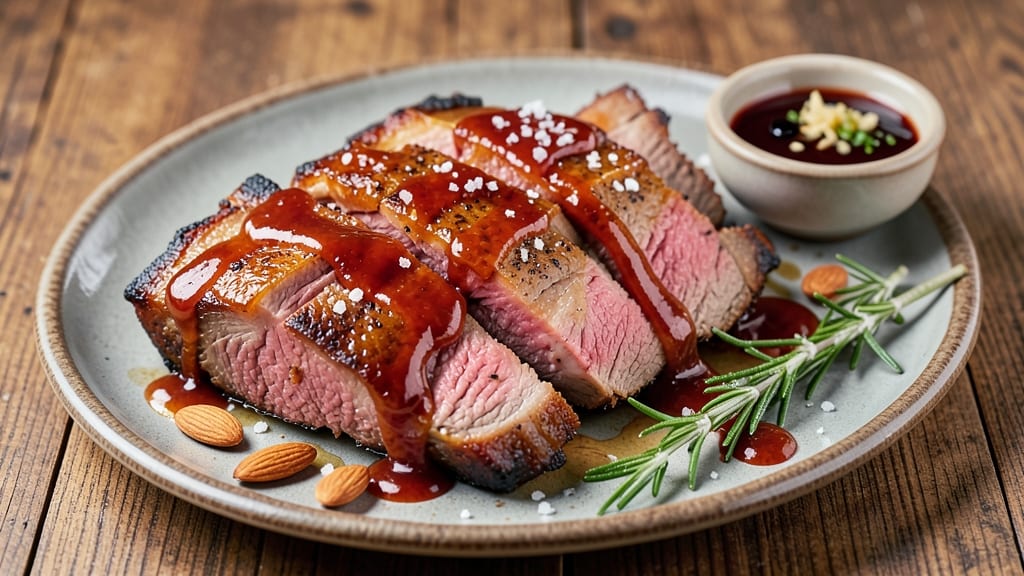
This apricot glazed corned beef recipe transforms a classic St. Patrick's Day centerpiece into something extraordinary—where tender, slow-cooked beef meets a caramelized sweet-tart glaze that clings to every bite.
The secret lies in balancing the rich, savory meat with apricot's natural sweetness, creating a perfect harmony of flavors that elevates this dish from ordinary to unforgettable.
I've perfected this method over years of testing, ensuring the glaze achieves that coveted caramelized edge while keeping the beef moist and flavorful throughout.
The process begins with a simple brine to enhance tenderness, followed by slow roasting that renders the meat perfectly. What sets this recipe apart is the homemade apricot glaze—a blend of apricot preserves, vinegar, and spices—that simmers into a thick, glossy coating.
This glaze isn't just a topping; it's a flavor bomb that caramelizes beautifully during the final minutes of cooking, creating a crust that adds depth and texture. The result? A dish that's rich, sweet, and tangy all at once, with a finish that's both elegant and satisfying.
By the time you serve this corned beef, you'll have a centerpiece that's as impressive as it is delicious—juicy, tender slices topped with a glossy, caramelized glaze that ties every bite together. The glaze's sweet-tart balance cuts through the richness of the beef, making each forkful a perfect harmony.
This recipe is designed to impress, whether you're hosting a St. Patrick's Day feast or simply craving a special Sunday dinner. Pair it with roasted potatoes, coleslaw, or crusty bread to complete the meal.
What makes this recipe truly stand out is its versatility—it works equally well for holiday celebrations or a cozy family dinner. The glaze can be adjusted to suit your taste, whether you prefer it sweeter or more tangy, and the method ensures consistent results every time.
Once you try this apricot glazed corned beef, you'll never go back to the traditional version. Let's get started on creating a dish that's sure to become a new favorite.
Ingredients for apricot glazed corned beef
Sweet-tart glaze meets tender beef—just these 14 ingredients transform a classic into something extraordinary.
| Ingredient | Amount | Notes |
|---|---|---|
| Corned Beef Brisket 🥩 | 4 lb | Pre-brined or raw, bone-in preferred |
| Apricot Preserves 🍑 | 1 ½ cups | No-sugar-added preferred for balance |
| Apple Cider Vinegar 🍏 | ½ cup | For tangy depth in glaze |
| Brown Sugar 🍚 | ½ cup | Light or dark, packed firmly |
| Dijon Mustard 🌶️ | 2 tbsp | Mild for subtle tang |
| Fresh Ginger 🌿 | 1 tbsp | Grated, for warm spice |
| Garlic Cloves 🧄 | 4 cloves | Minced, for aromatic base |
| Beef Broth 💧 | 1 ½ cups | Low-sodium preferred |
| Honey 🍯 | 2 tbsp | For extra caramelization |
| Fresh Thyme Leaves 🌿 | 1 tbsp | Or 1 tsp dried thyme |
| Black Peppercorns 🌶️ | 1 tsp | Cracked for texture |
| Bay Leaves 🍃 | 2 whole | For aromatic depth |
| Olive Oil 🫒 | 2 tbsp | For searing beef |
| Salt 🧂 | 1 ½ tsp | Kosher salt for seasoning |
The corned beef is the star, so pick a quality brisket—bone-in stays juicier. Costco or local butchers often have the best cuts, but any well-marbled brisket works. If using raw, plan for a 3-4 hour brine (water, salt, sugar, bay leaves, peppercorns). The apricot preserves? No-sugar-added keeps the glaze from being too sweet—Mott's or Bonne Maman are my go-tos, but any good quality works. Fresh ginger and thyme are worth hunting down at Whole Foods or local markets—dried will work in a pinch, but fresh adds that bright, aromatic punch that makes this glaze sing.
No apricot preserves? Mango chutney or peach jam works in a bind, though the flavor won't be identical. Short on vinegar? Balsamic glaze or lemon juice adds tang, but you'll lose that classic cider depth. The honey is non-negotiable for caramelization—avoid corn syrup, which won't brown as beautifully. For a deeper mustard flavor, swap Dijon for whole-grain mustard (just add a splash of water to thin it). The beef broth can be subbed with water plus 1 tsp beef bouillon, but the umami difference is noticeable. And if you're feeling fancy, add 1 tbsp brandy to the glaze for a boozy depth.
This glaze caramelizes best when made fresh, but you can prep it 2 days ahead—just reheat gently before using. The cooked corned beef reheats beautifully; wrap tightly in foil and warm in a 300°F oven for 30 minutes. Leftovers? 3-4 days in the fridge, or freeze for up to 3 months. I always make extra glaze—it's perfect for drizzling over roasted veggies or toasted bread. Store it in a jar in the fridge, and it'll keep for 2 weeks. Trust me, you'll want seconds.
Why You'll Love This Recipe
- No-Fuss Glaze: I swear by this recipe because the apricot preserves and vinegar blend into a silky glaze with zero fuss. Just simmer the brisket, swirl in the preserves, and let the oven do the work—no basting, no stress.
- Sweet-Savory Magic: That mix of tangy apple cider vinegar, sticky brown sugar, and Dijon mustard? It’s the perfect contrast to the brisket’s richness. The apricot adds a jammy depth that turns this into something ridiculously good—like a cross between a Reuben and a dessert.
- Leftovers That Shine: This recipe actually tastes better the next day. Thinly slice the brisket, toss it with the leftover glaze, and you’ve got a killer sandwich filling or a quick hash. (Between us, I’ve eaten it straight from the fridge—no shame.)
- Budget Crowd-Pleaser: A whole brisket feeds six for under $20, and the glaze costs pennies. It’s the kind of dish where everyone raves about it, but you’ll still have money left for a cheap cabernet. Honestly, what’s not to love?
Step-by-step instructions for apricot glazed corned beef
Here's how to transform tough corned beef into tender, caramelized perfection with a sweet-tart apricot glaze.
Sear the Corned Beef for Maximum Flavor
Heat a large Dutch oven over medium-high heat and add the 2 tablespoons olive oil. Once shimmering, carefully place the 4 lb corned beef brisket fat-side down in the pan. Press gently with a spatula for 1 minute to create maximum contact—this prevents curling and ensures even browning.
Let it sear undisturbed for 5-6 minutes until the fat renders and the bottom develops a deep golden crust. Flip the brisket and repeat on the other side. The key here is patience—rushing causes uneven cooking. Once both sides are deep brown, remove the beef and set it aside on a plate.
Build the Sweet-Tart Glaze Base
In the same Dutch oven, reduce heat to medium and add the 4 cloves minced garlic, 1 tablespoon grated fresh ginger, and 2 whole bay leaves. Sauté for 1 minute until fragrant—this aromatic foundation is what makes the glaze sing.
Pour in the 1.5 cups beef broth and bring to a gentle simmer. Add the 1.5 teaspoons salt, 1 teaspoon cracked black peppercorns, and 1 tablespoon fresh thyme leaves. Let this mixture bubble gently for 3-4 minutes until slightly reduced by about ¼ cup. This step develops the depth of flavor before we add the sweet components.
Create the Signature Apricot Glaze
In a small saucepan over low heat, combine the 1.5 cups apricot preserves, 0.5 cup brown sugar, 0.5 cup apple cider vinegar, 2 tablespoons Dijon mustard, and 2 tablespoons honey. Stir gently for 5-6 minutes until the mixture thickens slightly and becomes glossy.
Here's the thing—this glaze needs to be smooth but not syrupy. You want it to coat the back of a spoon but still flow easily when brushed. If it thickens too much, add 1 tablespoon water at a time until you reach the perfect consistency. The acidity from the vinegar will balance the sweetness, creating that perfect sweet-tart profile we're after.
Braise Until Fork-Tender
Return the seared corned beef to the Dutch oven and pour the glaze mixture over it. Add enough of the reserved broth from earlier to come about ½ inch up the sides of the beef—this ensures proper braising liquid. The liquid should cover about ⅔ of the beef.
Bring the mixture to a simmer, then reduce heat to low. Cover and braise for 2.5-3 hours until the beef is fork-tender. I know this seems like a long time, but slow cooking breaks down the tough fibers and infuses the meat with all those glorious flavors. Check occasionally to ensure there's enough liquid—add more broth if needed to prevent drying.
Caramelize the Glaze and Finish
Once the beef is tender, increase heat to medium-high and uncover the pot. Let the liquid reduce for 10-15 minutes until it thickens into a glossy glaze that coats the back of a spoon. You'll see the edges of the beef start to caramelize—that's your signal that it's almost done.
For the final touch, brush the beef with any remaining glaze in the pan. Let it cook uncovered for another 2-3 minutes until the surface is deep golden brown and sticky. This final step creates that beautiful caramelized crust that makes all the difference. Remove from heat and let the beef rest for 10 minutes** before slicing—this resting period ensures the juices stay inside the meat.
Pro Tips For Making Apricot Glazed Corned Beef
- Trim the Fat First: Slice off the thick layer of fat from the brisket before cooking—yes, it’s tedious, but that fat turns to grease in the pot and can make your glaze greasy instead of glossy. I used to skip this, and the sauce always ended up thin and clingy.
- Reduce the Glaze Slow: Simmer the apricot preserve, vinegar, and brown sugar on low heat until thickened—high heat burns sugar fast and turns your glaze bitter. Stir often, and if it splatters, lower the heat further. Patience here makes all the difference.
- Skip the Crowded Pot: If your Dutch oven is packed with brisket and veggies, the meat won’t steam properly and will stay tough. Cook the brisket in batches if needed, or use a roasting pan with a rack. I learned this after serving a fork-tender disappointment.
- Deglaze with Vinegar: After browning the brisket, splash in ¼ cup apple cider vinegar before adding the preserves—it cuts through the fond and adds depth to the glaze. Sounds weird, but it works: the acid balances the sweetness perfectly.
Perfect pairings for these flavors
Sweet-Tart Glaze Sides
Serve your apricot glazed corned beef alongside crispy roasted baby potatoes tossed with 2 tbsp olive oil, 1 tsp smoked paprika, and ½ tsp garlic powder. Roast at 425°F for 30 minutes until golden and crispy—their earthy flavor contrasts beautifully with the sweet glaze. 🥔
Classic Irish Pairings
For an authentic St. Patrick's Day spread, add creamy coleslaw with a tangy dressing made from ½ cup mayonnaise, 2 tbsp apple cider vinegar, 1 tbsp Dijon mustard, and 1 tbsp honey.
The vinegar ties into the glaze's acidity while keeping the slaw refreshing. I like to add ½ cup shredded carrot for extra crunch.
Bread for Soaking
No meal is complete without crusty Irish soda bread or sourdough to soak up the glaze. Warm slices in the oven for 5 minutes at 350°F to enhance their flavor.
For extra indulgence, spread with herbed butter (mix ½ cup softened butter with 1 tbsp fresh thyme and 1 tsp garlic powder).
Vegetable Harmony
Balance the richness with braised red cabbage—simmer ½ head cabbage, ½ cup apple cider vinegar, 2 tbsp brown sugar, and 1 cinnamon stick for 45 minutes. The cabbage's slight sweetness and vinegar echo the glaze's flavors while adding vibrant color to your plate. 🥬
Cheese Course
Finish with a simple Irish cheddar and apple board—pair sharp Irish cheddar with sliced Granny Smith apples, walnuts, and honey drizzle. The cheese's tang cuts through the glaze's sweetness, while the apples provide a crisp, juicy contrast. Serve with crackers or crusty bread for easy grazing.
Dessert Echo
End the meal with apricot crumble bars—use the same apricot preserves as your glaze in a buttery oat topping. The familiar apricot flavor ties the meal together beautifully.
For a quicker option, serve vanilla ice cream with a drizzle of the leftover glaze—it's like dessert meets your main course! 🍰
Nutrition facts
Frequently asked questions
Can I make this apricot glaze ahead of time?
Prepare the glaze up to 2 days ahead and store it in an airtight container in the fridge. When ready to use, simply reheat it gently over low heat, stirring occasionally until smooth. This saves time on cooking day and lets the flavors meld even more deeply. The glaze will thicken slightly when chilled, so add a splash of water when reheating to restore its ideal consistency.
What's the best way to slice corned beef for this recipe?
After resting for 10 minutes, slice the corned beef against the grain at a ¼-inch thickness for maximum tenderness. Use a sharp carving knife and work in one continuous motion to maintain even slices. For presentation, arrange slices slightly overlapping on a platter, then drizzle with extra glaze. The thin slices also make it easier to serve with sides like coleslaw or potatoes.
Can I substitute apricot preserves with something else?
Yes! For a similar sweet-tart profile, try mango chutney or peach jam (reduce vinegar slightly). For a deeper flavor, use apricot jam with no added sugar—it caramelizes better. Avoid fruit spreads with thickeners like pectin, as they won't blend as smoothly. If using jam, simmer it with the vinegar and honey for 3-4 minutes longer to break down any graininess.
Why does the glaze sometimes turn out too thin?
This usually happens if the beef releases too much liquid during braising or if the glaze isn't reduced enough at the end. To fix it, simmer the glaze uncovered for 5-10 extra minutes until it thickens to a spoon-coating consistency. For prevention, ensure your Dutch oven has a tight lid and check liquid levels every 30 minutes—add broth only if needed. The glaze should be thick enough to cling to the beef but still flow when brushed.
How do I reheat leftovers without drying out the beef?
Wrap the sliced corned beef tightly in foil with a splash of beef broth or water, then reheat in a 300°F oven for 30 minutes. For glaze, warm it separately in a small saucepan over low heat. Never microwave—it turns the beef rubbery. To revive texture, add 1 teaspoon water to the glaze and simmer until glossy. Leftovers keep 3-4 days in the fridge or 3 months frozen.