
Main Courses
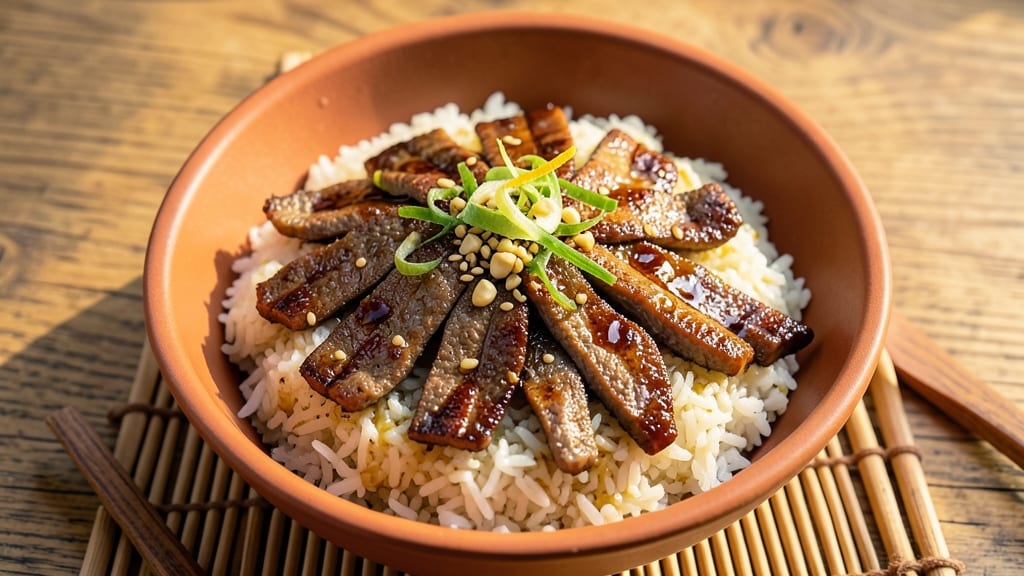
This Asian beef and rice bowl recipe delivers restaurant-quality flavors with wok-seared beef and fragrant jasmine rice in under 45 minutes. The secret lies in marinating the beef with a blend of soy sauce, ginger, and garlic, then searing it in a hot wok for that signature caramelized crust.
I developed this recipe after craving the perfect balance of tender beef, aromatic rice, and vibrant toppings—without the fuss of takeout.
The foundation is perfectly cooked jasmine rice infused with a touch of sesame oil, providing a light yet flavorful base. Tender strips of beef are marinated in a simple sauce that builds deep umami flavors, then quickly seared in the wok for a smoky finish.
This method ensures the beef stays juicy while developing that irresistible crust.
What makes this bowl special is the thoughtful assembly—crisp vegetables, quick-pickled onions for tangy brightness, and a drizzle of sesame-ginger dressing that ties everything together. The result is a harmonious blend of textures and flavors that feels both comforting and exciting, perfect for a weeknight dinner or meal prep.
Serve with extra pickled vegetables and sesame seeds for garnish. This recipe scales easily for a crowd, and leftovers taste even better the next day. Let's create this flavorful bowl that brings the heart of Asian cuisine to your table.
Ingredients for asian beef and rice bowl
Restaurant-quality Asian beef bowls start with these carefully selected ingredients for perfect balance.
| Ingredient | Amount | Notes |
|---|---|---|
| Flank Steak 🥩 | 1 lb | Thinly sliced against the grain |
| Jasmine Rice 🍚 | 1 cup | Uncooked, long-grain preferred |
| Low-Sodium Soy Sauce 🥄 | ½ cup | For marinade and sauce |
| Fresh Ginger 🌿 | 2 tbsp | Finely grated, aromatic |
| Garlic Cloves 🧄 | 4 cloves | Minced for marinade |
| Sesame Oil 🫒 | 1 tbsp | Toasted for aroma |
| Neutral Oil 🫒 | 1 tbsp | High smoke point like vegetable |
| Red Bell Pepper 🌶️ | 1 whole | Thinly sliced for crunch |
| Carrot 🥕 | 1 whole | Julienned for texture |
| Yellow Onion 🧅 | 1 whole | Thinly sliced for pickling |
| Rice Vinegar 🍶 | 2 tbsp | For quick-pickled onions |
| Sesame Seeds 🌱 | 1 tbsp | Toasted for garnish |
| Green Onions 🧅 | 3 whole | Thinly sliced for garnish |
| Diamond Crystal Kosher Salt 🧂 | 1 tsp | For seasoning rice |
| Black Pepper 🌶️ | ¼ tsp | Freshly cracked for heat |
The flank steak is non-negotiable here—its lean yet tender texture holds up beautifully to the marinade and high-heat sear. Look for center-cut slices at your butcher or pre-sliced Asian market sections. Whole Foods or Trader Joe's carry excellent pre-sliced options if you prefer convenience. For the jasmine rice, Lundberg Farms brand is consistently aromatic and less likely to turn mushy. The low-sodium soy sauce is crucial for controlling salt levels—Kikkoman or Lee Kum Kee are reliable choices. Fresh ginger and garlic should be vibrant in color; any signs of drying mean it's past its prime.
No flank steak? Sirloin or ribeye work in a pinch, but slice them thinner against the grain. Substitute the sesame oil with avocado oil if you prefer a milder flavor, though you'll lose some toasty aroma. For the pickled onions, rice vinegar is essential—subbing apple cider vinegar will change the flavor profile entirely. The red bell pepper and carrot can be swapped for shredded cabbage or snap peas** for different textures. If you're short on time, pre-cut stir-fry vegetables from the grocery store's refrigerated section work fine, though fresh is always better. The sesame seeds can be omitted if you're avoiding nuts, but the toasted aroma is worth the effort.
Marinate the beef for at least 30 minutes—overnight is ideal for deeper flavor. Cook the jasmine rice in a 1:1.25 ratio with water (1 cup rice to 1.25 cups water) for perfect texture. Store leftover bowls in airtight containers for up to 4 days in the fridge, though the rice may dry out slightly. For meal prep, cook the rice and beef separately, then assemble bowls fresh to maintain crispness. The pickled onions keep for 1 week** in the fridge, making them perfect for batch cooking. Garnish with extra sesame seeds and green onions just before serving to preserve freshness.
Why You'll Love This Recipe
- One-Pan Magic: I swear by this trick—just sear the flank steak, toss in the garlic and ginger, and let the soy sauce work its magic while the rice simmers. No chopping, no fuss, and one pan to wash. That’s my kind of dinner.
- Umami Bomb: The moment the garlic and ginger hit the hot pan, your kitchen smells like a street cart in Bangkok. That low-sodium soy sauce? It’s the secret weapon—deep, savory, and just enough to make the rice soak up all the goodness. You’ll want to eat it with chopsticks.
- Lunchbox Hero: Between us, this is my go-to for meal prep. Cook a big batch of rice, slice the steak thin, and pack it up for days. Cold or reheated, it’s still solid—especially when you toss in whatever veggies you have lying around. (Yes, even on a Tuesday night.)
- Budget Flex: Flank steak stretches further than you’d think, and jasmine rice is a pantry staple. A single pound feeds four, and the leftovers? Just as good the next day. I’ve fed my whole family plus a neighbor for under $15—no takeout needed.
Step-by-step instructions for wok-seared beef with fragrant jasmine rice
Master this technique and you'll achieve perfectly tender beef with a caramelized crust alongside fragrant, individual servings of jasmine rice.
Prepare the Flank Steak for Maximum Tenderness
Begin by slicing the 1 lb flank steak thinly against the grain using a sharp knife. I find a meat slicer works best for even strips, but a sharp chef's knife will do if you're careful. The slices should be about ¼-inch thick—this ensures they cook quickly and remain tender. Arrange the sliced beef on a plate and set aside.
In a small bowl, combine 0.5 cup low-sodium soy sauce, 2 tbsp finely grated fresh ginger, and 4 minced garlic cloves. Whisk until fully dissolved, then pour this marinade over the sliced beef. Let it marinate for at least 20 minutes at room temperature. This brief marinating time prevents the beef from overcooking while infusing it with flavor. Real talk: don't skip this step—it makes all the difference in the final texture.
Cook the Jasmine Rice to Perfect Texture
Rinse 1 cup jasmine rice under cold water until the water runs clear. This removes excess starch that would make the rice gummy. Transfer the rice to a pot and add 2 cups water (the standard 1:2 rice-to-water ratio for jasmine). Stir once to distribute the rice evenly, then bring to a boil over medium-high heat.
Once boiling, reduce heat to low, cover the pot with a tight-fitting lid, and simmer for 15 minutes. After 15 minutes, turn off the heat and let the rice steam undisturbed for another 10 minutes. This resting period allows the rice to absorb any remaining moisture and develop its signature fragrant texture. The rice should be tender with a slight bite—this is the hallmark of perfectly cooked jasmine rice.
Wok-Sear the Beef with Aromatic Vegetables
Heat a wok or large skillet over high heat until it's smoking hot. Add 1 tbsp neutral oil and swirl to coat the surface. Working in batches if needed (to avoid overcrowding), add the marinated beef slices in a single layer. Let them sear undisturbed for 1-2 minutes per side until they develop a deep caramelized crust. You'll see the edges curl slightly—that's your signal they're ready to flip.
Once the beef is browned and cooked to medium-rare (about 130°F internal temperature), remove it from the wok and set aside. In the same wok, add 1 tbsp toasted sesame oil and swirl to coat. Add 1 whole thinly sliced red bell pepper, 1 whole julienned carrot, and 1 whole thinly sliced yellow onion. Stir-fry for 3-4 minutes until the vegetables are tender-crisp but still vibrant in color. This quick cooking preserves their texture while building flavor.
Assemble the Quick-Pickled Onions and Final Touches
While the vegetables cook, prepare the quick-pickled onions in a small bowl. Combine 2 tbsp rice vinegar, 1 tbsp toasted sesame seeds, and 3 thinly sliced green onions. Mix well and let sit for 5 minutes—this creates a bright, tangy contrast to the rich beef and rice. The onions should soften slightly but retain their crunch.
To assemble each bowl, divide the cooked jasmine rice evenly among 4 serving bowls. Top each with the wok-seared beef and the aromatic vegetable mixture. Drizzle with any remaining marinade from the beef (strain it first if needed), then add the quick-pickled onions. Finish with an extra sprinkle of toasted sesame seeds and 0.25 tsp freshly cracked black pepper for a final burst of flavor.
Serve Immediately for Optimal Texture
Serve the bowls immediately while the beef is still sizzling and the rice is hot. The contrast of temperatures—warm rice, slightly cooled beef, and room-temperature pickled onions—creates a perfect balance in every bite. Each bowl should have vibrant colors, fragrant aromas, and a mix of textures: tender beef, crisp vegetables, and fluffy rice.
This dish holds well for 30 minutes if you need to prepare components ahead, but the quick-pickled onions are best served immediately. If storing, keep the beef and rice separate until ready to serve to maintain ideal texture. The flavors will continue to meld beautifully as they sit, making this a dish that tastes even better the next day.
Pro Tips For Making Asian Beef And Rice Bowl
- Slice Thin, Cook Fast: Flank steak fights back when you cut it thick—it turns chewy instead of tender. Use your sharpest knife and slice against the grain into ¼-inch strips, then sear in a screaming-hot pan for 2-3 minutes max. Overcooking is the real enemy here.
- Ginger-Garlic Paste Saves Time: Peeling and mincing fresh ginger and garlic mid-recipe is a waste of energy. Grate the ginger (no peeling needed) and smash the garlic cloves with the flat side of your knife before chopping. Store the mix in a small jar—it’ll keep for a week and make stir-frying effortless.
- Soy Sauce Last, Not First: Drowning the beef in soy sauce at the start turns it mushy. Toss the cooked rice and beef with just a splash of soy (1-2 teaspoons), then let everyone add their own sauce at the table. The rice absorbs flavor better this way, and you avoid a salty brick of meat.
- Rest the Rice Right: Freshly cooked jasmine rice is a disaster in bowls—it turns gloppy and sticks. Spread it on a tray to cool for 5 minutes, then fluff with a fork while still warm. This keeps it light and separate, so your bowl doesn’t look (or taste) like a sad rice cake.
Creative variations of asian beef and rice bowl
Japanese Teriyaki Twist
Transform your bowl into a Japanese-inspired teriyaki beef bowl by swapping the marinade for a sweet-savory teriyaki glaze. Mix 0.5 cup low-sodium soy sauce, 2 tbsp mirin, 1 tbsp honey, and 1 tbsp grated ginger.
Brush this glaze on the beef during the last 2 minutes of searing for a glossy finish. Garnish with toasted sesame seeds and thinly sliced scallions for an authentic touch. Serve with extra glaze on the side for dipping. 🍶
Korean Bibimbap Fusion
For a Korean-inspired bibimbap bowl, replace the jasmine rice with short-grain white rice and add 1 cup spinach sautéed with 1 minced garlic clove and 1 tsp sesame oil.
Top with a fried egg (sunny-side up) and a drizzle of gochujang sauce (mix 1 tbsp gochujang, 1 tsp honey, and 1 tsp rice vinegar). The runny yolk ties everything together beautifully. 🌶️
Thai Peanut Crunch
Give your bowl a Thai-inspired peanut crunch by replacing the sesame-ginger dressing with a peanut sauce. Blend 0.5 cup creamy peanut butter, 2 tbsp soy sauce, 1 tbsp rice vinegar, 1 tbsp honey, 1 tsp sriracha, and 2 tbsp warm water.
Drizzle over the assembled bowl and sprinkle with crushed peanuts and cilantro. Add shredded cabbage and thinly sliced cucumber for freshness. 🥜
Spicy Szechuan Kick
For a Szechuan-inspired spicy beef bowl, add 1 tbsp chili crisp or 2 tsp Szechuan peppercorns (toasted and crushed) to the marinade. Stir-fry the beef with 1 tbsp doubanjiang (fermented chili bean paste) and 1 tsp sugar for a smoky, numbing heat.
Garnish with thinly sliced jalapeños and extra chili oil for an authentic kick. Serve with a side of steamed bok choy for balance. 🔥
Vietnamese Pho-Inspired
Create a Vietnamese pho-inspired bowl by simmering the beef in a light broth instead of searing. Sauté 1 tbsp ginger, 4 garlic cloves, and 1 star anise pod in 2 cups beef broth for 5 minutes.
Add the marinated beef and cook until tender (8-10 minutes). Serve over rice with thinly sliced bean sprouts, hoisin sauce, and lime wedges. The aromatic broth elevates the dish to new heights. 🍋
Meal Prep Adaptations
For meal prep, cook the beef and rice separately, then store in airtight containers for up to 4 days. Reheat the beef in a skillet over medium heat with a splash of water to keep it moist.
Assemble bowls fresh with pickled onions and sesame seeds to maintain crispness. Double the recipe and freeze half—just thaw overnight in the fridge before serving. This keeps the beef tender and rice fluffy. ✨
Nutrition facts
Frequently asked questions
Can I use ground beef instead of flank steak?
Yes, but the texture will differ. Ground beef works best if you form it into small patties and cook them until 160°F internal temperature. For a more authentic texture, use 80/20 lean-to-fat ratio ground beef and season it with an extra ½ teaspoon of black pepper to enhance flavor. The result won't be as tender as sliced beef, but it's a great alternative for quick meals.
How do I prevent the rice from getting mushy?
Rinse the rice thoroughly until the water runs clear to remove excess starch. Use a 1:1.25 rice-to-water ratio and cook it on low heat after the initial boil. Most importantly, let the rice steam uncovered for 10 minutes after turning off the heat—this prevents sogginess. For extra insurance, spread the rice on a tray to cool before assembling bowls.
What's the best way to reheat leftover beef bowls?
Reheat components separately for best results. Place the beef in a skillet over medium heat with a splash of water or broth to keep it moist. Warm the rice in the microwave with a damp paper towel over it for 1 minute**. Reassemble bowls fresh with pickled onions and sesame seeds to maintain crispness. Never reheat the entire bowl together—it'll make the rice gummy.
Can I make this gluten-free?
Replace the soy sauce with tamari or coconut aminos (both gluten-free). Use gluten-free rice vinegar for the pickled onions, and check all other ingredients for hidden gluten. The recipe maintains all its delicious flavors while being completely safe for gluten-sensitive diets. Just be mindful that tamari has a slightly different umami profile than traditional soy sauce.
How do I adjust the spice level?
For milder flavor, reduce the black pepper to ¼ teaspoon or omit it entirely. For extra heat, add ½ teaspoon of red pepper flakes to the marinade or drizzle with sriracha before serving. You can also include thinly sliced jalapeños as a garnish for customizable spice with each bite.