
Main Courses
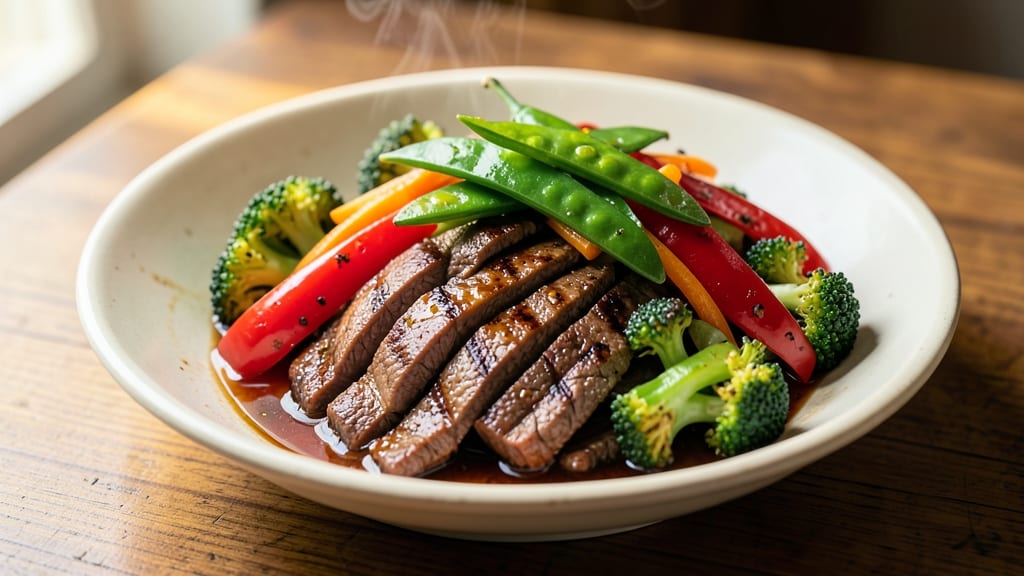
This Asian beef and vegetable stir fry delivers restaurant-quality wok-hot flavors with charred edges and tender beef in just 25 minutes. The secret lies in proper prep—marinating the beef and prepping veggies so everything cooks evenly at high heat.
I've perfected this technique after years of testing, ensuring the sauce clings perfectly without overpowering the natural flavors.
The foundation of great stir-fry is a balanced sauce—savory soy, umami oyster, and aromatic garlic-ginger combine with a touch of sweetness to create depth. What sets this apart is the charred crunch from proper wok technique: high heat, quick cooking, and constant motion to develop those signature smoky notes.
The vegetables stay crisp while the beef becomes tender yet retains its shape.
By the time you plate it, you'll have a dish that's vibrant, flavorful, and packed with texture—charred edges on the beef, crisp-tender vegetables, and a glossy sauce that ties everything together. It's the kind of meal that transforms a simple weeknight dinner into something special without requiring advanced skills.
Serve over steamed rice or noodles for the complete experience. The beauty of this recipe is its flexibility—swap vegetables based on seasonality or preference, and adjust the sauce to your taste. Let's get cooking with this foolproof stir-fry method that always delivers restaurant-quality results at home.
Ingredients for asian beef and vegetable stir fry
Restaurant-quality stir-fry hinges on these 15 ingredients—balanced sauce, precise veggie prep, and perfect beef slicing.
| Ingredient | Amount | Notes |
|---|---|---|
| Flank Steak 🥩 | 1 ½ lb | Thinly sliced against grain |
| Low-Sodium Soy Sauce 🍶 | ½ cup | Kikkoman preferred |
| Oyster Sauce 🍶 | 2 tbsp | Lee Kum Kee brand |
| Honey 🍯 | 1 tbsp | Wildflower preferred |
| Sesame Oil 🫒 | 1 tbsp | Toasted for aroma |
| Rice Vinegar 🍶 | 1 tbsp | Seasoned preferred |
| Garlic Cloves 🧄 | 6 cloves | Minced, fresh preferred |
| Fresh Ginger 🌿 | 1 tbsp | Grated, peeled |
| Bell Peppers 🌶️ | 2 whole | Red/yellow, sliced |
| Broccoli Florets 🥦 | 2 cups | Cut into bite-size |
| Snap Peas 🌱 | 1 cup | Trimmed, whole |
| Carrots 🥕 | 2 whole | Julienned, medium |
| Sesame Seeds 🌰 | 1 tbsp | Toasted for garnish |
| Neutral Oil 🫒 | 2 tbsp | Avocado or vegetable |
| Steamed Jasmine Rice 🍚 | 2 cups | Cooked, for serving |
The flank steak is non-negotiable—its lean texture holds up to high heat while delivering that signature stir-fry tenderness. Slice it thinly against the grain (about 1/8-inch thick) for maximum tenderness. I always ask the butcher to cut it thin at Whole Foods or Costco—their pre-sliced packages save time. For the sauce, Lee Kum Kee oyster sauce provides that authentic umami depth, while Kikkoman low-sodium soy sauce ensures balanced saltiness without overpowering. The honey adds just enough sweetness to cut through the savory notes, and toasted sesame oil delivers that signature aromatic punch—use sparingly, as it's potent.
No oyster sauce? Substitute with 1 tbsp hoisin plus 1 tsp fish sauce for umami, though the flavor will differ slightly. Fresh ginger is ideal, but powdered ginger at half the amount works in a pinch—just don't expect the same complexity. Bell peppers can be swapped for zucchini or mushrooms (adjust cooking time accordingly), and broccoli florets can be pre-cut from frozen (thaw and drain well). The snap peas and carrots should be crisp—overcooking turns them mushy. For extra depth, add a dash of white pepper to the sauce mixture, though it's optional. The key is balance: if your sauce tastes too sweet, add a splash more soy sauce; if it's too salty, dilute with a bit of rice vinegar.
Prep the beef and vegetables ahead to save time—store them separately in airtight containers in the fridge for up to 2 days. The sauce can be made 1 day ahead and kept in the fridge, though the sesame oil should be added fresh before cooking. Steamed jasmine rice reheats beautifully—microwave it with a splash of water for 2-3 minutes to restore moisture. For leftovers, store the stir-fry in an airtight container for 3-4 days or freeze for 2 months. Reheat gently in a skillet with a splash of water to revive crispness. Garnish with toasted sesame seeds right before serving—they add texture and aroma that reheating can't replicate.
Why You'll Love This Recipe
- One-Pan Magic: I swear by this trick—just one skillet handles everything. Sear the flank steak until it’s got that caramelized crust, then toss in the veggies and sauce without missing a beat. No pots, no pans, no stress.
- Sweet-Savory Balance: That honey and oyster sauce combo? It’s chef’s kiss—sticky, umami-rich, with just enough sweetness to cut through the soy’s saltiness. The sesame oil finish? Pure flavor payoff.
- Meal Prep MVP: Double the batch and store it for days. The steak stays tender, the veggies hold their crunch, and reheating? Microwave or pan-fresh, either way it’s a win. My lunchbox’s new best friend.
- Budget-Friendly Powerhouse: Flank steak stretches far, and the pantry staples (soy, oyster, honey) don’t break the bank. Honestly, I’ve made this for $12 and fed four people—plus leftovers for breakfast. Smart, simple, satisfying.
Step-by-step instructions for Asian beef and vegetable stir fry
Master this wok technique for restaurant-quality stir fry with perfectly charred vegetables and tender beef.
Prep Ingredients for Maximum Flavor Development
Slice the 1.5 lb flank steak thinly against the grain using a sharp knife—this ensures tender bites. Trim the 2 whole bell peppers into 1-inch strips and slice the 2 whole carrots into julienne matchsticks. Cut the 2 cups broccoli florets into bite-sized pieces and trim the 1 cup snap peas. Peel and grate the 1 tbsp fresh ginger and mince the 6 cloves garlic cloves. Toast the 1 tbsp sesame seeds in a dry skillet over medium heat for 1 minute until fragrant, then set aside.
While prepping, keep all vegetables separate to control cooking times. The broccoli and carrots need more time than the bell peppers and snap peas. I find using a cutting board with a non-slip mat prevents ingredients from sliding during chopping—especially important when working with slippery snap peas.
Build the Wok-Hot Sauce Foundation
In a small bowl, combine the 0.5 cup low-sodium soy sauce, 2 tbsp oyster sauce, 1 tbsp honey, 1 tbsp sesame oil, and 1 tbsp rice vinegar. Whisk until the honey dissolves completely—this creates a balanced sauce with sweet, salty, and tangy notes. Set aside while you prepare the wok.
Heat a 14-inch wok or large skillet over high heat until it's smoking hot. Add the 2 tbsp neutral oil and swirl to coat the entire surface. The oil should shimmer but not smoke excessively—this prevents burning while allowing proper searing. If your wok isn't hot enough, the beef will steam instead of developing that signature charred flavor.
Sear the Beef for Maximum Flavor
Working in batches if needed, add the sliced flank steak to the wok in a single layer. Let it sear undisturbed for 2-3 minutes until the edges develop a deep brown crust. This initial sear locks in juices and creates the foundation for flavor. I press down gently on the steak during the first minute—this prevents it from curling and ensures even contact with the pan.
Once the steak is browned on one side, stir and repeat on the second side for another 1-2 minutes. The beef should be 80% cooked at this stage—it will finish cooking when combined with the vegetables. Remove the beef to a plate and set aside, reserving any rendered juices in the wok.
Stir-Fry Vegetables in Stages
Add the hardest vegetables first—2 cups broccoli florets and 2 julienned carrots—to the wok. Stir-fry for 2-3 minutes until they begin to soften but still maintain some crispness. Add the 2 sliced bell peppers and 1 cup snap peas, cooking for another 2 minutes until the vegetables are bright green and slightly blistered in spots.
Here's the key: work quickly and keep the vegetables moving constantly. The goal is to achieve charred edges while keeping the centers crisp-tender. If the wok gets too crowded, cook in batches—undercooked vegetables are better than mushy ones. Return the beef to the wok and pour in the sauce, tossing everything together for 1-2 minutes until everything is evenly coated.
Finish and Serve Immediately
Remove the stir fry from heat and immediately sprinkle with the toasted sesame seeds. Serve over 2 cups steamed jasmine rice, dividing evenly among 4 servings. The dish should have a vibrant mix of colors—deep brown beef, bright green vegetables, and glossy sauce. Each bite should deliver tender beef, crisp-tender vegetables, and a balanced sweet-savory sauce with aromatic sesame notes.
For best results, serve immediately while the vegetables retain their texture. If making ahead, cook the beef and vegetables separately, then combine with the sauce just before serving. The rice can be prepared up to 2 days ahead and reheated gently in a steamer to maintain its texture.
Pro Tips For Making Asian Beef And Vegetable Stir Fry
- Slice Against the Grain: Flank steak’s fibers run long—if you cut with the grain, you’ll end up with chewy, rubbery bites. Turn the board 45 degrees and slice thinly across the grain after cooking. I used to skip this and wondered why my stir-fry tasted like shoe leather.
- Marinate for 20 Minutes Only: Longer isn’t better here. Toss the flank steak with soy sauce, honey, and a splash of sesame oil for just 20 minutes—any more and the meat turns mushy. I learned this the hard way when my "overnight marinate" came out like overcooked jerky.
- Cook Veggies in Batches: Crowding the pan steams your veggies instead of searing them. Stir-fry half the veggies first, push them to the side, and cook the rest in the same hot oil before tossing everything together. Your broccoli and bell peppers will actually stay crisp, not soggy.
- Deglaze with Oyster Sauce Last: Add the oyster sauce and honey after the beef and veggies are mostly cooked—this keeps the sauce glossy and flavorful. If you toss it in early, it’ll turn into a sticky glaze that clumps. A quick splash of water or broth at the end loosens any stuck-on bits for a silky finish.
Pro cooking tips for great asian beef and vegetable stir fry
Wok Heating Secrets
Your wok must be smoking hot before adding oil—this is non-negotiable for authentic stir-fry texture. I heat my 14-inch carbon steel wok over high heat for 2-3 minutes until it's visibly smoking. For non-wok pans, a heavy-bottomed cast iron skillet works best—avoid thin stainless steel, which can't maintain consistent heat.
The moment you add oil, it should shimmer but not burn—this creates the perfect searing surface for that signature charred flavor. 🔥
Beef Slicing Technique
Slice the flank steak against the grain at a 1/8-inch thickness for maximum tenderness. I use a sharp chef's knife and make thin, even slices—any thicker, and the beef will be chewy. For even results, freeze the steak for 20 minutes before slicing to firm it up.
Never slice with the grain, as this creates tough, stringy bites. The goal is tender yet firm beef that holds its shape during stir-frying.
Vegetable Cooking Order
Cook vegetables in three stages based on density: start with hardest veggies (carrots, broccoli) for 2-3 minutes, then add medium-firm (bell peppers) for 1-2 minutes, and finish with quick-cooking (snap peas) for 30 seconds.
Overcrowding is the enemy—keep the pan at 70% capacity to maintain high heat. I use a spatula with a flat edge to push vegetables against the hot surface for quick charring while keeping centers crisp.
Sauce Timing Trick
Add the sauce only at the very end—this prevents it from burning and ensures it coats everything evenly. I pour the sauce over the hot beef and vegetables, then immediately toss everything together for 30-60 seconds until fully combined.
For extra gloss, deglaze the wok with 1 tbsp hot water before adding the sauce to scrape up any flavorful browned bits. The sauce should be thin enough to coat but thick enough to cling to the ingredients.
High-Heat Control
Stir-frying is all about constant motion—keep everything moving with a wide spatula to prevent burning. If your pan loses heat (common with thin pans), remove it from heat for 10 seconds to recover before continuing.
I find that medium-high heat works better than full blast for most home stovetops—it gives better control while still developing those charred edges. The key is speed and heat—never let anything sit too long in the pan.
Finishing Touches
Toast the sesame seeds separately in a dry pan until fragrant—this enhances their aroma. Sprinkle them right before serving to maintain their crunch. For extra depth, add a pinch of white pepper to the sauce mixture.
The dish should be vibrant, glossy, and served immediately—stir-fry loses its magic when left to sit. Plate over steamed jasmine rice for the complete experience, with each bite delivering tender beef, crisp veggies, and balanced sauce. ✨
Nutrition facts
Frequently asked questions
Can I use a different cut of beef instead of flank steak?
Yes! Sirloin or ribeye work well—just slice them 1/8-inch thick against the grain for tenderness. Avoid chuck roast (too fatty) or round steak (too lean). For extra flavor, marinate the beef for 30-60 minutes in soy sauce, garlic, and ginger before cooking.
How do I prevent the sauce from making the vegetables soggy?
Add the sauce only at the very end when everything's nearly done. For extra crispness, cook the beef and hardest vegetables first, then set aside. Toss them back in with the sauce for just 30-60 seconds of tossing. Deglaze with 1 tbsp hot water first to scrape up flavorful browned bits—this prevents a thin, watery sauce.
What if I don't have a wok? Can I use a regular pan?
A heavy-bottomed cast iron skillet or large stainless steel pan works perfectly. The key is high heat—get your pan as hot as possible before adding oil. Work in batches if needed to avoid overcrowding, and use a wide spatula to keep everything moving constantly. Thin pans won't work—they can't maintain consistent heat for proper charring.
Can I make this stir fry ahead of time?
Cook the beef and vegetables separately, then store them in airtight containers in the fridge for 1-2 days. Reheat gently in a skillet with a splash of water, then combine with fresh sauce just before serving. For freezing, package components separately—beef and veggies freeze for 2 months, while sauce freezes for 1 month. Thaw overnight in the fridge before reheating.
How can I make this spicier?
Add 1-2 tbsp chili garlic sauce or 1 tsp sriracha to the sauce mixture. For authentic heat, stir in 1 tsp gochujang (Korean chili paste) or ½ tsp red pepper flakes with the garlic and ginger. Balance the spice with a touch more honey to prevent overpowering. Garnish with chopped scallions and a squeeze of lime for brightness.