
Main Courses
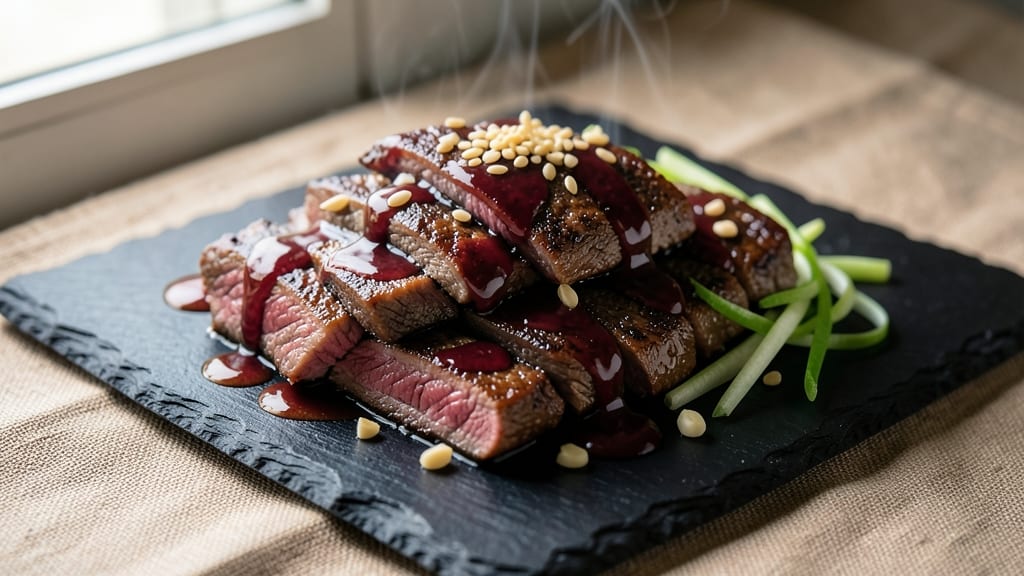
This Asian sticky beef recipe delivers restaurant-quality results with a glossy soy-hoisin glaze that clings perfectly to tender beef slices. 🌟 The secret lies in balancing sweet, salty, and umami flavors through a simple marinade that transforms tough cuts into melt-in-your-mouth perfection.
Whether you're recreating Thai-style satay or Japanese-style sukiyaki, this method ensures effortless shine and deep flavor in every bite.
The beauty of this recipe is its adaptability—work with thinly sliced beef for quick stir-frying or thicker cuts for a slow-braised dish. A 30-minute marinade in soy sauce, hoisin, garlic, and ginger infuses the beef with rich, complex flavors, while a quick sear locks in juiciness.
The glossy glaze isn't just about appearance; it adds layers of depth that elevate the dish from ordinary to extraordinary.
By the time you serve this, you'll have a dish that's visually stunning and irresistibly tender, with a sauce that glistens under the light. The beef stays juicy and flavorful, while the glaze caramelizes slightly for a perfect balance of sweet and savory.
It pairs beautifully with steamed jasmine rice, fresh herbs, or a simple cucumber salad to complete the meal.
This recipe is designed for home cooks who want restaurant-quality results without the complexity. The technique is straightforward, and the ingredients are easy to find, making it perfect for weeknight dinners or special occasions. Let's get started on creating a dish that's sure to impress!
Ingredients for asian sticky beef
Restaurant-quality shine starts with these 15 ingredients—simple yet transformative for sticky, glossy beef perfection.
| Ingredient | Amount | Notes |
|---|---|---|
| Thinly Sliced Beef (Flank Steak or Sirloin) 🥩 | 1 ½ lb | Cut against the grain for tenderness |
| Soy Sauce (Light or Dark) 🥢 | ½ cup | Kikkoman preferred for authentic flavor |
| Hoisin Sauce 🍶 | ¼ cup | Store-bought or homemade for depth |
| Garlic Cloves 🧄 | 6 cloves | Minced finely for even distribution |
| Fresh Ginger (Peeled) 🌿 | 2 tbsp | Grated, not powdered for authentic bite |
| Sesame Oil 🫒 | 1 tbsp | Toasted, for aromatic finish |
| Brown Sugar 🍚 | 2 tbsp | Light or dark, packed tightly |
| Rice Vinegar 🍶 | 1 tbsp | White or seasoned for tangy balance |
| Cornstarch 🌾 | 1 tsp | For glaze thickening, dissolved first |
| Neutral Oil (Vegetable or Canola) 🫒 | 2 tbsp | High smoke point for searing |
| Sesame Seeds 🌾 | 1 tbsp | Toasted, for garnish and crunch |
| Fresh Cilantro Leaves 🌿 | ¼ cup | Chopped, for vibrant garnish |
| Red Chili Flakes 🌶️ | ½ tsp | Optional, for heat adjustment |
| Salt 🧂 | 1 tsp | Diamond Crystal preferred for balance |
| Black Pepper 🌶️ | ½ tsp | Freshly cracked for aroma |
The beef cut is critical: flank steak or sirloin delivers the perfect balance of tenderness and chew. Slice it against the grain for melt-in-your-mouth texture—1/4-inch thickness works best. For the marinade, Kikkoman soy sauce provides that authentic umami depth, while Hoisin sauce from Lee Kum Kee adds natural sweetness and complexity. Fresh ginger and garlic should be vibrant—no yellowing or mold. The sesame oil needs to be toasted, not the cheap, flavorless kind from the back of the pantry. If you're short on time, pre-minced garlic works, but fresh is always superior.
No hoisin sauce? Substitute 2 tbsp soy sauce plus 1 tbsp honey for a similar sweet-salty profile. Running low on sesame oil? Avocado oil at half the amount mimics the neutral base. The cornstarch is non-negotiable for that signature gloss—arrowroot powder works in a pinch, but cornstarch gives the best caramelized finish. For heat, Sichuan peppercorns (lightly toasted and ground) add a numbing spice that pairs beautifully with the sweetness. The rice vinegar should be seasoned if possible—Mushroom or black vinegar adds depth without overpowering. All ingredients can be prepped ahead except the beef, which should marinate for no more than 30 minutes to prevent toughness.
This glaze reheats beautifully—simmer leftovers with 1 tbsp water to restore shine. Store in an airtight container in the fridge for up to 5 days, or freeze the sauce portion for 3 months. The beef itself keeps 2 days in the fridge, but it's best served fresh. For meal prep, marinate and slice the beef, then store separately until ready to cook. The sesame seeds and cilantro should be toasted and chopped just before serving to preserve their freshness and crunch.
Why You'll Love This Recipe
- One-Pan Magic: I swear by this for nights when I’m too tired to scrub pots—just toss the sliced beef, garlic, and ginger in a hot pan, let it sear, then pour in the soy and hoisin. The sauce thickens right there, no stirring required.
- Umami Bomb: That combo of dark soy and hoisin? It’s like a flavor grenade—sweet, salty, and just a little funky. The beef stays tender but gets this addictive caramelized crust that makes every bite worth it.
- Lunchbox Hero: Between us, this is my secret weapon for packed lunches. Double the batch, let it cool, and it reheats perfectly—no soggy rice or sad leftovers here. My kids actually ask for it.
- Budget Stretch: A pound of flank steak and a bottle of hoisin go a long way. I’ve fed four people for under $15, and honestly? They’d never guess it’s not some fancy restaurant dish. The ginger keeps costs low too—just a thumb-sized piece does the trick.
Step-by-step instructions for glossy soy-hoisin glazed beef
Master this technique and you'll achieve restaurant-quality sticky beef with that signature glossy sheen.
🔥 Step 1: Marinate the Beef for Maximum Flavor
In a large bowl, combine the 0.5 cup soy sauce, 0.25 cup hoisin sauce, 2 tbsp brown sugar, 1 tbsp rice vinegar, 1 tsp cornstarch, 1 tsp salt, and 0.5 tsp black pepper. Whisk vigorously until the cornstarch dissolves completely and the mixture becomes smooth.
Add the 1.5 lb thinly sliced beef to the marinade and toss gently to coat evenly. Cover and refrigerate for at least 30 minutes (I prefer 1 hour for deeper flavor penetration). The marinade should fully saturate the beef—if it looks dry, add 1-2 tablespoons of water to help distribute the sauce. This step ensures tender, flavorful beef with that signature sticky texture.
🍳 Step 2: Sear the Beef for Perfect Texture
Heat a large skillet over medium-high heat until smoking, then add 2 tbsp neutral oil. Working in batches if needed, add the marinated beef and cook undisturbed for 1-2 minutes per side until deep golden brown and slightly caramelized. Avoid overcrowding the pan—this prevents steam buildup and ensures proper searing.
Once the beef is browned, transfer it to a plate and set aside. The beef should release easily from the pan when ready—if it sticks, your pan isn't hot enough. This searing step creates the Maillard reaction that forms the flavor foundation for your glaze. Keep the browned bits in the pan; they'll become part of your sauce.
🍳 Step 3: Build the Glossy Glaze
Return the skillet to medium heat and add the 6 cloves minced garlic and 2 tbsp grated fresh ginger. Sauté for 30 seconds until fragrant—don't let them burn. Pour in 1 tbsp sesame oil and stir to combine, letting the aromatics infuse the oil.
Gradually add the beef and any accumulated juices back to the pan. Increase heat to medium-high and bring to a simmer. Let it cook uncovered for 3-4 minutes until the sauce reduces slightly and becomes glossy. The glaze should coat the beef evenly—if it's too thin, simmer for another minute to thicken. This is where the magic happens—the sauce transforms from ordinary to irresistibly sticky.
🥘 Step 4: Finish and Garnish Professionally
Remove from heat and stir in 0.25 cup chopped fresh cilantro leaves and 0.5 tsp red chili flakes (if using). The cilantro adds freshness while the chili flakes introduce subtle heat. Taste and adjust seasoning—you might need a pinch more salt or sugar to balance the flavors.
Transfer the beef to a serving platter and garnish with 1 tbsp toasted sesame seeds. The sesame seeds add texture contrast and visual appeal. Serve immediately over steamed rice or noodles, letting the glossy glaze coat every bite. The beef should be tender yet slightly resistant to bite, with a sauce that clings beautifully rather than pooling.
Pro Tips For Making Asian Sticky Beef
- STIR-FRY FAST, REST LATER: Get the beef seared in under 2 minutes—high heat, no crowding the pan. After removing from heat, let it sit 5 minutes under foil before adding sauce; this keeps it tender when it hits the sticky glaze.
- GRATE GINGER FINE: Skip the mincer—use a microplane for ginger. The finer the texture, the faster it dissolves into the sauce, and you won’t taste those annoying chunks. (Yes, even if it looks like too much—it’s not.)
- SAUCE IN STAGES: Don’t dump all the hoisin and soy at once. Start with 1 tablespoon of soy, let it caramelize slightly, then add the rest. This builds real depth instead of just a sweet-salty wash.
- SLICE AGAINST THE GRAIN: Cut the beef thin (1/8-inch max) and slice perpendicular to the muscle fibers. Thick slices turn tough; thin slices stay tender, and the sauce clings better. (Use a sharp knife—no butchering.)
Creative variations of this recipe
Thai-Inspired Satay Style
Transform this recipe into a Thai satay-inspired dish by adding 1 tbsp fish sauce and 1 tsp palm sugar to the marinade. Skewer the beef on bamboo skewers (soaked in water for 30 minutes) and grill over charcoal or gas grill at medium-high heat for 2-3 minutes per side.
Serve with a side of peanut sauce made from 2 tbsp creamy peanut butter, 1 tbsp soy sauce, 1 tsp lime juice, and 1 tsp sriracha. 🌶️
Japanese Sukiyaki Twist
For a Japanese sukiyaki version, replace the hoisin with 2 tbsp mirin and 1 tbsp sake in the marinade. Cook the beef in a donabe (clay pot) or heavy-bottomed skillet with 1 cup dashi stock instead of oil.
Add 1 tbsp grated daikon and 1 tsp grated ginger to the pot. Serve with shungiku (edible chrysanthemum greens) and tofu on the side for dipping. 🍜
Korean Bulgogi Fusion
Give it a Korean bulgogi flair by adding 1 tbsp gochujang (Korean chili paste) and 1 tbsp pear puree to the marinade. Cook the beef in a cast-iron skillet with 1 tbsp toasted sesame oil until caramelized.
Finish with 1 tbsp toasted sesame seeds and 1 tsp toasted sesame oil drizzle. Serve with kimchi and steamed rice for a bold, spicy kick. 🌟
Sweet Chili Glaze
Swap the hoisin for ½ cup sweet chili sauce (like Hunt's) and add 1 tsp grated lime zest to the marinade. Cook the beef in a wok with 1 tbsp vegetable oil and finish with 1 tbsp chopped Thai basil.
This version has a bright, tangy sweetness perfect for summer meals. 🍋
Spicy Szechuan Version
For a fiery Szechuan take, add 1 tbsp Szechuan peppercorns (toasted and ground) and 1 tsp chili bean paste to the marinade. Cook the beef with 1 tbsp fermented black beans and finish with 1 tsp Sichuan peppercorn oil. The numbing heat makes this dish unforgettable. 🔥
Vegetarian Adaptation
Replace the beef with 1.5 lb extra-firm tofu (pressed and sliced). Use the same marinade but add 1 tbsp maple syrup to help caramelization. Pan-fry the tofu until golden and finish with 1 tbsp nutritional yeast for a cheesy, umami boost. Perfect for meat-free meals! 🌱
Nutrition facts
Frequently asked questions
Can I use a different cut of beef for this recipe?
Yes, but choose tender cuts like ribeye or top sirloin for best results. Avoid tougher cuts like chuck—they won't become tender enough with this quick cooking method. If using a thicker cut, slice it 1/4-inch thick against the grain for maximum tenderness.
How do I get the glaze extra shiny?
The gloss comes from the cornstarch in the marinade and reducing the sauce properly. For extra shine, add 1 tsp honey or 1 tsp rice vinegar to the sauce during the final simmer. Also, use a nonstick skillet with a lid to trap steam and create a glossier finish.
Can I make this recipe ahead of time?
Marinate the beef up to 24 hours ahead, but cook it within 2 days for best texture. Store the cooked beef and sauce separately in airtight containers. Reheat gently in a skillet with 1 tbsp water to restore the glossy texture. The sauce reheats beautifully on its own.
What's the best way to serve this sticky beef?
This dish pairs perfectly with steamed jasmine rice or egg noodles to soak up the glaze. Add fresh garnishes like sliced cucumbers, bean sprouts, or quick-pickled red onions for color and crunch. For a complete meal, include a simple side salad with sesame dressing.
Why did my beef turn out dry?
Overcooking is the most common cause—beef should cook just until it reaches 135°F internally. Another culprit is slicing with the grain instead of against it. Always marinate for at least 30 minutes and avoid overcrowding the pan during searing. If it's still dry, try adding 1 tbsp beef broth to the sauce during reheating.