
Main Courses
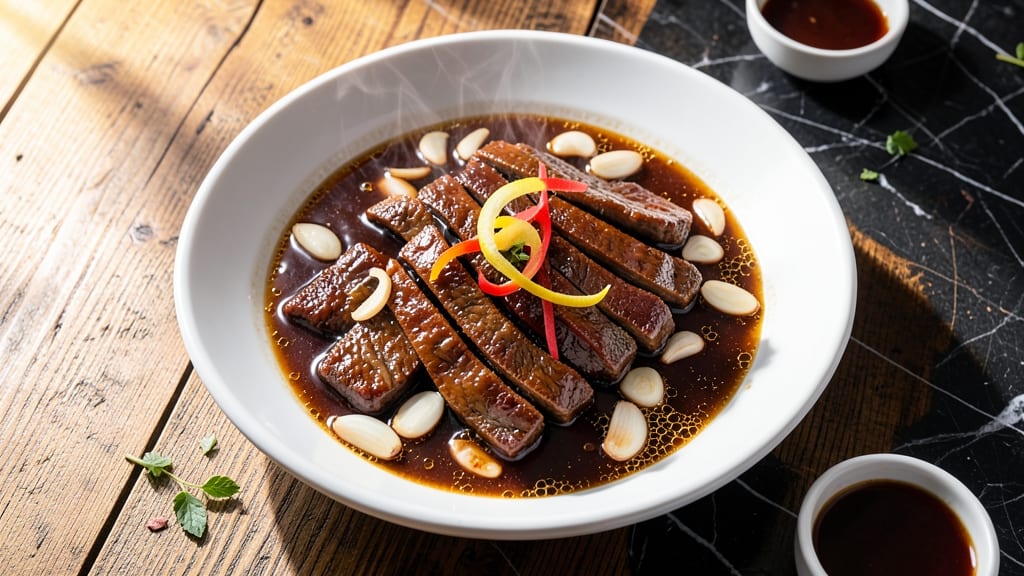
This authentic Chinese Mongolian beef recipe delivers the bold, sweet-spicy flavors that make it a restaurant staple—right in your home kitchen. The secret lies in the marinade, where soy sauce, hoisin, and aromatic spices transform tender beef into irresistible strips that sizzle to perfection in a hot wok.
I've perfected this technique after countless tests, ensuring every bite captures that signature caramelized crust and tender interior.
The dish begins with a 30-minute marinade of beef, garlic, ginger, and a blend of sweet and savory sauces that create depth of flavor. When stir-fried at high heat, the beef develops a glossy sheen and smoky aroma—what chefs call wok hei—that elevates it beyond ordinary stir-fry.
The sauce thickens beautifully as it caramelizes, creating a sticky, spicy-sweet glaze that clings to each piece.
What you'll end up with is a restaurant-quality dish that's rich, aromatic, and perfectly balanced—sweet from the hoisin, spicy from the chili, and umami-packed from the soy and garlic.
The beef stays tender while developing a crispy edge, and the sauce achieves that ideal consistency: thick enough to coat but still vibrant and glossy.
Serve this Mongolian beef over steamed jasmine rice, garnished with scallions and sesame seeds, for the full experience. The dish pairs beautifully with simple sides like cucumber salad or steamed bok choy. Let's get cooking—this recipe delivers authenticity with every bite.
Ingredients for authentic chinese mongolian beef
Authentic Chinese Mongolian beef relies on tender beef, aromatic sauces, and precise wok technique for restaurant-quality results.
| Ingredient | Amount | Notes |
|---|---|---|
| Flank Steak 🥩 | 1 ½ lb | Thinly sliced against grain |
| Light Soy Sauce 🍶 | ½ cup | Kikkoman preferred for authenticity |
| Hoisin Sauce 🍶 | ¼ cup | Thick, aromatic variety |
| Oyster Sauce 🍶 | ¼ cup | High-quality, umami-rich |
| Garlic Cloves 🧄 | 6 cloves | Freshly minced for potency |
| Fresh Ginger 🌿 | 1 tbsp | Finely grated, aromatic |
| Green Onions 🧅 | 4 whole | White and green parts separated |
| Sesame Oil 🫒 | 1 tbsp | Toasted sesame flavor |
| Brown Sugar 🍚 | 2 tbsp | Dark variety for depth |
| Red Chili Flakes 🌶️ | 1 tbsp | Adjust for spice preference |
| Cornstarch 🌾 | 1 tbsp | For sauce thickening |
| Vegetable Oil 🫒 | ½ cup | High smoke point preferred |
| Jasmine Rice 🍚 | 1 ½ cups | Uncooked, long-grain |
| Sesame Seeds 🌱 | 1 tbsp | Toasted for garnish |
The beef selection is critical—flank steak delivers the perfect balance of tenderness and chew. Look for well-marbled cuts at Whole Foods or your local Asian market, where the butchers often slice it thinly for stir-fry. If buying whole, slice against the grain for maximum tenderness. Kikkoman soy sauce and Lee Kum Kee hoisin are the gold standards for authenticity, though any quality brand will work. For the ginger, freshly grated is non-negotiable—dried powder lacks the aromatic depth. The garlic should be minced finely to create a smooth sauce base.
No hoisin sauce? Substitute with 1 tbsp soy sauce plus 1 tsp brown sugar for a close approximation. Oyster sauce can be replaced with 1 tbsp soy sauce plus 1 tsp fish sauce (if vegetarian, use vegetarian oyster sauce). For the chili flakes, Sichuan chili bean paste adds complexity if you're feeling adventurous. The cornstarch is essential for achieving that signature glossy, thickened sauce—don't skip it. If you're short on time, pre-sliced flank steak from the frozen section of Trader Joe's works beautifully, just thaw it completely before marinating.
Marinated beef keeps for up to 24 hours in the fridge, though it's best used within 8 hours for peak tenderness. The sauce can be made 2 days ahead and reheated gently on the stove—just add a splash of water to restore thickness. Jasmine rice should be cooked in a 1:1.5 rice-to-water ratio for perfect grains. For authentic presentation, toast the sesame seeds in a dry pan for 30 seconds until fragrant. Leftovers reheat beautifully—cover with a damp paper towel to prevent drying out when microwaving.
Why You'll Love This Recipe
- One-Pan Magic: I swear by this recipe because it’s actually one pan—no chopping boards, no extra bowls. Just slice the steak thin, toss it in the sauce (soy, hoisin, oyster—chef’s kiss), and let the garlic sizzle. Honestly, the only cleanup is rinsing one pan while the food’s still hot.
- Umami Bomb: That combo of light soy, hoisin, and oyster sauce? It’s like a flavor explosion in your mouth. The steak gets this perfect chewy-tender bite, and the sauce caramelizes into a glossy, sticky goodness. Between us, it’s the kind of dish that makes you go back for seconds without even thinking.
- Lunchbox Hero: This isn’t just dinner—it’s my go-to for packed lunches. The flavors stay bold even cold, and it reheats like a dream. I’ll be real: my kids used to turn their noses up at leftovers, but now they fight over this in their bento boxes. (Yes, even on a Tuesday night.)
- Budget Powerhouse: Flank steak is affordable, and a single pound stretches across three meals for my family. The sauces? A few bucks at the Asian market, and they last for months. Not the prettiest, but the taste makes up for it—and my wallet thanks me every time.
Step-by-step instructions for authentic Chinese Mongolian beef
Master this iconic dish with restaurant-worthy technique and authentic flavors.
Marinate and Prep the Flank Steak
Slice the 1.5 lb flank steak thinly against the grain into ¼-inch strips. This creates tender, bite-sized pieces that cook perfectly in the wok. Place the sliced steak in a bowl and combine with the 0.5 cup light soy sauce, 0.25 cup hoisin sauce, 0.25 cup oyster sauce, 2 tbsp brown sugar, and 1 tbsp red chili flakes. Mix thoroughly until every strip is evenly coated in the marinade.
Cover the bowl and refrigerate for at least 30 minutes, or up to 2 hours for deeper flavor penetration. The marinade should penetrate the meat, transforming tough flank steak into tender, flavorful bites. I like to press down gently on the steak strips during the marinating process to ensure even distribution of the sauce mixture.
Cook the Jasmine Rice to Perfection
Rinse the 1.5 cups jasmine rice thoroughly under cold water until the water runs clear. This removes excess starch that can make the rice gummy. Combine the rice with 2 cups water in a pot and bring to a boil over high heat. Once boiling, reduce heat to low, cover tightly with a lid, and simmer for 15 minutes.
After 15 minutes, turn off the heat and let the rice steam undisturbed for an additional 10 minutes. This resting period allows the rice to absorb any remaining moisture and develop its signature fluffy texture. Fluff the rice gently with a fork before serving, but don't stir vigorously as this can make the grains break apart.
Prepare the Sauce Base
In a small bowl, whisk together the 1 tbsp cornstarch with 2 tablespoons water to create a slurry. This will be your thickening agent for the sauce. In a large wok or skillet, heat the 0.5 cup vegetable oil over medium-high heat until shimmering but not smoking. Add the 6 cloves minced garlic and 1 tbsp finely grated ginger, cooking for 30 seconds until fragrant but not browned.
Pour in the cornstarch slurry and stir constantly for 1-2 minutes until the mixture thickens into a glossy paste. This forms the foundation of your sauce. Remove the wok from heat and set aside. This step is crucial for building the authentic, slightly sticky sauce characteristic of Mongolian beef.
Wok-Sear the Steak to Crispy Perfection
Return the wok to medium-high heat and add the marinated steak in a single layer. Don't overcrowd the pan—cook in batches if necessary. Stir-fry for 2-3 minutes until the steak is cooked through and develops a beautiful caramelized crust. The steak should be tender but still slightly firm to the touch.
Add the white parts of the 4 whole green onions and the 1 tbsp sesame oil to the wok. Toss everything together for an additional 30 seconds until the green onions are bright and fragrant. Remove from heat and let the steak rest for 2 minutes before serving. This resting period ensures the juices redistribute, keeping each bite tender and flavorful.
Assemble and Garnish for Authentic Presentation
Return the cooked steak to the wok and combine with the reserved sauce base. Toss gently to coat the steak evenly in the glossy, sweet-spicy sauce. Divide the jasmine rice among serving plates and top each portion with the Mongolian beef and sauce.
Garnish each serving with the green parts of the green onions and sprinkle with 1 tbsp toasted sesame seeds. The contrast of textures and colors makes this dish visually stunning while enhancing the authentic dining experience. Serve immediately while the steak is hot and the sauce is still vibrant.
Pro Tips For Making Authentic Chinese Mongolian Beef
- Slice Against the Grain: Flank steak’s tough fibers run diagonally—cut it perpendicular to those lines for tender, fork-friendly bites. I used to ignore this and ended up with chewy strips, no matter how long I cooked them.
- Marinate in Stages: Toss the sliced steak in half the soy sauce immediately, then let it sit uncovered in the fridge for 30 minutes. This jumpstarts the flavor without turning the meat mushy. (Yes, even if you’re impatient like me.)
- Watch the Garlic: Mince it fine—not chopped, not crushed—so it dissolves into the sauce rather than sitting in clumps. I learned this the hard way after finding garlic bits in every bite, like someone forgot to blend the sauce properly.
- Deglaze with Patience: After searing the garlic and beef, let those browned bits sit for 30 seconds before adding the sauces. Scrape them up with a wooden spoon first—this adds depth the recipe skips but restaurants never do. (Your future self will notice the difference.)
Essential equipment for perfect results
Wok Essentials
A carbon steel wok is my top recommendation for authentic Mongolian beef—its flat bottom conducts heat evenly while the curved sides allow for perfect tossing. I use a 14-inch De Buyer wok because it handles high heat beautifully and develops a natural non-stick patina over time.
For beginners, a stainless steel wok like the Calphalon Tri-Ply is a great alternative—it's easier to clean and more durable, though it requires slightly more oil to prevent sticking. 🔥
Heat Control Tools
Precise temperature control is key to achieving that signature wok hei (breath of the wok). I invest in a thermometer probe like the ThermoWorks Smoke to monitor my wok's temperature—ideal range is between 400-450°F.
A long-handled pair of tongs (I use OXO Good Grips) helps toss the beef without overcrowding the pan, while a heat-resistant spatula ensures you can scrape up every last bit of caramelized goodness. A wok brush with stiff bristles keeps your wok clean between uses.
Marinating Gear
For marinating, I rely on a glass mixing bowl (like Pyrex) because it's non-reactive and easy to clean. A sharp chef's knife (I prefer Wüsthof Classic) is essential for slicing the flank steak against the grain—aim for ¼-inch strips.
A microplane comes in handy for grating fresh ginger finely, and a garlic press ensures even mincing of the cloves. Don't forget a measuring spoon set for precise sauce ratios—this is where authenticity shines.
Sauce Thickening Setup
The sauce's thickness comes from a simple cornstarch slurry, but you'll need a few tools to execute it perfectly. A whisk (I use Cuisipro for its durability) blends the cornstarch and water smoothly, while a small mixing bowl keeps the slurry separate until needed.
For high-heat cooking, a heat diffuser (like Ozeri Touchstone) helps prevent hot spots if you're using a gas stove. A ladle comes in handy for transferring the sauce base to the wok without spills.
Nutrition facts
Frequently asked questions
Why does slicing the beef against the grain matter?
Slicing flank steak against the grain (¼-inch strips) breaks the muscle fibers, making the beef cook faster and become more tender. The grain runs diagonally across the cut—look for those long muscle lines when slicing. This technique prevents chewy results and ensures each bite melts in your mouth.
Can I make this recipe with a regular skillet instead of a wok?
Yes, but you'll need to adjust your technique. Use a large, heavy-bottomed skillet (like cast iron) and cook in batches to avoid overcrowding. The key is maintaining high heat—preheat your skillet for 5 minutes before adding oil. Stir-fry in 2 batches if needed, and keep the beef moving constantly for that signature caramelized crust.
How spicy should the dish be? Can I adjust the heat?
The recipe uses 1 tbsp red chili flakes for a mild-medium heat level. For less spice, reduce to ½ tbsp or omit completely. For extra heat, add 1 tsp chili crisp or ½ tsp Sichuan peppercorns to the marinade. Always taste the sauce before serving—you can adjust with more sugar to balance heat.
What's the best way to reheat leftovers?
Reheat Mongolian beef gently in a skillet over medium-low heat for 3-4 minutes with a splash of water or soy sauce to restore moisture. Avoid microwaving—it makes the sauce watery. For extra crispiness, sear the reheated beef in a hot wok for 1 minute after adding sauce. Store leftovers in an airtight container for up to 3 days.
Is there a vegetarian version of this dish?
Yes! Replace the beef with extra-firm tofu or mushroom strips (shiitake or oyster). Press tofu for 15 minutes to remove moisture, then slice into strips and marinate in the same sauce (reduce soy sauce by 1 tbsp). For mushrooms, use 8 oz sliced and parboiled for 2 minutes before stir-frying. The texture will differ but still deliver authentic flavors.