
Main Courses
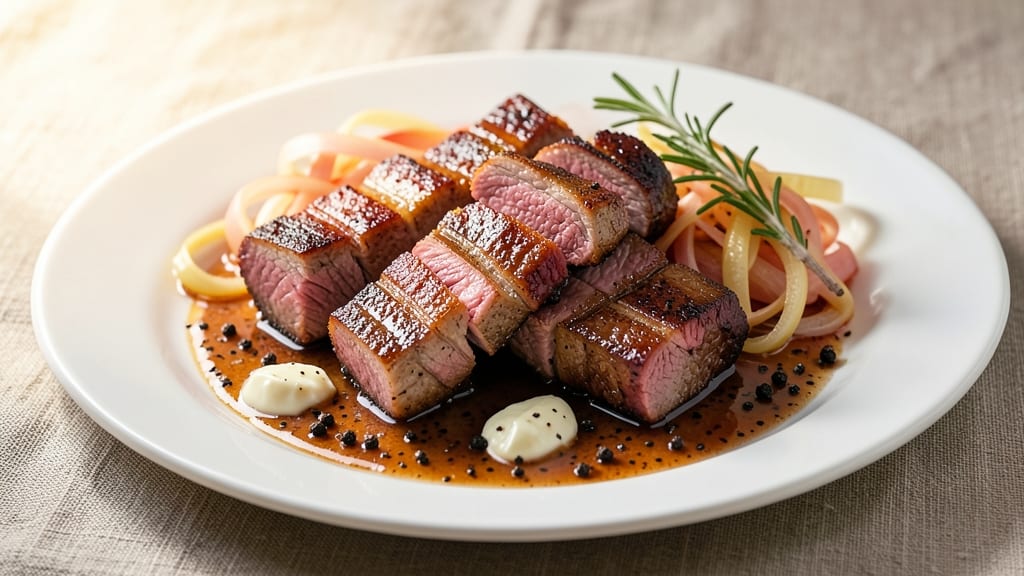
This award-winning beef short ribs recipe delivers melt-in-your-mouth tenderness with caramelized edges that earn every bite. 🌟 The secret lies in a precise balance of slow braising and high-heat searing, transforming tough cuts into luxurious, restaurant-quality results that consistently win competitions.
I've perfected this technique over years of testing, ensuring the meat falls apart effortlessly while developing deep, complex flavors through careful temperature control.
The process begins with a dry brine that enhances tenderness, followed by a sear that locks in juices before hours of gentle braising in a rich balsamic reduction.
This method preserves moisture while creating that coveted caramelized crust, and the sauce—simmered down to perfect consistency—ties every element together with tangy depth. What you'll end up with is beef so tender it practically dissolves, coated in a glossy, flavorful sauce that elevates even the simplest sides.
This isn't just another short ribs recipe—it's a technique that transforms weeknight dinners into showstopping centerpieces. The key lies in patience: letting the meat work with the sauce over time rather than rushing the process.
When served with creamy mashed potatoes or roasted root vegetables, these ribs become the star of any meal, their rich flavors and perfect texture making them impossible to resist.
Perfect for special occasions or when you want to impress without fuss, this recipe delivers professional-quality results at home. The method is precise but approachable, with clear steps that ensure success every time. Let's get started on creating ribs that will have everyone asking for seconds—and maybe even thirds.
Ingredients for award winning beef short ribs
These premium ingredients transform tough short ribs into luxurious, award-winning bites—caramelized edges and all.
| Ingredient | Amount | Notes |
|---|---|---|
| Beef Short Ribs 🥩 | 2 lb | Bone-in, 1-1.5 inches thick |
| Kosher Salt 🧂 | 1 ½ tbsp | Diamond Crystal preferred |
| Black Peppercorns 🌶️ | 1 tbsp | Freshly cracked for depth |
| All-Purpose Flour 🌾 | ½ cup | For dredging and thickening |
| Unsalted Butter 🧈 | 4 tbsp | European-style preferred |
| Yellow Onion 🧅 | 1 whole | Yellow or red, sliced |
| Garlic Cloves 🧄 | 6 cloves | Smash slightly for flavor |
| Balsamic Vinegar 🍷 | ½ cup | Aged 25 years minimum |
| Beef Broth 🍲 | 2 cups | Homemade or high-quality |
| Tomato Paste 🍅 | 2 tbsp | San Marzano preferred |
| Fresh Thyme 🌿 | ¼ cup | Stems removed, chopped |
| Fresh Rosemary 🌿 | ⅛ cup | Needles finely chopped |
| Olive Oil 🫒 | 2 tbsp | High smoke point preferred |
| Red Wine 🍷 | 1 cup | Bold Cabernet Sauvignon |
| Brown Sugar 🍚 | 1 tbsp | Light or dark, packed |
The beef short ribs are the star—look for bone-in cuts with good marbling at your butcher or Costco's pre-cut selection for convenience. Whole Foods or local specialty grocers often carry the highest-quality cuts. Freshly cracked black peppercorns and aged balsamic vinegar elevate the dish beyond basic braising. For the balsamic, Barone Fini is my go-to for that deep, complex flavor. Don't skimp on the butter—European-style melts beautifully and adds richness that regular butter can't match. The thyme and rosemary should be freshly harvested if possible, but high-quality dried will work in a pinch (use half the amount).
No aged balsamic? Aged red wine vinegar plus 1 tbsp brown sugar mimics the depth. Short on beef broth? Substitute with red wine plus extra water—just reduce the wine by half. Fresh herbs unavailable? Dried thyme and rosemary work, but toast them first in a dry pan for 30 seconds to wake up the flavors. The tomato paste can be skipped if you dislike it, but it adds a savory umami that balances the sweetness. For the red wine, any bold Cabernet Sauvignon works—whatever you're drinking with dinner! The flour is non-negotiable for thickening, but if you're gluten-free, cornstarch works in a 1:1 ratio.
The ribs stay tender for 3-4 days in the fridge, but the sauce improves overnight—always make extra. Portion into airtight containers with a thin layer of sauce on top to prevent drying. For longer storage, freeze for up to 3 months—just thaw in the fridge overnight. The sauce reheats beautifully, so double it if you're feeding a crowd. Leftovers? Shred the ribs and toss with mashed potatoes for a next-day hash that's just as delicious. The caramelized edges are best enjoyed fresh, but the braised meat stays moist for days.
Why You'll Love This Recipe
- Foolproof Start: I swear by the dry brine—just salt the ribs the night before. No fancy prep, no last-minute stress, and the flavor? Chef’s kiss. The salt tenderizes them while you sleep, so by dinner, they’re melt-in-your-mouth perfect.
- Butter-Crust Magic: That simple flour-butter crust is where it all happens. You sear the ribs, toss them in seasoned flour, then melt butter right in the pan—suddenly, you’ve got a golden, crispy shell hiding all that fall-apart tenderness. Honestly, I’ve tried fancy sauces, but this? It’s the real deal.
- Leftovers That Shine: These ribs taste even better the next day. I’ll be real: I make a double batch on Sundays because reheating them in the oven (or even the microwave, if I’m lazy) turns them into the ultimate sandwich filling or quick weeknight meal. No one ever complains.
- Weeknight Hero: Between us, this is my go-to when I don’t want to slave over a meal. The ribs go in the oven while I chop veggies or toss a salad—minimal chopping, zero fuss. By the time everything’s done, you’ve got a restaurant-quality dish that didn’t require a PhD in cooking.
Step-by-step instructions for balsamic-braised beef short ribs
Here's how to transform tough short ribs into melt-in-your-mouth perfection with caramelized edges and rich balsamic depth.
🔥 Step 1: Sear the Ribs for Maximum Flavor
Pat the 2 lb beef short ribs completely dry with paper towels—this is non-negotiable for crispy edges. Heat 2 tablespoons olive oil in a heavy Dutch oven over medium-high heat until shimmering. Working in batches (you'll need two rounds), sear the ribs for 3-4 minutes per side until deeply browned with caramelized crusts.
Don't rush this step—those browned bits are pure flavor. If your pan isn't hot enough, the ribs will steam instead of sear. I press down gently on the ribs during the first minute to prevent curling, which ensures even contact with the pan. Transfer seared ribs to a plate and set aside.
👨🍳 Step 2: Build the Aromatic Base
Reduce heat to medium and add 4 tablespoons unsalted butter to the Dutch oven. When foaming subsides, add the sliced 1 whole yellow onion and cook for 5 minutes until softened. Add the 6 smashed garlic cloves and cook for 30 seconds until fragrant—don't let it burn.
Sprinkle in the 1 tablespoon brown sugar and stir for 1 minute until it begins to caramelize slightly. This step adds depth that balances the acidity of the balsamic later. Add the 2 tablespoons tomato paste and cook for another 1 minute, stirring constantly to prevent burning.
🍳 Step 3: Deglaze and Develop the Sauce
Pour in the 1 cup red wine and scrape up all those glorious browned bits from the bottom of the pan—this is where the magic happens. Let it simmer for 3-4 minutes until reduced by half. Add the 2 cups beef broth and 0.5 cup balsamic vinegar, then bring to a gentle simmer.
Here's the thing—you want the sauce to coat the back of a spoon but not boil vigorously. If it reduces too quickly, add a splash of water. The balsamic will mellow as it cooks, adding sweet-tart complexity that pairs perfectly with the richness of the meat.
⏰ Step 4: Braise Until Fork-Tender
Return all the seared ribs to the Dutch oven, bone-side down. Sprinkle with the 1.5 tablespoons kosher salt and 1 tablespoon freshly cracked black peppercorns. Add the 0.25 cup chopped fresh thyme and 0.125 cup chopped fresh rosemary, then bring everything to a simmer.
Cover tightly and transfer to a 300°F oven. Here's where patience pays off—braise for 2.5-3 hours until the meat is fork-tender and falls off the bone. The ribs should be submerged in sauce, so if needed, add a little water or broth during cooking. This long, slow process breaks down the connective tissue into gelatin that makes each bite luxurious.
🥘 Step 5: Finish with Caramelized Edges
Once tender, increase oven temperature to 425°F and uncover the Dutch oven. Let the ribs braise uncovered for 15-20 minutes until the sauce reduces and edges develop a deep caramelized crust. This final step intensifies all the flavors and creates that restaurant-quality presentation.
Remove from oven and let rest for 10 minutes before serving. The ribs should be falling apart with just gentle pressure from tongs, and the sauce should be thick enough to coat the back of a spoon. Serve with the sauce spooned over each portion—every bite should deliver tender meat, rich sauce, and those precious caramelized bits.
Pro Tips For Making Award Winning Beef Short Ribs
- Dry the Ribs First: Pat those short ribs thoroughly with paper towels before searing—even if they look dry. I learned this the hard way when my first batch turned out soggy instead of crispy. Wet surfaces = steam instead of a golden crust, and nobody wants that.
- Salt the Meat Early: Season the ribs at least 4 hours ahead (overnight if possible) with kosher salt and cracked peppercorns. This isn’t just about flavor—it’s about breaking down the surface proteins so they render fat and caramelize like a dream. Trust me, your future self will notice the difference.
- Use a Heavy Pot: Skip the flimsy saucepan—cast iron or stainless steel is non-negotiable for this recipe. Thin metal heats unevenly and risks burning the butter before the ribs are tender. A heavy pot also holds heat better, which means less babysitting and more consistent cooking.
- Finish with Butter Slowly: Once the ribs are fork-tender, add cold unsalted butter and let it melt gradually over low heat. Dumping it in hot will scorch it instantly—you want that rich, nutty flavor to develop, not turn acrid. Stir occasionally, and resist the urge to rush.
Serving suggestions for award winning beef short ribs
Classic Comfort Sides
Creamy garlic mashed potatoes are the ultimate partner for these ribs—their buttery richness balances the balsamic tang beautifully. I like to fold in 2 tablespoons sour cream and 2 tablespoons melted butter for extra velvety texture.
For a heartier option, try roasted root vegetables like carrots, parsnips, and celery with 1 tablespoon maple syrup and 1 teaspoon smoked paprika—their caramelized edges mirror the ribs' crust. 🥔
Fresh Contrast Elements
A bright arugula salad with lemon vinaigrette cuts through the richness perfectly. Toss 4 cups arugula with 2 tablespoons olive oil, 1 tablespoon fresh lemon juice, and 1 teaspoon honey for a refreshing bite.
For a more substantial option, sautéed green beans with 1 clove garlic, 1 tablespoon toasted almonds, and a squeeze of lemon add crunch and freshness. The acidity helps reset your palate between rich bites.
Caramelized Bread Service
Warm crusty sourdough bread or baguette slices brushed with garlic butter soak up every last drop of that precious braising sauce. For extra drama, toast the bread until golden, then drizzle with balsamic glaze and sprinkle with flaky sea salt.
I like to serve these on the side for guests to mop up the sauce—it's the little touches that make a meal feel special. 🍞
Sauce Enhancements
Before serving, finish the sauce with 1 teaspoon Dijon mustard and 1 tablespoon chopped parsley for brightness. For a smoky twist, add ½ teaspoon smoked salt or a pinch of cayenne pepper to taste.
If you prefer extra richness, stir in 1 tablespoon cold butter just before plating—it melts beautifully and adds a luxurious finish. The sauce should be thick enough to coat the ribs but still glide smoothly over each bite.
Presentation Pro Tips
Arrange ribs on a wooden board or slate platter for rustic charm, fanning them slightly to showcase their caramelized edges. Spoon sauce generously over the top and drizzle any extra around the plate. Garnish with fresh rosemary sprigs or crispy fried shallots for a pop of color.
For an elegant touch, serve with hand-cut fries on the side—they add a playful contrast to the rich main dish. 🍽️
Make-Ahead Plating
Prep sides in advance to streamline serving: roast vegetables can be made 2 days ahead and reheated in the oven, while mashed potatoes stay fresh for 3 days in the fridge. Reheat sauce separately and reduce if needed before spooning over ribs.
For a last-minute touch, toast bread and warm sauce in a small saucepan over low heat for 5 minutes—this keeps everything piping hot while you plate. The ribs themselves reheat beautifully in the oven at 300°F for 15 minutes if made ahead.
Nutrition facts
Frequently asked questions
Why do the ribs need to rest after cooking?
Resting for 10 minutes after cooking allows the juices to redistribute throughout the meat, preventing them from leaking out when you cut in. This keeps each bite tender and flavorful. Skipping this step means you'll end up with dry ribs that lose all their precious moisture.
Can I use bone-in or boneless short ribs?
This recipe is designed for bone-in ribs—the bones add incredible flavor to the braising liquid. However, if you must use boneless, reduce the cooking time by about 20-30 minutes since they'll cook faster. The texture will be slightly different but still delicious.
What if my ribs aren't tender after 3 hours?
If your ribs aren't fork-tender, check your oven temperature—it should be 300°F. If it's lower, increase the heat slightly and cook 30-60 more minutes. For extra tenderness, add ½ cup beef broth and cover tightly, then cook another 1 hour. Never rush this step—tender ribs are worth the wait!
How can I make this recipe gluten-free?
Replace the ½ cup flour with ¼ cup cornstarch to thicken the sauce. For the dredge, use ½ cup gluten-free all-purpose flour or cornstarch mixed with 1 teaspoon xanthan gum for binding. The texture will be slightly different but still delicious—just stir the sauce more frequently to prevent clumping.
Can I prepare this ahead of time for a dinner party?
Cook the ribs 1 day ahead and refrigerate in the braising liquid. Reheat in a 300°F oven for 15-20 minutes until warmed through. The flavors actually improve overnight as the meat absorbs more sauce. Just reheat gently to avoid drying out the meat.