
Main Courses
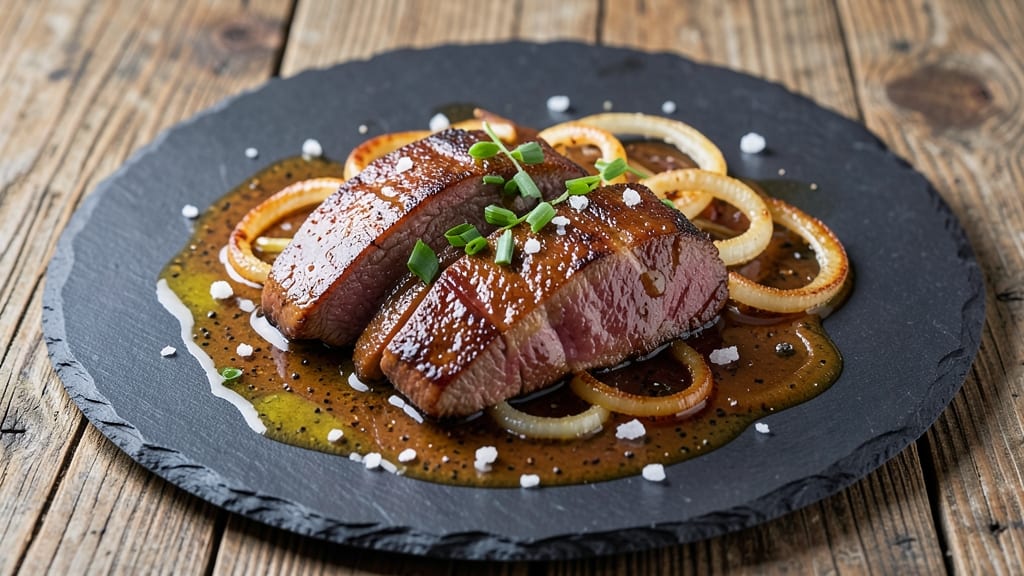
Baked beef liver and onions transforms a humble cut into a luxurious, restaurant-worthy dish with just a few simple techniques. The secret lies in pan-searing the liver first to create a rich, caramelized crust before finishing it in the oven—this method ensures tender, juicy meat with deep, savory flavors.
I’ve perfected this recipe over years of testing, balancing traditional methods with modern twists like balsamic glaze or bone marrow butter for extra richness.
What sets this recipe apart is the caramelized onions, which add sweetness and depth that complements the liver’s natural richness. The onions should be slow-cooked until golden and jammy, creating a perfect balance of textures and flavors.
This dish is ideal for special occasions or when you want to impress with minimal effort—just 20 minutes of active prep and 15 minutes of baking.
By the time it’s done, you’ll have perfectly cooked liver with a crisp exterior and tender interior, paired with sweet, caramelized onions that elevate every bite.
The dish pairs beautifully with crusty bread or roasted potatoes to soak up the delicious juices. This is comfort food at its finest—simple yet sophisticated.
The best part? Leftovers reheat beautifully, making it perfect for meal prep or hosting. Whether you’re serving it for dinner or a weekend brunch, this recipe delivers professional-quality results with ease. Let’s get started!
Ingredients for baked beef liver and onions
Pan-seared beef liver and sweet caramelized onions—just 12 ingredients for restaurant-worthy flavor.
| Ingredient | Amount | Notes |
|---|---|---|
| Beef Liver 🥩 | 1 ½ lb | Fresh, high-quality preferred |
| Yellow Onions 🧅 | 2 whole | Yellow or red, sliced thin |
| Unsalted Butter 🧈 | ½ cup | Cold, cut into pieces |
| Extra-Virgin Olive Oil 🫒 | 2 tbsp | For searing liver |
| Salt 🧂 | 1 ½ tsp | Kosher or sea salt |
| Black Pepper 🌶️ | 1 tsp | Freshly ground preferred |
| Garlic Cloves 🧄 | 4 cloves | Minced for onions |
| Balsamic Glaze 🍷 | 2 tbsp | For finishing (optional) |
| Fresh Thyme Leaves 🌿 | ¼ cup | Chopped for garnish |
| Bone Marrow Butter 🧈 | ¼ cup | Optional, for richness |
| All-Purpose Flour 🌾 | 1 tbsp | For dredging (optional) |
| Fresh Parsley 🌿 | ⅛ cup | Chopped for garnish |
The beef liver is the star, so pick the freshest cut from your butcher—it should be deep red with a rich, meaty aroma. Costco or Whole Foods usually have the best quality, but any reputable grocery store works. If you're nervous about the texture, ask for the thinnest slices possible—they'll cook faster and stay juicier. The onions? Yellow or red both work, but avoid sweet onions like Vidalia—they don't caramelize as beautifully. Slice them paper-thin for maximum sweetness. And trust me on the bone marrow butter—it takes this dish from good to next-level luxurious.
No bone marrow butter? Extra butter with a pinch of salt works just fine—it's all about that richness. Running low on fresh thyme? Dried works at half the amount, but fresh is ideal here. The balsamic glaze is optional but adds that perfect tangy finish—look for reduced balsamic vinegar in the international aisle. If you're feeling fancy, add a splash of white wine to deglaze the pan after searing. The flour dredge is purely optional but helps create that perfect crust. And if you're worried about the liver being too strong, the sweet caramelized onions balance it perfectly—no need to overthink it.
Liver cooks fast—use a meat thermometer to hit 130°F for medium-rare. Leftovers? Reheat gently in a skillet with a splash of water to keep them moist. Store in an airtight container for up to 2 days—though honestly, it's so good you'll probably eat it all at once. The caramelized onions keep for 5 days in the fridge, so make extra for sandwiches or salads. And if you're prepping ahead, sear the liver first, then finish it later—it reheats beautifully.
Why You'll Love This Recipe
- One-Pan Magic: I swear by this recipe—just slice the liver, dice the onions, toss with butter and oil, and let the oven do the work. No flipping, no frying, no mess. Honestly, it’s the kind of dish that makes me want to cook more often.
- Rich Umami Bomb: That caramelized onion butter? It’s the star. The liver stays tender while the onions turn sweet and jammy, and the olive oil keeps everything from drying out. Between us, it’s the kind of flavor that lingers—and makes you crave seconds.
- Budget Powerhouse: Liver is one of the most affordable cuts of meat, and this recipe stretches it far. I feed my whole family (plus leftovers for lunch) for less than $10. No guilt, just good food—especially when paired with crusty bread or roasted potatoes.
- Leftovers That Shine: Cold liver and onions are weirdly satisfying the next day. I’ll wrap slices in toast with a smear of mustard or toss them into a salad for a protein punch. It’s not fancy, but it’s reliable—no sad, dry reheated meat here.
Step-by-step instructions for baked beef liver and onions
Here's how to transform simple ingredients into a luxurious dish with perfectly seared liver and sweetly caramelized onions.
Prepare the Liver and Onions
Start by trimming any silver skin from the 1.5 lb beef liver and pat it completely dry with paper towels. This step is crucial—moisture on the liver will prevent proper browning. Cut the liver into 4 even portions (about ½-inch thick each) for consistent cooking. Thin slices will overcook while thick pieces stay underdone.
Peel and slice the 2 whole yellow onions into ¼-inch thick rounds. Separate the rings so they cook evenly rather than in tight clusters. The onions will caramelize beautifully while the liver sears, creating that perfect balance of sweet and savory flavors. Keep both the liver and onions at room temperature for 30 minutes before cooking to ensure even heat distribution.
Sear the Liver for Maximum Flavor
Heat a large oven-safe skillet over medium-high heat and add 2 tablespoons extra-virgin olive oil. Once the oil shimmers (about 1 minute), carefully add the liver portions in a single layer. Don't overcrowd the pan—this prevents proper searing. Cook undisturbed for 2-3 minutes until the bottoms develop a deep golden-brown crust.
Flip the liver and cook another 2-3 minutes until the second side is also browned. The liver should be medium-rare at this stage—it will finish cooking in the oven. Transfer the seared liver to a plate and set aside. The residual heat in the pan will help caramelize the onions, so don't wipe it clean.
Caramelize the Onions to Sweet Perfection
Add 0.5 cup unsalted butter to the same skillet and let it melt completely. Toss in the sliced onions and 4 minced garlic cloves, stirring to combine. Reduce heat to medium-low and let the onions cook for 15-20 minutes, stirring occasionally. You're aiming for deep golden-brown caramelization—this is where the magic happens.
After 10 minutes, sprinkle the onions with 1.5 teaspoons salt and 1 teaspoon black pepper. The onions should release their moisture and begin to soften. If they start to stick, add 1 tablespoon all-purpose flour to help thicken the juices. Once the onions are tender and deeply caramelized (with some crispy edges), remove them from the heat and set aside.
Finish in the Oven for Perfect Doneness
Preheat your oven to 375°F. Return the skillet with the caramelized onions to the oven and place the seared liver on top of the onions. The residual heat will gently cook the liver through while keeping it moist. Bake for 6-8 minutes until the liver reaches an internal temperature of 130-135°F (medium-rare).
To test doneness, use an instant-read thermometer or cut into one piece—it should be just pink in the center with no trace of red. Remove the skillet from the oven and let everything rest for 2-3 minutes. This resting period allows the juices to redistribute, ensuring a tender bite every time.
Assemble and Garnish for Restaurant-Quality Results
Transfer the liver and onions to serving plates, spooning any pan juices over the top. Drizzle with 2 tablespoons balsamic glaze for a touch of tangy sweetness. The glaze adds a beautiful contrast to the rich, caramelized flavors. Dot the top with 0.25 cup bone marrow butter (if using) for extra decadence.
Garnish with 0.25 cup chopped fresh thyme leaves and 0.125 cup chopped fresh parsley for a pop of color and freshness. Serve immediately while the liver is still warm and the onions are at their peak caramelization. This dish pairs beautifully with crusty bread to soak up every last bit of that luxurious pan sauce.
Pro Tips For Making Baked Beef Liver And Onions
- Slice Liver Thinly: I learned this the hard way—thick slices (over ½ inch) stay tough no matter how long you bake. Use a sharp knife and cut against the grain into ¼-inch pieces. They’ll cook faster and stay moist, especially if you’re baking at 375°F like most recipes.
- Salt Before Browning: The liver’s natural enzymes break down when salted too early, making it mushy. After searing in olive oil, sprinkle salt right away—this seasoning locks in flavor and prevents overcooking later. Skip the pre-salting, even if you’re impatient.
- Bake With Onions On Top: This isn’t the prettiest method, but it’s the tastiest. After searing the liver, layer sliced onions directly on top of the pan (no rearranging). The onions caramelize from the liver’s juices, adding depth without drying out. Cover loosely with foil for the first 15 minutes—steer clear of sealing it tight.
- Finish With Butter Splash: The last 2–3 minutes of baking are where magic happens. Tilt the pan and pour in 2 tablespoons of cold unsalted butter, letting it pool around the liver. The heat will turn it into a glossy sauce that clings to every bite—way better than drizzling it after. (Yes, even if you’re in a hurry to eat.)
Best sauces and condiments for this recipe
Balsamic Glaze
This tangy-sweet glaze cuts through the richness of the liver beautifully. I recommend using reduced balsamic vinegar (like Balsamic Glaze by Colavita)—it’s pre-thickened and has a deeper flavor than regular balsamic vinegar.
Drizzle 2 tablespoons over the finished dish just before serving to add a bright, fruity contrast to the caramelized onions and buttery liver. For extra depth, warm the glaze slightly before drizzling—it’ll coat the liver more evenly. 🍷
Bone Marrow Butter
This is where the dish gets luxurious. Bone marrow butter (like La Tourangelle or homemade with beef marrow and butter) adds a velvety, umami-rich finish. Spread ¼ cup in small dollops over the liver right before serving—it’ll melt into the pan juices and create a silky coating.
If you can’t find bone marrow butter, mix ¼ cup softened butter with 1 teaspoon minced fresh thyme and a pinch of salt for a close approximation. Trust me, this makes all the difference! 🧈
Mustard Cream Sauce
For a lighter, tangier option, whip up a Dijon mustard cream sauce by combining ¼ cup sour cream with 1 tablespoon Dijon mustard and a splash of lemon juice. Thin with 1 tablespoon water if needed, then drizzle over the liver and onions.
The sharpness of the mustard balances the richness, and the creaminess ties everything together. Serve immediately—this sauce doesn’t reheat well. 🌟
Red Wine Reduction
If you love bold flavors, a red wine reduction elevates this dish to restaurant level. Deglaze the pan after searing the liver with ½ cup dry red wine (like Cabernet Sauvignon), simmer until reduced by half, then stir in 1 tablespoon butter to mellow the acidity.
Spoon this glossy sauce over the liver and onions for a sophisticated touch. It’s worth the extra effort—every bite feels special! 🍷
Honey-Mustard Drizzle
For a sweeter contrast, mix 1 tablespoon honey with 1 teaspoon Dijon mustard and a pinch of salt. Warm the mixture slightly, then drizzle over the liver and onions.
The honey caramelizes slightly, adding a subtle sweetness that pairs perfectly with the savory liver. This is a crowd-pleaser, especially for those who prefer a milder flavor profile. 🍯
Nutrition facts
Frequently asked questions
Why does beef liver need to be patted completely dry before cooking?
Patting the liver dry is critical for two reasons: it prevents moisture from steaming the meat instead of searing it, and it ensures a perfect golden-brown crust. Any moisture left on the surface will create steam, which can make the liver tough rather than tender. This step is non-negotiable for that restaurant-quality texture!
Can I use frozen beef liver for this recipe?
Fresh liver is ideal, but if you must use frozen, thaw it completely in the refrigerator overnight. Never thaw at room temperature, as this can promote bacterial growth. The texture may be slightly different—frozen liver tends to be more fibrous—so pat it extra dry and cook it just until it reaches 130°F for perfect doneness.
How do I know when the liver is fully cooked?
Use a meat thermometer for accuracy—liver is safe to eat at 130-135°F (medium-rare). The center should show no trace of red or pink. If you don’t have a thermometer, cut into a piece: it should be just pink in the middle with a slightly firm texture. Overcooking makes liver tough and dry, so timing is everything!
What’s the best way to store leftovers?
Store cooked liver and onions in an airtight container in the fridge for up to 2 days. Reheat gently in a skillet over low heat with a splash of water or butter to prevent drying out. The onions keep well separately for 5 days—great for sandwiches or salads! Leftovers reheat beautifully when warmed through slowly.
Can I substitute chicken liver for beef liver?
Yes, but the cooking time and texture will differ. Chicken liver is leaner and cooks faster—aim for 120-125°F internal temp. It also has a milder flavor, so boost the seasoning with extra salt, pepper, and a pinch of smoked paprika. The caramelized onions will still complement it perfectly, but expect a slightly different eating experience.