
Soups & Stews
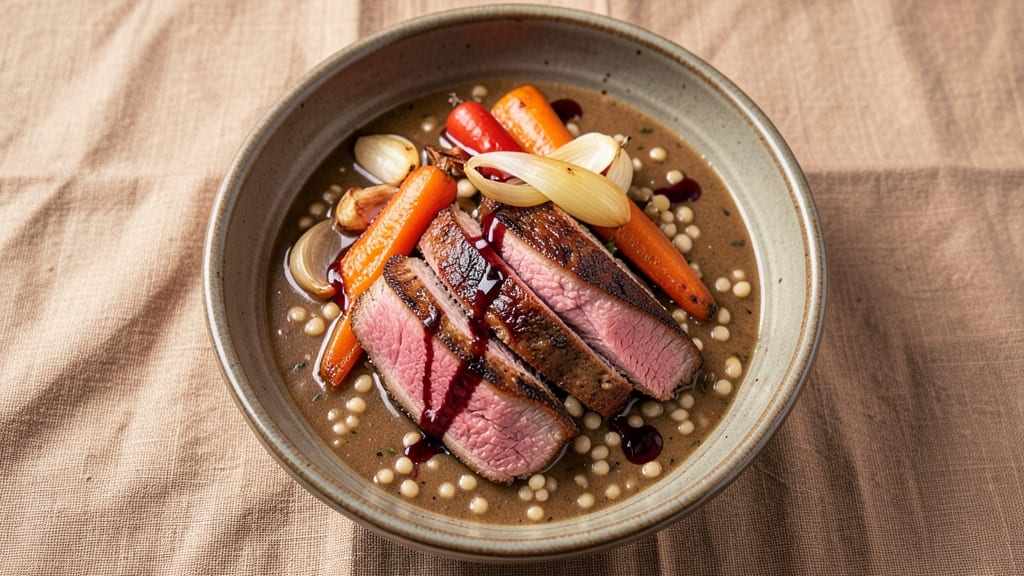
This beef and pearl barley stew recipe transforms tough cuts of beef into melt-in-your-mouth tenderness with chewy, earthy barley bites that soak up every drop of rich, caramelized broth.
The secret lies in a slow simmer that develops deep, layered flavors while the barley transforms into a satisfying texture—no mushy results here. I’ve perfected this technique over years of testing, balancing traditional braising methods with modern shortcuts to keep it approachable for home cooks.
The process starts with searing the beef to lock in juices, followed by a wine deglaze that builds complexity. Pearl barley, known for its firm bite, cooks alongside the beef, absorbing the savory broth while maintaining its shape.
This isn’t just a stew—it’s a one-pot meal that tastes even better the next day, making it ideal for meal prep or cozy weeknight dinners when you crave hearty, comforting flavors without the fuss.
What you’ll end up with is a deeply aromatic stew where tender beef and barley float in a velvety, slightly reduced broth infused with herbs and spices.
The aroma alone will fill your kitchen with warmth, while the first bite delivers a perfect balance of savory, umami, and subtle sweetness from the caramelized edges. This recipe delivers restaurant-quality depth with minimal effort—just 3 hours of hands-off cooking and 20 minutes of prep.
Serve it with crusty bread to soak up every last drop or alongside roasted vegetables for a complete meal. The beauty of this stew is its versatility—it scales perfectly for families or doubles as a freezer-friendly staple for busy nights.
Let’s get started on creating this deep-simmered classic that feels like a hug in a bowl.
Ingredients for beef and pearl barley stew
Sixteen ingredients for a stew that tastes like a hug in a bowl—tender beef and chewy barley in rich, aromatic broth.
| Ingredient | Amount | Notes |
|---|---|---|
| Chuck Roast 🥩 | 2 ½ lb | Tough cut, well-marbled for flavor |
| Pearl Barley 🌾 | 1 cup | Rinsed before cooking |
| Yellow Onion 🧅 | 1 whole | Diced, medium size |
| Carrots 🥕 | 4 medium | Peeled, cut into chunks |
| Garlic Cloves 🧄 | 4 cloves | Minced, fresh preferred |
| Red Wine 🍷 | 1 cup | Bold dry variety like Cabernet |
| Beef Broth 💧 | 4 cups | Low-sodium preferred |
| Tomato Paste 🍅 | 2 tbsp | Smooth, no sugar added |
| Fresh Thyme 🌿 | 1 tbsp | Leaves only, chopped |
| Fresh Rosemary 🌿 | 1 tbsp | Needles chopped, not stems |
| Bay Leaves 🌿 | 2 whole | Dried, standard size |
| Olive Oil 🫒 | 2 tbsp | Extra-virgin for richness |
| Salt 🧂 | 1 ½ tsp | Kosher or sea salt |
| Black Peppercorns 🌶️ | 1 tsp | Freshly cracked |
| Balsamic Vinegar 🍶 | 1 tbsp | For deglazing |
The chuck roast is non-negotiable here—its marbling melts into the broth, creating layers of flavor. Grab one from the butcher counter if possible; they’ll cut it for you. If you’re at Costco or Walmart, their pre-packaged chuck roast works fine too. Look for good marbling and avoid anything with a grayish tint. Pearl barley is the secret weapon—Bob’s Red Mill or Quaker brands are reliable. Rinse it well before cooking to remove excess starch, or it’ll turn mushy. The carrots can be baby carrots if you’re in a hurry, but organic ones from the store’s produce section have better flavor.
No red wine? Dry white wine or extra beef broth works in a pinch, though the color will be lighter. Fresh thyme and rosemary are ideal, but dried works at half the amount if that’s all you’ve got. The tomato paste can be from a squeeze tube—no need for the can. For the beef broth, Swanson or Knudsen are solid low-sodium options. If you’re feeling fancy, homemade broth takes this to the next level. The balsamic vinegar adds depth—Barilla or Balsamic Glaze from Trader Joe’s both work. Don’t skip the brown sugar in the tomato paste—it caramelizes beautifully during the simmer.
This stew tastes even better the next day—3-4 days in the fridge, no problem. For freezing, portion into airtight containers and it’ll keep for up to 3 months. The barley holds up well to reheating, but add a splash of broth if it looks dry. I always make a double batch—one for dinner, one for lunches. The flavors deepen overnight, so plan ahead if you can. Store the herbs separately if you’re prepping ahead—they’ll wilt fast, but you can add them back when reheating.
Why You'll Love This Recipe
- One-Pot Magic: Between us, I’ve made stews that require three pans and a prayer—this isn’t one of them. Chuck roast and pearl barley practically cook themselves in the same pot, while you chop onions and stir maybe twice. Honestly, the only multitasking required is keeping the kids from stealing the carrots before they soften.
- Deep, Savory Payoff: That first bite? Rich, tender beef falling apart with barley so chewy it’s almost al dente—like a hug in a bowl. The garlic and onions caramelize into something sweet and sticky, while the chuck roast turns impossibly tender. (Yes, even on a Tuesday night.)
- Leftovers That Beg for More: I make this on Sundays because by Wednesday, I’m begging for seconds. The flavors only get better as it sits, and reheating? Just add a splash of water, cover, and let it simmer. My freezer’s packed with portions because this stew is that good—no sad, dry reheats here.
- Budget-Friendly Powerhouse: Chuck roast is cheap, barley lasts forever, and onions/garlic/carrots? You’re probably already buying them. I feed four people for under $15, and the leftovers stretch into lunches for days. Plus, it’s the kind of meal that makes you feel fancy without breaking the bank.
Step-by-step instructions for beef and pearl barley stew
Here's how to build a stew that transforms tough beef into melt-in-your-mouth tenderness while developing deep, earthy barley flavors.
Sear the Chuck Roast for Maximum Flavor
Pat the chuck roast dry with paper towels and season generously with 1.5 teaspoons salt and 1 teaspoon freshly cracked black peppercorns. Heat 2 tablespoons olive oil in a heavy Dutch oven over medium-high heat until shimmering. Place the roast in the pot and sear for 4-5 minutes per side until deeply browned—this creates the flavor foundation for your stew.
Here's the thing—don't rush this step. You want that beautiful crust that will dissolve into the stew later. If the pan gets too crowded, work in batches. Once browned, remove the roast and set it aside on a plate. The residual heat will keep it warm while you build the stew base.
Build the Flavor Base with Aromatics and Wine
In the same Dutch oven, add 1 whole diced yellow onion and 4 medium carrots cut into chunks. Cook for 5-6 minutes until the vegetables begin to soften and release their sweetness. Add 4 minced garlic cloves and cook for 30 seconds until fragrant—this prevents the garlic from burning, which would make the stew bitter.
Stir in 2 tablespoons tomato paste and cook for 1 minute until it darkens slightly. Then pour in 1 cup red wine, scraping up all the browned bits from the bottom of the pot with a wooden spoon. This deglazing step captures all the meaty flavors you worked so hard to create. Let the wine simmer for 3-4 minutes until reduced by half.
Develop the Stew with Herbs and Liquid
Add 1 cup rinsed pearl barley, 4 cups beef broth, 2 whole bay leaves, 1 tablespoon chopped fresh thyme leaves, and 1 tablespoon chopped fresh rosemary needles to the pot. Return the chuck roast to the Dutch oven, making sure it's fully submerged in the liquid. The barley should be covered by at least 1 inch of liquid.
Bring the stew to a gentle simmer over medium heat, then reduce heat to low. Here's where the magic happens: cover the pot and let it cook for 2 hours. You'll know it's ready when the beef is fork-tender and the barley has absorbed most of the liquid but still has a slight bite. The stew should be thick enough to coat the back of a spoon.
Finish with Balsamic and Rest for Depth
After the initial 2 hours, stir in 1 tablespoon balsamic vinegar. This adds a touch of complexity and helps balance the richness. Let the stew simmer uncovered for an additional 15-20 minutes to allow any remaining liquid to reduce and the flavors to meld together. The barley should be tender but still hold its shape slightly.
Once finished, remove the bay leaves and let the stew rest for 10 minutes before serving. This resting period allows the flavors to fully develop and the barley to absorb any remaining juices. The stew should be thick, flavorful, and have that perfect balance of tender beef, hearty barley, and rich broth.
Pro Tips For Making Beef And Pearl Barley Stew
- Sear the Chuck Hard: I learned this the hard way—skipping the deep sear means flavor gets lost in the broth. Use a heavy pot on medium-high heat, break the roast into rough chunks, and let them sit undisturbed for 4-5 minutes per side until the edges turn dark brown. That crust locks in juices and builds depth that simmering alone won’t match.
- Soak the Barley First: Pearl barley swells up like a sponge if you don’t rinse and soak it for 20 minutes before adding to the pot. I used to skip this and end up with gritty, uneven texture—now I just drain and add it straight to the broth. Trust me, your stew will feel lighter and cook more evenly.
- Don’t Crowd the Pot: After searing, resist the urge to dump everything in at once. Cook the onions and carrots in batches if needed, or even start them in a separate pan. Crowding steams instead of caramelizes, and you’ll end up with mushy veggies instead of sweet, tender chunks that hold their shape.
- Deglaze with Red Wine: Sounds weird, but it works: after searing the beef, splash in ½ cup of dry red wine (or even a splash of vinegar in a pinch) and scrape the browned bits off the bottom. That’s where half the flavor lives—ignoring it means missing out on rich, umami depth that’ll make your stew taste restaurant-worthy.
Perfect pairings for this beef and pearl barley stew
Crusty Bread Essentials
Nothing complements this stew like warm, crusty bread to soak up every last drop of that rich, herby broth. I recommend a baguette-style loaf from your local bakery—look for one with a crisp exterior and soft, airy interior.
If you're feeling ambitious, try making no-knead bread a day ahead; it's perfect for this dish. For a shortcut, sourdough or ciabatta from Trader Joe's or Whole Foods work beautifully. 🥖
Pro tip: Toast the bread lightly before serving to enhance its texture. If you're making it ahead, store the bread in a paper bag at room temperature for up to 2 days, or freeze it for longer storage. Just
Roasted Vegetable Medley
Add a vibrant contrast to the hearty stew with a medley of roasted vegetables. I love carrots, parsnips, and Brussels sprouts tossed in 1 tbsp olive oil, ½ tsp salt, and ¼ tsp black pepper, then roasted at 400°F for 25-30 minutes until caramelized. The natural sweetness of the vegetables balances the savory stew beautifully. For a quicker option, sautéed green beans with garlic and lemon zest add freshness and brightness. 🥕
If you're serving this stew in colder months, consider adding roasted butternut squash or sweet potatoes—their creamy texture pairs wonderfully with the barley. For extra flavor, sprinkle the roasted vegetables with fresh thyme or a pinch of smoked paprika before serving.
This not only enhances the presentation but also adds another layer of depth to your meal.
Cheese and Herb Garnishes
Elevate your stew with a simple yet elegant garnish that adds texture and freshness. A sprinkle of crumbled feta cheese or shaved Parmesan on top adds a salty, umami kick that cuts through the richness.
For a lighter option, fresh parsley or chives chopped finely over the top provide a bright, herbaceous finish. I also love adding a drizzle of extra-virgin olive oil just before serving—it enhances the flavors and gives the dish a beautiful sheen. 🧀
If you're feeling adventurous, try a herb butter garnish by mixing 2 tbsp softened butter with 1 tbsp chopped parsley, 1 tsp chopped chives, and a pinch of salt.
Dollop small spoonfuls on top of the stew right before serving. This not only adds a luxurious touch but also lets everyone customize their portion to their taste.
Wine and Beer Pairings
This stew's rich, wine-infused flavors call for a bold red wine that can stand up to its depth. A Cabernet Sauvignon or Syrah from Napa Valley or the Rhône Valley complements the stew beautifully, with their dark fruit notes and earthy undertones.
For a lighter option, a Merlot with its softer tannins works wonderfully, especially if you prefer a smoother drinking experience. 🍷
If you're more of a beer drinker, a dark ale or porter pairs surprisingly well with the stew. Look for a Belgian-style dubbel or a stout with notes of caramel and chocolate—these complement the barley and beef without overpowering the dish.
For a refreshing contrast, a crisp lager like Peroni can cleanse your palate between bites, balancing the richness of the stew.
Nutrition facts
Frequently asked questions
Why does pearl barley need rinsing before cooking?
Rinsing removes excess starch that can make the barley gummy when cooked. Pearl barley absorbs liquid beautifully, but too much starch creates a gluey texture. Just rinse it under cold water in a fine-mesh strainer before adding to the stew—this keeps those perfect chewy bites intact while letting it soak up all the rich beef flavors.
Can I substitute chuck roast with another cut of beef?
Yes, but with adjustments! Brisket or short ribs work well—they're flavorful and hold up to long cooking. For leaner cuts like sirloin, sear them first to prevent dryness, then add them later in the cooking process (after 1 hour of simmering). Avoid tender cuts like filet mignon—they'll turn to mush.
How do I fix mushy pearl barley in my stew?
If your barley turned mushy, it likely cooked too long or had too much liquid. For immediate fixes, stir in 1-2 tablespoons tomato paste to thicken the broth, or let it simmer uncovered for 10-15 minutes to reduce excess liquid. For future batches, reduce broth by ½ cup or cook the barley separately for 20 minutes before adding to the stew.
Can I make this stew in an Instant Pot?
Sear the beef first, then add all ingredients except the balsamic vinegar. Cook on high pressure for 35 minutes, then natural release for 10 minutes. Stir in the balsamic at the end. The barley will be slightly firmer than stovetop—adjust cooking time by 5 minutes if needed. The Instant Pot version is ready in just 45 minutes total!
What's the best way to reheat leftover stew?
Gently reheat on the stovetop over low heat with a splash of broth or water to prevent drying. Microwave reheating works too—cover with a damp paper towel and heat in 1-minute intervals, stirring between each. For extra flavor, add a pinch of fresh thyme or rosemary while reheating. Never reheat directly from the fridge without warming through!