
Soups & Stews
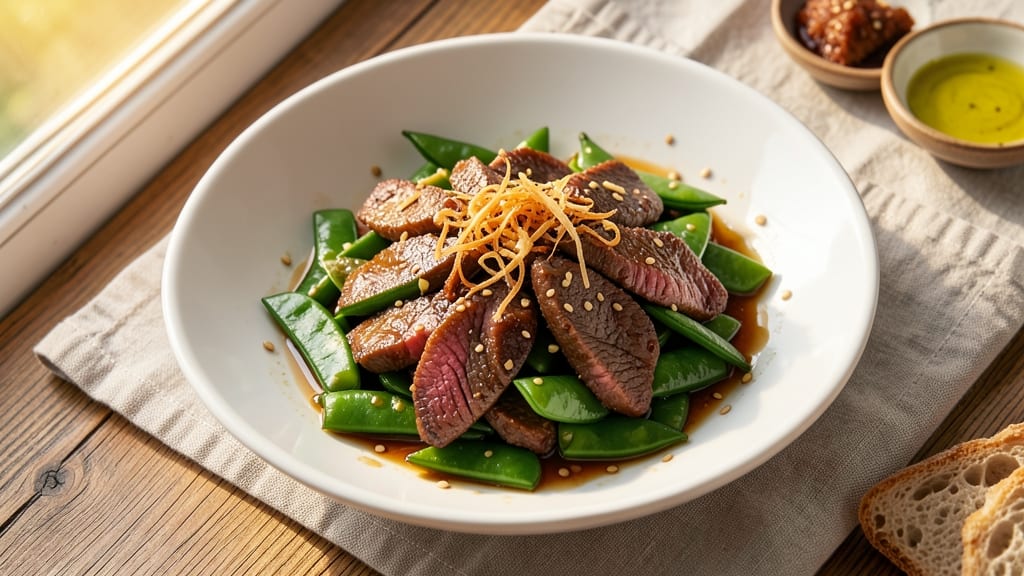
This beef and snap peas recipe delivers a restaurant-quality stir-fry in just 20 minutes—crisp-tender vegetables and perfectly seared beef that balance sweetness and savory depth. The secret lies in high-heat cooking and a simple marinade that transforms tough cuts into melt-in-your-mouth bites.
I developed this dish after realizing how often snap peas get overcooked, losing their signature crunch, so I perfected a method that keeps them vibrant while the beef develops rich, caramelized edges.
The foundation starts with thinly sliced beef—flank or sirloin work best—marinated in a blend of soy sauce, garlic, and ginger for just 15 minutes before cooking.
Snap peas get a quick blanch in boiling water to soften slightly without losing texture, then join the beef in the pan for the final 3 minutes of cooking. This timing ensures the vegetables stay crisp while the beef reaches perfect doneness.
The result is a dish that's both elegant and effortless, with flavors that sing without overwhelming the natural sweetness of the peas.
What makes this recipe truly special is how it transforms simple ingredients into something extraordinary. The beef develops a satisfying chew while absorbing the marinade's flavors, and the snap peas maintain their bright green color and satisfying crunch.
Serve over steamed jasmine rice or noodles to soak up every bit of the savory sauce, or pair with a side of sesame-garlic green beans for a complete meal.
The technique is straightforward, but the results are anything but basic—this is the kind of dish that makes weeknight dinners feel like a special occasion.
For those short on time, this recipe is designed to be flexible. Swap in broccoli or bell peppers if snap peas aren’t available, or adjust the marinade to suit your taste—more honey for sweetness, a dash of chili flakes for heat.
The method scales easily too, so it’s perfect for feeding a crowd or meal prepping for the week. Let’s get cooking—this stir-fry is the kind of meal that disappears faster than you can say "second helping."
Ingredients for beef and snap peas
Simple ingredients transform into a restaurant-worthy stir-fry in under 20 minutes.
| Ingredient | Amount | Notes |
|---|---|---|
| Flank Steak 🥩 | 1 lb | Thinly sliced against grain |
| Snap Peas 🥦 | 2 cups | Fresh or frozen, trimmed |
| Low-Sodium Soy Sauce 🍶 | ⅓ cup | For authentic umami flavor |
| Garlic Cloves 🧄 | 4 cloves | Minced for intense aroma |
| Fresh Ginger 🌿 | 1 tbsp | Grated, for zesty kick |
| Honey 🍯 | 1 tbsp | For natural sweetness |
| Sesame Oil 🫒 | 1 tbsp | Toasted for nutty aroma |
| Vegetable Oil 🫒 | 2 tbsp | High smoke point for searing |
| Cornstarch 🌾 | 1 tbsp | For tenderizing beef |
| Jasmine Rice 🍚 | 1 cup | Uncooked, for serving |
| Red Chili Flakes 🌶️ | ½ tsp | Optional for heat |
| Sesame Seeds 🌱 | 1 tsp | Toasted for garnish |
| Green Onions 🧅 | 2 whole | Sliced, for fresh finish |
| Salt 🧂 | 1 tsp | Kosher preferred |
| Black Pepper 🌶️ | ½ tsp | Freshly cracked |
The beef is where this dish shines—flank steak delivers the perfect balance of tenderness and chew. Look for cuts with good marbling at Whole Foods or your local butcher; pre-sliced flank steak from Costco works in a pinch. Slice it thinly against the grain (about 1/4-inch thick) to ensure it cooks evenly. If you're short on time, Trader Joe's carries pre-sliced flank steak that's perfect for this recipe. The snap peas? Bright green and crisp is the goal—frozen works just as well as fresh, but trim any woody ends before using.
No soy sauce? Coconut aminos or tamari (gluten-free soy) make great substitutes. Fresh ginger too pricey? Ground ginger at half the amount works, but toasted sesame oil can't be skipped—it's the aromatic backbone of this dish. The honey adds just enough sweetness to balance the savory flavors, but maple syrup works in a pinch. For extra heat, add red pepper flakes to taste. The cornstarch isn't just for thickening—it helps tenderize the beef during the marinade, so don't skip it.
Prep the rice first—it takes the longest. Store any leftover beef and veggies in airtight containers for up to 3 days in the fridge, though it reheats best when fresh. For meal prep, divide the rice and stir-fry into separate containers to keep everything crisp. Garnish with toasted sesame seeds right before serving—those little crunchy bits make all the difference. This dish reheats beautifully too, so double the batch for lunches all week.
Why You'll Love This Recipe
- One-Pan Magic: I swear by this recipe when I’m too tired to wash extra dishes. The flank steak and snap peas hit the same pan—no fuss, no stress—just sear, stir, and simmer while I chop veggies for the side.
- Umami Bomb: That low-sodium soy sauce and fresh ginger? Chef’s kiss. The beef stays tender but packs a punch, and the snap peas stay crisp—like a restaurant-quality stir-fry without the pretension.
- Lunchbox Hero: Between us, this is my go-to for meal prep. Toss the cooled beef and snap peas into bento boxes with rice, and suddenly you’ve got a lunch that feels gourmet but costs next to nothing.
- Budget Flex: Flank steak stretches further than you’d think, and snap peas are cheaper than their fancier green counterparts. Honestly, it’s the kind of dish that makes me feel like I’m treating myself without breaking the bank.
Step-by-step instructions for quick beef and snap peas stir-fry
Here's how to create a restaurant-quality stir-fry in under 30 minutes—crisp-tender veggies and perfectly seared beef every time.
Prep the Flank Steak for Maximum Tenderness
Slice the 1 lb flank steak thinly against the grain into ¼-inch strips—this ensures each bite will be fork-tender. Place the sliced steak in a bowl and sprinkle with 1 tbsp cornstarch and 1 tsp salt. Toss gently to coat evenly, then let it sit for 10 minutes. This step is non-negotiable: the cornstarch creates a delicate crust that locks in juices while the salt begins to break down the meat fibers.
While the steak marinates, trim the 2 cups snap peas if using fresh, removing any tough stems. For frozen peas, give them a quick rinse under cold water to remove excess ice crystals. Mince the 4 cloves garlic cloves finely—you want them almost paste-like for even distribution. Grate the 1 tbsp fresh ginger using the fine side of a box grater or microplane. Here's the thing—fresh ginger adds a bright, zesty kick that frozen can't replicate, so don't skip this step.
Cook the Jasmine Rice to Perfect Texture
Rinse the 1 cup jasmine rice thoroughly under cold water until the water runs clear—this removes excess starch that can make the rice gummy. Cook the rice according to package instructions, but use 1 cup water instead of the recommended amount for slightly firmer grains that won't turn mushy when mixed with the stir-fry. While it cooks, toast the 1 tsp sesame seeds in a dry skillet over medium heat for 1-2 minutes until fragrant and golden. Set aside for garnish.
Here's my pro tip: Start the rice cooking first—it takes the longest and you don't want to be rushing it while the stir-fry cooks. The rice should be just tender when done, not fully cooked through. You'll finish cooking it in the residual heat of the stir-fry pan later, which gives it that perfect steamed texture.
Sear the Beef to Juicy Perfection
Heat 2 tbsp vegetable oil in a wok or large skillet over high heat until shimmering. Add the cornstarch-coated steak in a single layer and let it sear undisturbed for 1-2 minutes until the edges turn deep golden brown. This is where the magic happens—the high heat creates a caramelized crust that seals in all those juices. Don't crowd the pan or the temperature will drop and you'll end up with steamed beef instead of seared.
Once the steak is browned on one side, push it to one side of the pan and add 1 tbsp sesame oil along with the minced garlic and grated ginger. Stir for 30 seconds until fragrant—you should smell that pungent garlic aroma filling your kitchen. Add the 0.33 cup low-sodium soy sauce and 1 tbsp honey, then immediately toss the steak to coat evenly. Cook for another 1-2 minutes until the sauce begins to thicken slightly. The steak should be 80% cooked at this point—it'll finish in the wok with the veggies.
Stir-Fry the Snap Peas to Crisp-Tenderness
Add the 2 cups snap peas to the pan and stir-fry for 2-3 minutes over high heat until they turn bright green and just begin to blanch at the edges. Here's the critical checkpoint: they should still have a slight bite—you're aiming for crisp-tender, not mushy. If your pan isn't hot enough, the peas will steam instead of sear, and you'll lose that fresh, vibrant texture.
Sprinkle with 0.5 tsp red chili flakes (if using) and 0.5 tsp black pepper, then toss everything together for another 30 seconds to combine. The residual heat from the pan will finish cooking the steak while the peas absorb all those delicious flavors. Taste a piece of steak—it should be tender but still slightly resistant to the bite, with a beautiful caramelized exterior.
Finish and Serve Immediately
Remove the pan from heat and transfer the beef and snap peas mixture to a serving bowl. Slice the 2 whole green onions into ¼-inch rounds and sprinkle over the top along with the toasted sesame seeds. Serve the stir-fry immediately over the jasmine rice, spooning any accumulated sauce from the pan over the top. The contrast of warm rice with the vibrant stir-fry creates the perfect balance of textures and temperatures.
Each bite should deliver tender beef with a slight chew, crisp-tender snap peas, and a glossy sauce that's perfectly balanced between salty, sweet, and umami. Don't let it sit—this dish is best enjoyed immediately while everything is hot and the flavors are at their peak. Garnish with extra green onions if you're feeling fancy, and serve with steamed bok choy or a simple cucumber salad for a complete meal.
Pro Tips For Making Beef And Snap Peas
- Sear the Steak First: Flank steak stays tough if it hits the pan lukewarm—pat it bone-dry with paper towels, then sear over high heat for 3-4 minutes per side until deeply browned. That crust locks in juices and makes the soy sauce cling better later.
- Blanch the Snap Peas: Toss snap peas in boiling water for 30 seconds, then shock in ice water—this stops cooking and keeps them crisp. Overcooked peas turn mushy, and nobody wants sad, limp greens in their stir-fry.
- Slice Against the Grain: Cut the flank steak perpendicular to the grain after resting, not parallel—thin, tender slices are the difference between a chewy bite and melt-in-your-mouth perfection. A sharp knife makes this easier (and safer).
- Use Minced Ginger, Not Grated: Fresh ginger loses its punch when grated—rub it against a microplane or finely mince with a knife for maximum zing. A teaspoon of this concentrated flavor will outshine pre-grated powder every time.
Flavor customization for beef and snap peas
Sweet & Savory Balance
Adjust the honey-to-soy ratio to suit your taste—try 1 tbsp honey with 0.33 cup soy sauce for classic balance, or swap to 2 tbsp maple syrup for deeper caramel notes. For extra depth, add ½ tsp fish sauce (like Red Boat) to amplify umami without overpowering. 🍯
Spicy Kick Variations
For heat lovers, add 1 tsp gochujang (Korean chili paste) to the marinade for smoky spice, or toss in 1 sliced Thai chili with the snap peas. If you prefer milder heat, reduce chili flakes to ¼ tsp and add ½ tsp smoked paprika for warmth without bite.
Umami Boosters
Swap soy sauce for coconut aminos (gluten-free) or miso paste (1 tbsp) for richer depth. For extra umami, add 1 tsp oyster sauce (like Lee Kum Kee) to the stir-fry during the final 30 seconds of cooking. The key is balancing these with the natural sweetness of the snap peas.
Herb & Aroma Infusions
Brighten the dish with 1 tbsp fresh cilantro or Thai basil—toss it in during the last 1 minute of cooking. For earthy notes, add ½ tsp toasted cumin seeds (toasted in the pan with the beef). These herbs elevate the dish without overpowering the beef’s caramelized crust.
Texture Contrasts
Add ¼ cup toasted cashews or peanuts for crunch, or fold in 2 tbsp shredded coconut (toasted in the pan) for tropical flair. For a creamy element, stir in 1 tbsp hoisin sauce with the snap peas—it adds silkiness while keeping the dish light. 🥜
Global Twists
Transform this into a Thai-inspired version by adding 1 tbsp curry paste (like Maesri) and a splash of lime juice. For a Korean-style twist, swap soy sauce for gochujang and top with kimchi** and sesame seeds. Each variation keeps the core technique intact while offering bold new flavors.
Nutrition facts
Frequently asked questions
Can I use frozen snap peas instead of fresh?
Frozen snap peas work perfectly—just rinse them under cold water first to remove excess ice crystals. They'll thaw quickly during stir-frying and maintain their bright green color. The texture difference is minimal when cooked properly over high heat for just 2-3 minutes.
What's the best cut of beef for this recipe?
Flank steak or sirloin work best because they're tender when sliced thinly against the grain. Look for cuts with good marbling for extra flavor. Pre-sliced flank steak from stores like Costco or Trader Joe's saves prep time—just check the thickness is about ¼-inch for even cooking.
Why does the recipe say to cook the rice separately?
The rice needs to cook fully on its own first because stir-frying happens so quickly. Starting it early ensures perfect texture—just tender, not mushy. The residual heat from the stir-fry pan later gives it that ideal steamed finish. Pro tip: Use 1 cup water for 1 cup rice to keep it firm.
How do I prevent the beef from getting chewy?
Slice the beef thinly against the grain and marinate with cornstarch for 10 minutes before cooking. High heat and quick cooking (3-4 minutes total) are key—don't overcrowd the pan or the temperature will drop. The cornstarch creates a tenderizing crust while sealing in juices.
Can I make this recipe ahead of time?
Store cooked components separately in airtight containers for up to 3 days, but reheat only the beef and veggies—rice reheats best fresh. For meal prep, divide everything into portions and reheat in a skillet over medium heat for 2-3 minutes. The snap peas will lose some crispness but remain flavorful.