
Soups & Stews
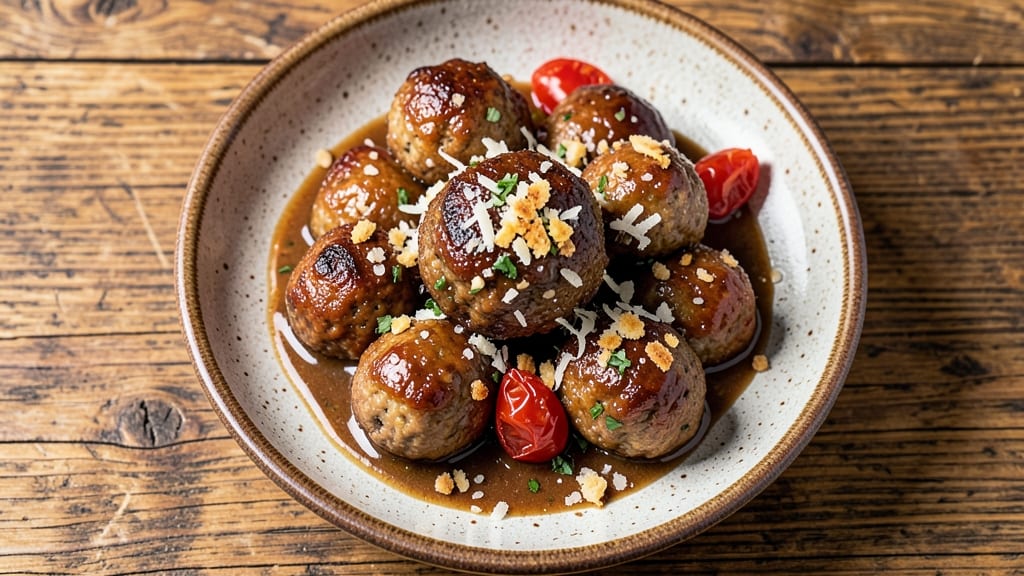
This beef and veal meatball recipe delivers restaurant-quality bites with a parmesan-crusted exterior and tender, juicy centers—all in just 25 minutes. The secret lies in blending rich veal with beef for unmatched flavor, while a crispy breadcrumb-parmesan coating transforms these into irresistible appetizers or main dishes.
I developed this technique after years of perfecting the balance between texture and seasoning, ensuring every bite is both satisfying and elegant.
The beauty of this recipe is its versatility—whether you serve them as an appetizer with marinara, a hearty main course over pasta, or alongside roasted vegetables for a complete meal.
The meatballs stay perfectly tender thanks to a precise ratio of ground beef to veal, while the parmesan crust adds a savory crunch that disappears with each bite. No special equipment is needed, just a few simple ingredients and a hot skillet.
What sets these meatballs apart is their ability to elevate any dish without overpowering it. The combination of ground beef and veal creates a depth of flavor that’s hard to match, while the parmesan crust adds a touch of sophistication.
They’re ideal for gatherings, weeknight dinners, or even meal prep—just reheat and enjoy. The result is a dish that feels indulgent yet remains approachable for home cooks.
Pair them with a classic marinara sauce for a comforting meal, toss them into a creamy polenta dish, or serve them as part of a charcuterie board. The possibilities are endless, but the execution is straightforward—just follow the steps, and you’ll have perfectly golden, flavorful meatballs ready in no time.
Let’s get started on creating these crowd-pleasing bites.
Ingredients for beef and veal meatball
Rich ground beef and veal blend with crispy parmesan crust for restaurant-quality meatballs in minutes.
| Ingredient | Amount | Notes |
|---|---|---|
| Ground Beef (80/20) 🥩 | 1 lb | 80% lean, 20% fat for juiciness |
| Ground Veal 🥩 | ½ lb | Freshly ground for optimal texture |
| Parmesan Cheese 🧀 | ½ cup | Freshly grated, fine texture preferred |
| Italian Breadcrumbs 🍞 | ¾ cup | Panko-style for extra crispiness |
| Large Eggs 🥚 | 1 whole | Room temperature for even binding |
| Garlic Cloves 🧄 | 4 cloves | Minced, for aromatic depth |
| Shallots 🧅 | 2 whole | Finely minced, for subtle sweetness |
| Fresh Parsley 🌿 | ¼ cup | Chopped, for vibrant freshness |
| Extra-Virgin Olive Oil 🫒 | 1 tbsp | For cooking, high-quality preferred |
| Diamond Crystal Kosher Salt 🧂 | 1 tsp | For seasoning, fine grain preferred |
| Freshly Ground Black Pepper 🌶️ | ½ tsp | For seasoning, freshly ground |
| Dried Oregano 🍃 | ½ tsp | For earthy depth, Mediterranean blend |
| Vegetable Oil 🫒 | ¼ cup | For frying, high smoke point |
The quality of your ground meats makes all the difference here. Butcher shops often carry freshly ground cuts with better marbling than supermarket packages—look for 80/20 beef and veal that’s bright red with visible fat. Whole Foods or local butchers are ideal sources, but the pre-ground options at Costco work well for consistency. For the parmesan, Parmigiano-Reggiano from a block is non-negotiable—pre-grated lacks the depth of flavor. The breadcrumbs should be fine and dry; Panko-style adds extra crispiness without extra moisture. Fresh herbs like parsley and shallots elevate these beyond basic meatballs, so don’t substitute dried unless absolutely necessary.
No veal? Substitute with an extra 0.5 lb ground beef—the flavor will be slightly different but still delicious. Short on shallots? Double the garlic and add 0.25 tsp onion powder. For a dairy-free option, omit the parmesan and use 1 tbsp nutritional yeast plus 0.25 cup breadcrumbs instead. The olive oil for cooking should have a high smoke point—avocado or refined olive oil works better than extra-virgin for frying. For the breadcrumbs, toast them lightly in a dry pan for 3-4 minutes before using—they’ll add even more flavor. If you’re making these ahead, freeze the raw meatballs on a tray before transferring to a bag for easy portioning later.
These meatballs reheat beautifully—350°F for 10-12 minutes in the oven or 2-3 minutes in a skillet with a splash of oil. Store cooked meatballs in an airtight container in the fridge for 4 days or freeze for 3 months. For meal prep, assemble the meatballs but skip frying until serving—they’ll stay fresh longer. The parmesan crust gets soggy if reheated with sauce, so add sauce fresh after warming. For serving, a sprinkle of fresh parsley and a drizzle of high-quality olive oil takes them from restaurant-quality to showstopper.
Why You'll Love This Recipe
- No-Fuss Mixing: I swear by the 80/20 beef and veal combo—just toss everything in a bowl, no fancy techniques. The fat from the beef keeps them juicy while the veal adds richness, and honestly? Five minutes of hands-on work is all it takes.
- Rich Umami Bomb: That Parmesan and Italian breadcrumbs? Absolute magic. The cheese melts into the meatballs while baking, giving them a nutty, savory depth, and the breadcrumbs create this perfect crispy shell. Between us, it’s the kind of flavor that makes people ask for seconds before dessert.
- Weeknight to Party Star: Same recipe, different vibes. Toss them in marinara for a quick weeknight dinner, or serve them on skewers with lemon aioli for a crowd. My husband even sneaks them into his charcuterie board—proof they’re that versatile.
- Budget-Friendly Leftovers: Veal can be pricey, but mixing it with beef stretches it beautifully. A batch makes four meals: two fresh, two reheated in pasta or sandwiches. I’ll be real—these meatballs taste even better the second day, and I’ve never thrown a single one away.
Step-by-step instructions for Parmesan-crusted beef and veal meatballs
Here's the precise method for creating tender, flavorful meatballs with a crispy Parmesan crust.
Prepare the Meat Mixture
In a large mixing bowl, combine the 1 lb ground beef (80/20) and 0.5 lb ground veal. The 80/20 fat ratio in the beef ensures juiciness while the veal adds refined texture. Using your hands or a fork, gently break up any large chunks but avoid overworking the meat, which can develop tough fibers.
Add the 4 minced garlic cloves, 2 finely minced shallots, 0.25 cup chopped fresh parsley, 1 tsp Diamond Crystal kosher salt, 0.5 tsp freshly ground black pepper, and 0.5 tsp dried oregano to the meat mixture. The shallots provide subtle sweetness while the parsley adds vibrant freshness. Mix thoroughly but gently to distribute the aromatics evenly without compacting the meat.
Bind and Form the Meatballs
Create a well in the center of the meat mixture and add the 1 whole large egg (room temperature). The egg acts as the binder, holding everything together while adding moisture. Using your hands, mix the egg into the meat until just combined—you should still see some streaks of meat and egg, but it should hold together when pressed.
Next, fold in the 0.5 cup freshly grated Parmesan cheese and 0.75 cup Italian breadcrumbs (Panko-style). The Parmesan adds umami depth while the breadcrumbs create structure and will form the crispy crust. Mix gently until evenly distributed. If the mixture feels too wet, add an additional 1-2 tablespoons of breadcrumbs to help bind it.
Chill and Shape the Meatballs
Cover the bowl with plastic wrap and refrigerate for 15-20 minutes. This brief chilling period firms up the mixture, making it easier to handle and preventing the meatballs from falling apart during cooking. While the mixture chills, prepare your work surface by lightly dusting it with breadcrumbs to prevent sticking.
Using your hands (lightly wet them with water to prevent sticking), roll the mixture into 1.5-inch diameter meatballs, forming them gently but firmly. Aim for uniform size to ensure even cooking. Place the formed meatballs on a parchment-lined plate and cover them lightly with plastic wrap to keep them moist until ready to cook.
Fry to Golden Perfection
Heat 0.25 cup vegetable oil in a large skillet over medium heat until it shimmers but doesn't smoke—around 350°F. The oil should be hot enough to sizzle gently when you add the meatballs. Working in batches to avoid overcrowding, carefully add the meatballs to the skillet, leaving space between them for even browning.
Cook the meatballs for 4-5 minutes per side, turning gently with tongs, until they develop a deep golden brown crust and reach an internal temperature of 160°F. The crust should be crispy while the interior remains tender. If the oil starts to smoke excessively, reduce the heat slightly to maintain a gentle sizzle. Transfer the cooked meatballs to a paper towel-lined plate to drain excess oil.
Finish and Serve
While the meatballs are still warm, toss them gently in a mixture of 1 tbsp extra-virgin olive oil and an additional 1 tbsp freshly grated Parmesan cheese to enhance their flavor and add a final crispy coating. This step ensures a perfect balance of textures—crispy on the outside, tender on the inside, with a rich Parmesan finish.
Serve the meatballs immediately while still hot, accompanied by marinara sauce or a simple arugula salad. The combination of beef and veal creates a meatball with depth of flavor, while the Parmesan crust adds a luxurious touch that elevates this classic dish to restaurant-quality standards.
Pro Tips For Making Beef And Veal Meatball
- Mix Wet and Dry First: I learned this the hard way—just tossing in eggs and breadcrumbs last leads to dry, crumbly meatballs. Start by combining the ground beef and veal, then mix in the grated Parmesan and half the Italian breadcrumbs before adding eggs. The cheese helps bind the mix early, so when you fold in the remaining breadcrumbs, the texture stays tender but holds together.
- Use Cold Ingredients: No one likes greasy meatballs, and warm hands or eggs straight from the fridge won’t help. Keep your ground beef, veal, and eggs in the fridge until you’re ready to mix, and use ice-cold water if you need to soften the breadcrumbs. Cold fat renders slower, so your meatballs won’t turn into a sad, oily mess when frying or baking.
- Don’t Overwork the Mix: Veal is leaner than beef, so it’s easy to turn your meatballs into a dense, tough brick if you knead them like dough. Mix just until combined—about 20 seconds with your hands—and stop when the Parmesan is evenly distributed. Overmixing breaks down the meat fibers, and you’ll regret it when they fall apart in sauce.
- Toast the Breadcrumbs: Skip the stale breadcrumbs—toss them in a dry pan over medium heat for 2-3 minutes until they’re golden and fragrant. This adds depth of flavor and absorbs less moisture, so your meatballs stay juicy instead of turning into mush. (Yes, even if you’re impatient like me—just set a timer.)
Health benefits of this beef and veal meatball
Protein Powerhouse
These meatballs pack a serious protein punch with 1 lb ground beef and 0.5 lb ground veal, delivering about 40 grams of protein per serving (4 meatballs). The veal adds a leaner profile while keeping the beef's richness, making this a balanced choice for muscle repair and satiety.
The combination is especially satisfying for post-workout meals or high-protein diets. 💪
Healthy Fat Balance
The 80/20 ground beef provides beneficial fats that support brain function and hormone production, while the veal contributes lean protein. Together, they create a heart-healthy fat profile with minimal saturated fat compared to traditional all-beef meatballs. The extra-virgin olive oil used for finishing adds heart-healthy monounsaturated fats.
Calcium Boost
The 0.5 cup freshly grated Parmesan cheese in both the mixture and finishing step adds 30% of your daily calcium per serving. Calcium supports bone health, muscle function, and nerve signaling.
For a dairy-free option, nutritional yeast provides a similar umami boost without the calcium, though you'll miss out on this mineral benefit. 🧀
Digestive Benefits
The Italian breadcrumbs (Panko-style) and fresh parsley contribute fiber and digestive enzymes. Panko's crispy texture aids digestion by stimulating saliva production, while parsley contains apigenin, a compound that may help reduce bloating. The garlic and shallots also promote gut health with their prebiotic properties.
Iron and Zinc
Both beef and veal are excellent sources of heme iron (more easily absorbed than plant-based iron), with this recipe providing 30% of your daily iron needs per serving.
Iron supports oxygen transport in your blood, while the zinc in these meatballs (about 25% daily value) boosts immune function and wound healing. The combination makes this a powerhouse for energy levels.
Low-Carb Flexibility
With only 3 grams of net carbs per serving, these meatballs fit seamlessly into low-carb or keto diets. The breadcrumbs can be reduced to 0.5 cup if you're tracking macros strictly, though this may slightly reduce crispiness.
For extra flavor without carbs, try crushed pork rinds instead of breadcrumbs. The Parmesan crust remains a delicious, low-carb option. ✨
Nutrition facts
Frequently asked questions
Why mix beef and veal instead of using just beef?
The combination creates the perfect balance—beef provides rich, hearty flavor and juiciness from its 20% fat content, while veal adds a delicate, tender texture. Together, they deliver a meatball that's both satisfying and refined, with less risk of dryness than all-beef versions. The veal also cooks faster, preventing overcooking while the beef browns beautifully.
Can I make these meatballs ahead of time?
Form the meatballs and refrigerate them on a tray for up to 24 hours before cooking. For longer storage, freeze them raw for 3 months—just thaw in the fridge overnight before frying. Cooked meatballs reheat best in a 350°F oven for 10-12 minutes or a skillet with oil for 2-3 minutes to restore crispiness.
What's the best way to prevent meatballs from falling apart?
Never overwork the meat mixture—handle it gently when combining ingredients. The 15-20 minute chill before shaping is crucial as it firms up the proteins. Use Panko-style breadcrumbs (not fine) for better structure, and wet your hands slightly when rolling to prevent sticking. For extra insurance, add 1 tbsp cornstarch to the breadcrumb mixture.
How do I know when the meatballs are fully cooked?
Use a meat thermometer to check the internal temperature—it should reach 160°F in the center. The crust should be deep golden brown with no pink remaining inside. If using a thermometer isn't an option, cut one meatball open: it should be juicy but firm, with no translucent or raw centers.
What are the best sauce pairings for these meatballs?
Classic marinara works perfectly, but try these elevated options: brown butter and sage cream sauce, spicy arrabbiata, or white wine and mushroom reduction. For a lighter option, serve with a lemon-herb yogurt dip (mix Greek yogurt with fresh dill, lemon zest, and garlic). The parmesan crust pairs especially well with rich, acidic, or creamy sauces.