Soups & Stews
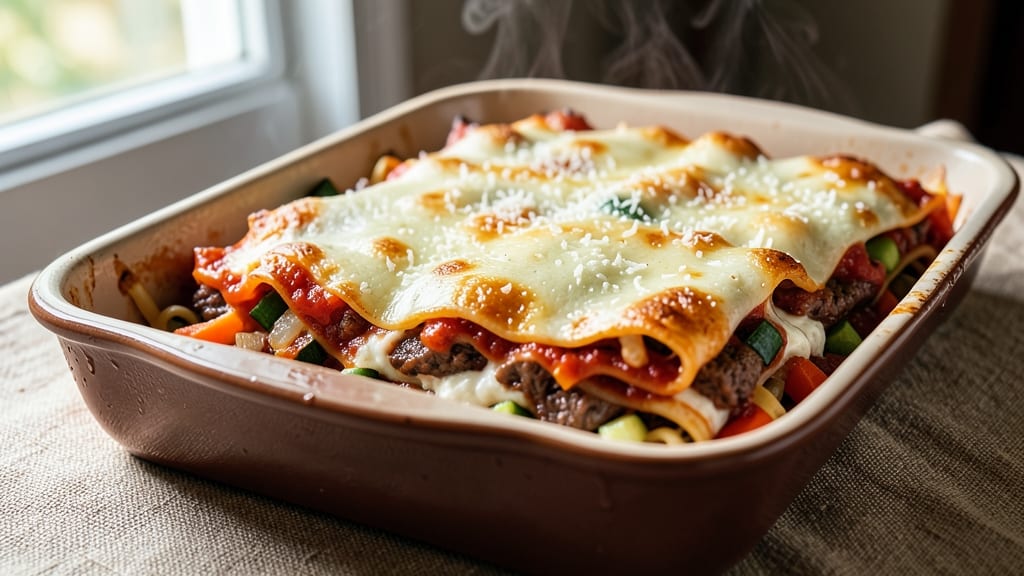
This beef and veggie lasagna delivers restaurant-quality layers with a crispy top edge that's impossible to resist. The secret lies in a perfectly balanced filling—tender ground beef, hearty vegetables, and rich marinara—all nestled between sheets of pasta that bake into golden perfection.
I've tested countless variations, and this method ensures every bite is packed with flavor while staying true to classic Italian comfort food.
The beauty of this recipe is its versatility—whether you're using traditional lasagna noodles or gluten-free alternatives, the layering technique remains the same. A sprinkle of mozzarella on top before baking creates that coveted crispy crust, while a 45-minute bake at 350°F transforms simple ingredients into a showstopping centerpiece.
The result? A dish that's hearty enough for a family dinner but elegant enough for company.
What makes this lasagna truly special is how the flavors meld together during baking. The beef stays juicy, the vegetables soften just enough to blend into the sauce, and the cheese melts into a creamy, stretchy blanket.
Each forkful delivers a perfect balance of textures—crispy top layer, tender pasta, and rich, savory filling. It's the kind of meal that disappears faster than you can say "second helping."
Pair it with garlic bread and a simple salad for a complete Italian feast. The best part? Leftovers reheat beautifully, making this the ultimate make-ahead meal. Let's get started on creating your own layered masterpiece.
Ingredients for beef and veggie lasagna
These 15 ingredients create the ultimate beef and veggie lasagna with that coveted crispy top edge.
| Ingredient | Amount | Notes |
|---|---|---|
| Ground Beef (80/20) 🥩 | 1 ½ lb | Lean but flavorful, finely ground |
| Lasagna Noodles 🍝 | 12 sheets | No-boil preferred for crispy layers |
| Marinara Sauce 🍅 | 2 ½ cups | High-quality jarred or homemade |
| Ricotta Cheese 🧀 | 15 oz | Part-skim for creaminess, room temp |
| Mozzarella Cheese 🧀 | 2 cups | Freshly shredded, low-moisture |
| Parmesan Cheese 🧀 | ½ cup | Freshly grated from block |
| Yellow Onion 🧅 | 1 whole | Medium size, finely diced |
| Carrots 🥕 | 2 medium | Peeled, finely diced |
| Zucchini 🥒 | 1 medium | Peeled, finely diced |
| Garlic Cloves 🧄 | 4 cloves | Fresh, minced |
| Eggs 🥚 | 2 large | Room temperature, lightly beaten |
| Italian Seasoning 🌿 | 1 tbsp | Dried blend, freshly ground |
| Salt 🧂 | 1 ½ tsp | Kosher or sea salt |
| Black Pepper 🌶️ | ½ tsp | Freshly ground |
| Olive Oil 🫒 | 2 tbsp | Extra-virgin for richness |
The beef is where flavor starts. 80/20 ground chuck gives you the best balance of tenderness and fat for rich sauce. Grab it from the butcher section if your store has it—Costco or Whole Foods usually carry high-quality pre-ground. The ricotta? Part-skim is ideal, but full-fat makes it extra creamy. For the veggies, medium carrots and zucchini work perfectly—just peel and dice them small so they soften during baking. Fresh garlic and Italian seasoning are non-negotiable here; dried works in a pinch but fresh makes all the difference.
No ricotta? Cottage cheese blended smooth works in a bind. Skip the mozzarella? Provolone or fontina add great flavor, though mozzarella's melt is unmatched. Running low on marinara? Crushed tomatoes with Italian herbs in a pinch. The eggs? Room temperature mix better—just crack them into a bowl and let sit for 10 minutes. For that crispy top, shred your own mozzarella—pre-shredded has anti-caking agents that prevent proper melting. And trust me on the no-boil noodles—they're a game-changer for that perfect al dente bite.
This lasagna tastes even better the next day—3-4 days in the fridge, 3 months frozen. Wrap tightly in foil before freezing for easy reheating. To reheat, cover with foil for 20 minutes at 350°F, then uncover for the last 5 minutes to crisp the top again. Leftovers? Portion into containers with a sprinkle of Parm on top—it's the ultimate meal prep. The secret to reheating? Low and slow keeps everything moist while maintaining that crispy top edge you worked so hard for.
Why You'll Love This Recipe
- No-Fuss Assembly: I swear by the "dump-and-bake" method here—just layer noodles, sauce, ricotta, and beef like you’re stacking pancakes. No fancy knife work, no stressing over perfect seams. The 80/20 ground beef even browns up in one pan while I chop a single bell pepper for the veggies. Honestly, it’s the kind of recipe that makes me feel accomplished without trying.
- Rich, Layered Bite: That first forkful? Chef’s kiss. The ricotta’s creamy tang cuts through the bold marinara, while the mozzarella melts into gooey pockets—like a hug in sauce form. Between us, the fat from the 80/20 beef adds depth the leaner cuts can’t match. It’s the kind of flavor that makes you pause mid-bite, even when you’re in a hurry.
- Leftovers That Beg for More: This lasagna actually tastes better the next day—yes, really. The noodles soften just enough to soak up extra sauce, and the beef stays juicy. I portion it into squares, freeze half, and reheat slices straight from frozen for lazy mornings. My roommates steal my portions before I even get to the fridge. (Not that I’m keeping score.)
- Budget Meal for Crowds: A pound of ground beef, a tub of ricotta, and store-brand mozzarella stretch to feed six—or four hungry teens. I’ve made this for game nights, potlucks, and even my mom’s birthday (she brought dessert, but I brought the main). The veggies bulk it up without breaking the bank, and the leftovers turn into next-day lunches. Solid. Reliable. My secret weapon.
Step-by-step instructions for beef and veggie lasagna
Here's how to build layers of rich, savory beef and fresh vegetables for a lasagna with a golden, crispy top edge.
Sauté the Veggie and Beef Mixture
Heat the 2 tbsp olive oil in a large skillet over medium-high heat. Add the 1 whole yellow onion, 2 medium carrots, and 1 medium zucchini, all finely diced. Sauté for 5-6 minutes until the vegetables begin to soften and the onion turns translucent. This is where the flavors start melding together—don't rush this step.
Push the vegetables to one side of the pan and add the 1.5 lb ground beef (80/20). Break it up with a wooden spoon as it cooks, letting it brown and release its juices. After 3-4 minutes, when the beef has lost its raw color, add the 4 cloves minced garlic and cook for another 30 seconds until fragrant. Stir in the 1 tbsp Italian seasoning, 1.5 tsp salt, and 0.5 tsp black pepper, mixing well to coat everything evenly. Remove from heat and let cool slightly—this mixture will form the flavorful base for your lasagna filling.
Prepare the Cheese Filling
In a medium bowl, combine the 15 oz ricotta cheese, 2 large eggs, and 0.5 cup grated Parmesan cheese. Mix gently with a fork until just combined—overmixing can make the filling dense. The ricotta should be room temperature for the best texture, so if it's cold, let it sit at room temperature for 10-15 minutes before mixing. This step is all about creating a light, creamy layer that balances the rich tomato sauce and hearty beef.
Fold in 1 cup of the marinara sauce to the ricotta mixture. This helps bind everything together and adds depth of flavor. Cover the bowl and set aside while you prepare your lasagna dish. The ricotta filling should be thick but spreadable—if it's too stiff, add a splash of milk or more marinara to loosen it slightly.
Assemble the Lasagna Layers
Preheat your oven to 375°F. Grease a 9x13-inch baking dish lightly with olive oil—this prevents sticking and helps create that crispy top edge we're after. Start by spreading ½ cup of the marinara sauce on the bottom of the dish. This ensures the bottom layer gets flavorful and doesn't stick.
Add 3 sheets of lasagna noodles, making sure they overlap slightly at the edges. Spread ⅓ of the beef-vegetable mixture evenly over the noodles, followed by ⅓ of the ricotta mixture. Sprinkle with ⅓ cup of the mozzarella cheese—this will melt beautifully and create a creamy texture. Repeat this layering process two more times, ending with a final layer of noodles. Top with the remaining 1 cup marinara sauce and the remaining 1 cup mozzarella cheese, pressing down gently to help it melt into a golden crust.
Bake to Golden Perfection
Cover the lasagna tightly with aluminum foil and bake for 30 minutes. This initial covered baking allows the layers to soften and the flavors to meld without drying out. After 30 minutes, remove the foil and bake for another 15-20 minutes until the top is deep golden brown and the edges are crispy. The key here is patience—don't rush the browning, as that's what gives lasagna its irresistible texture.
Let the lasagna rest for 10-15 minutes before slicing. This resting time allows the layers to set and makes it easier to cut clean slices. The cheese will pull together beautifully, and the top edge will hold its crispy texture. Serve with a side salad or garlic bread for the ultimate comfort food experience!
Pro Tips For Making Beef And Veggie Lasagna
- Brown the Beef Properly: I learned this the hard way—skipping the full brown on 80/20 ground beef leaves your lasagna tasting raw and greasy. Cook it in batches over medium-high heat until you see deep brown edges, breaking it into small pieces as it cooks. That fat renders out and adds flavor—don’t rush it.
- Pre-Cook Your Noodles: I was skeptical until I tried it: boil your lasagna noodles al dente (about 1 minute less than package instructions) and drain them. Tossing them in a little olive oil keeps them from sticking together in the pan and prevents a gummy texture when baked. (Yes, even if you're impatient like me.)
- Layer Ricotta Like a Pro: Ricotta can get watery when baked, so pat it dry with a paper towel before mixing with egg and herbs. Spread it thinly between layers—about ¼ cup per noodle sheet—and resist the urge to pile it high. You want flavor, not a soggy bottom.
- Bake in Stages: Start your lasagna in a 375°F oven for 25 minutes, then crank it up to 400°F for the last 15. This two-step method ensures the bottom layers cook through while the top gets that golden crust. Cover with foil halfway if the edges brown too fast—your future self will thank you.
Wine and beer pairings for this dish
Classic Italian Reds
For this hearty beef and veggie lasagna, I always reach for a Chianti Classico from Tuscany—its bright acidity and cherry notes cut through the richness beautifully. A Sangiovese-based wine like Castello di Volpaia or Antinori Chianti Classico complements the tomato sauce and Italian seasoning perfectly.
If you prefer something slightly smoother, a Montepulciano d'Abruzzo offers rich dark fruit flavors that pair wonderfully with the beef. 🍷
Bold Zinfandels
For those who love a bolder pairing, a California Zinfandel brings warmth and spice to the table. Look for a Dry Creek Vineyard or Seghesio Zinfandel—their jammy blackberry and pepper notes mirror the lasagna's savory depth.
The alcohol content helps cut through the cheese, making each bite feel balanced. Serve slightly chilled to enhance the wine's refreshing qualities.
Crisp White Alternatives
If you prefer white wine, a dry Vermentino from Sardinia offers surprising balance with its citrus and mineral notes. I love Cantina Mesu 'e Montes—it's crisp enough to refresh your palate between rich lasagna bites.
For something more aromatic, a Pinot Grigio from Alto Adige provides delicate pear and almond flavors that complement the ricotta and mozzarella layers beautifully.
Beer Pairings
A crisp Italian lager like Peroni or Moretti is my go-to beer pairing—its light body and subtle maltiness don't overpower the dish. For craft beer lovers, a Belgian-style witbier like Hoegaarden adds a refreshing citrus note that brightens the meal.
Avoid heavy stouts or IPAs, as their bold flavors can clash with the lasagna's delicate cheese layers.
After-Dinner Digestif
Finish your meal with a small glass of Amaretto or Limoncello to cleanse your palate. The nutty sweetness of Disaronno Amaretto pairs beautifully with the lingering flavors of the lasagna.
For a non-alcoholic option, a cup of espresso with a splash of vanilla syrup is the perfect way to end your Italian feast. ☕
Nutrition facts
Frequently asked questions
Can I make this lasagna with regular lasagna noodles that need boiling?
Yes, but you'll need to cook them al dente (about 1 minute less than package instructions) and drain well. The key is to layer them immediately after draining to prevent sticking. For even better results, use no-boil noodles—they absorb the sauce perfectly during baking and save time.
How do I keep the ricotta layer from getting watery?
Mix the ricotta with 1 cup of marinara sauce and 2 beaten eggs to help it bind. If it's still too runny, add 1 tablespoon of flour or 1/4 cup grated Parmesan to thicken it. Always use room-temperature ricotta—cold ricotta releases more moisture during baking.
What vegetables can I substitute if I don't have carrots or zucchini?
Great options include bell peppers (diced), mushrooms (sautéed), or spinach (wilted and drained). For a heartier texture, try cauliflower florets or eggplant cubes (salted and drained first). Just adjust cooking time if using denser vegetables—they should soften but not disintegrate.
Can I make this lasagna ahead of time?
Assemble it up to 24 hours ahead and refrigerate uncovered. Before baking, let it sit at room temperature for 30 minutes to even out temperatures. For freezing, bake fully, cool completely, wrap tightly in foil, and freeze for up to 3 months. Reheat covered with foil for 20 minutes at 350°F, then uncover for the last 5 minutes to crisp the top.
Why did my lasagna turn out soggy?
Sogginess usually happens from overmixing the ricotta or underbaking. 1) Mix ricotta gently (just combine ingredients)
- Bake uncovered for the last 15-20 minutes to crisp the top
- Use no-boil noodles if possible
- Don't overfill layers—keep them even and compact The cheese should be melted but not soupy when done.