
Main Courses
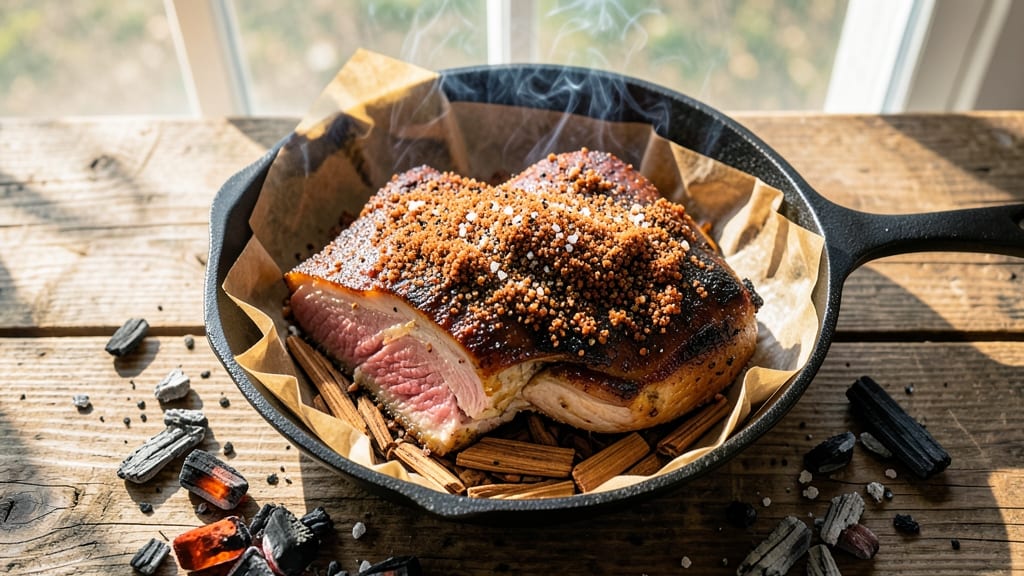
This beef arm roast smoker recipe delivers the perfect balance of smoky bark and melt-in-your-mouth tenderness in a single session. The key lies in low-and-slow smoking followed by a precise internal temperature—no guesswork, just reliable results.
I’ve refined this method over countless weekends, adjusting wood choices and timing to unlock the rich, caramelized crust and deep, beefy flavor that makes this cut a showstopper.
The process starts with a dry rub of coarse salt, black pepper, and smoked paprika, which clings to the meat’s natural fat cap for maximum flavor penetration.
You’ll smoke the roast at 225°F using hickory or cherry wood until it reaches 195°F internally—a technique called "Texas crutch" that guarantees juiciness even in larger cuts. The bark develops naturally as the collagen renders, creating a crust that’s crisp enough to stand up to a knife.
What you’ll end up with is a roast so tender it practically falls apart when sliced, yet maintains enough structure to hold its shape on the plate. The smoky aroma alone transforms any meal into an event, while the rich, beefy flavor satisfies even the most discerning palates.
Serve with classic sides like creamy mashed potatoes or a tangy horseradish cream to elevate the experience.
This method works equally well on pellet smokers, offset smokers, or even a well-calibrated grill—just adjust the wood ratio to control smoke intensity. The beauty of this recipe is its adaptability, whether you’re feeding a crowd or treating yourself to a Sunday masterpiece.
Let’s get started on the perfect smoked arm roast.
Ingredients for beef arm roast smoker
Six ingredients for the rub, two woods for the smoke, and sides that complement every bite.
| Ingredient | Amount | Notes |
|---|---|---|
| Beef Arm Roast 🥩 | 6 lb | Bone-in, 4-6 inches thick |
| Coarse Kosher Salt 🧂 | ½ cup | Diamond Crystal preferred |
| Freshly Ground Black Pepper 🌶️ | 2 tbsp | Freshly cracked for best flavor |
| Smoked Paprika 🌶️ | 2 tbsp | High-quality for smoky depth |
| Hickory Wood Chips 🌳 | 2 cups | Unsoaked for intense smoke |
| Cherry Wood Chips 🍒 | 1 cup | For fruity undertones |
| Yellow Onion 🧅 | 1 whole | Peeled, quartered for sides |
| Garlic Cloves 🧄 | 4 cloves | Peeled, smashed for sides |
| Olive Oil 🫒 | 2 tbsp | Extra-virgin for sides |
| Fresh Rosemary 🌿 | ¼ cup | Chopped, for sides |
| Beef Broth 🥫 | 1 cup | For spritzing during smoke |
| Apple Cider Vinegar 🍎 | 1 tbsp | For spritz mix |
The beef arm roast is the star, and bone-in cuts deliver the best results—look for a roast with a thick fat cap for that signature smoky bark. Costco or your local butcher shop are the best places to find quality beef arm roasts, often pre-cut for ease. If you're buying whole, ask for a 6-pound roast to ensure you have enough for a crowd. The wood chips make all the difference: Traeger or Butcher's Smokehouse brands are reliable, but any quality hardwood chips will work. For the sides, fresh rosemary and garlic elevate simple roasted vegetables—don't skip them.
No hickory? Pecan or oak work as substitutes, though the flavor profile will shift slightly. Cherry wood chips can be swapped for apple wood if you prefer a milder sweetness. The spritz mix of beef broth and apple cider vinegar keeps the bark crisp—use every 90 minutes during smoking. For the sides, if you're short on time, frozen vegetable blends tossed in olive oil and roasted work just as well. The key is maintaining the 225°F temperature—don't rush it. Patience is what transforms this into a showstopper.
The roast reheats beautifully—just wrap it in foil and warm in the oven at 275°F for 30 minutes. Store leftovers in the fridge for 4-5 days or freeze for up to 3 months for future meals. The sides keep well too: roasted vegetables last 3-4 days in the fridge. For large gatherings, double the sides recipe—everyone will want seconds.
Why You'll Love This Recipe
- Smoke in Minutes: The arm roast sits on the smoker like a lazy Sunday—just salt, pepper, and smoked paprika rubbed in while the hickory chips do all the work. No basting, no fuss, no hovering over the grill. I’m talking set-it-and-forget-it with that perfect bark forming in under two hours.
- Deep, Smoky Magic: That first bite? Rich, tender beef with a crust so smoky it tastes like a campfire hug. The hickory wood chips infuse the meat with a warmth that lingers, while the coarse salt and black pepper cut through the fat just enough to make every slice irresistible. (Yes, even on a Tuesday night.)
- Leftovers That Shine: This roast practically begs to be made extra—sliced thin for sandwiches, chopped for tacos, or reheated in the oven until it’s just as tender as day one. I’ll be real: my freezer is always stocked with smoked beef arm roast because it turns boring meals into something special with zero effort.
- Budget-Friendly Feast: You’re getting a whole roast for less than steak prices, and it feeds a crowd without breaking the bank. Between us, this is how I feed six people for the cost of two dinners out—plus, the leftovers stretch into lunches that still taste like a celebration. Smart move, right?
Step-by-step instructions for smoked beef arm roast
Master the low-and-slow technique for tender, bark-crusted beef arm roast with this precise smoker method.
Prepare the Rub and Season the Roast
In a small bowl, combine the 0.5 cup coarse kosher salt, 2 tablespoons freshly ground black pepper, and 2 tablespoons smoked paprika. Mix thoroughly until evenly distributed. This blend creates a balanced seasoning that penetrates the meat while developing a rich, smoky crust.
Pat the 6 lb beef arm roast completely dry with paper towels—this is critical for bark formation. Apply the rub generously to all sides, pressing firmly so it adheres well. Let the roast sit uncovered in the refrigerator for at least 4 hours or overnight. This dry-brining process ensures maximum flavor penetration and moisture retention during the long cook.
Set Up the Smoker and Preheat
Soak the 2 cups hickory wood chips and 1 cup cherry wood chips in water for 30 minutes if your smoker requires pre-soaking. Fill the smoker's wood chip tray with the drained mixture. Set the smoker temperature to 225°F and allow it to preheat for 15-20 minutes until you see steady, thin blue smoke.
While the smoker heats, prepare a spritz mix by combining 1 cup beef broth and 1 tablespoon apple cider vinegar in a spray bottle. This mixture helps maintain moisture and enhances bark development during the cook. Keep the bottle handy—you'll use it every 45-60 minutes throughout the smoking process.
Smoke the Roast Low and Slow
Place the seasoned beef arm roast on the smoker grate, fat-side up. Close the lid and maintain the temperature at 225°F. Smoke the roast undisturbed for 8-10 hours, or until the internal temperature reaches 165°F at the thickest part of the meat. This is where the magic happens—the low heat breaks down collagen for tenderness while the smoke infuses flavor.
Every 45-60 minutes, spritz the roast generously with the beef broth-vinegar mixture. This keeps the surface moist enough to develop bark without drying out. Avoid opening the smoker lid more than necessary—each time you do, you lose heat and add time to the cook. The roast should develop a deep mahogany bark with a slightly sticky surface.
Rest and Slice for Maximum Juiciness
Once the internal temperature reaches 165°F, remove the roast from the smoker and tent loosely with aluminum foil. Let it rest for at least 1 hour before slicing. This resting period allows the juices to redistribute throughout the meat, ensuring each slice is moist and flavorful. The temperature will continue to rise 5-10°F during this time—this is normal and desirable.
Slice the beef arm roast against the grain into ¼-inch thick portions. Serve immediately with the prepared onion and garlic sides (sautéed in 2 tablespoons olive oil with 0.25 cup chopped fresh rosemary until golden). The result should be a perfect balance of smoky bark and tender, juicy meat that practically falls apart at the touch.
Pro Tips For Making Beef Arm Roast Smoker
- Start with a Hot Fire: The arm roast needs a sear to lock in flavor and moisture—don’t skimp on the initial heat. Get your smoker up to 275°F before adding the meat, then crank it to 350°F for the first 30 minutes to build that crust. (Yes, even if you’re impatient like me.)
- Salt the Night Before: I learned this the hard way—rushing the salt job means bland meat. Generously coat the arm roast with kosher salt 12–24 hours ahead and let it sit uncovered in the fridge. The salt penetrates deeper, and the crust forms better when you smoke it. (Trust me, your guests will notice the difference.)
- Skip the Crowding: Arm roasts are thick and stubborn—don’t smother them with other meats or foil too soon. Let that hickory smoke circulate freely for the first 2–3 hours, even if it means cooking solo. Crowding traps steam and turns your roast into a sad, gray sponge. (Your smoker’s airflow isn’t just for show.)
- Upgrade with a Rub: Smoked paprika is great, but don’t stop there. Mix it with 1 tsp garlic powder, ½ tsp onion powder, and a pinch of cayenne for depth. Pat it on after salting (not before) so the spices stick like glue. (This isn’t the prettiest method, but it’s the tastiest—your future self will thank you.)
Best sauces and condiments for these flavors
Classic Horseradish Cream
This tangy, creamy condiment is a must for cutting through the richness of smoked beef. Mix ½ cup sour cream with 2 tablespoons prepared horseradish, 1 tablespoon Dijon mustard, and 1 teaspoon lemon juice.
Season with ½ teaspoon salt and ¼ teaspoon black pepper. Chill for 30 minutes before serving to let flavors meld. The horseradish adds a sharp contrast that cleanses your palate between bites. 🌶️
Smoky Chipotle BBQ Sauce
For a deeper smoky flavor that complements the roast, blend 1 cup BBQ sauce (like Sweet Baby Ray's), 2 tablespoons adobo sauce from canned chipotles, and 1 teaspoon smoked paprika.
Simmer for 10 minutes to intensify the flavors. Drizzle over sliced roast or use as a dipping sauce. The chipotle adds a subtle heat that pairs perfectly with the beef’s richness.
Garlic-Herb Butter
Melt ½ cup unsalted butter with 3 minced garlic cloves, 1 tablespoon chopped fresh rosemary, and ½ teaspoon salt in a saucepan over low heat. Keep warm in a slow cooker on warm setting and serve alongside the roast.
The garlic and herbs enhance the beef’s natural flavors without overpowering them. This is especially great for dipping crusty bread.
Spicy Honey Glaze
Combine ¼ cup honey, 2 tablespoons apple cider vinegar, and 1 teaspoon cayenne pepper in a small saucepan. Simmer for 5 minutes until slightly thickened. Brush over the roast during the last 30 minutes of smoking or drizzle over sliced meat.
The sweetness balances the smokiness, while the cayenne adds a kick. This glaze elevates the dish to restaurant-quality in minutes.
Creamy Blue Cheese Dressing
For a bold, tangy option, blend ½ cup mayonnaise, ¼ cup crumbled blue cheese, 1 tablespoon apple cider vinegar, and 1 teaspoon Worcestershire sauce. Thin with 1-2 tablespoons milk if needed.
Serve as a dip for the roast or drizzle over sliced meat. The blue cheese adds a funky depth that pairs surprisingly well with the smoky beef. ✨
Nutrition facts
Frequently asked questions
What’s the best wood choice for smoking beef arm roast?
Hickory and cherry wood create the perfect balance—hickory delivers bold, classic smoke while cherry adds subtle sweetness. For a milder profile, try pecan or apple wood. Avoid softwoods like pine, as they can make the meat taste bitter. The key is using 2 cups hickory to 1 cup cherry for depth without overpowering.
Can I use a grill instead of a smoker for this recipe?
Yes, but you’ll need a smoker box or pellet tube to generate consistent smoke. Set your grill to 225°F and use the same wood chips. The challenge is maintaining temperature—grills often fluctuate, so monitor closely. For best results, use a dedicated smoker if possible.
Why does my bark keep falling off during smoking?
This usually happens when the surface dries out too quickly. Spritz more frequently (every 30-45 minutes) with the beef broth-vinegar mix, and ensure your smoker stays at 225°F. A slightly sticky surface is ideal—this helps the bark adhere. If it’s still peeling, reduce heat slightly to 200°F for better moisture retention.
How do I adjust cooking time for a smaller or larger roast?
Smoking time depends on weight: plan 1.5 hours per pound at 225°F. For a 4 lb roast, aim for 6 hours; for 8 lbs, 12 hours. Use a meat probe to check internal temp—165°F is your target. Larger roasts benefit from a longer, slower cook to break down collagen evenly.
What’s the best way to reheat leftovers?
Wrap slices in foil and reheat in a 300°F oven for 15-20 minutes until warmed through. Avoid microwaving—it dries out the meat. For whole roasts, slice first, then reheat in a skillet with a splash of beef broth to restore moisture. Leftovers keep for 4-5 days in the fridge.