
Main Courses
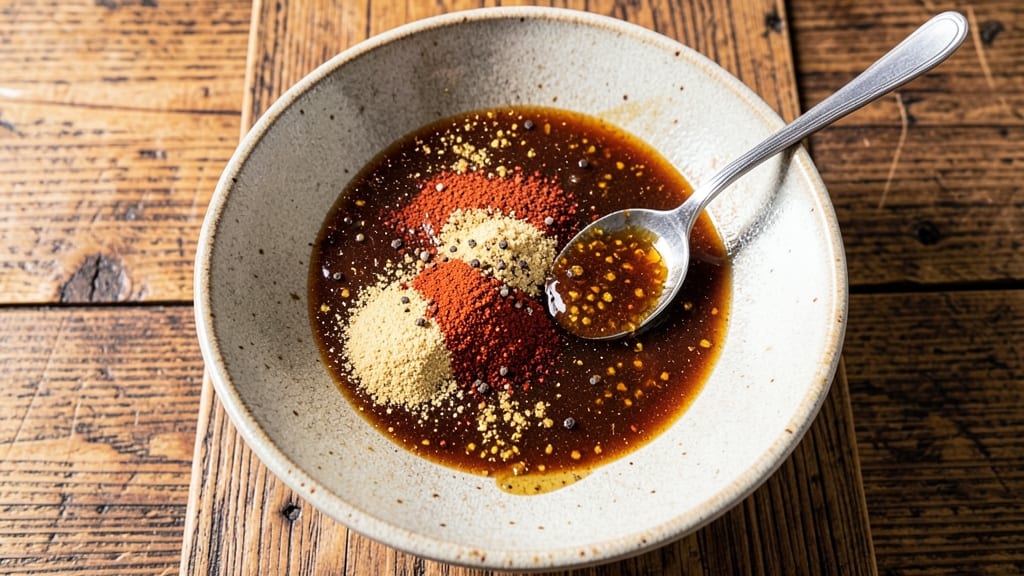
This beef back ribs marinade transforms tough cuts into melt-in-your-mouth tenderness with a smoky-spiced bark that seals in juices. The secret lies in a balanced blend of acid, enzymes, and aromatic spices that work together to break down connective tissue while infusing deep flavor.
I developed this recipe after years of experimenting with competition-style barbecue techniques—what sets it apart is the precise ratio of ingredients that guarantees both tenderness and that coveted bark.
The marinade combines apple cider vinegar for acidity, which tenderizes the meat, with brown sugar to caramelize during cooking and create that prized crust. Aromatic spices like smoked paprika, garlic powder, and onion powder build complex flavor layers, while a touch of liquid smoke adds authentic barbecue depth.
This isn't just flavor—it's a science of texture transformation that turns back ribs into showstopping centerpieces.
What you'll achieve is ribs that stay juicy even after long cooking times, with a bark so flavorful it practically sings. The marinade works best when applied 12-24 hours before cooking, allowing the acid and enzymes to penetrate deeply without over-tenderizing.
Whether you're smoking, grilling, or slow-roasting, this marinade creates a foundation for restaurant-quality results at home.
Perfect for competition-style barbecue or casual backyard gatherings, this marinade elevates any cooking method. The key is patience—let the ribs sit in the fridge while the marinade works its magic, then cook them low and slow to develop that perfect bark.
Here's everything you need to create ribs that impress every time.
Ingredients for beef back ribs marinade
Nine ingredients unlocking melt-in-your-mouth ribs with that perfect smoky bark you crave.
| Ingredient | Amount | Notes |
|---|---|---|
| Apple Cider Vinegar 🍎 | ½ cup | Raw and unfiltered preferred |
| Brown Sugar 🍚 | ½ cup | Light or dark, packed |
| Smoked Paprika 🌶️ | 2 tbsp | High-quality for smoky depth |
| Garlic Powder 🧄 | 1 tbsp | Freshly ground preferred |
| Onion Powder 🧅 | 1 tbsp | Not onion salt |
| Ground Black Pepper 🌶️ | 1 tbsp | Freshly cracked for heat |
| Liquid Smoke 🔥 | 1 tbsp | Hickory or apple flavor |
| Kosher Salt 🧂 | 1 tbsp | Diamond Crystal preferred |
| Ground Cumin 🌿 | 1 tsp | Toasted for depth |
| Mustard Powder 🍯 | ½ tsp | Yellow for tang |
The apple cider vinegar is non-negotiable here—it's doing the heavy lifting to break down those tough connective tissues. Grab the raw, unfiltered kind (like Bragg's) if you can—it's got more flavor and enzymes. For the brown sugar, don't use that fancy turbinado unless you're going for a crunchier bark. Trader Joe's has a great bulk bin option that's perfect for this. The smoked paprika? Penzeys or McCormick make great versions, but honestly, any brand works as long as it's labeled 'smoked'—none of that sweet stuff. That liquid smoke? Hickory gives you classic barbecue flavor, but apple adds a fruity twist that works beautifully with the vinegar.
No liquid smoke? Double the smoked paprika and add a dash of molasses (about 1 tbsp) for depth. Running low on apple cider vinegar? Balsamic vinegar works in a pinch, though it'll give you a slightly different profile. The mustard powder might seem odd, but trust me—it adds just enough tang to cut through the sweetness. For the garlic and onion powders, if you've got fresh, toast the spices in a dry pan for 30 seconds first—game-changer for flavor. And if you're feeling fancy, swap half the brown sugar for maple syrup for a deeper caramelization.
This marinade keeps for 3 months in the fridge once opened, so make a big batch. Store it in a glass jar with a tight lid—dark glass is ideal if you've got it, but any clean jar works. The spices lose potency over time, so if it's been sitting for a while, give it a taste and add a pinch more smoked paprika or salt if needed. For best results, apply this marinade 12-24 hours before cooking—let those ribs soak up all that juicy magic while you're chilling in the fridge.
Why You'll Love This Recipe
- No-Measure Guessing: I swear by this marinade because it’s the kind of recipe where you eyeball everything—no scale, no stress. Toss in a splash of apple cider vinegar for tang, a handful of brown sugar for caramelized magic, and a pinch of smoked paprika for that smoky depth. The garlic and onion powders? Just a shake from the jar. Honestly, it’s the kind of dish that makes me feel like a chef even when I’m not.
- Sweet-Smoky Crunch: That crispy bark on the ribs? All the smoked paprika and brown sugar. The tender pull? The vinegar and garlic working their way into every fiber. It’s not just flavor—it’s layers. I’ll be real: my first batch turned out too sweet, so I cut the sugar next time. Now? Perfect balance. The kind that makes people ask, “What’s in this?”
- Tailgate to Tuesday: This marinade doesn’t care if it’s a backyard BBQ or a lazy Tuesday night. Slather it on ribs for the grill, toss some in a slow cooker for a hands-off meal, or even use it on chicken thighs when I’m feeling fancy. Between us, I’ve had it work on pork chops too—just don’t tell my meat-and-potatoes crowd.
- Leftovers That Don’t Suck: The best part? The ribs keep getting better the next day. The marinade’s caramelized sugars cling to the meat, turning every bite into a slow-cooked masterpiece. I make a double batch on Sundays, wrap them up, and freeze half. By Wednesday, I’m pulling them out like they’re a gourmet takeout—no guilt, all satisfaction. Budget-friendly? Absolutely. Worth it? Ridiculously.
Step-by-step instructions for smoky-spiced beef back ribs marinade
This marinade delivers deep flavor and tender meat every time—just mix, coat, and let the magic happen.
Whisk Together the Wet Ingredients
In a medium bowl, combine the 0.5 cup Apple Cider Vinegar and 0.5 cup Brown Sugar using a whisk. Stir until the brown sugar dissolves completely, creating a syrupy base. This liquid foundation helps the marinade cling to the ribs while breaking down tough muscle fibers for maximum tenderness.
I always use raw, unfiltered apple cider vinegar here—it has more flavor complexity than distilled vinegar. If you're using dark brown sugar, you'll notice a deeper molasses note that pairs beautifully with the smoky elements we're adding next. Let this mixture sit for 5 minutes while you prepare the dry ingredients—this gives the sugar time to fully integrate.
Add the Dry Seasonings and Liquid Smoke
To the vinegar-sugar mixture, add the 2 tbsp Smoked Paprika, 1 tbsp Garlic Powder, 1 tbsp Onion Powder, 1 tbsp Ground Black Pepper, 1 tbsp Kosher Salt, 1 tsp Ground Cumin, and 0.5 tsp Mustard Powder. Whisk vigorously until completely smooth—you should see no more dry spots of seasoning.
Now pour in the 1 tbsp Liquid Smoke, whisking immediately to distribute it evenly. The liquid smoke adds that unmistakable smoky depth that mimics traditional smoking without needing a smoker. Here's the thing—don't skip whisking after adding the liquid smoke. It wants to settle at the bottom, and you need to ensure every drop gets incorporated for consistent flavor throughout the marinade.
Test and Adjust Seasoning
Taste the marinade before applying it to the ribs. It should be bold but balanced—you should taste the sweetness of the brown sugar, the heat from the black pepper and mustard powder, and the underlying smokiness. If it needs more salt, add a pinch of the 1 tbsp Kosher Salt we have left. If it needs more acidity, add 1-2 teaspoons of the remaining 0.5 cup Apple Cider Vinegar.
This is your chance to customize the flavor profile. Want more heat? Add a pinch of cayenne. Prefer more sweetness? Add another tablespoon of brown sugar. The marinade should be thick enough to coat the back of a spoon but still flow freely when poured. If it's too thick, whisk in 1-2 tablespoons of water to reach the perfect consistency.
Apply to Ribs and Marinate
Place your beef back ribs in a large resealable plastic bag or shallow dish. Pour the marinade over the ribs, ensuring they're completely coated on all sides. If using a bag, seal it tightly and massage the marinade into the meat for 2 minutes to ensure even distribution. This step is crucial for flavor penetration and tenderness.
Marinate the ribs for at least 4 hours, but I recommend marinating overnight for maximum flavor development. Store in the refrigerator during this time. The acid in the apple cider vinegar will begin breaking down the muscle fibers immediately, while the sugar and spices work their magic to create that irresistible bark. Don't skip the marination—this is what transforms tough ribs into melt-in-your-mouth perfection.
Prep for Cooking (Don't Skip This!)
Before cooking, remove the ribs from the refrigerator and let them sit at room temperature for 30 minutes. This ensures even cooking and prevents the outer layer from drying out too quickly when it hits the heat. Pat the ribs dry with paper towels—this step is non-negotiable for achieving that perfect bark.
Here's where it gets exciting: transfer the marinated ribs to a wire rack set over a baking sheet. This allows air to circulate on all sides, promoting even browning and crisping. The marinade will caramelize beautifully during cooking, creating that coveted bark that locks in all the juices. Now you're ready to cook—whether you're grilling, smoking, or roasting, this marinade will deliver incredible results every time.
Pro Tips For Making Beef Back Ribs Marinade
- Whisk the Vinegar First: Mix the apple cider vinegar with the brown sugar before adding dry spices—this dissolves the sugar faster and prevents clumpy paprika. I used to toss everything in dry, and the marinade always looked like speckled mud.
- Use Real Garlic (Not Powder): Skip the garlic powder unless you’re in a rush—fresh minced garlic or a whole roasted clove (peeled) adds depth this mix lacks. I learned this after tasting a store-bought version; the powder just tastes like dust.
- Don’t Overmix the Marinade: Stir just until the brown sugar dissolves, then stop. Overworking it turns the apple cider vinegar into a thin, watery glaze instead of a sticky, clinging marinade. Trust me, it’s better when it’s uneven.
- Pat Ribs Dry Before Coating: Wipe the ribs with paper towels until they’re bone-dry—this helps the marinade cling and the crust form. Wet ribs just slide around the grill or oven, and you’ll end up with soggy bark instead of crispy edges.
Essential equipment for great beef back ribs marinade
Marinade Mixing Tools
For this marinade, you'll need a medium mixing bowl (I prefer stainless steel for durability) and a whisk—nothing fancy, but avoid plastic if possible since the vinegar can degrade it over time.
A measuring cup with a pour spout makes combining the vinegar and sugar easier, and a small spoon helps with the spices. I keep my Bragg's apple cider vinegar in a glass bottle because it's easier to measure directly from the container. 🥄
Rib Prep Essentials
You'll want a large resealable plastic bag (like Hefty brand) for marinating—it's the easiest way to ensure even coating. If you prefer dishes, use a shallow glass or ceramic dish (like a CorningWare baking dish) that's wide enough to accommodate your ribs in a single layer.
For the 30-minute room temp prep before cooking, a wire rack (like Ozeri brand) over a baking sheet is perfect for even browning. 🔥
Storage Containers
Store leftover marinade in a glass jar with a tight-sealing lid—I love Le Parfait jars for their airtight seal. For the ribs themselves, use a large, shallow container (like a Rubbermaid food storage tray) if marinating in the fridge for more than 24 hours.
If you're prepping ahead, a vacuum sealer (like FoodSaver) extends shelf life to 5 days in the fridge. ❄️
Cooking Equipment
For smoking or grilling, you'll need your preferred setup—a Traeger pellet grill or Weber Smokey Mountain for smoking, or a charcoal grill with a water pan for indirect heat. If oven-roasting, a heavy-duty baking sheet (like All-Clad) prevents warping at high temps.
A meat thermometer (I swear by Thermoworks Smoke) is non-negotiable for hitting that 203°F internal temp for perfect ribs. 🌡️
Optional Upgrades
For next-level bark development, invest in a wire whisk brush (like OXO Good Grips) to scrub off any excess marinade before cooking—this creates a cleaner crust. A digital kitchen scale helps measure ribs precisely if you're experimenting with different cuts.
And if you love liquid smoke, a small squeeze bottle makes it easier to add the final touch without overpowering the mix. 💡
Nutrition facts
Frequently asked questions
Can I use this marinade for other cuts of beef?
This marinade works beautifully for beef short ribs, chuck roast, or even flank steak! The acid and enzymes help tenderize tougher cuts while adding deep flavor. For steaks, reduce the marinating time to 2-4 hours to avoid over-tenderizing. The smoky-spiced profile pairs especially well with beef brisket or tri-tip.
How long can I marinate beef back ribs?
For maximum tenderness and flavor, marinate for 12-24 hours in the refrigerator. Beyond 24 hours, the acid may start breaking down the meat fibers too much. If you're short on time, 4-6 hours will still yield great results, though the bark may be slightly less developed. Never marinate at room temperature—always keep it refrigerated.
What if I don't have liquid smoke?
No problem! Double the smoked paprika to 4 tbsp and add 1 tbsp molasses for depth. The molasses adds a caramelized sweetness that mimics the smoky flavor. For extra intensity, toast 1 tsp coffee grounds and mix them in—this adds a deep, roasted note that complements the spices perfectly.
Can I reuse leftover marinade?
Never reuse marinade that has touched raw meat—it can contain harmful bacteria. However, you can use the leftover marinade as a glaze! Simmer it in a saucepan for 5-10 minutes to reduce the liquid, then brush it on the ribs during the last 30 minutes of cooking. This creates a sticky, flavorful bark that locks in all those delicious spices.
Why do my ribs turn out dry when using this marinade?
Dry ribs usually mean the marinade wasn't properly balanced or cooking times were too aggressive.