
Sauces & Condiments
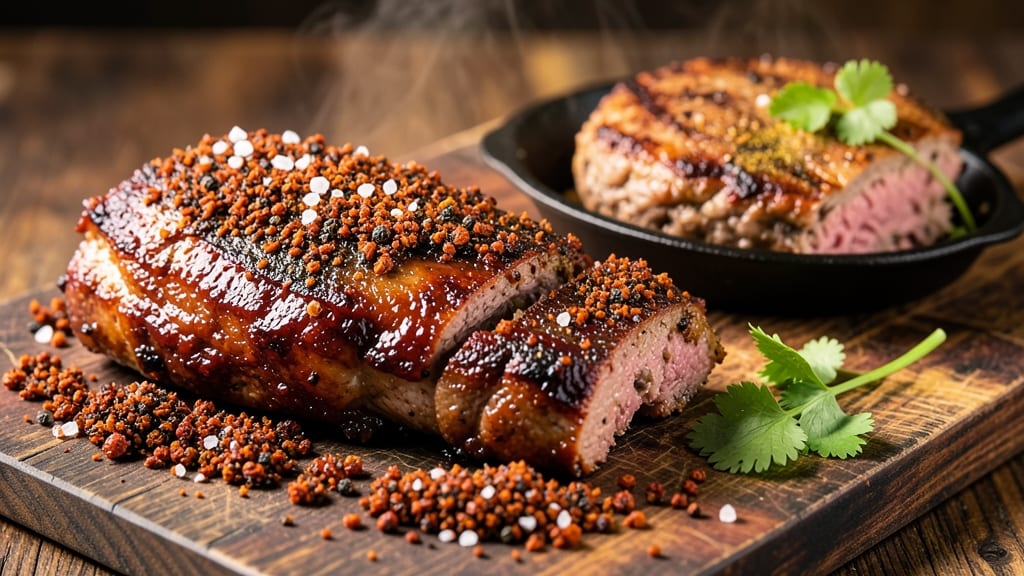
This beef barbecue rub recipe transforms tough cuts into smoky, finger-licking perfection with just a handful of spices. 🔥 As a pitmaster who grew up on slow-cooked ribs, I've perfected this bold blend that clings to every bite and builds layers of flavor as it cooks.
The key lies in balancing heat, sweetness, and savory depth—no shortcuts, just pure, concentrated flavor.
What makes this rub special is its versatility—whether you're grilling steaks, ribs, or brisket, this dry blend delivers that signature bark and tender meat. The secret is in the proportions: just enough brown sugar to caramelize, cayenne for heat, and smoked paprika for that unmistakable smoky aroma.
I've tested it on everything from quick weeknight dinners to competition-style slow cooks, and it never fails.
With this rub, you'll achieve that perfect crust—dark, crackling, and packed with flavor—that makes every bite unforgettable. The spices penetrate deep into the meat, creating a symphony of smoky, spicy, and slightly sweet notes.
It's the kind of seasoning that turns ordinary beef into something extraordinary, and it takes just minutes to apply.
Use it generously on any beef cut before grilling, smoking, or even roasting. For extra depth, let the meat rest with the rub for at least 30 minutes before cooking. Store the blend in an airtight container for up to six months—your grill sessions will never be the same.
Ingredients for beef barbecue rub
Nine spices that transform tough beef into smoky, finger-licking perfection every time.
| Ingredient | Amount | Notes |
|---|---|---|
| Smoked Paprika 🌶️ | 3 tbsp | High-quality, smoky variety preferred |
| Brown Sugar 🍚 | 2 tbsp | Light or dark, packed tightly |
| Coarse Kosher Salt 🧂 | 2 tbsp | Diamond Crystal preferred for texture |
| Ground Black Pepper 🌶️ | 1 tbsp | Freshly cracked for maximum flavor |
| Garlic Powder 🧄 | 1 tbsp | Non-iodized, pure garlic flavor |
| Onion Powder 🧅 | 1 tbsp | Freshly ground preferred |
| Ground Cumin 🌿 | 1 tbsp | Toasted for deeper aroma |
| Cayenne Pepper 🔥 | ½ tbsp | Adjust for desired heat level |
| Mustard Powder 🍯 | 1 tsp | For subtle tangy depth |
| Ground Coriander 🌿 | 1 tsp | Sweet, citrusy note |
The smoked paprika is non-negotiable here—it's the soul of this rub. Penzeys or McCormick smoked are my go-tos, but any quality brand works as long as it's labeled 'smoked' (not 'sweet'). Brown sugar should be packed tightly—domino or C&H brands work perfectly. For the salt, Diamond Crystal gives that perfect coarse texture that sticks to meat beautifully. If you're buying in bulk, check the spice dates—old spices lose their punch fast. I always keep a small jar in my grill station so I'm never without it.
No smoked paprika? Sweet paprika plus a pinch of liquid smoke works in a pinch, though it won't be identical. Short on cayenne? Red pepper flakes at half the amount gives you heat without the fine texture. Mustard powder hard to find? Dijon mustard powder is the same thing. The coriander can be swapped for celery salt at the same amount, though the flavor profile shifts slightly. For extra depth, toast your spices in a dry pan for 30 seconds before mixing—worth the extra minute for that nutty aroma. And if you're using this on pork or chicken, cut the cayenne to half a teaspoon—it's spicier than you'd think.
This rub keeps beautifully in an airtight container for up to 6 months, though I usually go through it faster than that. Store it in a dark glass jar away from heat to preserve the smoky aroma. For extra freshness, add a bay leaf to the jar—it keeps the spices tasting vibrant. When using, apply generously—1-2 tablespoons per pound of meat—and let it sit for at least 30 minutes before cooking. The longer it rests, the deeper the flavor penetrates. I always make a double batch so I've got it ready for spontaneous grill sessions.
Why You'll Love This Recipe
- Five-Ingredient Magic: I swear, this is the kind of rub where you measure, mix, and forget about it—no fancy techniques, no waiting for spices to "bloom" (unless you want to, but I don’t). The smoked paprika and garlic powder do all the heavy lifting while you’re still deciding whether to grill or bake.
- Sweet-Smoky Crunch: That caramelized brown sugar crust? It’s the star—crispy on the outside, tender inside, with just enough heat from the paprika to make your taste buds sit up and take notice. Honestly, I’ve made it on everything from brisket to steak tips, and it never lets me down.
- Tailgate to Tuesday: Between us, this rub works for backyard cookouts and lazy weeknights when you’re staring at a frozen burger patty wondering how to fix it. Slap it on ribs for a party, or toss it on flank steak for a quick dinner—it’s the kind of flavor that doesn’t care what the occasion is.
- Rub Leftovers, Not Regrets: Make a big batch (it keeps for months in the pantry), and you’ll always have that perfect smoky-sweet backup. I’ve used it to rescue dry store-bought roasts, jazz up frozen meatballs, and even dust it over baked potatoes—because sometimes, you just need a shortcut that still tastes like you put in effort.
Step-by-step instructions for crafting the perfect beef barbecue rub
Here's how to blend bold flavors that transform ordinary beef into finger-licking masterpieces.
👨🍳 Step 1: Combine the Dry Base Ingredients
In a medium bowl, whisk together the 3 tablespoons smoked paprika and 2 tablespoons brown sugar using a fork or small whisk. The paprika should coat the sugar crystals evenly, creating a deep reddish-brown mixture. This is your flavor foundation—don't skip the whisking, as it ensures even distribution of those smoky, sweet notes.
Next, add the 2 tablespoons coarse kosher salt and 1 tablespoon ground black pepper. The salt will help the rub cling to the meat while enhancing all other flavors. I like to use my fingers to break up any remaining clumps in the salt, ensuring a fine, even texture that won't irritate your fingers when applying.
👨🍳 Step 2: Add the Aromatic and Spicy Components
Measure in the 1 tablespoon garlic powder, 1 tablespoon onion powder, and 1 tablespoon ground cumin. These dry spices form the aromatic backbone of your rub. I find that using freshly ground spices makes a noticeable difference, so if you have whole spices, consider grinding them fresh before measuring.
Now for the heat: add the 0.5 tablespoon cayenne pepper and 1 teaspoon mustard powder. The cayenne brings that signature barbecue kick, while the mustard powder adds a subtle tang that rounds out the heat. Be careful when measuring the cayenne—it's easy to overdo it. If you're sensitive to spice, you can reduce this to 0.25 tablespoon and adjust to taste later.
👨🍳 Step 3: Finish with the Citrusy Note
Finally, stir in the 1 teaspoon ground coriander. This might seem like an odd choice for a beef rub, but trust me—it adds a bright, citrusy note that cuts through the richness of the other spices. The coriander should be finely ground to prevent any gritty texture in your final rub.
Give everything one final mix with a fork or silicone spatula. The rub should look like a rich, reddish-brown blend with visible flecks of brown sugar and black pepper. If you're making this ahead, transfer it to an airtight container and store it in a cool, dark place for up to 3 months—it'll only get better with time.
🍳 Step 4: Test the Rub on Your Beef (Optional but Recommended)
Before applying to your main cut of beef, I always test the rub on a small piece like a beef cube steak or even a chicken thigh. Pat the meat dry, then generously coat it with your rub. Let it sit for 10 minutes to allow the flavors to penetrate slightly, then cook it quickly over high heat.
This test run helps you gauge the balance of sweet, spicy, and smoky flavors. If it needs more heat, add a pinch of cayenne. If it's too sweet, you can reduce the brown sugar slightly next time. The goal is a rub that's bold but balanced—one that makes your beef irresistible without overpowering its natural flavor.
Pro Tips For Making Beef Barbecue Rub
- TOAST THE SPICES FIRST: Smoked paprika and garlic powder lose their punch when raw—give them 30 seconds in a dry skillet until fragrant. I learned this the hard way after making a rub that tasted flat; now it’s the first step. Just don’t walk away—watch for color, not smoke.
- SALT THE BEEF BEFORE RUBBING: Coarse kosher salt needs time to work its magic. Sprinkle it on the beef 30 minutes ahead and let it sit—this ensures it penetrates instead of just clinging to the surface. Yes, it looks weird, but your crust will be worth it.
- AVOID CLUMPY BROWN SUGAR: Pack the brown sugar tightly into the measuring cup—it’s lighter than you think. Then, pulse it in your food processor with the other dry ingredients for 10 seconds. I used to eyeball it, and my rub always ended up sticky and uneven.
- USE A MORTAR AND PESTLE (OR SKIP): If you’re short on time, a fork works—but for that perfect, even texture, grind the garlic powder and black pepper separately before mixing. My grandmother swore by this, and she was right: the flavor distribution is night and day.
Common mistakes when making your beef barbecue rub
Over-Salting the Rub
I've seen people double the salt because they think "more is better." But too much salt can make your rub taste harsh and overpower the meat's natural flavor.
Stick to the 2 tablespoons coarse kosher salt—it's enough to enhance without dominating. If you're unsure, taste a pinch on your tongue before applying to meat. 🧂
Skipping the Cayenne
The cayenne is what gives this rub its signature kick, but I've had beginners skip it entirely. Without it, your rub loses that classic barbecue heat.
Start with the 0.5 tablespoon and adjust to taste—you can always add more later. If you're worried about heat, remember: the spices mellow slightly during cooking.
Using Old Spices
Old spices lose their punch fast, and I've caught myself using a jar of smoked paprika that's been sitting for over a year. Check the dates on your spices—if they're older than 6 months, toast them in a dry pan for 30 seconds to revive their flavor.
Fresh spices make all the difference in a great rub.
Not Testing the Rub First
Many people jump straight to their main cut without testing the rub. I always recommend testing on a small piece of meat first—it helps you gauge the balance of sweet, spicy, and smoky flavors.
If it's too sweet, reduce the brown sugar by 0.5 tablespoon next time. If it needs more heat, add a pinch of cayenne.
Applying Wet Rub
Some folks add oil or vinegar to their rub to make it stick better, but that's a mistake. This rub is designed to be dry—it clings perfectly to meat as-is.
The key is to pat your beef dry before applying and let it sit for at least 30 minutes (or up to 24 hours) before cooking. The longer it rests, the deeper the flavor penetrates.
Storing Improperly
I've seen people store their rub in plastic bags or containers without airtight seals, which leads to moisture and flavor loss. Always use an airtight container, preferably dark glass, and keep it in a cool, dark place.
A bay leaf in the jar helps preserve freshness for up to 6 months. Never store it near the stove or in direct sunlight.
Nutrition facts
Frequently asked questions
Can I use this rub on other meats besides beef?
While designed for beef, this rub works beautifully on pork ribs, chicken thighs, and even lamb chops. For pork, reduce the cayenne to ¼ teaspoon—it's naturally spicier than beef. The smoky-sweet balance translates well across meats, though beef's richness makes it the star. Always test on a small piece first to adjust seasoning.
How much rub should I use per pound of meat?
Use 1-2 tablespoons per pound of meat, applied generously. For thick cuts like brisket, focus on the outer surfaces and any cuts you'll make. The rub should coat the meat evenly but not cake on too thickly. Pat the meat dry first—this helps the rub adhere better and creates that perfect crust during cooking.
Can I make this rub without cayenne?
Yes, but your rub will lose its signature heat. Replace the ½ tablespoon cayenne with ¼ teaspoon red pepper flakes for milder heat or ½ teaspoon smoked paprika for depth without spice. The mustard powder still adds tang, but cayenne is key for that classic barbecue kick. If you're sensitive to heat, start with less and adjust.
How long should I let the rub sit on the meat before cooking?
For best results, let the rub rest on the meat for at least 30 minutes (or up to 24 hours for deeper flavor penetration). The longer it sits, the more the spices bond with the meat's surface. For quick grilling, 30 minutes is perfect—just don't skip it! The sugar in the rub needs time to caramelize slightly for that signature bark.
What's the best way to store extra rub?
Store in an airtight container (like a dark glass jar) in a cool, dark place for up to 6 months. Add a bay leaf to preserve freshness. For long-term storage, freeze portions in ice cube trays—just break off what you need later. Avoid plastic bags, as they let moisture in, which dulls the spices' flavor.