Sauces & Condiments
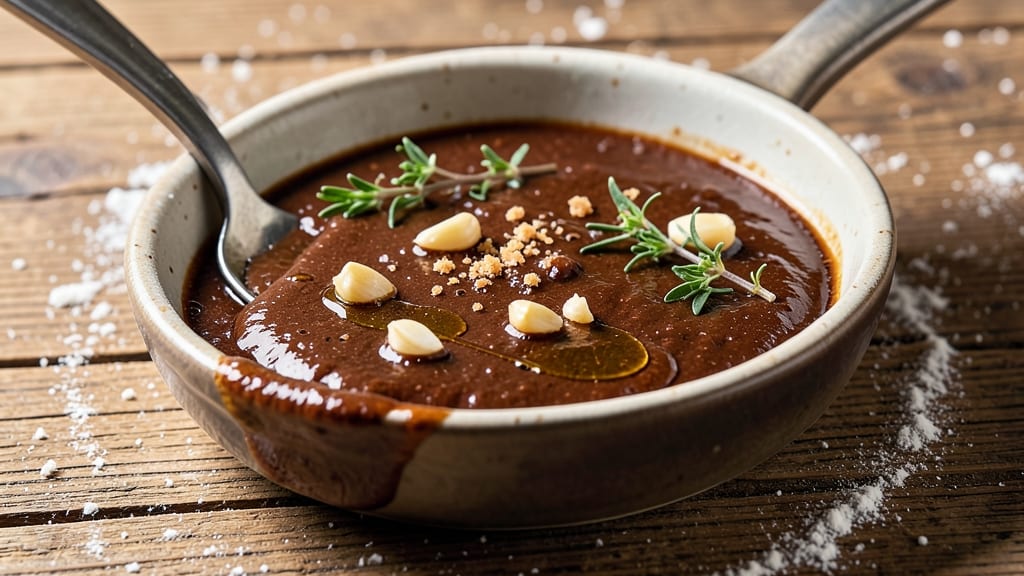
This beef basting sauce recipe transforms ordinary roasts into showstopping centerpieces with its smoky depth and caramelized richness.
The secret lies in a slow reduction of red wine, beef broth, and aromatic herbs that intensifies as you baste, creating a glossy glaze that locks in juices while building irresistible crusts.
I developed this sauce after years of testing—each component plays a role in balancing sweetness, acidity, and umami for that perfect harmony. The process is straightforward: simmer wine and broth until reduced by half, then infuse with garlic, thyme, and a touch of brown sugar for depth.
The sauce thickens as you baste, forming a sticky, flavor-packed crust that's impossible to resist. What sets this apart is the dual-purpose technique—it works as both a cooking sauce and a finishing glaze, ensuring every bite delivers maximum flavor.
By the time you're done basting, your beef will be juicy and deeply caramelized, with a glossy sheen that signals restaurant-quality results.
The sauce's versatility means it elevates everything from prime rib to simple steaks, and it keeps well in the fridge for up to 5 days or freezes perfectly for future use. For best results, baste frequently during the last 20 minutes of cooking—this is when the magic happens.
The sauce will thicken slightly as it cools, making it ideal for drizzling over finished dishes or storing for later. Let's create this game-changing glaze.
Ingredients for beef basting sauce
Nine simple ingredients transform any beef roast into a restaurant-worthy masterpiece.
| Ingredient | Amount | Notes |
|---|---|---|
| Dry Red Wine 🍷 | 1 cup | Bold variety like Cabernet Sauvignon |
| Beef Broth 🍲 | 1 cup | Low-sodium preferred |
| Garlic Cloves 🧄 | 4 cloves | Minced for even distribution |
| Fresh Thyme Leaves 🌿 | 1 tbsp | Or 1 tsp dried thyme |
| Brown Sugar 🍯 | 1 tbsp | Light or dark variety |
| Olive Oil 🫒 | 2 tbsp | Extra-virgin for richness |
| Balsamic Vinegar 🍶 | 1 tbsp | For depth of flavor |
| Salt 🧂 | ½ tsp | Kosher or sea salt |
| Black Pepper 🌶️ | ¼ tsp | Freshly ground preferred |
| Honey 🍯 | 1 tsp | Optional for extra sweetness |
The red wine is non-negotiable here—it's the heart of that smoky depth. Cabernet Sauvignon or Merlot work best, but whatever bold red you've got open will do. Beef broth matters too: low-sodium is key so you don't over-salt later. I grab mine from Trader Joe's or make my own with beef bones—either way, avoid the canned stuff with artificial flavors. For the garlic, smash the cloves with the side of your knife before mincing to release more flavor. Fresh thyme is ideal, but dried works at one-third the amount if that's what you've got.
No red wine? Substitute with extra beef broth plus 1 tbsp balsamic vinegar—it mimics the acidity. Running low on thyme? Rosemary at half the amount gives a different but equally delicious twist. The brown sugar might seem odd, but it's what creates that perfect caramelized crust. Coconut sugar works too if you're watching refined sugar. For the olive oil, any good quality brand will do—just avoid the cheap stuff that tastes like soap. The honey is optional, but it adds that perfect balance of sweetness that makes the sauce sing.
This sauce thickens as it cools, so stir occasionally while basting to prevent burning. Store leftovers in a jar in the fridge for up to 5 days—it actually tastes better the next day as flavors meld. For longer storage, freeze in ice cube trays for perfect portions. The sauce reheats beautifully—just warm gently on the stove with a splash of water or broth. Double the batch if you're feeding a crowd—it disappears fast!
Why You'll Love This Recipe
- Pantry Magic: I swear by this sauce because it uses things I already have—no special shopping needed. The red wine and beef broth base means I’m never scrambling for obscure ingredients, and that brown sugar? Total game-changer for depth without extra effort.
- Deep Umami Boom: The garlic and thyme sing when simmered with wine—rich, earthy, and just a hint of sweetness from the sugar. It’s the kind of sauce that makes steak (or even weeknight burgers) taste like you spent hours in the kitchen.
- Double Duty Sauce: This isn’t just for basting—it’s my go-to for marinades, braising liquids, or even a quick pan sauce. I’ve used it on roasts, stir-fries, and even drizzled it over mashed potatoes. Versatile? Absolutely.
- Leftovers That Shine: Make a big batch—it keeps for days in the fridge and freezes like a dream. The flavors actually get better the next day, so I’m always glad I made extra. Perfect for lazy nights when I don’t want to cook from scratch.
Step-by-step instructions for smoky-rich beef basting sauce
Transform simple pantry staples into a velvety, caramelized glaze that locks in moisture and adds deep flavor to any beef dish.
Sauté Aromatics Until Fragrant
Heat the 2 tablespoons olive oil in a medium saucepan over medium heat. Add the 4 cloves minced garlic and 1 tablespoon fresh thyme leaves, stirring constantly for 1-2 minutes until the garlic turns light golden and the thyme releases its piney aroma. You'll smell that irresistible garlic-thyme perfume—this is your cue to move quickly before the garlic burns.
Here's the thing—if you let the garlic darken too much, it'll turn bitter. Keep the heat at medium and stir frequently. The thyme should soften slightly but still retain its vibrant green color. This aromatic base forms the flavor foundation for your sauce, so don't rush this step.
Deglaze with Wine and Broth
Pour in the 1 cup dry red wine and scrape up any browned bits from the bottom of the pan with a wooden spoon. These bits are packed with flavor—don't miss them! Let the wine simmer for 3-4 minutes until it reduces by about half and develops a rich, jammy consistency.
After the wine has reduced, add the 1 cup beef broth, 1 tablespoon brown sugar, and 1 tablespoon balsamic vinegar. Stir well to combine, then bring the mixture to a gentle simmer. The sugar will start to dissolve, creating a subtle sweetness that balances the acidity from the balsamic and wine. Keep the heat at medium-low to prevent boiling, which can make the sauce too thin.
Build Depth with Honey and Seasonings
Stir in the 1 teaspoon honey, 0.5 teaspoon salt, and 0.25 teaspoon black pepper. The honey will add a touch of sweetness that complements the smoky, savory notes. Let the sauce simmer uncovered for 8-10 minutes, stirring occasionally, until it thickens enough to coat the back of a spoon. You're looking for a consistency that's syrupy but still pourable—like heavy cream.
Real talk: If the sauce thickens too quickly, add 1-2 tablespoons of water to loosen it. The goal is a glossy, coatable glaze that clings beautifully to beef without being overly thick. Taste as you go and adjust the seasoning if needed—this is your chance to fine-tune the balance of sweet, savory, and acidic flavors.
Finish and Use Immediately
Once the sauce reaches the perfect consistency, remove it from heat and let it cool slightly for 2-3 minutes. This resting period allows the flavors to meld together. The sauce should now have a deep red hue with a glossy sheen—signs of a well-developed glaze.
Use the sauce immediately for basting roasts, steaks, or grilled beef. For best results, pour it into a small saucepan and keep it warm over low heat while you cook your beef. Brush it on generously during the last 10-15 minutes of cooking, letting it caramelize into a sticky, flavorful crust. If you have leftovers, store them in an airtight container in the refrigerator for up to 5 days, or freeze for 3 months. Reheat gently over low heat, stirring occasionally, to restore its glossy texture.
Pro Tips For Making Beef Basting Sauce
- DEGLAZE HOT: The moment you remove the beef, hit that pan with red wine while it’s still smoking. That’s when the browned bits dissolve fastest—don’t wait, or you’ll lose half the flavor. I learned this the hard way after scraping up a grainy, bitter mess.
- MINCE THYME FINE: Skip the sprigs—chop thyme leaves into tiny confetti before adding them. They’ll infuse the sauce more evenly, and you won’t end up fishing for stray stems later. (Yes, even if it looks like overkill.)
- REDUCE AGGRESSIVELY: After adding broth, crank the heat to medium-high and let it bubble hard for 5 minutes. Then drop to low and simmer uncovered—this cuts the cooking time by half and keeps the sauce from turning gluey. Patience here makes all the difference.
- SWEETEN AT THE END: Toss in the brown sugar last, when the sauce is reduced and thickened. Adding it early can caramelize too fast and make the sauce taste cloying. Stir it in, simmer 30 seconds, then taste—adjust if needed. (This is where the magic happens.)
Common mistakes when making your beef basting sauce
Burnt Garlic Nightmare
Garlic is the flavor foundation, but it burns faster than you think. I’ve seen this happen when people crank the heat too high or walk away for just a minute. Keep the pan at medium heat and stir constantly—light golden is perfect, dark brown means disaster.
If it starts to smell bitter, immediately remove the pan from heat and start over. 🔥
Over-Reducing the Wine
Simmering the wine too long turns your rich, jammy sauce into a sticky mess. You want it reduced by half—about 3-4 minutes on medium heat. If you go longer, the alcohol burns off completely, leaving harsh, bitter notes. Use a timer to avoid this common rookie mistake.
Skipping the Balsamic
The balsamic vinegar might seem like an afterthought, but it’s what ties all the flavors together. Without it, your sauce can taste flat or one-dimensional. I’ve tested this sauce with and without—trust me, the depth is unmatched.
If you’re avoiding it, at least add 1 extra teaspoon of brown sugar to compensate for the lost acidity.
Ignoring the Resting Time
After making the sauce, let it rest for 2-3 minutes before using. This allows the flavors to meld and the sauce to thicken slightly. I’ve rushed this step before, and the sauce was too thin to properly baste.
Patience here ensures a glossy, coatable glaze that sticks to your beef perfectly.
Using High Heat for Basting
Basting with high heat causes the sauce to burn before it can caramelize. Instead, keep the beef at medium-low heat and brush the sauce on in thin layers.
This slow caramelization creates that irresistible crust without turning your sauce bitter. Think of it like painting—thin, even strokes work best.
Not Tasting as You Go
Seasoning is personal, so taste your sauce while it simmers. Adjust salt, pepper, or even a pinch of sugar if needed. I’ve made batches where I forgot to taste until the end—big mistake.
The sauce should balance sweet, savory, and acidic notes. If it’s too sharp, add a touch of honey; if it’s too flat, a splash of balsamic vinegar saves the day. ✨
Nutrition facts
Frequently asked questions about beef basting sauce
Can I use white wine instead of red in this beef basting sauce?
While you can substitute white wine, it won't deliver the same rich, smoky depth. For best results, use a bold red like Cabernet Sauvignon. If you must use white, add 1 extra tablespoon of balsamic vinegar and ½ teaspoon of soy sauce to compensate for the missing umami and acidity. The sauce will still work, but the flavor profile will be lighter.
How often should I baste my beef with this sauce?
Baste every 5-7 minutes during the last 20 minutes of cooking for optimal results. This frequent application creates that perfect caramelized crust while keeping the meat juicy. Use a pastry brush for even coverage, and don't overdo it—thin layers work best to prevent burning.
Can I make this sauce ahead of time and reheat it?
This sauce actually tastes better the next day as flavors meld. Store it in an airtight container in the fridge for up to 5 days, or freeze for 3 months. To reheat, warm gently over low heat with a splash of water or beef broth—stir constantly to prevent scorching. The consistency will thicken further upon cooling.
What's the best way to store leftover basting sauce?
For short-term storage (5 days), keep it in a sealed jar in the fridge. For longer storage, freeze in ice cube trays—perfect portions for future meals! When ready to use, thaw overnight in the fridge and reheat gently. The sauce reheats beautifully and maintains its rich flavor, making it ideal for quick weeknight dinners.
Can I use this sauce for other meats besides beef?
While designed for beef, this sauce works beautifully on pork chops, lamb, or even chicken thighs. The rich flavors complement heartier cuts, though you may want to reduce the brown sugar slightly for poultry. For seafood, use half the amount and skip the honey—fish pairs better with the wine and herb notes without added sweetness.