
Main Courses
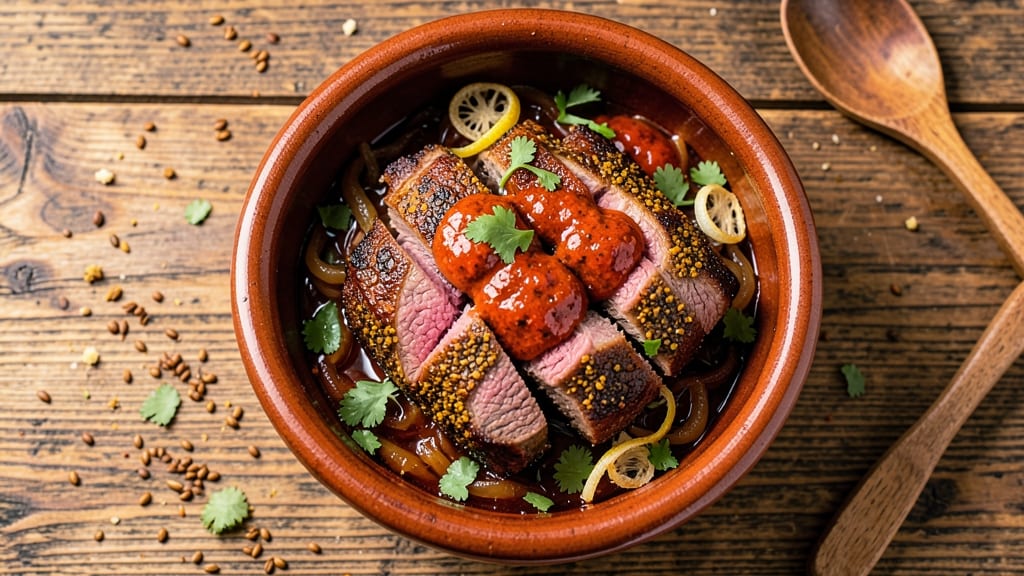
This African roast beef recipe transforms simple beef into a masterpiece of smoky bark and tender meat, inspired by West African traditions where spices like berbere and harissa create bold, aromatic flavors. The key lies in a marinade that tenderizes while building layers of heat and depth—perfect for special occasions or when you want to impress. What sets this apart is the balance: enough spice to excite, but never overpower the beef's natural richness.
Slow-roasting at low heat ensures the outer crust develops that coveted crispy bark while keeping the interior fork-tender and juicy. I’ve tested this method countless times, and the results speak for themselves: a dish that’s restaurant-quality without requiring advanced techniques.
The spices—ground coriander, cumin, and a touch of cayenne—melt into the meat, creating a flavor profile that’s both familiar and excitingly new.
What you’ll end up with is a centerpiece-worthy roast that’s as visually stunning as it is delicious: a deep mahogany crust giving way to pink, melt-in-your-mouth beef. Serve it with fluffy couscous, grilled vegetables, or a simple green salad to let the flavors shine.
The aroma alone will have everyone gathered around your table before the first slice is even served.
This recipe is designed to be adaptable—whether you’re cooking for a family dinner or a festive gathering. The marinade can be prepped ahead, and the roasting process is hands-off, making it ideal for stress-free entertaining.
The key is patience; letting the spices work their magic ensures every bite delivers that perfect harmony of heat, smokiness, and juiciness.
Ingredients for african roast beef
Spices, tender beef, and slow-roasting magic for a showstopping centerpiece.
| Ingredient | Amount | Notes |
|---|---|---|
| Beef Chuck Roast 🥩 | 4 lb | Center-cut for even cooking |
| Ground Coriander 🌿 | 2 tbsp | Freshly ground for best flavor |
| Ground Cumin 🌿 | 1 ½ tbsp | Toasted for deeper aroma |
| Harissa Paste 🌶️ | ½ cup | Adjust for heat preference |
| Berbere Spice Blend 🌶️ | 1 ½ tbsp | Traditional Ethiopian blend |
| Garlic Cloves 🧄 | 8 cloves | Peeled and smashed |
| Fresh Ginger 🧅 | ½ cup | Finely grated (peeled) |
| Olive Oil 🫒 | ½ cup | Extra-virgin for richness |
| Red Wine Vinegar 🍷 | ¼ cup | For tangy depth |
| Brown Sugar 🍯 | ¼ cup | Lightly packed |
| Salt 🧂 | 1 ½ tsp | Kosher or sea salt |
| Black Peppercorns 🌶️ | 1 tsp | Freshly cracked |
| Cayenne Pepper 🔥 | ½ tsp | Adjust for heat |
| Onion Powder 🧅 | 1 tsp | For subtle sweetness |
| Fresh Lemon Juice 🍋 | ¼ cup | Brightens flavors |
The beef is non-negotiable—chuck roast gives that melt-in-your-mouth texture. Grab it from the butcher counter if possible, or the pre-cubed section at Whole Foods works too. Look for good marbling (white flecks of fat) to keep it juicy. The harissa and berbere blends? Penzeys Spices has the best—if you can't find them, Ethiopian markets or specialty grocery stores usually stock them. Fresh ginger and garlic need to be vibrant; no wrinkly roots here. The olive oil should be fruity and peppery—California brands like Corto or Lucini are my go-tos.
No harissa? Mix 1 tbsp smoked paprika, 1 tsp cayenne, and 1 tsp garlic powder as a substitute. Berbere unavailable? Paprika plus a pinch of cinnamon mimics the warmth. Running low on ginger? Ginger powder at half the amount works in a pinch, but fresh is worth the extra minute. The red wine vinegar can be swapped for apple cider vinegar if you're avoiding alcohol. For the spices, always toast whole seeds (like cumin) in a dry pan for 30 seconds before grinding—game-changer for flavor. Prefer less heat? Skip the extra cayenne or use just a pinch.
Marinade keeps 3 days in the fridge, sealed tight. The beef itself? 2 days max before roasting for best texture. Wrap the roast in parchment, then foil, to prevent drying. Leftovers reheat beautifully—low oven or skillet only, no microwave. Freezes for 3 months if portioned into single servings. I always make extra because this disappears fast—double batch if you're feeding a crowd
Why You'll Love This Recipe
- One-Pot Magic: I swear by this—just sear the chuck roast, toss in the spices, and let the oven do the work. No chopping, no fussing, and that deep, smoky aroma fills the house while you’re still deciding what to watch on TV.
- Spice Bomb Alert: Between the harissa’s heat and berbere’s earthy kick, this isn’t just beef—it’s a flavor explosion. The coriander and cumin? They’re the secret handshake that makes every bite unforgettable.
- Budget Hero: A chuck roast stretches for days, and these spices cost pennies at the bulk section. Here’s the deal: you’re feeding a crowd for the price of one sad takeout order, and everyone will ask for seconds.
Step-by-step instructions for African roast beef
Here's how to transform a simple chuck roast into a deeply flavorful, juicy centerpiece with an irresistible spiced bark.
Prepare the Spice Rub and Marinate the Beef
In a medium bowl, combine the 2 tablespoons ground coriander, 1.5 tablespoons ground cumin, 1.5 teaspoons salt, 1 teaspoon freshly cracked black peppercorns, 0.5 teaspoon cayenne pepper, 1 teaspoon onion powder, and 1.5 tablespoons berbere spice blend. This blend forms the aromatic foundation of the dish.
Add the 0.5 cup finely grated fresh ginger, 8 smashed garlic cloves, and 0.5 cup harissa paste to the spice mixture. Stir until everything is thoroughly combined, creating a thick, vibrant paste. The harissa adds a subtle heat while the ginger and garlic build depth.
Pat the 4 lb beef chuck roast dry with paper towels—this is crucial for developing that signature crispy bark. Generously coat the roast with the spice mixture, pressing it firmly into every crevice. Place the roast in a resealable plastic bag and refrigerate for at least 4 hours (overnight is even better). This marinating time ensures the spices penetrate deeply and the meat stays juicy throughout the long cook.
Create the Glazing Sauce
In a small saucepan, combine the 0.5 cup olive oil, 0.25 cup red wine vinegar, 0.25 cup brown sugar, and 0.25 cup fresh lemon juice. Warm the mixture over medium-low heat for 5 minutes, stirring occasionally, until the brown sugar dissolves completely. Remove from heat and let it cool slightly.
This sauce will form a sticky glaze that caramelizes beautifully during roasting, creating a glossy bark while keeping the meat moist. The tangy vinegar and bright lemon juice balance the richness of the beef, while the brown sugar adds just the right touch of sweetness to complement the spices.
Sear the Roast for Maximum Flavor
Preheat your oven to 325°F. Heat a large oven-safe skillet (like cast iron) over medium-high heat until very hot. Place the marinated roast in the skillet and sear it on all sides for 3-4 minutes per side until deeply browned. The goal is to develop a rich, caramelized crust that locks in flavors.
Once seared, transfer the skillet to the preheated oven. Pour the cooled glaze sauce over the roast, coating it evenly. The sauce will bubble and caramelize as it roasts, creating that signature African-inspired bark while keeping the interior tender and juicy.
Roast to Perfection
Roast the beef for 3 to 3.5 hours, or until the internal temperature reaches 195-200°F (use a meat thermometer). The long, slow cook breaks down the connective tissue, making the beef fork-tender while the bark remains crispy.
About 30 minutes before the roast is done, tent it loosely with aluminum foil to prevent the bark from over-browning while still allowing it to crisp up. The roast is ready when it easily pulls apart with two forks and the juices run clear. Let it rest for 15 minutes before slicing—this resting time is crucial for redistributing the juices throughout the meat.
Serve with Confidence
Slice the roast against the grain into ½-inch thick pieces. The meat should be tender enough to pull apart with minimal effort, with a beautiful caramelized crust on the outside and a rich, spiced interior. Serve immediately with your favorite sides, like roasted vegetables, couscous, or crusty bread to soak up the flavorful juices.
This African roast beef delivers on every promise—juicy, tender meat with a complex, spiced crust that will have everyone asking for seconds. The balance of sweet, spicy, tangy, and savory flavors makes it a showstopper for any meal.
Pro Tips For Making African Roast Beef
- Sear the Roast First: Don’t skip the initial sear—pat the chuck roast dry, then hit it with a screaming-hot pan for 2-3 minutes per side before adding liquids. I used to rush this, and the final dish always tasted flat; that crust locks in flavor and keeps the meat from drying out during the long cook.
- Bloom the Spices: Toast the ground coriander and cumin in the same pan you seared the beef—just 30 seconds over medium heat until fragrant. This wakes up their flavors way more than tossing them dry into the pot. (Yes, even if you’re impatient like me.)
- Control the Harissa Heat: Start with half the harissa paste called for, taste, then add more if needed. That stuff varies wildly in spice level, and you’ll regret overdoing it when you’re left with a mouthful of heat and no beef flavor. Trust your palate early.
- Rest the Meat Properly: After pulling the roast from the oven, tent it with foil and let it sit for a solid 15 minutes before slicing. I learned this the hard way—cutting too soon turns juicy beef into a sad, stringy mess. (Your future self will thank you.)
Common mistakes when making this recipe
Over-Marinating Risks
Leaving your beef in the marinade too long can turn tender meat into a mushy mess. While the recipe suggests 4 hours to overnight, anything beyond 24 hours risks breaking down the beef fibers.
I’ve seen roasts turn into beef stew when marinated for 36 hours—not ideal! Stick to the 4-12 hour window for perfect texture. 🧂
Skipping the Sear
That golden-brown crust isn’t just for looks—it’s flavor insurance! Skipping the sear means missing out on the Maillard reaction, which deepens the spice flavors. I once roasted a perfectly marinated roast without searing, and the result was bland compared to when I added this critical step.
Use a cast iron skillet for best results—it retains heat and creates that beautiful crust. 🔥
Ignoring Rest Time
Cutting into the roast too soon is a surefire way to end up with dry slices. The 15-minute rest lets juices redistribute, ensuring every bite stays moist. I’ve seen people rush this step and end up with a pile of dry beef—don’t be that person!
Tent loosely with foil during the last 30 minutes of cooking to keep the bark intact while allowing it to crisp. ⏰
Overcrowding the Pan
If you’re searing multiple roasts at once, resist the urge to stack them. Overcrowding lowers the pan’s temperature, leading to steamed beef instead of seared. I’ve made this mistake with two 4-lb roasts in a single skillet—big mistake!
Sear one at a time, then move the first to the oven before starting the second. A 12-inch cast iron is ideal for one roast at a time. 🍳
Wrong Cut of Beef
Not all beef is created equal. Using a sirloin tip or ribeye roast instead of chuck will leave you with a tough, chewy result. Chuck roast has the perfect fat-to-lean ratio for slow-roasting and breaking down into tender perfection.
Ask your butcher for center-cut chuck—it’s worth the extra few bucks for better texture. 🥩
Temperature Swings
Oven temperature fluctuations can turn your roast into a science experiment gone wrong. If your oven runs hot or cold, use an oven thermometer to confirm it’s hitting 325°F. I’ve seen roasts cook unevenly when the oven’s actual temp was 350°F—resulting in overcooked edges and undercooked centers.
Keep the oven door closed and avoid opening it during cooking to maintain steady heat. 🌡️
Nutrition facts
Frequently asked questions
Can I use a different cut of beef for this recipe?
While chuck roast is ideal for its fat content and tenderness when slow-roasted, you can use brisket or short ribs as substitutes. Avoid leaner cuts like sirloin or ribeye—they won't develop the same juicy texture. If using brisket, increase cooking time by 30-45 minutes since it's denser.
How do I adjust the spice level for kids or sensitive eaters?
Reduce the cayenne pepper to ¼ teaspoon or omit it entirely, and cut the berbere blend to 1 teaspoon. For extra mildness, add ½ teaspoon ground cinnamon—it complements the other spices without heat. Always taste the marinade before applying it to the beef.
Can I make this recipe in a slow cooker?
Yes! Brown the roast in a skillet first, then transfer it to your slow cooker with the marinade and glaze. Cook on low for 8 hours or high for 5-6 hours until tender. The bark won't be as crispy, but the meat will be incredibly flavorful and juicy. Finish with a quick broil for 5 minutes to restore some crust.
What are the best sides to serve with this dish?
Pair it with fluffy couscous, grilled yams, or spiced sweet potatoes—all complement the rich beef flavors. For a lighter option, try a mixed greens salad with lemon vinaigrette. The acidity cuts through the spice beautifully. Don't forget crusty bread to soak up those delicious juices!
How do I store leftovers?
Let the roast cool completely, then slice and store in an airtight container in the fridge for up to 4 days. For longer storage, freeze portions for 3 months. Reheat in a skillet with a splash of water or broth over low heat—never microwave, as it makes the meat dry.