
Soups & Stews
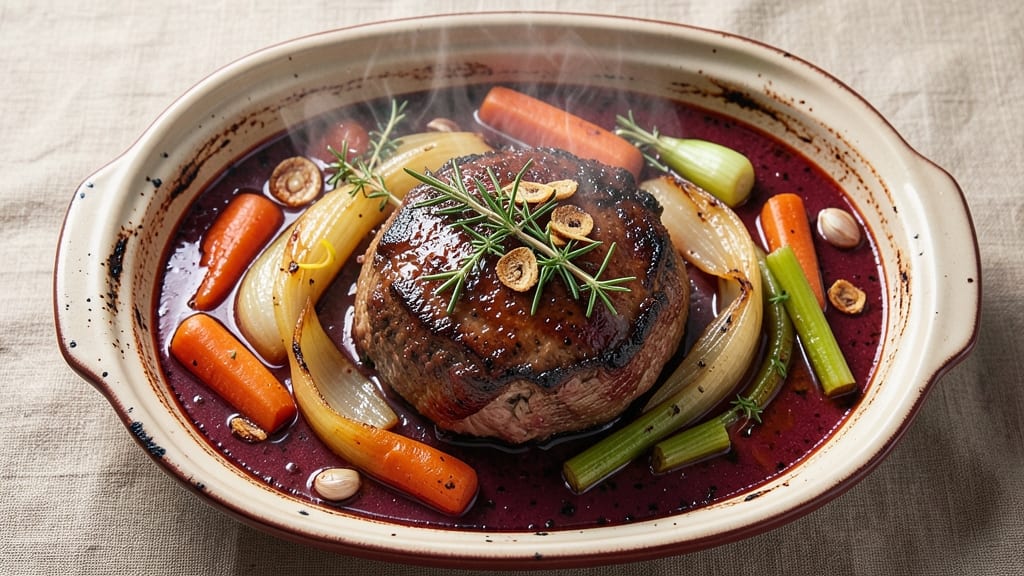
This award-winning slow cooker beef stew transforms tough cuts into melt-in-your-mouth perfection with deep red wine and caramelized root vegetables. The secret lies in slow-cooking the beef until tender while developing rich, layered flavors through proper searing and aromatic layering—no fancy techniques required, just patience and precision.
What sets this recipe apart is the balance of techniques: browning the meat creates a flavorful crust, while red wine and herbs infuse the broth with depth. The slow cooker does the heavy lifting, ensuring the beef becomes tender without drying out, and the vegetables caramelize into sweet, tender bites.
This isn’t just stew—it’s a hearty, restaurant-quality meal that tastes even better the next day.
The result is a rich, velvety stew with deep red undertones from the wine, tender beef that falls apart easily, and vegetables that are perfectly caramelized. The sauce clings to every bite, delivering layers of savory, slightly sweet, and herby flavors that make this dish unforgettable.
Serve with crusty bread to soak up every last drop of that flavorful broth.
Whether you're feeding a family or meal prepping for the week, this stew delivers consistent, award-worthy results. The slow cooker makes it effortless, while the techniques ensure it tastes like you spent hours in the kitchen. Here’s how to make it happen.
Ingredients for award winning beef stew recipe slow cooker
Sixteen ingredients for a stew that tastes like a Michelin-starred restaurant.
| Ingredient | Amount | Notes |
|---|---|---|
| Chuck Roast 🥩 | 3 lb | Tough cut for maximum tenderness |
| Yellow Onions 🧅 | 2 whole | Medium size, sliced thick |
| Carrots 🥕 | 4 whole | Medium size, peeled and chopped |
| Celery Stalks 🧄 | 4 whole | Fresh, trimmed and chopped |
| Garlic Cloves 🧄 | 6 cloves | Fresh, smashed but not minced |
| Dry Red Wine 🍷 | 1 ½ cups | Bold variety like Cabernet Sauvignon |
| Beef Broth 💧 | 2 cups | Low-sodium preferred |
| Tomato Paste 🍅 | 2 tbsp | Smooth, not chunky |
| Fresh Thyme 🌿 | 2 sprigs | Or 1 tsp dried thyme |
| Fresh Rosemary 🌿 | 1 sprig | Or 0.5 tsp dried rosemary |
| Bay Leaves 🌿 | 2 whole | Remove before serving |
| Olive Oil 🫒 | 2 tbsp | Extra-virgin for richness |
| Salt 🧂 | 1 ½ tsp | Kosher or sea salt |
| Black Pepper 🌶️ | 1 tsp | Freshly ground preferred |
| Worcestershire Sauce 🍶 | 1 tbsp | Vegan if needed |
The chuck roast is non-negotiable here—Costco or Whole Foods have the best cuts, but any well-marbled roast works. Look for at least 3 pounds to feed six people generously. The wine? Any bold red—Cabernet Sauvignon, Merlot, even a cheap Zinfandel. If you're feeling fancy, Trader Joe's organic red blend is a great budget pick. Fresh thyme and rosemary make all the difference, but don't stress if you only have dried—just cut the amount in half. The beef broth should be low-sodium; Kirkland Signature or Pacific Foods are my go-tos.
No red wine? Substitute beef broth with a splash of balsamic vinegar—it mimics the depth. Worcestershire sauce too pricey? Skip it—this stew is already packed with flavor. Fresh herbs wilt fast, so store them in a damp paper towel in the fridge. The carrots and celery can be prepped ahead—chop and store in a sealed container for up to 3 days. For extra richness, add 1 tbsp tomato paste to the slow cooker along with the broth. And trust me, don't skip the searing step—that crust is where all the magic happens.
This stew tastes even better the next day—plan ahead. It keeps for 4-5 days in the fridge and freezes beautifully for up to 3 months. I like to portion it into individual freezer bags for quick lunches. The wine and broth flavors meld beautifully over time, so reheat gently on the stove or in the microwave. Serve with crusty bread to soak up every last drop of that velvety sauce—sourdough or a good baguette works perfectly.
Why You'll Love This Recipe
- Dump-and-Walk Away: The chuck roast and veggies go in raw—no pre-cooking, no fancy layers. I toss in the onions, carrots, celery, and garlic, add the broth, and hit low for 8 hours. That’s it. The slow cooker does all the work while I answer emails or watch a movie.
- Deep, Caramelized Magic: Here’s what sold me—the chuck roast turns buttery and tender, practically falling apart, while the onions and carrots caramelize into sweet, jammy perfection. That crispy edge on the edges? Chef’s kiss. The garlic? It infuses the whole pot with a warm, aromatic punch that makes you want to eat it straight from the spoon.
- Leftovers That Feel Like a Treat: Between us, I make this twice because the second batch tastes even better. The flavors meld overnight, and reheating it the next day? It’s like a cozy hug in a bowl. Pack it for lunches, freeze portions, or serve it to guests who’ll swear you slaved over it.
- Budget-Friendly Crowd-Pleaser: A 3-pound chuck roast feeds my family of four and leaves enough for leftovers—no fancy cuts, no wasted money. The onions, carrots, and celery stretch the meal further, and the slow cooker means no energy bills blowing up. It’s my go-to for game days, potlucks, or nights when I’d rather spend $10 than $30 on takeout.
Step-by-step instructions for award-winning slow cooker beef stew
This rich, deep-red wine braise transforms tough chuck roast into melt-in-your-mouth perfection.
Sear the Chuck Roast for Maximum Flavor
Heat a large Dutch oven over medium-high heat and add the 2 tablespoons olive oil. Once shimmering, place the 3 lb chuck roast in the pan, fat-side down. Let it sear undisturbed for 4-5 minutes until a deep brown crust forms—this builds the foundation for rich flavor. Flip the roast and sear the other side for another 3-4 minutes until equally browned.
While the roast sears, I like to press down gently on it during the first minute—this prevents it from curling and ensures even contact with the pan. Remove the roast and set it aside on a plate. The goal here is to develop that caramelized crust that'll dissolve into the sauce later, creating layers of depth. Don't skip this step; it makes all the difference in a slow cooker recipe where you can't control the heat directly.
Build the Aromatic Vegetable Base
In the same Dutch oven, add the 2 whole yellow onions sliced thick, 4 whole carrots chopped into 1-inch pieces, and 4 whole celery stalks cut into ½-inch chunks. Cook over medium heat for 8-10 minutes, stirring occasionally, until the vegetables begin to soften and develop a golden hue. You'll see the onions turn translucent and the carrots release their natural sugars—this is where the sweetness comes from.
Add the 6 cloves garlic cloves that have been smashed but not minced, and cook for another 1 minute until fragrant. Here's where the flavor really starts to build. Don't let the garlic burn—it should just perfume the vegetables. Stir in the 2 tablespoons tomato paste and cook for 30 seconds to deepen the color and enhance the umami. This paste acts as a flavor multiplier, intensifying all the other ingredients.
Deglaze and Layer the Slow Cooker
Pour in the 1.5 cups dry red wine and scrape up all the browned bits from the bottom of the pan using a wooden spoon. These bits are pure flavor—don't waste them. Let the wine simmer for 2-3 minutes until reduced by about half, which concentrates the flavors. Add the 2 cups beef broth, 1.5 teaspoons salt, 1 teaspoon black pepper, and 1 tablespoon Worcestershire sauce.
Return the seared chuck roast to the Dutch oven and place it in the slow cooker. Add the 2 sprigs fresh thyme, 1 sprig fresh rosemary, and 2 whole bay leaves. The herbs will infuse the broth with their aromatic oils as everything cooks. Cover the slow cooker and cook on low heat for 8 hours, or until the meat is fork-tender and pulls apart easily. This low-and-slow approach is key—it allows the connective tissue to break down gradually, creating that signature stew texture.
Finish with Caramelized Vegetables
About 30 minutes before the stew is done, remove the lid and increase the heat to high to thicken the sauce slightly. The vegetables should be tender but still holding their shape—this is what gives the stew its satisfying texture. If the sauce is too thin, uncover it for the last 15 minutes to reduce it further. You want a sauce that coats the back of a spoon but isn't gluey.
Taste and adjust the seasoning if needed—this is your chance to balance the flavors. The wine and tomato paste should provide acidity, the herbs add depth, and the Worcestershire sauce brings umami. Remove the bay leaves and thyme sprigs before serving, as they can be bitter if overcooked. The rosemary sprig can stay in if you prefer a more pronounced herbal note. Serve the stew hot, with crusty bread to soak up every last drop of that rich, caramelized sauce.
Pro Tips For Making Award Winning Beef Stew Recipe Slow Cooker
- SEAR THE ROAST FIRST: I learned this the hard way—skipping the sear means flavor hiding in the slow cooker. Pat the chuck roast completely dry, then hit it with high heat in a cast-iron or heavy skillet until deep brown on all sides. The crust locks in juices and builds depth that no slow cooker alone can match.
- CHOP VEGETABLES UNIFORM: No one wants mushy carrots or crunchy celery in the same bite. Cut onions into ½-inch chunks, carrots into ¼-inch rounds, and celery into ½-inch pieces—big enough to hold shape but small enough to cook through. (Yes, even if it takes 5 extra minutes.)
- DON’T OVERFILL THE POT: I used to dump everything in and pray. The rule: fill the slow cooker only halfway with liquid. Too much = bland stew; too little = burnt veggies. For a 6-quart pot, aim for 2–3 cups broth or water. The meat will release its own juices as it cooks.
- ADD POTATOES LATE: I was skeptical until I tried it—adding waxy potatoes (like Yukon Golds) in the last 2 hours turns them creamy without falling apart. Peel and cut them into 1-inch chunks, then nestle them around the meat. They’ll absorb flavor like sponges and save you from soggy leftovers.
Dietary considerations for these flavors
Gluten-Free Adaptations
This stew is naturally gluten-free, but always double-check your ingredients. The Worcestershire sauce often contains gluten, so opt for a gluten-free version like Annie's or Lea & Perrins gluten-free. The beef broth should also be gluten-free—brands like Pacific Foods or Imagine are safe choices.
I’ve made this recipe with these substitutions without sacrificing flavor, and it’s just as rich and satisfying. 🌾
Dairy-Free Considerations
This recipe doesn’t include dairy, making it naturally suitable for those avoiding lactose or following vegan diets. The only potential concern is the Worcestershire sauce, which sometimes contains anchovies (a fish derivative).
For a fully vegan version, use a vegan Worcestershire sauce like Bragg Liquid Aminos or Tyler's Original. The slow-cooked beef and wine create enough depth that no dairy is missed.
Low-Carb Options
To make this stew lower in carbs, reduce the carrots and onions by half and add extra mushrooms or cauliflower florets for bulk. Mushrooms caramelize beautifully and add umami without many carbs.
For a keto-friendly version, skip the carrots entirely and use zucchini slices instead—they soften nicely in the slow cooker. The beef and wine base remain the star, so the flavor stays intact. 🥕
Allergen-Friendly Swaps
For nut allergies, this recipe is already safe, but always check labels on beef broth and Worcestershire sauce for hidden additives. If you’re avoiding sulfites, use a sulfite-free wine like Freixenet Cordon Negro or a natural, organic red.
For egg allergies, no substitutions are needed—this stew is entirely egg-free. The slow cooker does all the work, so no extra binders or thickeners are required.
Sodium Control Tips
To reduce sodium, use low-sodium beef broth and skip added salt until the end. Taste the stew before adding salt—you’ll likely need less than the 1.5 teaspoons called for. For extra flavor without sodium, add a pinch of smoked paprika or garlic powder.
The slow cooking process intensifies flavors, so even with less salt, the stew will taste rich and satisfying. 🧂
Nutrition facts
Frequently asked questions
Can I use a different cut of beef instead of chuck roast?
While chuck roast is ideal for its marbling and tenderness, you can substitute with brisket or stew meat (like short ribs). Avoid lean cuts like sirloin—they'll dry out. If using brisket, trim excess fat and increase cooking time by 1-2 hours on low. The key is choosing a cut with connective tissue that breaks down during slow cooking.
What if I don't have red wine? Can I substitute?
Yes! For 1.5 cups red wine, mix 1 cup beef broth with ½ cup balsamic vinegar or apple cider vinegar. The acidity mimics wine's depth. For a non-alcoholic option, use 1 cup beef broth + ½ cup tomato paste. The wine's acidity prevents the stew from tasting flat, so substitutions should provide similar tang.
How do I know when the beef is fully tender?
The meat should easily pull apart with a fork and look fork-tender (no pink center). For chuck roast, 8 hours on low is standard, but check at 6 hours if you're short on time. Insert a meat thermometer—it should read 203°F (connective tissue breaks down at this temp). If it's not tender enough, cook 2 more hours. Never rush this step!
Can I make this stew in an Instant Pot instead?
Follow the same prep, then sear the beef and sauté veggies in the Instant Pot. Deglaze with wine, add broth, and cook on high pressure for 60 minutes. Let pressure release naturally for 15 minutes before opening. The Instant Pot speeds up cooking but delivers the same tender results. For extra richness, finish with 15 minutes on sauté mode to reduce the sauce.
Why does my stew taste too thin or watery?
Slow cookers vary—some release more moisture. If the sauce is too thin, remove the lid for the last 30 minutes to reduce it. For thicker stew, mash 1-2 potatoes into the sauce or mix 1 tablespoon cornstarch with cold water and stir in at the end. The wine and broth should reduce naturally, but high-moisture cuts or humid climates can affect consistency.