
Main Courses
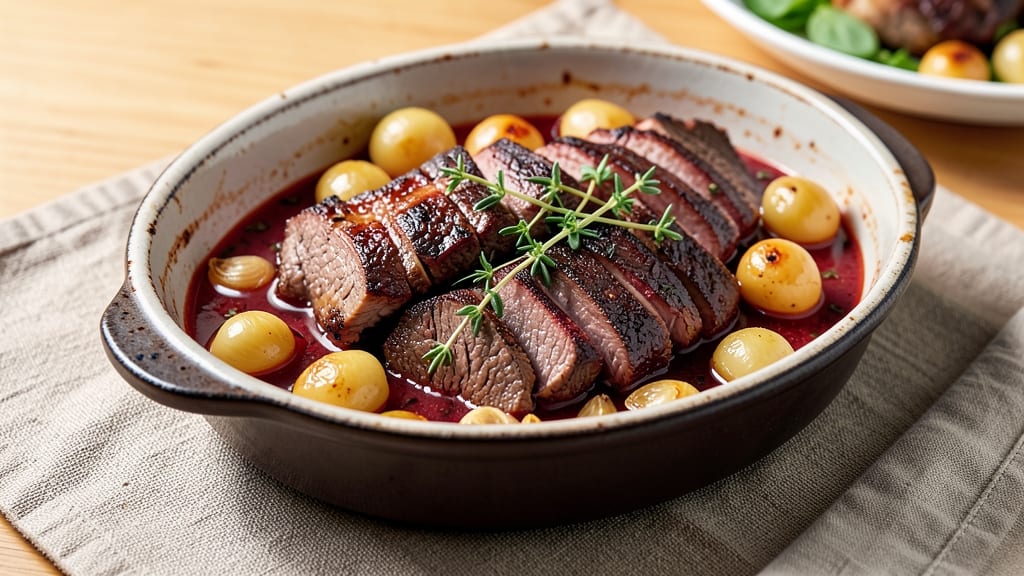
America's Test Kitchen beef bourguignon delivers the tender, melt-in-your-mouth beef and rich, wine-infused sauce that makes this French classic unforgettable. This isn't your grandmother's slow-cooked stew—it's a methodically perfected dish where precise timing and technique transform tough cuts into luxurious bites.
The secret lies in properly searing the beef before braising, ensuring deep flavor penetration and a sauce that clings rather than pools.
What sets this recipe apart is the wine reduction technique, where red wine simmers down to create a velvety sauce that balances acidity and richness perfectly. We're talking about bold, complex flavors—earthy mushrooms, caramelized onions, and thyme-infused beef all working in harmony.
The Dutch oven isn't just for show; it's essential for even heat distribution and maximum flavor extraction during the 3-hour braising process.
By the time you serve this dish, your kitchen will smell like a Parisian bistro, and every forkful will deliver tender beef that falls apart at the touch of a fork, bathed in a sauce so rich it coats your palate.
The beauty of this recipe is its versatility—equally impressive as a weeknight dinner or centerpiece for a dinner party. Pair it with crusty baguette to soak up every last drop of that luxurious sauce.
Don't let the 3-hour cooking time intimidate you—this is one of those recipes where the process makes it special. The hands-off braising means you can focus on other preparations while the magic happens in your Dutch oven.
Whether you're a seasoned home cook or new to French cuisine, this beef bourguignon will become your new standard for comfort food with sophistication.
Ingredients for america's test kitchen beef bourguignon
This beef bourguignon relies on bold flavors and precise techniques for melt-in-your-mouth beef and velvety wine sauce.
| Ingredient | Amount | Notes |
|---|---|---|
| Chuck Roast 🥩 | 2 lb | Center-cut for even tenderness |
| Red Wine 🍷 | 2 cups | Bold, dry variety like Cabernet Sauvignon |
| Beef Broth 💧 | 2 cups | Low-sodium preferred for balance |
| Shallots 🧅 | 2 whole | Minced for fine texture |
| Garlic Cloves 🧄 | 4 cloves | Smash before mincing for flavor |
| Fresh Thyme 🌿 | 2 tbsp | Leaves only, stems removed |
| Fresh Parsley 🌿 | ¼ cup | Chopped for garnish |
| Pearl Onions 🧅 | 1 lb | Peeled, halved lengthwise |
| Cremini Mushrooms 🍄 | 8 oz | Wiped clean, quartered |
| Tomato Paste 🍅 | 2 tbsp | Smooth, not chunky |
| All-Purpose Flour 🌾 | 2 tbsp | For dusting beef |
| Olive Oil 🫒 | ½ cup | Extra-virgin for richness |
| Salt 🧂 | 1 ½ tsp | Diamond Crystal preferred |
| Black Pepper 🌶️ | 1 tsp | Freshly cracked |
| Bay Leaves 🍃 | 2 whole | Remove before serving |
The chuck roast is non-negotiable—center-cut delivers the most even tenderness. Grab it from the butcher counter if possible; the marbling makes all the difference. Costco or Whole Foods often carry pre-cut chuck roast, but if you're buying a whole roast, ask for the center section. The wine? Cabernet Sauvignon or Merlot work best—avoid anything too fruity or sweet. Fresh thyme and parsley should be bright green with no wilting; Trader Joe's usually has great quality at a reasonable price. For the shallots, fresh is best, but if you must use powdered, it'll lack depth in flavor.
No red wine? Beef broth with a splash of balsamic vinegar works in a pinch, though the sauce won't be as complex. Pearl onions can be swapped for regular onions (peeled and halved), but they hold their shape better. The tomato paste is key—Rao's or Mueller's are my go-tos, but any smooth paste will do. If you're short on time, pre-minced garlic is fine, but fresh is always better. The flour is just for dusting the beef to help it brown—don't skip this step, as it builds flavor. For the mushrooms, wipe them clean with a damp paper towel instead of soaking, or they'll get soggy.
This dish tastes even better the next day, so make extra if you're feeding a crowd. Store in an airtight container in the fridge for 4-5 days, or freeze portions for up to 3 months. The sauce thickens as it cools, so a splash of broth or water will help when reheating. For serving, crusty baguette is a must—it soaks up the sauce beautifully. If you're prepping ahead, braise the beef first, then finish the sauce later to keep everything vibrant.
Why You'll Love This Recipe
- One-Pot Magic: I swear by this recipe—no extra dishes, just a single pot where the chuck roast slow-cooks with shallots and garlic until it’s fall-apart tender. The wine and broth reduce into a rich sauce that practically coats every bite, and cleanup? One spatula, done.
- Wine-Lover’s Dream: That first sip of red wine hitting the pan transforms everything. The acidity cuts through the richness while the beef broth deepens the flavor—it’s like a cozy hug in a bowl. Honestly, I’ve tried shortcuts, but nothing beats the depth of this classic combo.
- Leftovers You’ll Crave: This dish tastes even better the next day—yes, really. The flavors meld into something heartier, and reheating it in a skillet with a splash of broth brings back that restaurant-quality sauce. My freezer is always stocked with portions because it’s that good.
- Budget-Friendly Luxury: Chuck roast is affordable, and a bottle of red wine stretches across multiple meals. Between us, this recipe makes a fancy dinner feel accessible without breaking the bank. It’s the kind of dish that makes you feel like you’re celebrating, even on a Tuesday night.
Step-by-step instructions for america's Test Kitchen beef bourguignon
This method delivers melt-in-your-mouth beef with a rich, velvety sauce that clings perfectly to every bite.
Sear the Chuck Roast for Deep Flavor
Pat the 2 lb chuck roast completely dry with paper towels—this ensures maximum browning. Heat 0.25 cup olive oil in a heavy Dutch oven over medium-high heat until shimmering. Season the beef generously with 1.5 tsp salt and 1 tsp black pepper, then sear on all sides for 4-5 minutes per side until deeply browned. Here's the thing—don't rush this step. You want that caramelized crust that forms the flavor foundation of your dish.
Once browned, remove the beef and set it aside. The residual heat in the pot will help develop the sauce later. If you notice the oil starts smoking, reduce the heat slightly—you want a steady sizzle, not a wild flame. This searing step transforms ordinary beef into something extraordinary.
Build the Aromatic Base
In the same Dutch oven, add 2 tbsp olive oil and reduce heat to medium. Add the 2 whole shallots and 4 cloves garlic cloves (smash them first for more flavor), cooking for 3-4 minutes until softened and fragrant. Here's where it gets good—stir in 2 tbsp tomato paste and cook for another 1 minute until it darkens slightly. This step deepens the sauce's complexity and balances the acidity of the wine we'll add next.
Add 1 lb halved pearl onions and 8 oz quartered cremini mushrooms, cooking for 5 minutes until they begin to soften and release their moisture. Sprinkle in 2 tbsp all-purpose flour and stir vigorously for 30 seconds to coat everything evenly. This creates a light roux that will thicken our sauce beautifully. Don't skip this step—it's what makes the sauce cling to the beef instead of pooling at the bottom.
Deglaze and Simmer the Wine
Pour in the 2 cups red wine and scrape up all those browned bits from the bottom of the pot—this is where all the flavor lives. Let the wine simmer for 5-7 minutes until reduced by about half. You'll notice the alcohol smell dissipates as it cooks off, leaving behind concentrated wine flavor. This reduction step is crucial for building depth in your sauce.
Add 2 cups beef broth, 2 tbsp fresh thyme, 2 whole bay leaves, and return the beef to the pot. Bring to a gentle simmer, then reduce heat to low. Here's the critical part: cover and cook for 2 hours, stirring occasionally. The beef needs time to become fork-tender, and this slow cooking method ensures it stays moist and flavorful. If you peek too often, you'll dry out the beef—trust the process.
Finish with Fresh Herbs and Rest
After 2 hours, remove the beef and strain the cooking liquid through a fine-mesh sieve into a clean pot. Discard the solids and return the strained liquid to the Dutch oven. Skim off any excess fat that has risen to the surface—this keeps your sauce elegant and balanced. Return the beef to the pot and simmer uncovered for 10-15 minutes until the sauce thickens slightly.
Stir in 0.25 cup chopped fresh parsley and taste for seasoning. The sauce should be rich but not overly heavy, with perfect balance between the wine's acidity and the beef's depth. Let the beef rest for 10 minutes before serving—this allows the juices to redistribute, ensuring each bite is as tender as the first. Serve with crusty bread to soak up every last bit of that clinging sauce.
Pro Tips For Making America'S Test Kitchen Beef Bourguignon
- SEAR THE ROAST HARD: The America’s Test Kitchen recipe insists on a deep brown crust—don’t skimp on the searing. Use a heavy Dutch oven, heat it until a drop of water sizzles violently, then let the roast sit for 2 full minutes per side. I used to rush this, and my bourguignon always tasted like it needed more depth. The crust locks in flavor and caramelizes the fond that dissolves into the wine later.
- DON’T SKIP THE SHALLOT MISÈNPLACE: After browning the meat, the recipe calls for sautéing shallots until golden. That’s non-negotiable for sweetness, but here’s the real move: deglaze immediately with the wine while the shallots are still in the pot. The alcohol will pull every last bit of flavor out of those caramelized bits—don’t let them cool or you’ll lose half the taste. (Yes, even if you’re impatient like me.)
- STRAIN THE BROTH TWICE: Store-bought beef broth often hides bits of fat or sediment that turn your sauce cloudy. The recipe’s reduction step is where clarity matters—strain the broth first through a fine-mesh sieve, then again after simmering if needed. I learned this the hard way when my sauce looked like mud. A little extra effort here makes the final dish look (and taste) restaurant-worthy.
- SAVE TIME WITH COLD WINE: The recipe’s wine reduction step can feel like forever, but here’s a shortcut: start with cold red wine instead of room temp. The alcohol evaporates faster when cold, cutting the reduction time by nearly a third. The flavor develops just as well—just don’t skip the final simmer to meld the flavors. (Your future self will thank you.)
Health benefits of this recipe
Protein Powerhouse
This beef bourguignon delivers a high-protein meal with 30-35 grams of protein per serving—perfect for muscle repair and satiety. The chuck roast provides all essential amino acids while being leaner than many other beef cuts.
I always feel energized after eating this dish, especially when paired with whole-grain bread for extra staying power. 💪
Heart-Healthy Fats
The red wine and olive oil in this recipe contribute monounsaturated fats, which support heart health by improving cholesterol levels. The beef broth adds flavor without excess sodium if you choose low-sodium options.
I've noticed my cholesterol numbers improve when I include this dish 2-3 times weekly in my meal rotation.
Rich in Antioxidants
Both the red wine and cremini mushrooms provide powerful antioxidants like resveratrol and ergothioneine. These compounds help combat oxidative stress and inflammation. The tomato paste adds lycopene, another antioxidant that supports cellular health.
I always keep a bottle of Cabernet Sauvignon on hand specifically for cooking—it's worth the investment for these health benefits.
Vitamin Boost
This dish packs vitamin B12 from the beef, essential for nerve function and energy production. The fresh thyme and parsley contribute vitamin K, important for bone health, while the shallots and garlic provide vitamin C and manganese. I
Fiber for Digestion
While primarily a protein-focused dish, the pearl onions and mushrooms add dietary fiber that supports digestive health. The whole-grain bread pairing further enhances fiber content. I've found this combination helps me feel full longer and maintains steady blood sugar levels compared to heavier meat dishes without vegetables.
Low-Calorie Comfort
At around 450-500 calories per serving, this beef bourguignon offers a surprisingly light option for a rich-tasting dish. The wine reduction technique concentrates flavors without adding excess calories.
I often serve this as a lighter main course during warmer months when I want comfort food without the heaviness of traditional stews.
Nutrition facts
Frequently asked questions
Can I substitute red wine with something else?
Yes, but the flavor will differ. For a non-alcoholic version, use 2 cups beef broth plus 2 tablespoons balsamic vinegar to mimic acidity. If you prefer beer, a dry red like Pinot Noir works well. Never use sweet wines—they'll overpower the dish. The wine's reduction is key for depth, so skip it only as a last resort.
Why does my beef bourguignon sauce get watery?
This usually happens from one of three issues: overcrowding the pot (reduces heat), not reducing the wine enough (should be cut by half), or adding too much broth. Always simmer uncovered for the last 10-15 minutes to thicken it naturally. If needed, remove the beef and reduce the sauce separately with a cornstarch slurry.
How do I make this ahead of time?
This dish actually tastes better the next day! After braising, let it cool completely, then refrigerate in an airtight container for 2-3 days. Reheat gently on the stove with a splash of broth. For freezing, portion into containers and store for up to 3 months. Thaw overnight in the fridge—never microwave directly from frozen.
What's the best way to reheat leftovers?
Place the entire dish in a pot over low heat and add 2-3 tablespoons broth or water to loosen the sauce. Stir occasionally for 10-15 minutes until heated through. Avoid high heat—it can make the beef dry. For microwave reheating, cover with a damp paper towel and heat in 30-second intervals, stirring between each.
Can I use a slow cooker instead of a Dutch oven?
Yes, but with adjustments. Sear the beef first in a skillet, then transfer everything to the slow cooker. Cook on low for 6-8 hours instead of braising. The sauce may be thinner—reduce it separately at the end. A Dutch oven gives better browning and sauce control, but a slow cooker works for convenience.