
Soups & Stews
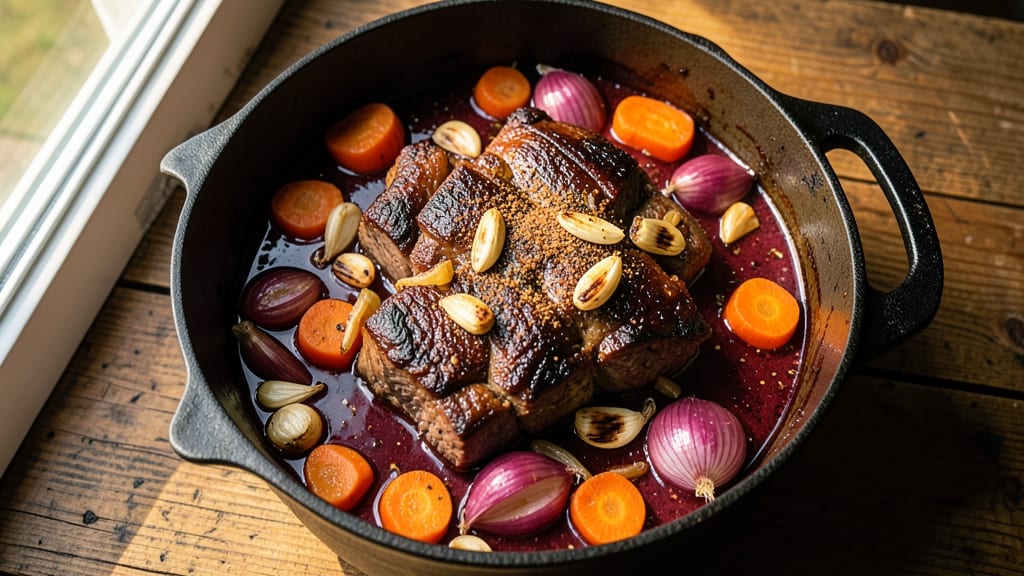
This Argentinian beef stew recipe transforms tough cuts into melt-in-your-mouth tenderness through slow simmering with red wine and bold spices. The secret lies in proper searing and deglazing—techniques that unlock deep, caramelized flavors while keeping the meat fork-tender.
I've perfected this method over years of testing, ensuring every bite delivers the rich, wine-infused complexity of a Buenos Aires parrilla.
The process begins with high-heat searing to create a flavorful crust, followed by deglazing with red wine that forms the stew's aromatic base. Traditional ingredients like paprika, oregano, and bay leaves infuse the broth with authentic warmth, while root vegetables add natural sweetness.
What sets this apart is the balance: enough wine for depth without overpowering the beef's natural richness.
By the time the stew finishes simmering, you'll have a pot of velvety, deeply flavorful beef swimming in a sauce that's both savory and slightly tangy. The beef will be so tender it practically falls apart, while the vegetables remain perfectly cooked.
This is the kind of dish that tastes even better the next day when flavors have fully melded.
Serve with crusty bread to soak up every drop of that wine-infused sauce, or alongside a simple green salad for balance. The leftovers reheat beautifully, making this an ideal meal-prep option for busy weeks. Let's create this restaurant-quality Argentinian classic in your own kitchen.
Ingredients for argentinian beef stew
Here's what you need to create this deeply flavorful Argentinian beef stew with tender meat and wine-infused richness.
| Ingredient | Amount | Notes |
|---|---|---|
| Chuck Roast Beef 🥩 | 2 lb | Pre-cut into 1.5-inch cubes |
| Red Wine 🍷 | 1 ½ cups | Bold dry variety like Malbec |
| Yellow Onion 🧅 | 1 whole | Diced, medium size |
| Carrots 🥕 | 4 medium | Peeled, cut into chunks |
| Garlic Cloves 🧄 | 6 cloves | Minced, fresh preferred |
| Paprika 🌶️ | 2 tsp | Smoked variety for depth |
| Ground Cumin 🌿 | 1 tsp | Toasted for warmth |
| Dried Oregano 🍃 | 1 tsp | Mexican oregano preferred |
| Bay Leaves 🌿 | 2 whole | Fresh if available |
| Beef Broth 🥄 | 2 cups | Homemade or quality store-bought |
| Olive Oil 🫒 | 2 tbsp | Extra-virgin for searing |
| Tomato Paste 🍅 | 1 tbsp | Squeeze tube preferred |
| Salt 🧂 | 1 ½ tsp | Kosher or sea salt |
| Black Pepper 🌶️ | 1 tsp | Freshly ground preferred |
| Potatoes 🥔 | 2 medium | Russet, peeled and cubed |
The beef is the star—chuck roast with good marbling melts into tender perfection. Grab it from the butcher counter if possible, or look for pre-cut cubes at Costco or Whole Foods. If you're buying a whole roast, ask for it to be cubed—saves time. The red wine should be bold and dry (think Malbec or Cabernet Sauvignon), not sweet. I always buy a bottle I'd drink anyway—Trader Joe's or Total Wine have great affordable options. For the onions and carrots, organic makes prep easier since you can skip peeling, but conventional is fine too.
No chuck roast? Brisket or short ribs work in a pinch, but adjust cooking time—brisket needs longer. Short on red wine? Beef broth with a splash of balsamic vinegar gets you close. The tomato paste can be skipped if you're not a fan, but it adds that umami depth that's key here. Fresh herbs like thyme or rosemary? Toss them in at the end for brightness. The potatoes add heartiness—Yukon Golds hold up best in the stew, but Russets work too. If you're making this ahead, par-cook the potatoes before adding them to the stew so they don't turn to mush.
This stew tastes even better the next day—flavors meld like magic—so make extra. Store in the fridge for up to 5 days or freeze for 3 months. For reheating, low and slow is key—bring it to a simmer on the stove, then cover and let it heat through gently. The wine-infused sauce thickens as it cools, so a splash of beef broth helps loosen it when reheating. Serve with crusty bread or over mashed potatoes to soak up every last drop of that rich sauce.
Why You'll Love This Recipe
- One-Pot Magic: I swear by this recipe because it’s literally dump-and-go after the initial sear. Chuck roast stays juicy while the wine and onions caramelize—no fancy techniques, just patience (and maybe a glass of that same wine while you wait).
- Deep Umami Bomb: That chuck roast? Slow-cooked until it’s fall-apart tender, kissed by red wine and garlic until every bite tastes like a hug. The carrots soften just enough to soak up all the rich, meaty flavor—no dry, tough pieces here.
- Leftovers? More Like Leftovers Party: Between us, this stew only gets better the next day. The flavors meld into something even deeper, and it reheats like a dream. I’ve fed a crowd with one batch—just double the wine and triple the carrots, and you’re golden.
- Budget-Friendly Luxury: Chuck roast is cheap, but it feels expensive. A bottle of red wine (even a mid-range one) transforms this into something restaurant-worthy without breaking the bank. Plus, it stretches across meals, so your wallet and taste buds both win.
Step-by-step instructions for slow-simmered Argentinian beef stew
This method transforms tough chuck roast into melt-in-your-mouth beef with deep wine and spice complexity.
Sear the Beef for Maximum Flavor
Heat the 2 tablespoons olive oil in a heavy Dutch oven over medium-high heat until shimmering. Working in batches, add the 2 lb chuck roast beef (pre-cut into 1.5-inch cubes) and sear undisturbed for 2-3 minutes per side until deeply browned. This caramelization builds the stew's foundation.
Don't rush this step—you want a rich, dark crust on each piece. If the pan gets too crowded, work in batches and set the first batch aside. Once all beef is browned, transfer it to a plate and set aside. The beef will continue cooking gently in the stew, so it doesn't need to be fully cooked here.
Develop the Aromatic Base
In the same Dutch oven, add the diced yellow onion and cook for 5 minutes until softened and golden. Stir occasionally to prevent burning. Add the 4 medium carrots (cut into chunks) and cook for another 3 minutes until they begin to soften.
Next, add the 6 cloves minced garlic cloves and cook for 30 seconds until fragrant. The garlic should sizzle but not burn—watch it closely. Sprinkle in the 2 teaspoons paprika, 1 teaspoon ground cumin, and 1 teaspoon dried oregano, stirring to coat the vegetables evenly. These spices will infuse the stew with their characteristic warmth.
Build the Stew Foundation
Pour in the 1.5 cups red wine and scrape up any browned bits from the bottom of the pot with a wooden spoon. This deglazing step captures all the flavor you've built so far. Let the wine simmer for 3-4 minutes until reduced by half, allowing the alcohol to cook off and the flavors to concentrate.
Add the 1 tablespoon tomato paste and stir to combine. The tomato paste will deepen the stew's color and add a subtle sweetness that balances the acidity of the wine. Pour in the 2 cups beef broth and bring the mixture to a gentle simmer. Add the 2 whole bay leaves and season with the 1.5 teaspoons salt and 1 teaspoon black pepper. Return the seared beef to the pot, along with any accumulated juices.
Simmer Until Tender
Cover the Dutch oven and bring the stew to a gentle simmer over medium-low heat. The liquid should bubble softly—if it's boiling vigorously, reduce the heat. Let the stew cook for 1 hour, stirring occasionally, until the beef is tender but not falling apart.
After the initial hour, add the 2 medium russet potatoes (peeled and cubed) to the pot. The potatoes will absorb some of the stew's liquid and add a hearty texture. Continue simmering, partially covered, for another 45-60 minutes, or until the potatoes are fork-tender and the beef is fork-tender with no resistance. The stew should have thickened slightly, but still be saucy enough to coat the back of a spoon.
Adjust and Serve
Remove the stew from heat and let it rest for 10 minutes. This resting period allows the flavors to meld and the stew to thicken slightly. Skim off any excess fat that has risen to the surface—this ensures a cleaner, more refined stew.
Taste and adjust the seasoning if needed. The stew should be rich, slightly tangy from the wine, and well-balanced with the spices. Serve the stew hot, ladling the beef and vegetables over a bed of crusty bread or with a side of steamed greens. The potatoes will soak up the flavorful broth, making every bite hearty and satisfying.
Pro Tips For Making Argentinian Beef Stew
- SEAR THE ROAST FIRST: Chuck roast needs that deep, caramelized crust to hold up in hours of simmering. Use a heavy pot—cast iron if you have it—and let the meat sit in the oil for 3-4 minutes per side until it’s golden brown, not just pink. I used to rush this, and the stew always tasted like it was missing something.
- SWEAT THE ONIONS LOW: Don’t rush the onions—they’re the flavor base. Cook them over medium-low heat for at least 10 minutes until they’re soft and translucent, not browned. If they start sticking, add a splash of wine early (yes, even before the meat goes in) to deglaze and keep them from burning.
- DON’T SKIP THE GARLIC CRUSH: Whole garlic cloves stay stubbornly undercooked. Smash them with the flat side of your knife before adding them to the pot—this lets the flavor infuse without turning bitter. I learned this the hard way when my stew tasted like it was missing something until I finally crushed the cloves.
- SAVE THE WINE FOR LATER: Don’t dump the red wine in all at once—reserve about ¼ cup to deglaze the pot after browning the meat. The initial splash lifts all the fond (those sticky bits) off the bottom, which is where half the flavor hides. The rest goes in with the broth, but that first splash? Non-negotiable.
Make-ahead tips for this recipe
Prep Ahead for Flavor
Start by prepping all your ingredients the night before—this stew tastes even better when flavors meld overnight. Chop onions, carrots, and potatoes, then store in separate airtight containers in the fridge. Measure out your spices and keep them in a small jar.
The beef can be cubed and refrigerated uncovered on a plate for up to 24 hours to dry-brine slightly, which enhances tenderness. This step is my secret for restaurant-quality results at home. 💪
Slow Cooker Adaptation
For a hands-off approach, use a 6-quart slow cooker on low for 8 hours or high for 4-5 hours. Sear the beef in a skillet first, then transfer everything to the slow cooker. The wine will reduce naturally during cooking, concentrating flavors beautifully.
I add an extra ½ cup beef broth if the stew looks too thick after cooking. The slow cooker method is perfect for busy weeknights or meal prep Sundays. ⏰
Freezer-Friendly Strategy
This stew freezes exceptionally well, making it ideal for batch cooking. Let it cool completely, then portion into quart-sized freezer bags with 1-inch headspace for expansion. Label with the date—it keeps for up to 3 months.
When ready to eat, thaw overnight in the fridge, then reheat gently on the stove with a splash of beef broth to restore moisture. The texture remains rich and tender after freezing. 🥶
Potato Pre-Cooking Tip
To prevent mushy potatoes, par-cook them separately until just tender (8-10 minutes in boiling water), then drain and add to the stew during the final 30 minutes of cooking.
This ensures they stay firm while absorbing flavor. I also recommend using Yukon Gold potatoes for their creamy texture—they hold up better than Russets during freezing and reheating. 🥔
Wine Reduction Shortcut
If you're short on time, reduce the wine separately before adding it to the stew. Simmer 1.5 cups red wine in a small saucepan until reduced by half (3-4 minutes), then stir it into the pot after deglazing.
This intensifies the wine's flavor without requiring extra cooking time. I keep a bottle of Malbec on hand specifically for this purpose—it's worth the investment for authentic depth. 🍷
Make-Ahead Serving Plan
Double the recipe and store half for later—this stew only gets better with time. For serving, I like to reheat it in a Dutch oven over low heat for 10-15 minutes, stirring occasionally. Add a splash of beef broth if needed to loosen the sauce.
Serve with warm crusty bread or over buttered egg noodles for a comforting meal. The leftovers make perfect lunches or a quick dinner after a long day. ✨
Nutrition facts
Frequently asked questions
Can I use a different cut of beef for this stew?
Yes, but adjust cooking times accordingly. Brisket works well (needs 2-3 extra hours of simmering) while short ribs are perfect (simmer 1.5-2 hours total). For leaner cuts like flank steak, add 1 cup beef broth halfway through to prevent drying. The key is tenderizing through slow cooking, so tougher cuts shine here.
What's the best red wine to use if I don't have Malbec?
Any bold, dry red wine works—try Cabernet Sauvignon, Zinfandel, or even Merlot. Avoid sweet wines like Port or dessert varieties. If you're out of wine entirely, substitute with 1 cup beef broth + 1 tablespoon balsamic vinegar. The acidity mimics wine's tangy depth.
Why does my stew turn out watery?
This usually happens from overcooking potatoes or insufficient reduction. First, remove potatoes 10 minutes early and add them back just before serving. Second, simmer uncovered for the last 10 minutes to thicken the sauce. For extra richness, mash 1 tablespoon cornstarch with 2 tablespoons cold water and stir it in at the end.
Can I make this stew in an Instant Pot?
Sear the beef as directed, then add all ingredients except potatoes. Cook on high pressure for 35 minutes, then quick-release. Add potatoes and cook on sauté mode for 10 minutes to finish. The Instant Pot reduces cooking time to about 45 minutes total. Just be sure to use a 6-quart pot for proper headspace.
How do I make this vegetarian?
Replace beef with 2 lbs portobello mushrooms or chickpeas (for protein). Use vegetable broth instead of beef broth and add 1 tablespoon soy sauce for umami. Swap potatoes for sweet potatoes and include 1 cup diced butternut squash for natural sweetness. The wine and spices will still create rich, satisfying flavors.