
Main Courses
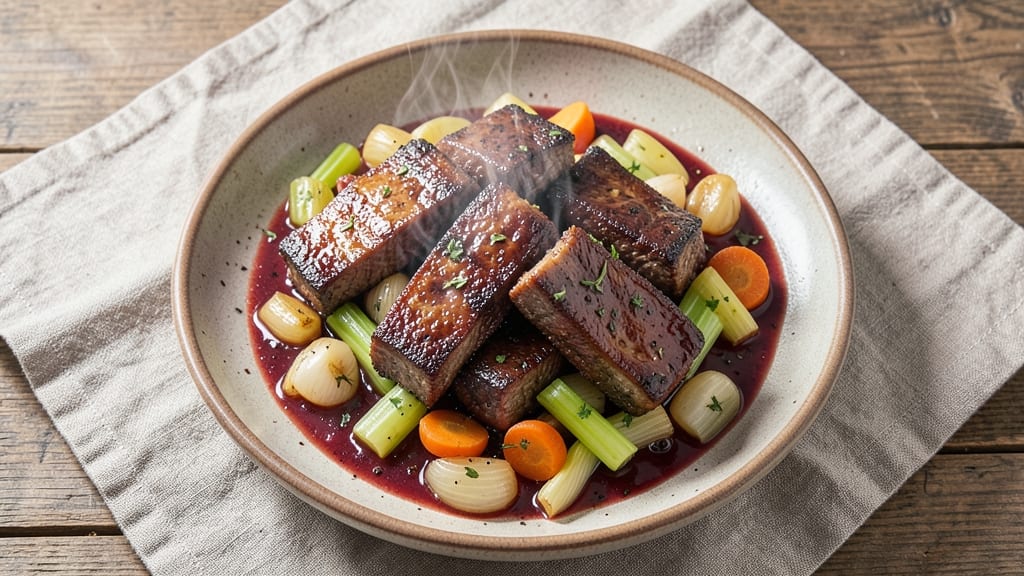
America's Test Kitchen beef short rib ragu delivers restaurant-quality depth with just 8 hours of hands-off braising. The secret lies in slow-cooked short ribs that practically melt into the sauce, creating a rich, wine-infused ragu with caramelized vegetables that elevate every bite.
This isn't just comfort food—it's a technique that transforms tough cuts into tender, flavor-packed perfection.
What sets this recipe apart is the precise balance of red wine, tomatoes, and aromatic vegetables that build complex layers of flavor. The ribs develop a deep, caramelized crust while staying fork-tender, and the sauce reduces to an ideal consistency—thick enough to coat but light enough to cling.
This method ensures you'll achieve professional results without requiring advanced skills, just patience and attention to timing.
By the time you serve this ragu, you'll have a dish that's rich in both flavor and texture—tender beef that falls apart at the touch of a fork, caramelized onions and celery adding sweetness, and a sauce that's velvety yet balanced.
The aroma alone will have everyone anticipating dinner, and the first bite will prove this is worth every minute of preparation.
Perfect for feeding a crowd or meal prepping for the week, this ragu pairs beautifully with creamy polenta or crusty bread to soak up every last drop. The instructions walk you through each step with precision, ensuring you'll replicate America's Test Kitchen's signature technique at home.
Ingredients for america's test kitchen beef short rib ragu
Sixteen ingredients for a ragu that tastes like it simmered for days, not hours.
| Ingredient | Amount | Notes |
|---|---|---|
| Beef Short Ribs 🥩 | 3 lb | Bone-in, 1.5-inch thick cuts |
| Yellow Onions 🧅 | 2 whole | Yellow or red, sliced into 1/4-inch pieces |
| Celery Stalks 🧄 | 4 whole | Trimmed, cut into 1/4-inch pieces |
| Carrots 🥕 | 3 whole | Medium, peeled, cut into 1/4-inch pieces |
| Garlic Cloves 🧄 | 6 cloves | Peeled, smashed |
| Dry Red Wine 🍷 | 1 cup | Bold variety like Cabernet Sauvignon |
| Canned San Marzano Tomatoes 🍅 | 28 oz | Crushed by hand |
| Beef Broth 💧 | 4 cups | Low-sodium preferred |
| Tomato Paste 🍅 | 2 tbsp | High-quality, no sugar added |
| Fresh Rosemary 🌿 | 1 tbsp | Chopped, plus sprigs for braising |
| Fresh Thyme 🌿 | 1 tbsp | Leaves only, chopped |
| Olive Oil 🫒 | 2 tbsp | Extra-virgin, for searing |
| Diamond Crystal Kosher Salt 🧂 | 1 ½ tsp | Adjust to taste |
| Freshly Ground Black Pepper 🌶️ | 1 tsp | Coarsely ground |
| All-Purpose Flour 🌾 | 2 tbsp | For dusting ribs |
The ribs are non-negotiable—bone-in, 1.5-inch thick cuts ensure maximum flavor and tenderness. Whole Foods or local butcher shops carry the best quality; look for good marbling and bright red color. If you can't find short ribs, chuck roast cut into 1.5-inch cubes works as a substitute, though the texture won't be identical. For the wine, Cabernet Sauvignon or Merlot from a trusted producer—avoid cooking wines. The San Marzano tomatoes are worth hunting down; their sweetness and acidity balance perfectly. If you can't find them, whole peeled tomatoes crushed by hand will do, but expect slightly less depth. The fresh herbs—rosemary and thyme—should be vibrant and fragrant; if they're wilted, toss them and grab fresh ones.
No red wine? Substitute with beef broth, but add a splash of balsamic vinegar to mimic acidity. Running short on tomatoes? Two 6-ounce cans of tomato paste will work in a pinch, but thin it well with broth. The flour is purely for dusting the ribs to prevent sticking—cornstarch works too. For the vegetables, don't peel the carrots if you're in a rush, but peeled onions and celery ensure cleaner flavor. The garlic should be smashed, not minced—this prevents it from burning during the long braise. If you're prepping ahead, par-cook the vegetables for 10 minutes before braising to cut down on total time. The beef broth should be low-sodium; if yours isn't, dilute it with water to reduce saltiness.
This ragu tastes even better the next day as flavors meld. Store in an airtight container in the fridge for up to 5 days, or freeze for 3 months. For freezing, portion into individual servings—this way, you can thaw just what you need. The sauce thickens as it cools, so add a splash of broth when reheating. To serve, ladle over creamy polenta or crusty bread, reserving some sauce to drizzle on top. If you have leftovers, blend a portion for a quick ragu soup the next day. The ribs will be so tender you can practically cut them with a fork—save a few for sandwiches or a hearty salad.
Why You'll Love This Recipe
- Minimal Chopping Required: I swear by the "mirepoix shortcut" here—just dice those onions, celery, and carrots roughly (no fancy julienne needed). The ribs do all the heavy lifting while you sip wine and pretend you’re a chef.
- Deep Umami Magic: That slow-braised beef? It melts in your mouth like butter, but with layers of savory depth from the garlic and caramelized onions. Honestly, the first bite makes you question why you ever bought takeout.
- Leftovers That Beg for Seconds: This stuff actually improves overnight—yes, really. Freeze portions for lazy Mondays or reheat with fresh pasta for a 10-minute meal. My college-age kid now texts me asking for it every week.
- Budget-Friendly Luxury: Short ribs on sale? Score. A pound of them stretches into three hearty servings, and the veggies (onion, celery, carrots) are the kind that last forever in your fridge. Fancy dinner without the fancy price tag.
Step-by-step instructions for america's Test Kitchen beef short rib ragu
Mastering this rich, wine-braised ragu requires patience and precision—every step builds the depth of flavor.
Sear the Beef Short Ribs for Maximum Flavor
Pat the 3 lb beef short ribs completely dry with paper towels. This step is critical—moisture prevents proper browning. Place the ribs in a large bowl and dust evenly with 2 tbsp all-purpose flour, tossing to coat completely. This creates a golden crust that locks in juices and builds rich fond at the bottom of your pot.
Heat a heavy Dutch oven over medium-high heat until very hot. Add 2 tbsp olive oil and swirl to coat the bottom. Working in batches to avoid crowding, add the floured ribs and sear for 4-5 minutes per side until deeply browned. You're looking for a rich, caramelized crust that releases easily from the pan. Transfer the seared ribs to a plate and set aside—this is where the magic begins.
Build the Aromatic Base with Caramelized Vegetables
In the same Dutch oven, reduce heat to medium and add 2 whole yellow onions, 4 whole celery stalks, and 3 whole carrots, all cut into ¼-inch pieces. Cook undisturbed for 8-10 minutes, stirring occasionally, until the vegetables begin to soften and develop golden edges. This slow caramelization extracts their natural sweetness and forms the foundation of your ragu.
Add 6 cloves garlic cloves (smashed) and cook for another 1 minute until fragrant. Here's the thing—don't let the garlic burn. It should smell like heaven, not like a charred disaster. If it starts to darken too quickly, remove the pot from heat for 30 seconds to cool slightly before continuing.
Deglaze and Develop the Wine-Braised Sauce
Pour in 1 cup dry red wine, scraping up all the browned bits from the bottom of the pot with a wooden spoon. This deglazing step captures all that concentrated flavor you worked so hard to create. Let the wine simmer for 3-4 minutes until reduced by half, then stir in 2 tbsp tomato paste and cook for another 1 minute to develop its rich, umami depth.
Add 28 oz canned San Marzano tomatoes (crushed by hand), 4 cups beef broth, 1 tbsp fresh rosemary, 1 tbsp fresh thyme, 1.5 tsp diamond crystal kosher salt, and 1 tsp freshly ground black pepper. Bring to a gentle simmer, then return the seared ribs to the pot. The liquid should come about halfway up the ribs—if not, add a splash more broth.
Braise Until Fork-Tender with Rich, Caramelized Roots
Cover the Dutch oven and transfer to a 325°F oven. Braise for 2.5 hours, then carefully flip each rib and continue cooking for another 30 minutes. The ribs are done when they're fork-tender and easily pull away from the bone. Here's where the real magic happens—the slow cooking transforms tough short ribs into melt-in-your-mouth perfection.
During the last 30 minutes of cooking, uncover the pot and increase oven temperature to 375°F to allow the sauce to reduce and thicken slightly. This step intensifies the flavors and creates that glossy, velvety consistency we all crave. The vegetables should be completely tender, falling apart at the touch.
Finish and Serve with Perfectly Balanced Sauce
Remove the ribs from the pot and transfer to a serving platter. Skim off any excess fat from the sauce, then taste and adjust seasoning if needed. The sauce should be rich, slightly sweet from the caramelized vegetables, and deeply aromatic from the wine and herbs. If it's too thin, simmer uncovered for another 5-10 minutes to reduce further.
Slice the ribs between the bones and serve them with the sauce spooned generously over the top. Each bite should deliver tender, melt-in-your-mouth beef with a sauce that's perfectly balanced between sweet, savory, and acidic. This ragu tastes even better the next day as the flavors continue to meld—so don't hesitate to make extra for leftovers.
Pro Tips For Making America'S Test Kitchen Beef Short Rib Ragu
- Sear Ribs in Batches: That crowded pan is begging for trouble—don’t let it burn. Work in two batches over medium-high heat with about 2 tablespoons oil total, giving each side 3-4 minutes until deep brown. I learned this the hard way when my first batch turned into a sad, gray sludge instead of caramelized gold.
- Dice Onions Like Dice: The ATK recipe calls for small dice, but "small" isn’t the same for everyone. Aim for ¼-inch cubes—any smaller and they’ll turn to mush before the ribs finish. Use a sharp knife and keep your cuts consistent, or you’ll end up with a soup instead of a ragu.
- Deglaze with Wine Early: Don’t wait until the ribs are done to add the wine—do it right after searing. The alcohol needs time to evaporate, and skipping this step leaves your ragu tasting raw and sharp. Let it simmer uncovered for 3-4 minutes until the liquid reduces by half.
- Skip the Crowding in Pot: The recipe’s pot will feel too small, but resist the urge to jam everything in at once. Cook the ribs in batches if needed, or you’ll steam them instead of braise them. The goal is a deep, flavorful sauce, not soggy meat.
Perfect pairings for this dish
Creamy Polenta
This Italian classic is the perfect canvas for your rich ragu. Cook 1 cup polenta in 4 cups boiling water with ½ tsp salt over medium heat, whisking constantly for 15-20 minutes until thick and creamy.
The slightly gritty texture contrasts beautifully with the velvety sauce. For extra richness, stir in ¼ cup grated Parmigiano-Reggiano at the end. 🥣
Crusty Bread
No ragu is complete without something to soak up the sauce. I recommend a baguette or ciabatta toasted until golden and crisp. Tear it into chunks and serve alongside the ragu—every bite will be a flavor explosion.
For an elevated touch, drizzle the bread with a little olive oil and sprinkle with flaky sea salt before serving.
Garlic Mashed Potatoes
For a heartier side, try these creamy potatoes. Boil 2 lbs Yukon Gold potatoes until tender, then mash with ½ cup butter, ½ cup warm milk, 2 minced garlic cloves, and ½ tsp salt.
The garlic adds a subtle depth that complements the wine braise beautifully. Top with extra black pepper and fresh parsley for color.
Roasted Root Vegetables
Add a touch of sweetness to balance the richness with roasted carrots, parsnips, and beets. Toss 2 cups chopped vegetables with 2 tbsp olive oil, 1 tsp thyme, and ½ tsp salt.
Roast at 400°F for 30-35 minutes until caramelized. Their natural sweetness enhances the ragu's depth.
Simple Arugula Salad
Cut through the richness with a bright, peppery salad. Toss 4 cups baby arugula with 2 tbsp olive oil, 1 tbsp lemon juice, ½ tsp Dijon mustard, and ¼ tsp salt.
Top with shaved Parmigiano-Reggiano and toasted pine nuts for crunch. The acidity refreshes your palate between bites of ragu. 🌿
Wine & Beer Pairings
For drinks, stick with bold reds that mirror the ragu's depth. A Chianti Classico or Barbera from Italy complements the wine braise perfectly. If you prefer beer, a dark ale or stout like Guinness adds malty richness.
For a lighter option, try a crisp Pinot Noir—its bright acidity balances the dish's richness.
Nutrition facts
Frequently asked questions
Why do the ribs need to be seared so thoroughly?
The deep sear creates a flavorful crust that locks in juices and develops rich fond (browned bits) at the bottom of the pot. This builds layers of flavor that dissolve into the sauce during braising. Skipping this step results in bland, watery ribs and a weaker-tasting sauce.
Can I make this ragu in a slow cooker instead of the oven?
Yes, but with adjustments. Sear the ribs first, then transfer everything to a slow cooker and cook on low for 8 hours or high for 5-6 hours. The sauce may be thinner, so reduce it on the stovetop after cooking. The ribs won't get as caramelized as with oven braising, but they'll still be tender.
What if my sauce is too thin after braising?
Simmer uncovered for 10-15 minutes to reduce the liquid. For extra thickness, mix 1 tbsp cornstarch with 2 tbsp cold water, stir into the sauce, and simmer for 2-3 minutes until thickened. Never use flour directly—it can make the sauce cloudy.
How do I store leftovers to keep them tasting fresh?
Store in an airtight container in the fridge for up to 5 days. The sauce will thicken as it cools, so add a splash of broth when reheating. For freezing, portion into individual servings—this prevents the sauce from becoming watery when thawed. Reheat gently on the stove with a splash of broth.
Can I substitute bone-in chuck roast for short ribs?
Yes, but expect a slightly different texture. Cut chuck roast into 1.5-inch cubes and follow the same searing and braising steps. The meat will be more uniform but less rich in collagen (which makes short ribs so tender). For best results, use 3.5 lbs of chuck to match the yield of 3 lbs of short ribs.