
Sauces & Condiments
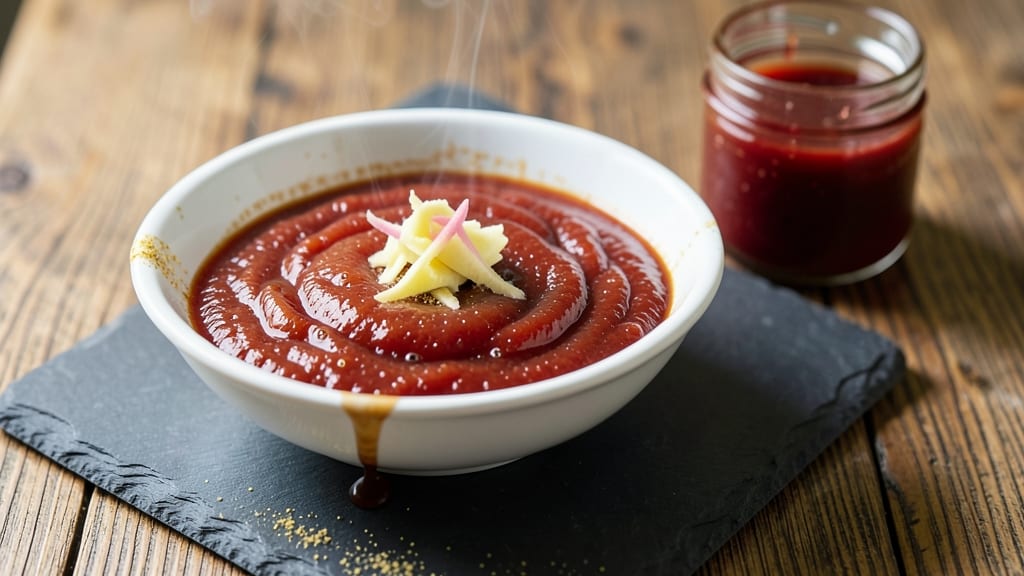
This Arby's roast beef sauce recipe unlocks the iconic tangy, slightly sweet, and savory profile that makes their sandwiches legendary. The secret lies in balancing ketchup's sweetness with vinegar's sharpness, then layering in horseradish for that signature kick.
I've recreated it after years of perfecting the ratio—no shortcuts, just the real deal.
The magic happens with a simple blend of ketchup, vinegar, Worcestershire sauce, and a touch of molasses for depth. Horseradish and garlic powder add that signature tang, while a pinch of black pepper rounds out the flavor.
This sauce isn't just for roast beef sandwiches—it elevates fries, burgers, and even grilled meats to new heights.
What you'll end up with is a smooth, glossy sauce that's tangy on the first bite, slightly sweet, and packed with savory depth. The horseradish adds a subtle heat that lingers, while the Worcestershire sauce ties everything together. It's the kind of sauce that turns ordinary meals into something special.
Store it in the fridge for up to 2 weeks, or freeze for longer shelf life. Whether you're serving it with roast beef sandwiches or drizzling it over fries, this sauce will become a staple in your kitchen. Let's get started!
Ingredients for arby's roast beef sauce
Nine simple ingredients blend into Arby's iconic tangy, slightly sweet roast beef sauce.
| Ingredient | Amount | Notes |
|---|---|---|
| Ketchup 🍅 | 1 cup | Heinz or similar brand preferred |
| White Vinegar 💧 | ½ cup | White or apple cider vinegar |
| Worcestershire Sauce 🍶 | 2 tbsp | Lea & Perrins brand recommended |
| Molasses 🍯 | 1 tbsp | Unsulphured preferred for depth |
| Prepared Horseradish 🌶️ | 1 ½ tbsp | Kraft brand for consistency |
| Garlic Powder 🧄 | 1 tsp | Freshly ground preferred |
| Black Pepper 🌶️ | ¼ tsp | Freshly ground for best flavor |
| Granulated Sugar 🍚 | 1 tbsp | Balances tanginess |
| Salt 🧂 | ½ tsp | Diamond Crystal preferred |
| Water 💧 | ½ cup | For thinning consistency |
The ketchup is the base, so grab the Heinz kind—it's the most consistent. White vinegar is key for that sharp tang, but apple cider works too if you prefer. Lea & Perrins Worcestershire is a must; the anchovies give it that deep umami punch (don't skip it!). For the molasses, unsulphured adds richer depth without overpowering. I always double-check the horseradish label—Kraft has the perfect heat level. The garlic powder and black pepper are just little flavor boosters, but they make all the difference. Diamond Crystal salt dissolves better than table salt, so trust me on that one.
No Worcestershire? Soy sauce plus a pinch of sugar gets you close, but it won't be identical. Short on molasses? Maple syrup at half the amount works in a pinch. The horseradish can be adjusted—less for mild heat, more for serious kick. If your sauce is too thick, add water 1 tbsp at a time. Need it thinner? A splash of vinegar cuts through it perfectly. The sugar balances everything, but if you're watching sweetness, you can reduce it to 0.5 tbsp. For extra depth, a dash of smoked paprika adds a subtle BBQ note (worth trying!).
This sauce keeps like a dream—2 weeks in the fridge, sealed tight. For longer storage, freeze in ice cube trays and transfer to a bag. Thaws perfectly and tastes even better the next day. I make double batches because it disappears fast—roast beef sandwiches, fries, or even grilled chicken all become instant upgrades. The flavors meld overnight, so patience pays off here. Label your container because once it's gone, you'll be back for more.
Why You'll Love This Recipe
- Pantry Magic: I swear by this sauce because it uses stuff I already have—no special trips to the store. That molasses and horseradish combo? It’s the secret that turns basic ketchup into something actually worth making.
- Tangy Kick: The vinegar and Worcestershire cut through the sweetness like a wake-up call—sharp, deep, and just spicy enough to make you reach for seconds. Not too sweet, not too bland, just right.
- Game for Any Meal: Slather it on sandwiches, toss it with fries, or drizzle it over baked potatoes—this sauce doesn’t care what you throw at it. Honestly, I’ve even used it as a quick glaze for roasted veggies when I’m in a rush.
- Lasts the Week: A little goes a long way, and it keeps in the fridge for ages. Between us, I make a big batch on Sundays and use it all week—no sad leftovers here. Plus, it’s cheaper than buying sauce by the bottle.
Step-by-step instructions for Arby's-inspired roast beef sauce
This tangy, spicy sauce comes together in minutes with just a few simple steps.
Combine the Base Ingredients
In a medium saucepan, add the 1 cup ketchup, 0.5 cup white vinegar, 2 tablespoons Worcestershire sauce, and 1 tablespoon molasses. Stir everything together over medium heat until it begins to simmer gently. You'll notice the mixture starts to bubble and thicken slightly as the ingredients begin to meld.
Here's the thing—don't rush this step. Let it simmer for about 3-4 minutes while you prepare the remaining ingredients. This initial cooking helps break down the flavors and creates a smoother base for the sauce. I like to give it a quick taste at this point to check the balance—it should be sweet, tangy, and slightly acidic, but not overpowering.
Add the Horseradish and Seasonings
Once the base is simmering, reduce the heat to low and stir in the 1.5 tablespoons prepared horseradish, 1 teaspoon garlic powder, 0.25 teaspoon black pepper, 1 tablespoon granulated sugar, and 0.5 teaspoon salt. The horseradish will give the sauce its signature kick, so add it gradually if you're sensitive to spice—you can always adjust later.
Stir well to ensure all the seasonings are fully incorporated. The mixture should look smooth and uniform, with no visible streaks of dry ingredients. Let it simmer for another 2-3 minutes while you watch for any signs of curdling or separation. If you notice the sauce starting to thicken too much, just add a splash of water later to adjust the consistency.
Thin and Adjust the Sauce
After the seasonings are fully combined, it's time to add the 0.5 cup water. Stir this in slowly to prevent any sudden changes in temperature that could cause the sauce to separate. The water will help thin the sauce to the perfect consistency—neither too thick nor too runny. You want it to coat the back of a spoon smoothly but still have some body to it.
Give it one final taste and adjust the seasoning if needed. If it's too tangy, add a pinch more sugar. If it needs more depth, a splash of Worcestershire sauce or a tiny bit more molasses can help. The sauce should now have that perfect balance of sweet, tangy, and spicy flavors with a hint of smoky depth from the Worcestershire and molasses.
Simmer and Cool
Let the sauce simmer gently for another 5 minutes to allow all the flavors to fully meld together. You'll notice the aroma becoming stronger and more complex as the ingredients blend. Once it's ready, remove the saucepan from the heat and let it cool to room temperature. This step is crucial because it allows the flavors to settle and the sauce to reach its ideal consistency.
If you plan to use the sauce immediately, you can serve it warm. But if you're making it ahead of time, transfer it to an airtight container and refrigerate for up to 1 week. The flavors actually improve as the sauce sits, so it's worth the wait. When you're ready to use it, give it a quick stir to redistribute any settled ingredients and adjust the consistency with a splash of water if needed.
Pro Tips For Making Arby'S Roast Beef Sauce
- STIR CONSTANTLY: This sauce is no time for half-hearted mixing. After combining ketchup, vinegar, and Worcestershire, bring it to a gentle simmer and keep stirring every 30 seconds—especially when adding molasses. I learned this the hard way: skipping this step leads to scorched bits on the bottom that ruin the smooth texture.
- USE FRESH HORSERADISH: Prepared horseradish loses its kick fast. If yours tastes like mild mustard, skip it and grate a small piece of fresh root (about 1 teaspoon) instead—it’s sharper and cuts through the sweetness better. Yes, it’s a pain to find, but the difference is noticeable.
- DILUTE THE VINEGAR FIRST: Pour the white vinegar into the ketchup before adding Worcestershire. This prevents a harsh, unbalanced flavor—vinegar straight into Worcestershire can make the sauce taste sour and one-dimensional. Stir it into the ketchup first, then add everything else.
- SIMMER LOW AND SLOW: Don’t let this sauce boil. A steady, low simmer (just bubbles breaking the surface, not rolling) for 8–10 minutes thickens it evenly without burning. I used to rush it, and the sauce would either stay runny or taste bitter. Patience here makes all the difference.
Troubleshooting perfect results
Sauce Separated
If your sauce looks curdled or split into layers, it’s likely due to too much heat or rapid temperature changes. The ketchup and vinegar combo is delicate—stir constantly over low heat and avoid boiling.
To fix it, whisk in 1 tablespoon cornstarch mixed with 1 tablespoon cold water while heating gently. The starch acts as a binder, smoothing out the texture. For prevention, always add water gradually when thinning. 🔥
Too Tangy or Sour
An overpowering vinegar taste means you need to balance it with sweetness. Add ½ teaspoon more sugar and simmer for 1-2 minutes to let it dissolve. If it’s still too sharp, a dash of molasses (½ teaspoon) adds depth without overpowering.
Taste as you go—adjust in small increments. I’ve found that apple cider vinegar is slightly milder than white vinegar, so it’s a good swap if you prefer subtlety.
Not Enough Heat
The horseradish is key for that signature kick, but store-bought versions vary. If your sauce lacks heat, add ½ teaspoon extra prepared horseradish and let it sit for 5 minutes to mellow slightly.
For a deeper kick, a pinch of cayenne pepper (⅛ teaspoon) or a few drops of hot sauce (like Frank’s RedHot) can elevate the spice without altering the sauce’s texture. Fresh grated horseradish is even stronger—use 1 teaspoon if you’re brave!
Too Thick or Gluey
If your sauce resembles syrup, it’s likely overcooked or needs thinning. Stir in 1 tablespoon water at a time until it reaches a smooth, pourable consistency—think "coats the back of a spoon" but still clings slightly.
For extra insurance, a splash of vinegar (½ teaspoon) cuts through thickness without altering flavor. Avoid over-simmering; low and slow is the secret to the perfect texture. 💡
Flavor Fading Fast
Sauces lose vibrancy when stored improperly. Always refrigerate in an airtight container, leaving ½ inch headspace for expansion. For longer shelf life, freeze in ice cube trays—thaw quickly in the fridge and stir well before using.
The Worcestershire and horseradish flavors dull over time, so make fresh batches every 2 weeks for peak taste. A dash of fresh garlic powder before storing can also help preserve brightness.
Nutrition facts
Frequently asked questions
Can I make this sauce without Worcestershire sauce?
Yes, but the flavor will differ slightly. Replace the 2 tbsp Worcestershire with 1 tbsp soy sauce plus ½ tsp sugar to mimic the umami and sweetness. For extra depth, add ¼ tsp smoked paprika to capture the BBQ notes. The sauce will still taste tangy and spicy, but it won't have the same complex savory profile.
How can I make this sauce spicier?
For more heat, add ½ tsp extra horseradish or ⅛ tsp cayenne pepper. If you prefer a smoother kick, swap the prepared horseradish for 1 tsp fresh grated horseradish (it’s stronger but blends better). Let the sauce sit for 5 minutes after adding spice to let the flavors meld—don’t rush it!
Can I use this sauce on foods other than roast beef?
This versatile sauce works perfectly on burgers, fries, grilled chicken, or even hot dogs. It also pairs well with mac and cheese or as a dipping sauce for mozzarella sticks. The tangy-sweet balance elevates any savory dish—just adjust the thickness with water if needed for dipping.
Why does my sauce look separated or curdled?
This usually happens from too much heat or rapid temperature changes. To fix it, whisk in 1 tbsp cornstarch mixed with 1 tbsp cold water while heating gently on low heat. Stir constantly until smooth. For prevention, always add water gradually when thinning and avoid boiling. The sauce should be glossy and uniform, not stringy or split.
How long does homemade sauce last?
Store in an airtight container in the fridge for up to 2 weeks. For longer storage, freeze in ice cube trays—thaw in the fridge and stir well before using. The flavors actually improve over time, but the horseradish and Worcestershire may mellow slightly after 1 week, so fresh batches taste best.