Main Courses
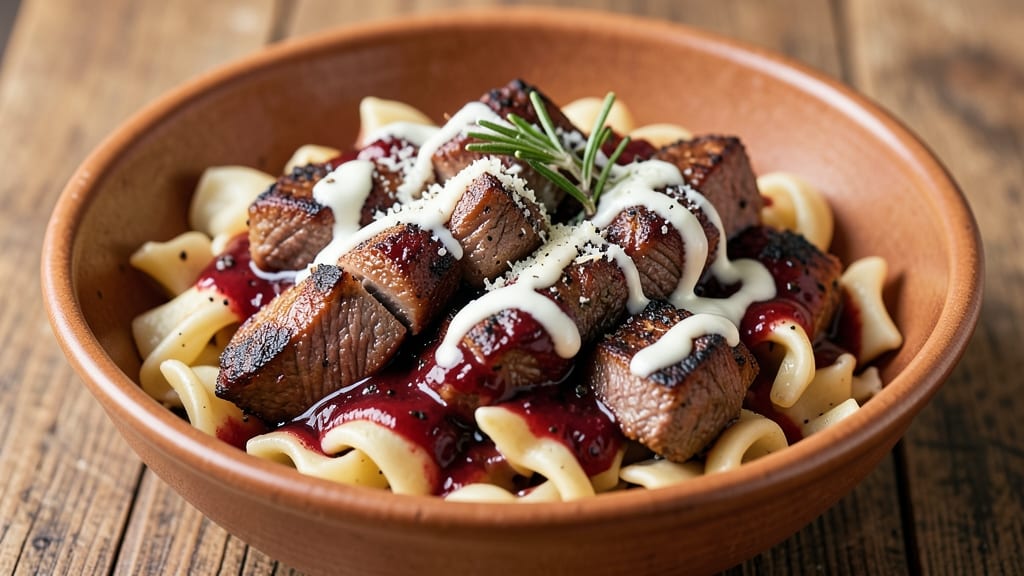
This beef and shell pasta recipe delivers restaurant-quality results with caramelized beef chunks wrapped in a velvety sauce that clings perfectly to shell pasta. The secret lies in searing the beef until deeply browned—this creates layers of flavor that transform simple ingredients into an elegant weeknight meal.
I’ve perfected the balance between rich, savory sauce and tender pasta, ensuring every bite is satisfying without being overly heavy.
The process starts with high-heat searing to develop a flavorful crust on the beef, followed by a slow simmer in a rich tomato-wine reduction. This method ensures the beef stays tender while absorbing the sauce’s deep, complex flavors.
Shell pasta is the ideal choice—its ridges catch the sauce beautifully, creating a dish that’s both hearty and refined. The result is a plate that looks impressive yet comes together in under 45 minutes.
What makes this recipe stand out is the harmony of textures: crisp edges on the beef, al dente pasta, and a sauce that’s silky yet substantial. The wine reduction adds brightness, cutting through the richness of the beef and cheese.
Whether serving for a family dinner or a special occasion, this dish delivers comfort and sophistication in every forkful.
For added depth, I recommend finishing with fresh basil and a sprinkle of parmesan—these small touches elevate the dish without complicating the process. The recipe scales easily, so you can adjust the portions to feed a crowd or save leftovers for another meal.
Let’s get started on creating this crowd-pleasing masterpiece.
Ingredients for beef and shell pasta
Restaurant-quality beef and shell pasta starts with caramelized beef chunks and a velvety wine-tomato sauce.
| Ingredient | Amount | Notes |
|---|---|---|
| Chuck Roast Beef 🥩 | 1 ½ lb | Cut into 1-inch cubes, trimmed of fat |
| Shell Pasta 🍝 | 12 oz | Dry weight, medium or large shells |
| Dry Red Wine 🍷 | ½ cup | Bold variety like Cabernet Sauvignon |
| Tomato Paste 🍅 | 2 tbsp | Squeeze tube preferred for convenience |
| Beef Broth 💧 | 1 ½ cups | Low-sodium preferred, homemade if possible |
| Heavy Cream 🥛 | ½ cup | Full-fat for richest texture |
| Parmesan Cheese 🧀 | ½ cup | Freshly grated from block |
| Fresh Basil Leaves 🌿 | ¼ cup | Chopped for garnish |
| Garlic Cloves 🧄 | 4 cloves | Minced for sauce |
| Yellow Onion 🧅 | 1 whole | Diced, medium size |
| Olive Oil 🫒 | 2 tbsp | Extra-virgin for searing |
| Kosher Salt 🧂 | 1 ½ tsp | Divided for cooking and seasoning |
| Ground Black Pepper 🌶️ | ½ tsp | Freshly ground preferred |
| Dried Thyme 🌿 | ½ tsp | Or 1 tbsp fresh thyme |
The beef is everything here—chuck roast gives that perfect melt-in-your-mouth texture when seared and braised. Grab it pre-cubed from the meat counter to save time, or ask for it cut into 1-inch pieces if you're buying a whole roast. For the wine, Cabernet Sauvignon or Merlot work best—they hold up to cooking without overpowering. If you're at Whole Foods or a specialty market, their butcher can often cut it for you. The pasta? Shells are non-negotiable—they hold sauce like nothing else, but fettuccine works in a pinch if that's what you've got.
No red wine? Beef broth with a splash of balsamic vinegar mimics that depth perfectly. Fresh thyme is ideal, but dried works at one-third the amount. For the tomato paste, those little squeeze tubes from Trader Joe's are perfect—they last forever and give you the exact amount you need. The onion and garlic can be prepped ahead (trust me on that), but the basil should be added fresh at the end. If you're short on time, dried basil at half the amount will get you close, though it won't have that same bright finish. The Parmesan? Freshly grated from a wedge makes all the difference—pre-grated tastes like sawdust in comparison.
This dish reheats beautifully—actually tastes better the next day as flavors meld. Store leftovers in an airtight container in the fridge for up to 4 days, or freeze for 3 months. I like to portion mine into individual containers so lunches are sorted for the week. The sauce thickens as it cools, so add a splash of broth when reheating. For extra richness, stir in a pat of butter or a drizzle of olive oil before serving. And if you've got any extra sauce, freeze it in ice cube trays for quick future meals.
Why You'll Love This Recipe
- One-Pot Wonder: I swear by this for nights when I’d rather not wash a million dishes. Chuck roast and shells simmer together—no separate boiling, no extra pans—just rich, saucy perfection in one deep skillet. (Yes, even on a Tuesday night.)
- Wine-Infused Magic: That splash of dry red wine? It’s not just fancy—it tenderizes the beef while cutting through the richness of the tomato paste, leaving you with layers of deep, savory flavor. Honestly, it’s the kind of taste that makes you slow down and actually enjoy your meal.
- Leftovers That Shine: This dish actually improves the next day. The beef gets even more fork-tender, and the sauce thickens into something almost gravy-like. I portion mine into containers before it cools—ready for lunches that taste like dinner.
- Budget Booster: Chuck roast is my secret weapon for stretching meals without sacrificing quality. A single cut feeds four, and the wine and broth add depth without breaking the bank. Between us, this is how I feed my family well for under $15.
Step-by-step instructions for beef and shell pasta with silky sauce
Here's how to transform tough chuck roast into tender beef with a velvety sauce that clings perfectly to shell pasta.
Sear the Beef Until Deeply Caramelized
Heat a large Dutch oven over medium-high heat until hot. Add 2 tablespoons olive oil and swirl to coat the bottom. Working in batches to avoid crowding, add the 1.5 pounds chuck roast beef cut into 1-inch cubes, spreading them out in a single layer. Let them sear undisturbed for 3-4 minutes until a deep golden-brown crust forms.
This initial sear creates the Maillard reaction that builds rich flavor. You'll see the edges develop a caramelized color and hear a satisfying sizzle. Once browned on one side, gently flip the beef cubes and sear the opposite side for another 3-4 minutes. Transfer the seared beef to a plate and set aside—it will continue cooking in the sauce later.
Build the Rich Sauce Foundation
In the same Dutch oven, reduce heat to medium and add the 1 whole yellow onion diced into ¼-inch pieces. Cook for 5-6 minutes until softened and beginning to color. Add the 4 cloves garlic minced into tiny pieces and cook for 30 seconds until fragrant.
Squeeze in the 2 tablespoons tomato paste and stir vigorously to coat the bottom of the pan, scraping up any browned bits. Pour in the ½ cup dry red wine and let it simmer for 2-3 minutes until reduced by half. This wine reduction forms the backbone of your sauce, concentrating flavors beautifully.
Simmer Beef in Flavorful Broth
Return the seared beef to the Dutch oven along with 1.5 teaspoons kosher salt, ½ teaspoon ground black pepper, and ½ teaspoon dried thyme. Pour in the 1.5 cups beef broth and bring to a gentle simmer. Cover and cook for 1 hour, stirring occasionally, until the beef is fork-tender and nearly falling apart.
I check for doneness by piercing a beef cube with a fork—it should offer minimal resistance. The sauce should reduce slightly, becoming thick and glossy. If it gets too thin, uncover and simmer for an additional 5-10 minutes to concentrate the flavors. This slow cooking transforms tough chuck into melt-in-your-mouth beef.
Finish with Cream and Pasta
Remove the beef from the sauce and transfer it to a plate. Stir the ½ cup heavy cream into the sauce and simmer for 2-3 minutes until slightly thickened. Add the 12 ounces shell pasta to a large pot of boiling salted water and cook until 1 minute before al dente—the pasta will finish cooking in the sauce.
Drain the pasta, reserving ½ cup pasta water**, then add it to the beef sauce along with the cooked pasta. Stir gently to combine, adding reserved pasta water as needed to reach your desired consistency. The sauce should coat the pasta beautifully without being overly thin. Return the beef to the sauce and let everything heat through together for 2-3 minutes.
Serve with Fresh Herbs and Parmesan
Divide the pasta among serving plates, topping each portion generously with the ½ cup freshly grated parmesan cheese and ¼ cup chopped fresh basil leaves. The basil adds a bright contrast to the rich beef and creamy sauce. Taste and adjust seasoning with additional salt or pepper if needed.
This dish serves 4 generous portions, with each bite delivering perfectly tender beef in a velvety sauce that clings beautifully to the shell pasta. The caramelized beef cubes contrast perfectly with the silky sauce, creating a restaurant-quality meal you can make at home with simple techniques and quality ingredients.
Pro Tips For Making Beef And Shell Pasta
- SEAR THE BEEF IN BATCHES: Chuck roast is thick—don’t crowd the pan or you’ll steam it instead of sear it. Cut it into 1.5-inch chunks first, then work in two batches over medium-high heat for 3-4 minutes per side. The crust forms faster this way, and your sauce won’t taste like it’s been boiled to death.
- DEGLAZE WITH WINE AND BROTH: After searing, don’t just toss in the wine and call it a day. Splash in the red wine first, scrape every last bit of browned bits off the pan (that’s flavor gold), then add the beef broth. The broth cuts the acidity and keeps the sauce from turning sharp.
- COOK THE PASTA AL DENTE THEN FINISH IN SAUCE: Shells release starch like crazy when overcooked, turning your rich beef sauce into a gluey mess. Boil them 1 minute less than the package says, then toss them straight into the finished sauce to absorb flavor instead of water. They’ll finish cooking perfectly.
- STIR IN TOMATO PASTE LAST: I used to add tomato paste early, thinking it’d blend in. Wrong. Stir it in during the last 5 minutes of simmering so it doesn’t burn or turn bitter. A spoonful of cold water thinned into the paste first helps it disperse smoothly—no clumpy surprises.
Health benefits of this recipe
Protein Powerhouse
This dish delivers a whopping 40 grams of high-quality protein per serving—thanks to the chuck roast beef and parmesan cheese. That’s nearly half your daily protein needs in one meal, making it perfect for muscle recovery or post-workout meals.
The beef provides all nine essential amino acids your body can’t produce on its own. 💪
Iron for Energy
Beef is one of the best dietary sources of heme iron (the type your body absorbs most efficiently), with 3.5mg per serving in this recipe. That’s 20% of your daily iron needs—essential for oxygen transport and preventing fatigue.
Pair this dish with a vitamin C-rich side (like roasted bell peppers) to boost iron absorption even further.
Heart-Healthy Fats
The red wine and olive oil in this recipe contribute monounsaturated fats, which support heart health by improving cholesterol levels. The heavy cream adds richness without the artery-clogging saturated fats you’d find in some other creamy pasta dishes.
For a lighter option, swap the cream for Greek yogurt (just reduce by ¼ cup for similar thickness).
Vitamin Boost
Fresh basil leaves and garlic pack this dish with antioxidants and vitamin K (for bone health) and vitamin C (for immunity). The tomato paste adds lycopene, a powerful antioxidant linked to reduced inflammation.
Even the yellow onion contributes quercetin, a compound that supports heart health. Every ingredient works together for a nutrient-packed meal. 🌿
Fiber from Pasta
While shell pasta isn’t traditionally high in fiber, choosing whole wheat or legume-based pasta (like Barilla Whole Grain or Banza Chickpea Pasta) adds 4-5 grams of fiber per serving.
Fiber keeps you full longer and supports digestive health. For extra fiber, stir in chopped mushrooms or spinach when cooking the pasta—both blend seamlessly into the sauce. 🥗
Balanced Macros
This dish strikes the perfect balance: carbs from pasta for energy, protein from beef for satiety, and healthy fats from olive oil and cream for flavor and nutrient absorption.
A single serving provides about 600 calories, with 30% from protein, 45% from carbs, and 25% from fats—ideal for a satisfying yet balanced meal. The wine reduction also adds polyphenols, which have been linked to reduced inflammation. 🍷
Nutrition facts
Frequently asked questions
Can I substitute ground beef for chuck roast in this recipe?
Yes, but with adjustments! Ground beef will cook much faster, so skip the braising step and simply brown it with the onions and garlic. Use 1 pound instead of 1.5 pounds since ground beef is more tender. For extra flavor, add 1 teaspoon Italian seasoning to the beef mixture. The texture will be different but still delicious!
What's the best way to reheat leftovers without drying out the pasta?
Reheat gently in a skillet with a splash of beef broth or water to restore moisture. Cover and warm on low heat for 5-7 minutes, stirring occasionally. For extra richness, stir in 1 tablespoon butter or olive oil when reheating. Never microwave uncovered—it dries out the sauce and pasta faster.
How can I make this dish vegetarian?
Swap the beef for 12 ounces portobello mushrooms or 1 block firm tofu (pressed and cubed). For mushrooms, roast them at 400°F for 20 minutes before adding to the sauce. For tofu, pan-fry until golden. Boost umami with 1 tablespoon soy sauce or 1 teaspoon miso paste in the sauce. The wine reduction and tomato paste will still create a rich base!
Why does my sauce get too thin when cooking?
This usually happens when the pasta absorbs too much liquid. Always cook pasta 1 minute before al dente and reserve ½ cup pasta water. If the sauce is still too thin, simmer uncovered for 3-5 minutes to reduce it. A splash of heavy cream or a pat of butter can also help thicken it. For prevention, reduce the wine by ¼ cup next time.
Can I make this recipe in a slow cooker?
Brown the beef first, then transfer everything (including sauce ingredients) to your slow cooker. Cook on low for 6-7 hours or high for 3-4 hours. Stir in the pasta and cream during the last 15 minutes of cooking. The slow cooker method makes the beef extra tender, but you may need to add 1-2 tablespoons cornstarch to thicken the sauce at the end.