
Main Courses
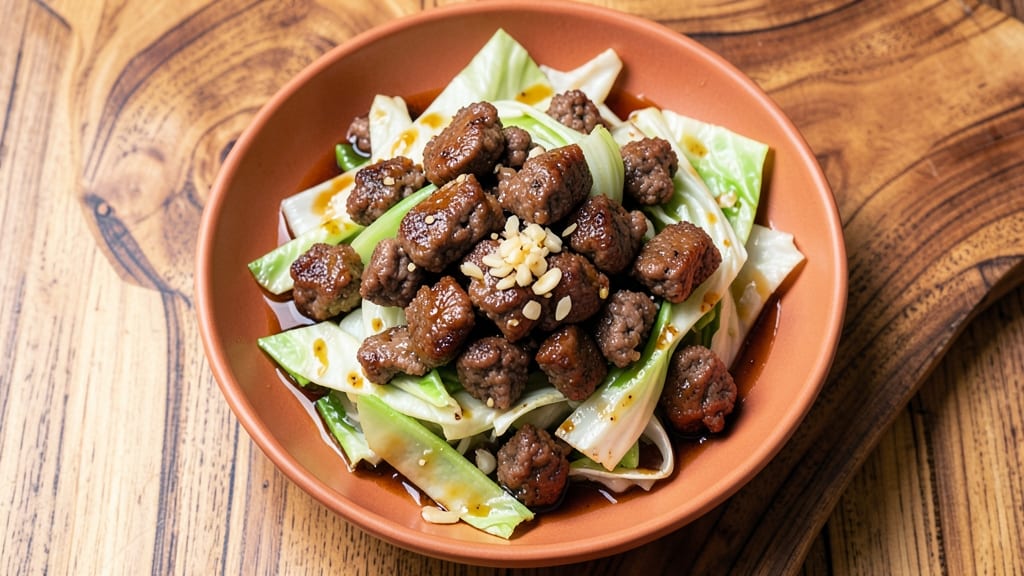
This Asian cabbage and ground beef recipe delivers the perfect balance of crisp-tender cabbage and savory beef in a silky-sweet sauce that comes together in under 30 minutes.
The secret lies in high-heat wok-frying to lock in juices while achieving that signature caramelized crunch, then finishing with a sauce that's both aromatic and deeply flavorful.
I developed this recipe after years of testing stir-fry techniques, and it never fails to impress—whether you're feeding a family or meal prepping for the week.
The foundation of this dish is a simple yet powerful marinade for the ground beef, combining soy sauce, garlic, ginger, and sesame oil to build layers of umami and warmth.
Meanwhile, the cabbage gets a quick pre-cook in the wok before the beef joins, ensuring it stays crunchy rather than soggy.
What sets this recipe apart is the sauce—a blend of hoisin, oyster sauce, and a touch of honey—that creates a velvety coating without overpowering the natural flavors of the beef and cabbage.
By the time you serve this dish, you'll have a plate of golden-brown beef nestled among crisp cabbage leaves, all bathed in a glossy, slightly sticky sauce.
The aroma alone will have everyone gathered at the table, and the first bite delivers that perfect harmony of textures—tender beef, crunchy cabbage, and a sauce that's both sweet and savory. This recipe is the kind of weeknight dinner that feels special without requiring hours in the kitchen.
Serve it over steamed rice for the full experience, or as-is for a hearty, protein-packed meal. The flavors only deepen as it sits, making it ideal for meal prep. Let's get cooking!
Ingredients for asian cabbage and ground beef
Perfectly balanced ingredients for a restaurant-quality stir-fry that delivers crisp cabbage and tender beef in 30 minutes.
| Ingredient | Amount | Notes |
|---|---|---|
| Ground Beef (80/20) 🥩 | 1 lb | 80% lean for juiciness, finely chopped |
| Asian Cabbage (Napa Cabbage) 🥬 | 1 lb | Thinly sliced lengthwise, core removed |
| Low-Sodium Soy Sauce 🍶 | ¼ cup | For marinade and sauce |
| Sesame Oil 🫒 | 1 tbsp | Toasted for aroma, not cooking |
| Fresh Garlic Cloves 🧄 | 4 cloves | Minced for marinade |
| Fresh Ginger Root 🌿 | 1 tbsp | Grated, not powdered |
| Hoisin Sauce 🍶 | ¼ cup | For sauce base |
| Oyster Sauce 🍶 | ⅛ cup | For depth of flavor |
| Honey 🍯 | 1 tbsp | For sauce sweetness |
| Neutral Oil (Vegetable or Canola) 🫒 | 2 tbsp | High smoke point for wok-frying |
| Green Onions 🧅 | 3 whole | Thinly sliced for garnish |
| Sesame Seeds 🌾 | 1 tsp | Toasted for garnish |
| Salt 🧂 | ½ tsp | Adjust to taste |
| Black Pepper 🌶️ | ¼ tsp | Freshly ground |
| White Rice (for serving) 🍚 | 2 cups | Uncooked, long-grain preferred |
The ground beef is non-negotiable here—80/20 fat ratio ensures juicy, flavorful bites. Costco or Trader Joe's carry pre-chopped beef that saves time, but if buying whole, pulse it in the food processor for even cooking. Asian cabbage (Napa) is your best bet for that signature crunch—substitute regular cabbage if needed, but slice it extra thin. Look for fresh ginger with tight skin and no soft spots; the same goes for garlic. For the sauces, Kikkoman soy sauce and Lee Kum Kee hoisin are my go-tos, but any quality brand works.
No sesame oil? Toasted peanut oil at half the amount mimics the aroma, though it won't be identical. Fresh ginger and garlic can be swapped for powdered ginger (1/4 tsp) and garlic powder (1/2 tsp), but the flavor depth suffers. The honey in the sauce? Maple syrup works 1:1 if you prefer. For the cabbage, a quick pre-cook in the wok with a splash of water keeps it crisp—don't skip this step. The beef marinates in 10 minutes, but 30 minutes ahead lets the flavors meld even better.
Prep ahead by marinating the beef and slicing the cabbage 1 day in advance—they keep well in airtight containers. The sauce components stay fresh 2 weeks in the fridge, so mix it just before serving. Leftovers reheat beautifully in a skillet with a splash of water—2 minutes on high heat restores that wok-fried texture. Portion into containers for 4 days of meal prep, or freeze for 3 months.
Why You'll Love This Recipe
- One-Pan Magic: I swear by this recipe when I’m too tired to wash extra dishes. Brown the beef right in the same pan you’ll cook the cabbage—no skillet juggling, no stress. The residual fat from the beef even crisps up the cabbage edges just enough to make it irresistible.
- Garlic-Soy Bomb: That first whiff of garlic sizzling in sesame oil? Instant flavor upgrade. The low-sodium soy sauce cuts through the richness of the beef while keeping it savory, and the cabbage soaks up all the goodness like a sponge. Honestly, I’ve made this with regular cabbage before—don’t even bother.
- Lunchbox Hero: Between us, this is my go-to for meal prep. Toss the leftovers with a drizzle of sesame oil and a sprinkle of sesame seeds, and suddenly you’ve got a lunch that feels fancy but costs pennies. My kids pack it in their lunches—no complaints, just empty containers by noon.
- Budget Stretch: Ground beef and Napa cabbage are the ultimate wallet-friendly power duo. I can stretch one pound of beef into three meals without breaking the bank, and the cabbage lasts even longer if you store it right. Plus, the sesame oil adds depth without needing expensive ingredients—just a little goes a long way.
Step-by-step instructions for wok-fried Asian cabbage and ground beef
Master this fusion dish where tender beef meets crisp cabbage in a glossy, aromatic sauce.
Prepare the Marinade and Rice
In a small bowl, combine the 0.25 cup low-sodium soy sauce, 1 tbsp grated fresh ginger root, 4 minced fresh garlic cloves, 0.25 tsp black pepper, and 0.5 tsp salt. Mix well to create the marinade. Place the 1 lb ground beef (80/20) in a separate bowl and pour the marinade over it, stirring until the beef is evenly coated. Let it marinate for 15-20 minutes while you prepare the rest.
Rinse the 2 cups white rice under cold water, then cook it according to package instructions until just tender. Drain any excess water and keep it covered to steam while you finish the dish. The rice should be fluffy and ready to serve once the beef and cabbage are complete.
Wok-Fry the Beef and Cabbage
Heat a wok or large skillet over high heat until it's smoking hot. Add the 2 tbsp neutral oil and swirl to coat the surface. Working in batches if needed, add the marinated ground beef and cook for 3-4 minutes until the beef is browned and no longer pink in the center. Remove the beef and set it aside on a plate.
In the same wok, add the 1 lb Asian cabbage (Napa cabbage), sliced thinly lengthwise, and stir-fry for 2-3 minutes until the edges begin to soften but still retain some crunch. The cabbage should look vibrant and slightly wilted but not mushy. Return the beef to the wok and toss everything together for 1 minute to combine.
Create the Silky Sauce
Reduce the heat to medium and add the 0.25 cup hoisin sauce, 0.125 cup oyster sauce, and 1 tbsp honey to the wok. Stir well to coat the beef and cabbage evenly. Let the sauce simmer for 2-3 minutes until it thickens slightly and clings to the ingredients. The mixture should look glossy and well-coated.
Drizzle the 1 tbsp sesame oil over the dish and toss gently to distribute. Taste and adjust seasoning with additional low-sodium soy sauce or salt if needed. The sauce should balance sweet, savory, and umami flavors perfectly.
Garnish and Serve
Transfer the wok-fried beef and cabbage to a serving platter. Garnish with thinly sliced 3 whole green onions and sprinkle with 1 tsp toasted sesame seeds for added texture and aroma. Serve immediately over the steamed 2 cups white rice, ensuring each portion gets a generous helping of the flavorful sauce.
The dish should be vibrant, with tender beef, slightly crisp cabbage, and a glossy, aromatic sauce that ties everything together. Each bite should deliver a perfect balance of textures and flavors, making this a satisfying and well-rounded meal.
Pro Tips For Making Asian Cabbage And Ground Beef
- CRISP THE CABBAGE FIRST: I learned this the hard way—if you toss raw Napa cabbage into the pan with the beef, you’ll end up with a soggy mess. Shred it thin, then sauté in a dry pan for 3-4 minutes until the edges just start to wilt. That’s the texture you want: tender but still holding shape.
- BREAK THE BEEF UP: Don’t just crumble it with your fingers—use a fork to break the ground beef into pea-sized pieces. It browns faster and more evenly, which means better flavor. (Yes, it takes 30 seconds extra, but your dish will taste like it’s been simmering for hours.)
- SAVE THE GARLIC: Don’t add the minced garlic right when you start cooking the beef—it burns in seconds. Instead, stir it in with the soy sauce and sesame oil in the last 30 seconds of cooking. That way, it infuses without turning bitter. (Trust me, you’ll taste the difference.)
- SALT THE CABBAGE: Skip the soy sauce on the cabbage at first—sprinkle it with a pinch of salt and let it sit for 5 minutes before cooking. This draws out moisture, so it crisps up better when it hits the pan. (It’s a tiny step, but it makes the cabbage actually crunchy instead of limp.)
Make-ahead tips for this asian cabbage and ground beef
Prep Ahead Components
The beef marinade and sliced cabbage can be prepped 24 hours ahead—store them separately in airtight containers in the fridge. The marinade will deepen in flavor, while the cabbage stays crisp when stored with a paper towel underneath to absorb moisture.
I like to marinate the beef overnight for maximum tenderness and umami development. 🌟
Sauce Prep Shortcut
Mix the sauce ingredients (0.25 cup hoisin, 0.125 cup oyster sauce, 1 tbsp honey) in a small bowl and refrigerate for up to 1 week.
This saves 5 minutes during cooking—just reheat gently before tossing with the beef and cabbage. For extra convenience, pre-measure all sauce components into a small jar with a tight lid.
Freezer-Friendly Packaging
Portion the fully cooked dish into quart-sized freezer bags, removing as much air as possible to prevent freezer burn. Label with the date—this meal keeps 3 months at 0°F.
When reheating, thaw overnight in the fridge, then warm in a skillet with 1 tbsp water over medium heat for 3-4 minutes to restore crispness. 🧊
Rice Prep Strategy
Cook 4 cups dry rice (enough for 2 servings) and store in an airtight container for 3 days in the fridge. Reheat portions by steaming in a rice cooker or microwave with 2 tbsp water per cup of rice for 2 minutes.
For freezer storage, spread cooked rice on a tray to cool, then transfer to bags—it keeps 2 months and reheats beautifully.
Sauce Boost for Leftovers
If the sauce seems dry after reheating, revive it by adding 1 tsp water or rice vinegar and tossing over high heat for 30 seconds. For extra richness, stir in 1 tsp toasted sesame oil at the end.
I always keep a small bottle of sesame oil handy for this exact purpose—it elevates the dish instantly. ✨
Portion Control Tips
Divide the cooked mixture into 4 meal prep containers (about 1.5 cups each) with ½ cup cooked rice per serving. Store containers in the fridge for 4 days or freeze for 3 months.
When ready to eat, microwave for 1.5 minutes on high, then stir vigorously to redistribute the sauce evenly. 🍱
Nutrition facts
Frequently asked questions
Can I substitute regular cabbage for Asian cabbage in this recipe?
Yes, but you'll need to adjust the cooking time. Regular cabbage has a denser texture, so slice it extra thin and stir-fry for 1-2 minutes less than Asian cabbage to maintain crunch. For best results, use green cabbage and add it to the wok just 1 minute before the final toss with the beef.
What's the best way to keep the cabbage crisp in stir-fries?
Pre-cook the cabbage separately in the wok with 1 tablespoon water for 1 minute before adding the beef. This par-cooks it just enough to soften the core while keeping the edges crisp. Never overcrowd the pan—work in batches if needed to maintain high heat, which is key for that signature crunch.
How can I make this dish spicier?
Add 1/2 teaspoon red pepper flakes to the beef marinade, or stir in 1 tablespoon gochujang (Korean chili paste) with the hoisin sauce. For heat control, start with 1/4 teaspoon and adjust to taste. If using gochujang, reduce the honey to 1/2 tablespoon to balance the sweetness.
Can I make this recipe in a regular skillet instead of a wok?
Use a 12-inch cast iron skillet on high heat and cook in batches if needed. The key is maintaining high heat and avoiding overcrowding. For extra wok-like results, add 1/2 teaspoon cornstarch to the sauce to help it coat the ingredients better in a shallower pan.
What are the best sides to serve with this dish?
Steamed jasmine rice is classic, but you could also serve it with cucumber salad, quick-pickled vegetables, or miso soup for a complete Asian-inspired meal. For a Western twist, add a simple side salad with sesame dressing to balance the richness of the beef.