
Soups & Stews
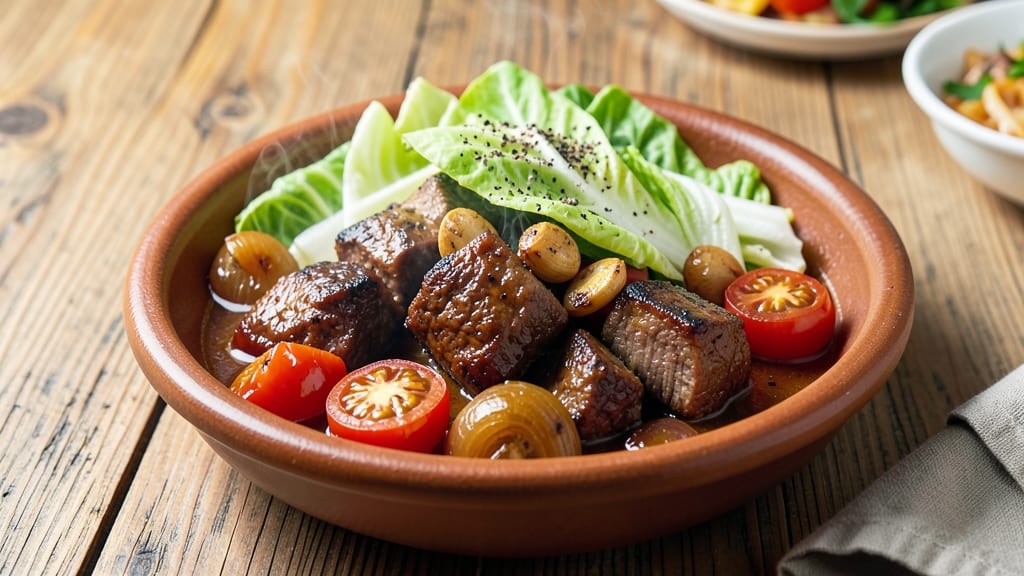
This Filipino beef and cabbage recipe delivers the rich, aromatic flavors of home—where tender beef and crisp cabbage simmer in a fragrant garlic-ginger broth. The secret lies in slow-cooking the beef until fork-tender while balancing sweet, tangy, and savory notes that define Filipino comfort food.
I've perfected this version to stay true to tradition while making it approachable for home cooks.
The dish begins with a deep, flavorful base of onions, garlic, and ginger, then builds layers of umami through soy sauce, tomatoes, and a touch of vinegar for brightness. Cabbage is added late to preserve its crisp texture, while beef chunks break down into melt-in-your-mouth bites.
This method ensures every spoonful is packed with authentic taste without requiring specialty ingredients.
What makes this recipe special is its versatility—serve it over steamed rice for a hearty meal or as a standalone stew with crusty bread. The aroma alone will transport you to a Filipino kitchen, where meals are made with love and shared generously.
The result is a dish that's both comforting and impressive, perfect for weeknight dinners or special gatherings.
With just a few simple ingredients and a patient cooking approach, you'll achieve restaurant-quality results that taste like home. The tender beef and slightly sweet cabbage create a perfect balance, making this a recipe you'll want to return to again and again. Let's get started!
Ingredients for beef and cabbage filipino
Tender beef and crisp cabbage come together in this aromatic Filipino stew, where garlic-ginger broth creates rich umami depth.
| Ingredient | Amount | Notes |
|---|---|---|
| Beef Chuck Roast 🥩 | 1 ½ lb | Cut into 1-inch cubes |
| Yellow Onions 🧅 | 2 whole | Sliced thinly for flavor |
| Garlic Cloves 🧄 | 6 cloves | Minced for aromatic base |
| Fresh Ginger 🌿 | 2 tbsp | Grated finely for zing |
| Cabbage 🥬 | 1 small head | Cut into wedges |
| Tomatoes 🍅 | 2 medium | Diced or crushed by hand |
| Soy Sauce 🍶 | ½ cup | Light or dark preferred |
| Cane Vinegar 💧 | 2 tbsp | For tangy brightness |
| Olive Oil 🫒 | 2 tbsp | For searing beef |
| Salt 🧂 | 1 tsp | Adjust to taste |
| Black Pepper 🌶️ | ½ tsp | Freshly ground preferred |
| Bay Leaves 🌿 | 2 whole | For subtle depth |
| Water 💧 | 2 cups | For simmering broth |
The beef is everything here—chuck roast breaks down beautifully into tender bites. Look for well-marbled cuts at Costco or your local butcher for the best texture. If you can't find chuck, sirloin or flank steak work in a pinch, but cut them smaller since they're leaner. The garlic and ginger are non-negotiable for that signature Filipino aroma. Penzeys or bulk bins at Whole Foods have the freshest, but grocery store jars work too—just check the expiration date. For the cabbage, green cabbage is traditional, but red adds pretty color if you're feeling festive.
No soy sauce? Coconut aminos or tamari bridge the gap, though the flavor will be slightly different. Vinegar substitutes? Lemon juice or apple cider vinegar both work, but cane vinegar gives that authentic tang. The tomatoes can be fresh, canned, or even tomato paste—just adjust the amount. Fresh is ideal, but San Marzano cans are a great shortcut. For the bay leaves, if you're out, a sprig of thyme or even a pinch of ground cloves adds depth. The water should be room temperature to help the flavors meld faster—no need to boil it first.
This stew tastes even better the next day as flavors deepen. Store in an airtight container in the fridge for up to 4 days, or freeze portions for 3 months. I like to double the recipe and freeze half—perfect for lazy weeknights. The cabbage stays crisp when added late, so don't overcook it. If you make extra broth, save it for rice or noodles—it's pure flavor gold.
Why You'll Love This Recipe
- One-Pot Magic: I swear by this—just brown the beef, toss in the onions, garlic, and ginger, then let it simmer with cabbage. No extra pans, no fuss. The beef practically melts into tender perfection while the cabbage softens just enough to soak up every bit of that savory broth.
- Ginger-Garlic Bomb: That fresh ginger and garlic combo? It’s the secret weapon. The cabbage gets this irresistible crisp-tender bite, while the beef stays juicy with a depth of flavor that makes you reach for seconds. Honestly, I’ve never met a beef dish that balances heat and richness this well.
- Lunchbox Hero: Between us, this is my go-to for meal prep. The flavors only get better the next day—ideal for packed lunches or feeding a crowd. My kids actually eat their veggies when it’s mixed in, and the beef stays juicy even cold. (Yes, even on a Tuesday night.)
- Budget Stretch: A chuck roast goes a long way here, and cabbage is one of the most affordable veggies out there. I’ve made this feed six people for under $15—tastes like a restaurant meal, costs like a grocery run. That’s the kind of win I live for.
Step-by-step instructions for beef and cabbage Filipino stew
This method delivers melt-in-your-mouth beef and perfectly tender cabbage through precise timing and layering.
Sear the Beef Chuck for Deep Flavor
Heat the 2 tablespoons olive oil in a large Dutch oven over medium-high heat until shimmering. Add the 1.5 lb beef chuck roast cut into 1-inch cubes in a single layer, leaving space between pieces. Let them sear undisturbed for 3-4 minutes until developing a deep golden-brown crust.
This initial searing creates the Maillard reaction that builds rich, caramelized flavor. I press down gently on the beef cubes during the first minute to prevent curling—this ensures even contact with the pan. Once all sides are browned, transfer the beef to a plate and set aside temporarily.
Build the Aromatic Base
In the same Dutch oven, reduce heat to medium and add the 2 whole yellow onions sliced thinly. Cook for 5-6 minutes until softened and translucent, stirring occasionally. Add the 6 cloves garlic minced and the 2 tablespoons fresh ginger grated, cooking for another 1-2 minutes until fragrant but not browned.
The onions should caramelize slightly at the edges—that's when you'll know they're ready. Here's the thing: don't rush this step. Properly developed aromatics form the flavor foundation of the entire dish. If the garlic starts to brown too quickly, reduce heat slightly to prevent bitterness.
Add Tomatoes and Simmer the Base
Stir in the 2 medium tomatoes diced, 0.5 cup soy sauce, 2 tablespoons cane vinegar, 1 teaspoon salt, and 0.5 teaspoon black pepper. Return the beef to the pot and add the 2 cups water and 2 whole bay leaves. Bring to a gentle simmer over medium-low heat.
Partially cover the pot and let it simmer for 1 hour until the beef is fork-tender. The liquid should reduce slightly but still coat the beef. I stir occasionally to prevent sticking, but not too much—this allows the beef to develop its own flavor rather than becoming mushy.
Incorporate the Cabbage
After the beef has cooked for 1 hour, add the 1 small head cabbage cut into wedges. Stir gently to distribute the cabbage pieces evenly throughout the stew. Return to a simmer and cook uncovered for an additional 20-25 minutes until the cabbage is tender but still holds its shape.
You'll know the cabbage is done when it easily pierces with a fork but still maintains a slight crunch. The cabbage should absorb the rich beef broth while staying vibrant. If the stew looks too thick, add 2-3 tablespoons water to reach your desired consistency.
Final Adjustments and Serving
Remove the 2 whole bay leaves and adjust seasoning if needed. Taste and add more soy sauce or salt if the dish needs more depth. Let the stew rest for 10 minutes off the heat before serving—this allows the flavors to meld completely.
Serve the beef and cabbage stew hot with steamed rice. The beef should be fork-tender with rich, caramelized edges, while the cabbage remains crisp-tender. Each bite delivers a perfect balance of savory beef, sweet cabbage, and aromatic garlic-ginger flavors that define this classic Filipino dish.
Pro Tips For Making Beef And Cabbage Filipino
- SEAR THE BEEF FIRST: I learned this the hard way—skipping the sear means your beef ends up tough and flavorless. Sear the chuck roast in small batches over medium-high heat until deep brown (about 3-4 minutes per side) before adding any liquid. The crust locks in juices and builds the base flavor that makes this dish sing.
- SLICE CABBAGE THINLY: Thick cabbage wedges turn mushy while the beef cooks. Cut the cabbage into ¼-inch slices and separate the leaves for even cooking—this way, they’ll soften just enough to be tender but still hold their shape. (Yes, it takes a few extra minutes, but trust me.)
- DEGLAZE WITH BEER OR SOY: The pan will have stuck-on bits after searing—don’t just add water. Use ½ cup of light beer (or soy sauce) to scrape and dissolve those flavors. It adds depth and cuts through the richness of the beef, balancing the dish like a pro move.
- LOW AND SLOW FOR TENDERNESS: Chuck roast needs patience. After browning, reduce heat to low and simmer uncovered for at least 2.5 hours (or until fork-tender). Skim excess fat occasionally, and resist the urge to rush—this is where the beef transforms from chewy to melt-in-your-mouth. (I know, I know—you’re hungry now.)
Common mistakes when making this dish
Overcooking the Beef
One of the most common mistakes is letting the beef become tough instead of tender. Chuck roast needs patience—cooking it too long or at too high a heat turns it into shoe leather.
I’ve learned to check for doneness by inserting a fork: the beef should pull apart easily after 1 hour of simmering, not 1.5 hours. If you’re using leaner cuts like sirloin, reduce the simmering time to 45 minutes to avoid dryness. 💡
Skipping the Sear
Many home cooks skip searing the beef entirely, which means missing out on the deep, caramelized flavor that comes from the Maillard reaction. That golden crust locks in juices and builds complexity. I always sear my beef over medium-high heat until deeply browned—don’t rush this step!
If your pan isn’t hot enough, the beef will steam instead of develop that rich crust. A 12-inch cast-iron skillet or Dutch oven works best for this.
Adding Cabbage Too Early
The cabbage is delicate and will turn mushy if added too soon. I add it only after the beef has already simmered for 1 hour, then cook it uncovered for just 20-25 minutes.
If you add it earlier, the cabbage will absorb too much liquid and lose its satisfying crunch. Pro tip: Use green cabbage for traditional flavor, but red cabbage adds a pretty pop of color if you’re serving it for a special occasion.
Ignoring the Broth Balance
Filipino stews thrive on a balance of flavors—sweet, tangy, and savory. If your stew tastes flat, it might need more soy sauce for umami, cane vinegar for tang, or a pinch of salt to round out the flavors.
I always taste as I go and adjust gradually. Another trick? A splash of calamansi juice (if available) brightens the dish instantly. If you don’t have calamansi, lemon juice works in a pinch.
Not Resting the Stew
Rushing to serve the stew right off the heat is a mistake. Letting it rest for 10 minutes allows the flavors to meld and the juices to redistribute, making every bite more delicious. I cover the pot loosely with a lid during this time.
Skipping this step means serving a stew that’s still "cooking" in your bowl, which can make the beef taste dry and the cabbage limp. Trust me, those 10 minutes make all the difference! ⏰
Using the Wrong Pot
A shallow pan or non-stick skillet won’t hold enough liquid to properly simmer the beef and cabbage. I always use a 5-6 quart Dutch oven because it traps heat and steam, ensuring even cooking. If you don’t have one, a heavy-bottomed pot with a tight-fitting lid works too.
Avoid thin aluminum pots—they heat unevenly and can burn the bottom of your stew. For best results, choose a pot with a 3-4 inch diameter to give the ingredients room to move and develop flavor.
Nutrition facts
Frequently asked questions
Can I substitute beef chuck with another cut?
Yes, but choose wisely! For tender results, use sirloin or flank steak cut into ½-inch cubes and simmer for 45 minutes instead of 1 hour. Avoid lean cuts like eye of round—they'll turn tough. If you're using a tougher cut like brisket, slice it thinly after cooking to mimic the texture of chuck.
How can I make this dish spicier?
Add 1-2 tablespoons of chili flakes or 1 sliced chili pepper (like siling labuyo) when searing the beef. For heat lovers, stir in 1 teaspoon of ground black pepper or a dash of Filipino-style chili sauce at the end. Remember, you can always add more heat but can't remove it!
What's the best way to reheat leftovers?
Gently reheat on the stovetop over low heat with 1-2 tablespoons of water to prevent drying. Never microwave directly from the fridge—this makes the beef tough. For extra flavor, add a splash of soy sauce or vinegar while reheating. Leftovers keep well for 4 days in the fridge or 3 months frozen.
Can I make this vegetarian?
Swap the beef for 1.5 lbs of extra-firm tofu pressed and cubed, or 1 lb of mushrooms (like portobello or shiitake) for meaty texture. Increase the soy sauce to ⅔ cup and add 1 teaspoon of miso paste for umami depth. The cabbage will still shine as the star vegetable.
Why does my stew taste too salty?
This usually happens when using canned tomatoes or pre-seasoned ingredients. Dilute the stew with ½ cup water and stir in 1 tablespoon of vinegar to balance the salt. If using soy sauce, reduce to ¼ cup next time. Taste as you go—Filipino cooking relies on gradual seasoning adjustments!