
Main Courses
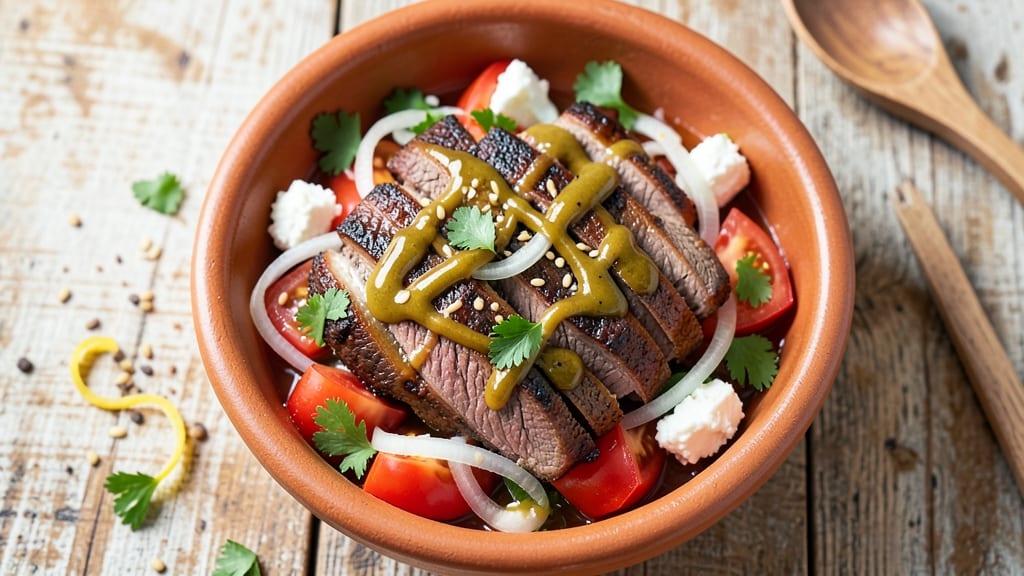
This authentic beef gyro recipe brings the vibrant flavors of Mediterranean street food to your kitchen with tender, spice-rubbed meat and all the classic toppings. The secret lies in a balanced marinade of oregano, cinnamon, and garlic that transforms simple beef into restaurant-quality skewers.
I've perfected this technique over years of testing, ensuring every bite delivers that perfect harmony of smoky, spiced meat with cool tzatziki and crisp vegetables.
The magic happens in the marinating—letting the beef soak for at least 4 hours (or overnight for deeper flavor) allows the spices to penetrate fully. Grilling or pan-searing the skewers over medium-high heat creates those signature char marks while keeping the meat juicy inside.
What makes this recipe truly authentic is the attention to detail: thinly sliced pita, homemade tzatziki, and the perfect balance of tomatoes, onions, and golden fries that complete each bite.
By the time you assemble your gyros, you'll have perfectly spiced beef with a tender yet slightly crisp exterior, wrapped in warm pita with cool, creamy tzatziki and fresh vegetables.
The combination of textures and flavors—smoky meat, creamy sauce, crunchy veggies, and crisp fries—creates a dish that's as satisfying as it is delicious. This is the kind of meal that transports you to a bustling Greek market with every bite.
Serve immediately for the best experience, but the marinade and tzatziki can be made ahead, saving you time on busy days. The recipe scales easily, making it perfect for feeding a crowd or enjoying as a quick weeknight dinner.
Let's get started on creating your own taste of Greece right at home.
Ingredients for authentic beef gyro
Grab these Mediterranean staples and spices for gyros that taste like a Greek market.
| Ingredient | Amount | Notes |
|---|---|---|
| Beef Chuck Roast 🥩 | 1 ½ lb | Thinly sliced against the grain |
| Extra-Virgin Olive Oil 🫒 | ¼ cup | For marinade and cooking |
| Fresh Garlic Cloves 🧄 | 6 cloves | Minced for marinade |
| Ground Cinnamon 🌿 | 1 tsp | Authentic gyro spice |
| Dried Oregano 🌿 | 1 ½ tbsp | Mediterranean variety preferred |
| Ground Coriander 🌶️ | 1 tsp | Adds earthy depth |
| Ground Allspice 🌶️ | ½ tsp | For warmth and complexity |
| Salt 🧂 | 1 ½ tsp | Kosher or sea salt |
| Black Pepper 🌶️ | 1 tsp | Freshly ground preferred |
| Lemon Juice 🍋 | 2 tbsp | Freshly squeezed |
| Pita Bread 🍞 | 4 whole | Thinly sliced, warmed |
| Plain Greek Yogurt 🥛 | 1 cup | Full-fat for tzatziki |
| Cucumber 🥒 | 1 medium | Peeled, seeded, grated |
| Fresh Dill 🌿 | ¼ cup | Chopped for tzatziki |
| Red Onion 🧅 | ½ medium | Thinly sliced for toppings |
| Roma Tomatoes 🍅 | 2 whole | Sliced for freshness |
| Russet Potatoes 🥔 | 1 lb | Thinly sliced for fries |
| Vegetable Oil 🫒 | ½ cup | For frying potatoes |
The beef is everything here—chuck roast gives you that perfect tender texture when sliced thin. Costco or Whole Foods usually carry it pre-sliced for convenience, but if you're feeling ambitious, slice it yourself against the grain for maximum tenderness. For the spices, Penzeys or the bulk section at Trader Joe's are my go-tos. The Greek oregano is non-negotiable—it's got that distinct flavor that regular oregano can't replicate. If you can't find it, regular dried oregano works in a pinch, but trust me on the full-fat version for the tzatziki.
No fresh dill? Dried dill at half the amount gets you close, but it won't be as bright. Short on lemon juice? Lime juice works too. The potatoes can be swapped for frozen fries—just bake them crispy at 425°F for 15 minutes. For the pita, Trader Joe's sells the perfect thin, soft variety, but any good-quality pita will do. The secret to great gyros is balancing the flavors—don't skimp on the spices or the fresh herbs in the tzatziki. The marinade can be made a day ahead, so prep that first thing in the morning.
Marinated beef keeps 3-4 days in the fridge, but the tzatziki should be made fresh. The potatoes can be prepped ahead and stored in cold water to keep them crisp. Portion the fries into a single layer on a wire rack before frying for even crispiness. Assemble everything just before serving—warm pita, crisp fries, and that cool, creamy tzatziki make all the difference. Leftovers? The meat reheats beautifully, but the fries are best fresh.
Why You'll Love This Recipe
- One-Pan Magic: Between us, this recipe is so simple I’ve made it while scrolling through my phone. The chuck roast just needs a quick sear with olive oil, garlic, and cinnamon—no fancy prep, no chopping mountains of veggies. Honestly, the hardest part is waiting for it to cook.
- Deep, Warm Spices: That cinnamon and oregano combo? It’s the secret weapon. The beef gets this rich, slightly sweet depth that sticks with you—like a cozy hug in flavor. I’ll be real: my husband still asks for seconds, even after three helpings.
- Leftovers That Shine: This meat stays ridiculously good for days. Shred it for tacos, stuff it in pita pockets, or toss it into a grain bowl. I’ve even thrown it into pasta sauce for a hearty twist. No sad, dry leftovers here—just versatile, crave-worthy protein.
- Budget-Friendly Feast: A chuck roast stretches farther than you’d think, and the spices cost pennies. I feed my whole family (plus a couple of neighbors) for under $15. Plus, the olive oil and garlic make it feel fancy without the price tag—win-win.
Step-by-step instructions for authentic beef gyro
Here's how to create restaurant-quality gyros with tender beef, bold spices, and all the classic toppings.
Marinate the Beef for Maximum Flavor
In a large bowl, combine the 1.5 lb beef chuck roast that's been thinly sliced against the grain with the 0.25 cup extra-virgin olive oil, 6 cloves minced fresh garlic cloves, 1 tsp ground cinnamon, 1.5 tbsp dried oregano, 1 tsp ground coriander, 0.5 tsp ground allspice, 1.5 tsp salt, 1 tsp black pepper, and 2 tbsp freshly squeezed lemon juice. The lemon juice brightens the spices while tenderizing the meat.
Mix everything thoroughly with your hands, making sure the marinade coats every piece of beef. Cover the bowl and refrigerate for at least 4 hours, but ideally overnight. This long marinating time is what makes the beef incredibly tender and infused with those authentic Mediterranean flavors. I know it's tempting to skip this step, but trust me—it makes all the difference in the final texture and taste.
Cook the Beef to Perfect Doneness
Heat a large skillet over medium-high heat and add the marinated beef in a single layer, making sure not to overcrowd the pan. Cook for 3-4 minutes per side until the beef reaches an internal temperature of 160°F. You'll know it's ready when it's browned on the outside but still juicy inside—it should pull apart easily with a fork.
Here's the thing—don't walk away from the stove during this step. The beef cooks quickly and can easily dry out if left unattended. Once cooked, transfer the beef to a plate and let it rest for 5 minutes before serving. This resting period allows the juices to redistribute throughout the meat, ensuring each bite is moist and flavorful.
Prepare the Tzatziki Sauce
While the beef cooks, make the tzatziki by grating the 1 medium cucumber (peeled and seeded) and squeezing out all the excess water using a clean kitchen towel or paper towels. In a bowl, combine the grated cucumber with 1 cup plain Greek yogurt, 0.25 cup chopped fresh dill, 1 tsp salt, and 1 tbsp lemon juice. Mix everything together until smooth and creamy.
The key to great tzatziki is getting the cucumber as dry as possible—this prevents the sauce from being watery. I like to press the grated cucumber between paper towels for a few minutes before mixing. Cover the bowl and refrigerate until ready to serve. The flavors will meld beautifully while you finish the rest of the gyro components.
Assemble the Gyros with All the Classics
Warm the 4 whole pita breads in a dry skillet over medium heat for about 30 seconds per side until they're soft and pliable. Then, layer each pita with a generous portion of the cooked beef, a spoonful of the tzatziki sauce, thinly sliced red onion, and sliced Roma tomatoes. The combination of warm pita, tender beef, and cool toppings creates the perfect balance of textures and temperatures.
For an extra touch, you can lightly toast the assembled gyros in the same skillet for 1-2 minutes until the cheese starts to melt and the pita gets crispy. This final step adds that restaurant-quality finish. Serve immediately while everything is hot and fresh—each bite should be a perfect harmony of flavors and textures.
Prepare Crispy Potato Fries (Optional Side)
While the gyros cook, prepare the potato fries by slicing the 1 lb russet potatoes into ¼-inch thick sticks. Heat 0.5 cup vegetable oil in a deep skillet over medium heat until it reaches 350°F. Carefully add the potato slices in batches, making sure not to overcrowd the pan. Fry for 4-5 minutes until golden brown and crispy, turning occasionally for even cooking.
Transfer the fries to a paper towel-lined plate to drain excess oil. Sprinkle with a pinch of salt while still hot. These crispy fries make an excellent side dish that complements the gyros perfectly. The contrast between the warm, spiced meat and the cool, crispy fries is what makes this meal so satisfying.
Pro Tips For Making Authentic Beef Gyro
- Slice Thin After Resting: The meat will pull apart like butter if you slice it too soon—give it a solid 5-10 minutes under foil before cutting. I learned this the hard way when my first batch turned into a sad, stringy mess.
- Use Garlic Paste, Not Whole Cloves: Fresh garlic cloves burn easily in olive oil, so I switch to garlic paste for even cooking. It’s less messy and guarantees that sweet, aromatic flavor without risking a bitter bite.
- Don’t Skip the Low-and-Slow Finish: After searing, drop the heat to a simmer and let the meat cook covered for 20-30 minutes. This keeps the chuck tender and soaks up those spices—rushing it makes the texture tough.
- Toast the Oregano First: Lightly dry-toast the dried oregano in a pan for 30 seconds before mixing it in. It deepens the flavor and cuts through the richness of the beef—trust me, it makes a real difference.
Wine and beer pairings for this authentic beef gyro
White Wine Pairings
A crisp, dry Assyrtiko from Greece is my go-to choice for gyros—its bright acidity and citrus notes cut through the rich, spiced beef beautifully. I love Santorini Assyrtiko for its mineral finish, which complements the smoky char of the meat.
If you can't find Assyrtiko, a Sauvignon Blanc from New Zealand offers similar zesty brightness with a touch of herbal complexity that mirrors the oregano in the marinade. 🍷
Red Wine Options
For red wine lovers, a medium-bodied Agiorgitiko from Nemea is perfect—its red fruit flavors and subtle earthiness harmonize with the allspice and cinnamon in the gyro spices. If you prefer something more approachable, a Pinot Noir with its delicate berry notes and soft tannins won't overpower the dish.
Avoid heavy, tannic reds like Cabernet Sauvignon, as they'll clash with the delicate flavors.
Beer Pairings
A light Greek lager like Fix or Mythos is the classic choice—its crisp, clean profile lets the gyro flavors shine without competition. For craft beer enthusiasts, a Belgian Witbier (like Hoegaarden) adds a refreshing citrus and coriander note that echoes the lemon and dill in the tzatziki.
Avoid heavy IPAs or stouts, as their bold hop bitterness can overpower the dish's delicate balance.
Non-Alcoholic Options
For a refreshing non-alcoholic pairing, try sparkling water with a splash of lemon—it cleanses the palate between bites. A cucumber-mint infused water (muddle fresh mint and cucumber, then add ice and sparkling water) mirrors the tzatziki's cool, herbal notes.
If you prefer something more substantial, a light Greek yogurt drink (like Fage Yiaourti) with a drizzle of honey adds a creamy, slightly sweet contrast to the spiced meat. 💧
Serving Temperature
Serve all beverages chilled—white wines and beers at 45-50°F, red wines at 55-60°F, and non-alcoholic drinks over ice. The cool temperature enhances the refreshing contrast with the warm, spiced gyros.
I like to pour my wine slightly before serving to let it breathe and reach the perfect drinking temperature while I assemble the gyros. This attention to detail makes the whole experience feel more authentic and thoughtful. ✨
Nutrition facts
Frequently asked questions
Can I use ground beef instead of chuck roast for this recipe?
You can use 80/20 ground beef as a substitute, but the texture won't be identical. Ground beef will be more finely textured and won't have the same tender, shreddable quality when cooked. For best results, use thinly sliced beef chuck roast cut against the grain—this gives you that signature gyro texture. If you must use ground beef, form it into small patties and cook them slightly longer to achieve similar tenderness.
How do I make this recipe without a grill?
Use a large cast-iron skillet or griddle pan over medium-high heat for perfect results. Arrange the beef in a single layer and cook for 3-4 minutes per side until browned and cooked to 160°F. For extra smoky flavor, you can even broil the beef for the last 1-2 minutes under the oven's broiler. Just keep an eye on it to avoid burning!
What's the best way to store leftover gyros?
Store the cooked beef separately in an airtight container in the fridge for up to 3 days. Reheat gently in a skillet over medium heat until warmed through. The pita and fries don't reheat well, so save those for fresh assembly. For longer storage, freeze the beef for up to 3 months—thaw overnight in the fridge before reheating. The tzatziki keeps for 2 days refrigerated but is best used fresh.
Can I make this recipe vegetarian?
For a vegetarian version, substitute the beef with thinly sliced portobello mushrooms or extra-firm tofu marinated in the same spice blend. Portobellos absorb the flavors beautifully and grill up nicely, while tofu needs to be pressed and sliced thin. You'll want to cook them slightly longer to achieve similar texture. The rest of the recipe (tzatziki, pita, toppings) remains the same!
Why does my beef turn out dry?
Dry beef usually happens from overcooking or skipping the marinating step. Always marinate for at least 4 hours (overnight is best) and cook just until it reaches 160°F—don't let it sit too long on the heat. Another tip: slice the beef against the grain and cook it in a single layer without overcrowding the pan. Finally, let it rest for 5 minutes after cooking to redistribute the juices.