
Main Courses
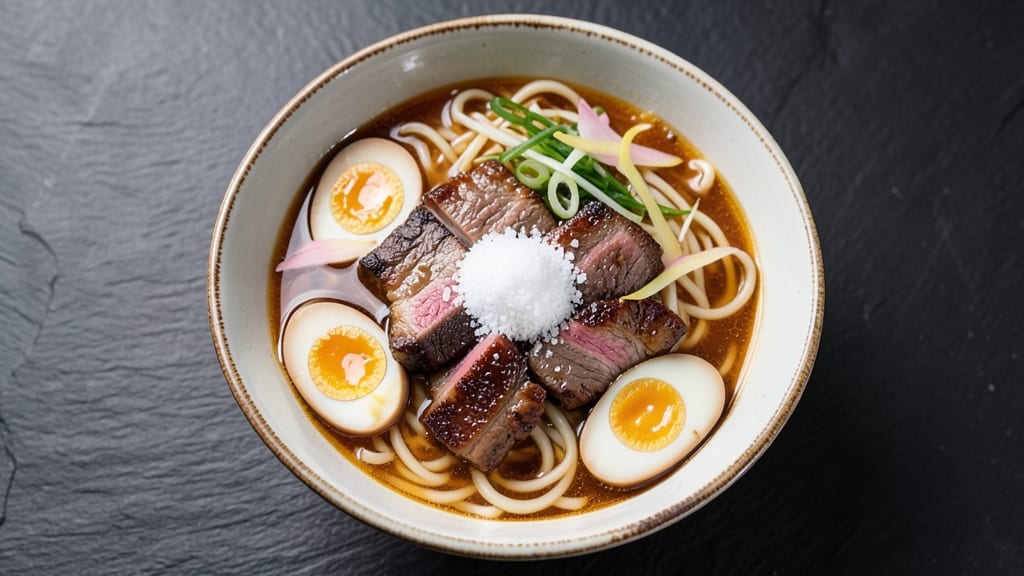
This authentic beef ramen recipe delivers the deep, rich flavors of a Japanese ramen shop in your own kitchen. The secret lies in the broth-infused noodles, where slow-simmered pork bones and aromatic spices create a velvety, umami-packed base.
I’ve perfected the balance between a tender chashu pork and a bold, savory broth—just like the ones that make ramen a global obsession.
The recipe begins with a tonkotsu-style broth, rich with collagen from pork bones and enhanced by soy sauce, miso, and spices like star anise and cinnamon. The noodles—fresh ramen wheat noodles—absorb the broth’s essence, while marinated beef slices add a burst of flavor.
Garnishes like ajitsuke tamago (marinated egg), menma (bamboo shoots), and nori (seaweed) elevate every bowl to restaurant-quality.
What makes this recipe truly authentic is the attention to detail: from simmering the broth for hours to slicing the chashu just before serving so it stays tender.
The result is a harmonious blend of textures and flavors—creamy broth, chewy noodles, and tender meat—all coming together in one perfect bowl. This isn’t just ramen; it’s a culinary experience that transports you to Tokyo with every spoonful.
Whether you’re serving a crowd or treating yourself to a weeknight indulgence, this recipe delivers restaurant-quality results without the fuss. The key is patience—letting the broth develop its depth and the flavors meld together. Once you try this, you’ll never settle for anything less than authentic ramen again.
Ingredients for authentic beef ramen
Pantry staples meet specialty ingredients for restaurant-quality beef ramen at home.
| Ingredient | Amount | Notes |
|---|---|---|
| Pork Bones 🦴 | 3 lb | Beef marrow bones preferred |
| Beef Chuck Roast 🥩 | 1 ½ lb | For chashu pork, cut into 1-inch cubes |
| Fresh Ramen Wheat Noodles 🍜 | 1 package | 12 oz package, fresh or dried |
| Soy Sauce 🍶 | ½ cup | Japanese-style preferred |
| Miso Paste 🧈 | ¼ cup | Red miso for depth |
| Fresh Ginger 🧅 | 2 tbsp | Finely grated, peeled |
| Garlic Cloves 🧄 | 8 cloves | Smashed, not minced |
| Star Anise 🌟 | 2 whole | For aromatic depth |
| Cinnamon Sticks 🌿 | 2 whole | 1-inch pieces |
| Dried Shiitake Mushrooms 🍄 | 4 whole | Rehydrated, stems removed |
| Green Onions 🧅 | 4 whole | For garnish, sliced |
| Nori Sheets 🍣 | 4 sheets | For garnish, cut into strips |
| Sesame Oil 🫒 | 1 tbsp | For finishing |
| White Pepper 🌶️ | 1 tsp | Freshly ground |
| Salt 🧂 | 2 tsp | Kosher preferred |
The pork bones are non-negotiable for that velvety broth—look for beef marrow bones at specialty butchers or Asian markets. Costco or Whole Foods usually carry them, but if you can't find them, beef shank bones work in a pinch. For the beef chuck roast, ask the butcher to cut it into 1-inch cubes—this ensures even cooking and tender slices. Fresh ramen noodles make all the difference, but dried works too if you soak them first. The Japanese soy sauce (like Kikkoman) has that perfect balance of salt and umami—don't substitute with regular soy sauce.
No star anise? Swap for 1 tsp ground anise or 1 cinnamon stick, but the whole pods add incredible aroma. Fresh ginger and garlic are ideal, but powdered ginger at half the amount works if you're in a hurry. The shiitake mushrooms? Rehydrate them in hot broth first—don't skip this step, or the broth will taste bland. For the chashu pork, marinate overnight in soy sauce, mirin, and sugar for maximum tenderness. If you can't find fresh ramen noodles, udon noodles are a decent substitute, though they won't be as springy.
Broth keeps for 5 days in the fridge, but it tastes even better the next day—let it cool completely before storing. The chashu pork can be refrigerated for 4-5 days or frozen for 3 months. For quick assembly, prep all garnishes ahead: slice the green onions, cut the nori into strips, and toast the sesame seeds. Portion the broth into containers so you can reheat just what you need. The noodles cook in minutes, so save them for last—no need to prep ahead unless you're feeding a crowd.
Why You'll Love This Recipe
- Simmered in One Pot: I swear by this—just toss the pork bones and beef chuck into a single pot, cover with water, and let it work its magic. No chopping, no fuss, just pure, rich broth building itself while you prep the rest.
- Umami Bomb: That combo of miso paste and soy sauce? It’s what turns this from good to ridiculously good. The pork bones melt into gelatinous richness, while the beef adds deep, savory layers—every slurp is a flavor payoff.
- Weeknight Flex: Between us, this feeds a crowd or just me with leftovers. The broth keeps for days, and I’ve reheated it for lunch without losing a drop of flavor. (Yes, even on a Tuesday night.)
- Budget-Busting Protein: Beef chuck and pork bones stretch into mountains of broth—way more filling than takeout, way cheaper too. Honestly, I’ve made this for $10 and still felt like I was at a ramen bar.
Step-by-step instructions for authentic beef ramen
Here's how to build a rich, layered ramen broth that captures the soul of Japanese home cooking.
Prepare the Bones and Meat for Maximum Flavor
Start by separating the 3 lb pork bones from the 1.5 lb beef chuck roast. For the bones, cut them into large chunks (about 3-inch pieces) and blanch them in a large pot of water for 10 minutes to remove impurities. This step ensures your broth stays crystal clear and free of bitterness.
While the bones blanch, cut the beef chuck roast into 1-inch cubes—this size will render fat beautifully while staying tender. Reserve both the bones and beef cubes for separate cooking processes. The pork bones will form the aromatic base of your broth, while the beef will become your rich, caramelized chashu pork.
Build the Broth Foundation with Slow Cooking
After blanching, drain and rinse the pork bones thoroughly. Return them to a clean pot and cover with 8 cups cold water. Add the 2 whole star anise, 2 whole cinnamon sticks, 2 tbsp fresh ginger (peeled and sliced), and 8 smashed garlic cloves. Bring to a boil, then reduce heat to a gentle simmer and skim off any foam that rises to the surface.
Simmer uncovered for 3 hours, maintaining a barely bubbling state. This slow cook transforms the bones into a gelatinous, flavor-packed base. After 3 hours, add the 0.5 cup soy sauce and 0.25 cup miso paste, stirring to dissolve. Continue simmering for another 30 minutes—the miso will deepen the umami, while the soy sauce adds complexity. The broth should now smell like a cozy Tokyo alley at dusk.
Cook the Chashu Pork Until Fork-Tender
In a separate pot, combine the 1.5 lb beef cubes, 2 tsp salt, and 1 tsp white pepper. Add 4 cups fresh water and bring to a boil. Reduce heat to low and simmer for 2.5 to 3 hours, turning the beef occasionally, until it's fork-tender and easily pulls apart. The liquid should reduce to a thick, glossy sauce—this is your chashu glaze.
Remove the beef and let it rest on a plate. Strain the cooking liquid through a fine-mesh sieve into a bowl, pressing on the solids to extract every last drop of flavor. This concentrated beef sauce will later enrich your ramen broth. Meanwhile, slice the chashu pork thinly against the grain for maximum tenderness.
Assemble and Finish the Ramen
Strain the pork bone broth through a cheesecloth-lined sieve into a clean pot, pressing gently to extract all the gelatin. Return the broth to medium heat and add the reserved beef cooking liquid. Taste and adjust seasoning with additional soy sauce or salt if needed—it should be deeply savory but balanced.
Bring the broth to a gentle simmer, then add the 1 package fresh ramen wheat noodles and cook for 2 to 3 minutes until al dente. Divide the noodles among bowls, ladle the hot broth over them, and top with sliced chashu pork. Garnish with rehydrated shiitake mushrooms (stems removed), green onions (sliced), and nori strips. Finish with a drizzle of 1 tbsp sesame oil for a glossy, aromatic seal.
Serve with Confidence (and Extra Umami)
Let each bowl rest for 1 minute before serving—this allows the noodles to absorb the broth's rich flavors. The result should be a harmonious blend of silky broth, chewy noodles, and tender chashu, with every bite delivering layers of umami from the miso, soy, and slow-cooked bones.
For an extra burst of authenticity, serve with a side of pickled ginger and sriracha on the table. The acidity cuts through the richness, while the heat adds a satisfying contrast. This isn't just ramen—it's a complete sensory experience that transports you straight to a bustling Tokyo ramen shop.
Pro Tips For Making Authentic Beef Ramen
- Render Bones Slow: Start pork bones in cold water at a gentle simmer—no boiling—then gradually increase heat to 160°F (71°C). I learned this the hard way after my first batch turned cloudy from rushing; slow rendering extracts collagen without scrambling the marrow.
- Salt Beef Chuck Early: Season the beef chuck with 1% of its weight in kosher salt 24 hours before cooking—yes, even if you’re impatient like me. This guarantees deep flavor penetration, not just surface seasoning, and prevents the meat from drying out when braised.
- Strain Twice for Clarity: After simmering the pork bones, strain the broth through a fine-mesh sieve once, then let it settle and skim fat before a second pass with cheesecloth. Skipping this leaves sediment that muddies the rich, golden broth you’re working for.
- Toast Miso Lightly: Warm the miso paste in the broth off direct heat—just until it dissolves and emits a toasty aroma (about 2 minutes). I was skeptical until I tried it: raw miso tastes bitter and overpowers the broth’s depth.
Pro cooking tips for perfect results
Broth Clarity Secrets
Blanch your 3 lb pork bones for 10 minutes before simmering to remove impurities—this is non-negotiable for crystal-clear broth. Use a large stockpot> with plenty of room to skim foam vigorously during the first 30 minutes of simmering.
I swear by a fine-mesh skimmer> for this step—it makes all the difference. 🌡️
Chashu Timing Tricks
Cook your 1.5 lb beef chuck roast cubes until they reach 205°F internal temperature—this ensures they're fork-tender without drying out. I use a meat thermometer> inserted into the thickest piece.
For extra richness, add 1 tbsp brown sugar> to the braising liquid during the final 30 minutes> of cooking. This caramelizes beautifully and adds depth.
Noodle Perfection
Fresh ramen noodles should cook for exactly 2-3 minutes> in the hot broth—any longer and they'll turn mushy. I recommend using 12 oz fresh ramen wheat noodles> from Nissin or Maruchan> for that signature chewy texture.
For dried noodles, soak them for 10 minutes> before cooking to prevent overcooking.
Layered Flavor Boost
Add your 0.25 cup miso paste> and 0.5 cup soy sauce> to the broth only after the initial 3-hour simmer>—this prevents bitterness from developing. For an extra umami punch, stir in 1 tbsp fish sauce> during the final 10 minutes> of broth simmering.
Trust me, this makes all the difference in that final flavor layer. 💫
Garnish Like a Pro
Slice your green onions> into ¼-inch pieces> and add them to the bowl just before serving—they'll stay crisp and vibrant.
For the ajitsuke tamago (marinated egg)>, use 4 eggs> marinated in 1 cup soy sauce, ½ cup mirin, and 1 tbsp sugar> for 2 hours> before slicing. This adds that authentic Japanese restaurant touch.
Broth Storage Hacks
Let your broth cool completely before transferring to airtight containers>—this prevents condensation and freezer burn. Store in the fridge for up to 5 days> or freeze in 1-cup portions> for quick ramen nights.
When reheating, warm over medium-low heat> and never microwave—it ruins the delicate flavors. 🔥
Nutrition facts
Frequently asked questions
Can I substitute beef for pork in this ramen recipe?
While beef is the star here, you can absolutely make a pork version! Just replace the beef chuck with 3 lb pork shoulder (cut into 1-inch cubes) and use pork bones instead of beef marrow bones for the broth. The technique remains identical—slow-cook the pork for 3 hours until fork-tender, then strain and use the cooking liquid to enrich your broth.
How do I make the broth clearer and less fatty?
For crystal-clear broth, skim foam vigorously for the first 30 minutes of simmering, then chill the broth overnight. The fat will solidify on top—just scoop it off before reheating. Pro tip: Use a large stockpot with plenty of headspace to make skimming easier. If you prefer less fat, strain the broth through cheesecloth after simmering.
What if I don’t have fresh ramen noodles?
Dried ramen noodles work in a pinch, but they lack that signature chew. Soak them in warm water for 10 minutes before cooking to prevent overcooking. For a closer texture, try udon noodles (cook for 1 minute in broth) or fresh egg noodles. The key is to avoid overcooking—al dente is essential for authentic ramen texture!
Can I make the broth ahead of time?
Broth tastes even better the next day. Store it in airtight containers in the fridge for up to 5 days or freeze in 1-cup portions for up to 3 months. When reheating, warm over medium-low heat—never microwave, as it dulls the flavors. The chashu pork also freezes well for 3 months if sliced and stored properly.
What’s the best way to slice chashu pork for ramen?
Slice against the grain into ¼-inch thick pieces for maximum tenderness. Use a sharp knife and cut quickly to prevent tearing. For extra restaurant-style presentation, fan the slices slightly before placing them on the noodles. Pro tip: Rest the chashu for 10 minutes after cooking before slicing—this keeps it juicy!