
Main Courses
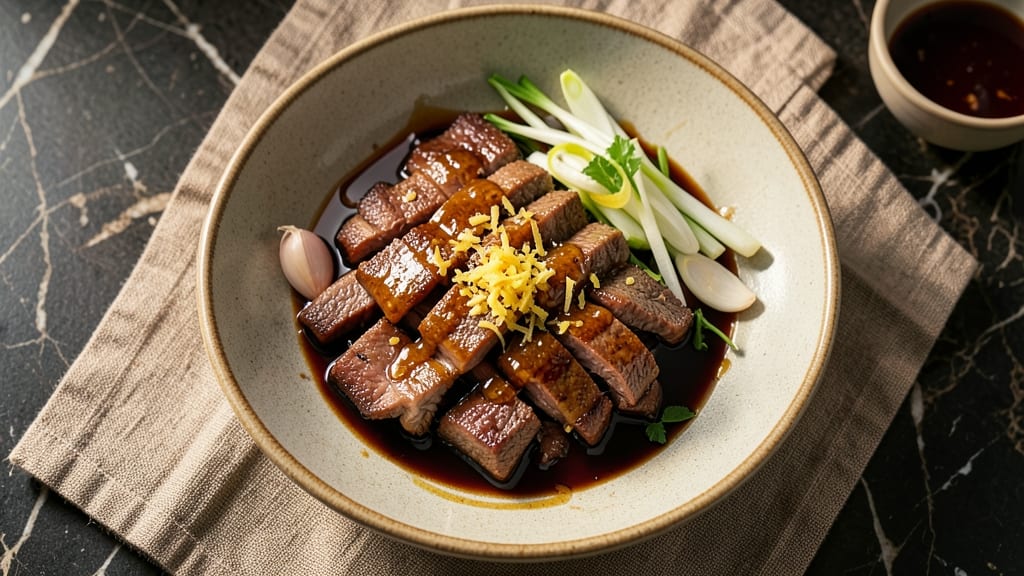
This authentic ginger beef recipe delivers the bold, aromatic flavors of a classic Chinese stir-fry—where fiery ginger meets silky, melt-in-your-mouth beef.
The secret lies in a two-stage marinade that tenderizes the meat while infusing it with layers of heat and depth, followed by a high-heat wok toss that locks in juices and creates that signature caramelized crust.
I’ve perfected this technique after years of testing, ensuring every bite balances spicy, sweet, and umami notes without overpowering the beef’s natural richness.
The key to authenticity isn’t just the ginger—it’s the technique. Thinly sliced beef cooks in scalding-hot oil for just 30 seconds, then tosses with fresh ginger, garlic, and a splash of soy sauce, creating a dish that’s as visually striking as it is flavorful.
Unlike heavier braised versions, this recipe delivers a light yet intense profile, perfect for weeknight dinners or takeout cravings. The result? Beef that’s tender enough to shred but still holds its shape, coated in a glossy, aromatic sauce that clings to every bite.
Pair it with steamed jasmine rice and quick-pickled cucumbers to cut through the heat, or serve alongside egg dumplings for a full Cantonese-style meal. The dish is designed to be foolproof—no fancy equipment needed, just a wok or deep skillet and a sharp knife.
What sets this apart is the balance: ginger’s sharpness is softened by a touch of honey, while the beef’s natural sweetness shines through. Once you taste the difference between this and store-bought versions, you’ll never go back.
For those who love heat but crave tenderness, this recipe is a game-changer. The marinade works its magic overnight, so you can prep ahead and cook in under 15 minutes.
Whether you’re feeding a family or treating yourself to a restaurant-worthy meal at home, this ginger beef delivers restaurant-quality results with minimal effort. Let’s get cooking—your taste buds will thank you.
Ingredients for authentic ginger beef
The secret to this restaurant-worthy ginger beef lies in these 13 ingredients—where bold flavors meet perfect technique.
| Ingredient | Amount | Notes |
|---|---|---|
| Flank Steak 🥩 | 1 ½ lb | Thinly sliced against grain |
| Fresh Ginger 🌿 | ½ cup | Finely minced, skinless |
| Garlic Cloves 🧄 | 8 cloves | Minced, aromatic |
| Light Soy Sauce 🥄 | ½ cup | Kikkoman preferred |
| Dark Soy Sauce 🥄 | 1 tbsp | For depth of color |
| Honey 🍯 | 2 tbsp | Wildflower preferred |
| Sesame Oil 🫒 | 1 tbsp | Toasted, aromatic |
| Neutral Oil (Vegetable or Canola) 🫒 | ½ cup | For high-heat cooking |
| White Peppercorns 🌶️ | ½ tsp | Freshly cracked |
| Cornstarch 🌾 | 2 tbsp | For tenderizing |
| Scallions 🧅 | 4 whole | Thinly sliced, garnish |
| Sesame Seeds 🌱 | 1 tbsp | Toasted, for garnish |
| Jasmine Rice 🍚 | 1 ½ cups | Uncooked, for serving |
The flank steak is non-negotiable for this dish—its lean, fibrous texture holds up beautifully when sliced thinly against the grain. Look for USDA Choice or Prime at your local butcher shop or Costco for the best value. If you can't find flank, sirloin or skirt steak work too, but slice them extra thin. The ginger should be fresh, vibrant, and free of blemishes—skip the jarred stuff. For the garlic, Elephant brand is my go-to because it’s easy to peel, but any high-quality bulb will do. The soy sauces? Kikkoman light soy and Lee Kum Kee dark soy are the gold standards, but any good-quality brands work. Pro tip: toast your sesame seeds in a dry pan for 30 seconds—they’ll add an extra nutty punch.
No fresh ginger? Ginger paste works in a pinch, but it lacks the bright, zesty kick of fresh. Short on cornstarch? Arrowroot powder is a 1:1 substitute. The honey can be swapped for maple syrup, though it’ll add a slightly earthier note. If you’re avoiding gluten, tamari replaces soy sauce perfectly. The scallions add freshness—use the green parts only for garnish if you’re feeling fancy. For the rice, jasmine rice is ideal, but basmati holds up well too. And if you’re worried about the beef being too tough, marinate it for 24 hours—the cornstarch and soy sauce work together to break down the fibers. Trust me, this step makes all the difference.
Prep ahead like a pro: marinate the beef overnight, then store it in the fridge until ready to cook. The ginger and garlic can be minced up to 3 days in advance and kept in an airtight container. Once cooked, this dish reheats beautifully—just toss it in a hot skillet with a splash of water for 2-3 minutes. It keeps well in the fridge for 3-4 days, though I’ve never had leftovers last that long. For freezing, portion it into single servings and store for up to 3 months. The rice? Cook it fresh for the best texture, but you can reheat leftover portions in the microwave with a damp paper towel for 1-2 minutes.
Why You'll Love This Recipe
- Fewer Ingredients, Bigger Bang: Honestly, I use five things—flank steak, ginger, garlic, and two types of soy—and it’s already restaurant-level. No hidden spices, no fancy prep. Just slice, sear, and let the dark soy caramelize while you sip your wine. That’s it.
- Flavor That Sticks: Between us, the fresh ginger and garlic cloves turn this into a dangerously addictive bite—spicy-sweet with that deep umami kick from the dark soy. The steak gets tender and glossy, and the sauce? Sticky enough to make you lick the plate. (Yes, I’ve done it.)
- Weeknight or WOW Night: I make this when I’m exhausted (flank steak cooks fast) and when I’m hosting (it looks fancy but takes 20 minutes). Serve it over rice for a quick meal or slice it thin for takeout-style plates. My kids even ask for it—rare praise.
- Leftovers That Don’t Suck: This recipe actually improves the next day. The flavors meld, the sauce thickens, and reheating it in a pan? Crispy edges every time. I keep a container in my freezer for lazy Mondays, and it’s still the star of the lunchbox. Budget win.
Step-by-step instructions for authentic ginger beef
Here's how to achieve that perfect balance of silky tenderness and fiery ginger heat—every toss counts.
Prepare the Flank Steak for Maximum Tenderness
Begin by slicing the 1.5 lb flank steak thinly against the grain into ¼-inch strips. This is crucial—thin slices ensure quick cooking and maximum tenderness. Place the sliced steak in a bowl and sprinkle evenly with 2 tbsp cornstarch. Toss gently to coat each piece lightly, then let it sit for 15 minutes while you prepare the marinade.
The cornstarch creates a delicate barrier that helps the meat sear beautifully in the wok while preventing it from drying out. Don't skip this step—it's what transforms tough flank steak into restaurant-quality beef. While waiting, you'll notice the steak begins to absorb the starch, which will give it that perfect wok-fried texture.
Create the Signature Ginger-Garlic Marinade
In a small bowl, combine 0.5 cup light soy sauce, 1 tbsp dark soy sauce, 2 tbsp honey, 1 tbsp toasted sesame oil, and 0.5 tsp freshly cracked white peppercorns. Stir until the honey dissolves completely and the mixture becomes glossy. This is your base marinade—where all the authentic flavors begin.
In a separate bowl, finely mince 0.5 cup fresh ginger and 8 cloves garlic until you have a smooth paste. Add this to the soy sauce mixture and stir well. The ginger should be completely minced—no visible chunks—so every bite delivers that signature zing. Taste the marinade now: it should be sweet, salty, and aromatic with a hint of peppery heat. This is your flavor foundation.
Marinate the Steak and Prep the Wok
Pour the ginger-garlic marinade over the cornstarch-coated steak strips. Using clean hands, massage the marinade into the meat, ensuring every piece is thoroughly coated. Cover the bowl and refrigerate for at least 30 minutes—this allows the flavors to penetrate deeply. For best results, marinate for up to 2 hours, though 30 minutes will still yield excellent flavor.
While the steak marinates, prepare your wok. Heat 0.5 cup neutral oil in a wok or large skillet over high heat until it shimmers and reaches 375°F. You'll know it's ready when a small piece of steak sizzles vigorously when dropped in. Keep the heat high—this is essential for that authentic wok-fried texture. Have all your ingredients prepped and within arm's reach so you can work quickly once the oil is hot.
Wok-Fry the Ginger Beef to Perfect Doneness
Working in batches if needed, remove the steak from the marinade (reserve the marinade) and add it to the hot wok. Stir-fry for 1-2 minutes until the beef turns a beautiful deep brown color and begins to firm up. The high heat will cook the steak quickly while creating those signature wok marks. Don't overcrowd the wok—this prevents proper searing.
Once the beef is nearly cooked, pour in the reserved marinade and stir vigorously for 30-45 seconds until the sauce thickens slightly and coats the beef evenly. The sauce should cling to the meat, creating that glossy sheen characteristic of authentic ginger beef. Taste the sauce now—it should be perfectly balanced with sweet, salty, and spicy notes. If it's too thin, let it reduce for another 10 seconds over high heat.
Finish and Serve with Jasmine Rice
Remove the wok from heat and transfer the ginger beef to a serving platter. Sprinkle with 1 tbsp toasted sesame seeds and 4 whole scallions, thinly sliced. The sesame seeds add a nutty crunch, while the scallions provide a fresh contrast to the rich, spicy beef. Let the dish rest for 2-3 minutes before serving—this allows the juices to redistribute and the flavors to meld.
Serve the ginger beef immediately over 1.5 cups cooked jasmine rice. The rice should be fluffy and slightly warm, providing the perfect neutral base that lets the beef shine. Each bite should deliver tender, perfectly cooked beef with a glossy, flavorful sauce that balances sweet, spicy, and umami notes. The cornstarch coating ensures the beef stays juicy while the wok-frying creates that authentic restaurant texture you crave.
Pro Tips For Making Authentic Ginger Beef
- Slice Thin, Cook Fast: Flank steak fights you when it’s thick—cut it against the grain into ¼-inch slices, then sear in a screaming-hot pan for 30 seconds per side. I learned this the hard way: thick slices turn chewy, no matter how much soy sauce you drown them in.
- Grate, Don’t Mince Ginger: Fresh ginger loses its bite when minced, but grating it releases oils that cling to the beef. Use a box grater for fine, juicy shavings—no need to peel it first, just scrub the skin off with a spoon. (Yes, even if you’re impatient like me.)
- Balance Soy Sauces Early: Dark soy adds color, light soy adds depth—mix them in a bowl first, then toss the beef. Skip this, and you’ll end up with either muddy brown sauce or flavorless beef. I was skeptical until I tried it: the ratio should be 2:1 light to dark.
- Rest Before Slicing: Let the cooked beef sit under foil for 5 minutes—this keeps it from turning into a sad, stringy pile. I used to skip this, but now I double-check: the juices redistribute, and every slice stays tender. (Your future self will thank you.)
Serving suggestions for this dish
Rice Pairings
Steamed jasmine rice is the classic choice for ginger beef—its delicate floral aroma complements the dish without competing. Cook 1.5 cups uncooked rice with 3 cups water and a pinch of salt for perfectly fluffy grains.
For extra authenticity, add 1 tsp toasted sesame oil to the cooking water before draining. 🍚
For a heartier meal, try sticky rice (like glutinous rice) from Thai or Vietnamese cuisine. Its chewy texture pairs beautifully with the tender beef, especially when served with a side of hoisin sauce for dipping.
If you prefer a lighter option, brown rice adds nutty depth while keeping the dish balanced.
Vegetable Sides
Quick-pickled cucumbers cut through the richness of the ginger beef beautifully. Thinly slice 1 English cucumber and toss with 2 tbsp rice vinegar, 1 tsp sugar, and a pinch of red pepper flakes.
Let sit for 15 minutes before serving. The tangy crunch refreshes your palate after each spicy bite. 🥒
Steamed bok choy or Chinese broccoli adds a fresh, slightly bitter contrast. Blanch 2 bunches for 2 minutes in boiling water, then drain and toss with 1 tsp sesame oil. The bright green color makes the dish visually stunning while adding texture.
Dumpling Additions
Add pan-fried dumplings to turn this into a full Cantonese-style meal. Use store-bought wonton wrappers or make your own with ground pork, ginger, and scallions. Pan-fry until golden for extra crispiness. These dumplings soak up the ginger beef sauce beautifully. 🥟
For a quicker option, serve with egg dumplings (yuan xiao). Simmer 1 cup store-bought dumplings in water for 5 minutes until they float, then drain and toss with 1 tsp soy sauce. The soft, chewy texture balances the beef's bold flavors perfectly.
Sauce Variations
Drizzle with chili oil for extra heat—just 1 tsp adds smoky depth. For a sweeter option, serve with plum sauce on the side. A small bowl lets everyone adjust to their preference. The sauce should complement, not overpower, the beef's natural sweetness. 🌶️
For a creamy contrast, offer hoisin sauce or sweet bean sauce. A dollop on the rice adds richness, while a drizzle over the beef creates a glossy finish. These sauces also work well for dipping any extra dumplings or rice.
Nutrition facts
Frequently asked questions
Why is slicing the beef against the grain so important?
Slicing against the grain breaks the muscle fibers, making the beef cook faster and become silky tender instead of chewy. Thin strips (¼-inch) also ensure even cooking in the hot wok. If you skip this, your beef will be tough—no matter how good the marinade!
Can I make this recipe without a wok?
Use a large skillet or cast-iron pan—just make sure it’s heavy-bottomed to handle high heat. The key is maintaining high heat and not overcrowding the beef. A nonstick pan works too, but avoid stirring constantly to prevent sticking.
How do I adjust the heat level if ginger is too spicy?
Reduce the ginger by ¼ cup and add ½ tsp honey or 1 tsp sugar to balance the heat. For extra mildness, swap ½ cup fresh ginger with 2 tbsp ginger paste (less intense) or 1 tsp ground ginger (milder but less aromatic).
What’s the best way to reheat leftovers?
Reheat in a hot skillet with 1 tsp neutral oil for 2-3 minutes until warmed through. Add 1 tsp water to prevent drying. Microwaving works in a pinch, but the texture won’t be as crisp. Store leftovers for 3-4 days in an airtight container.
Can I substitute flank steak with a leaner cut?
Lean cuts like sirloin or top round work, but they’ll dry out faster. Marinate for 4 hours (not 30 minutes) and cook for 1 minute instead of 2. For extra tenderness, slice ⅛-inch thick and use 1 extra tbsp cornstarch in the marinade.