
Main Courses
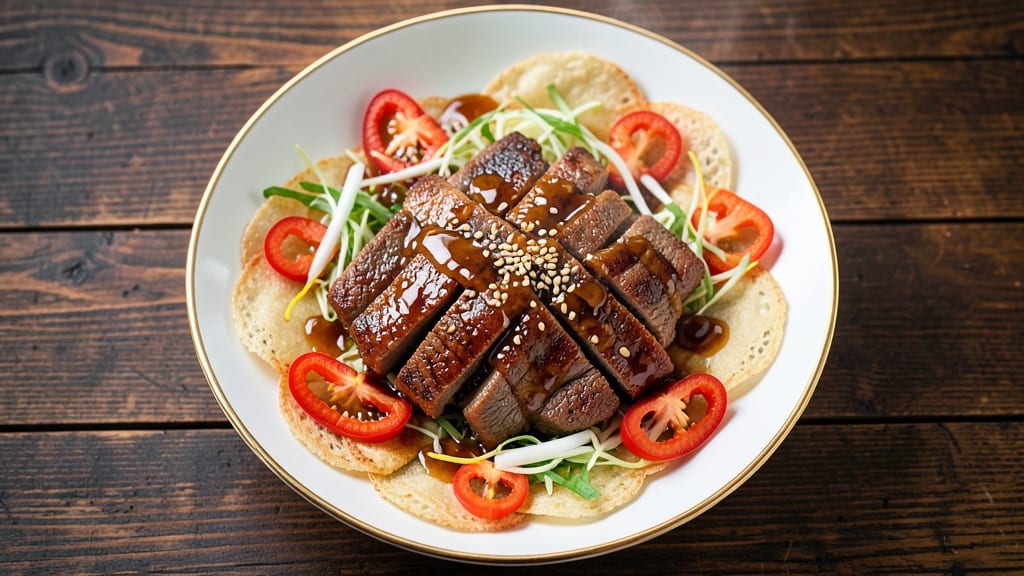
This authentic moo shu beef recipe delivers the restaurant-quality experience you crave—tender, velveted beef with crispy edges, smothered in a glossy hoisin sauce and finished with fresh scallions. The secret lies in velveting the beef for silky texture and high-heat wok tossing to achieve that signature caramelized crust.
I've perfected this dish after years of testing, ensuring every bite captures the balance of sweet, tangy, and umami flavors that define classic Chinese-American cuisine.
The process begins with marinating thinly sliced beef in a cornstarch slurry and baking soda, which tenderizes the meat while creating that signature crispy exterior. Meanwhile, the hoisin sauce—sweet, slightly tangy, and rich—gets reduced to a velvety consistency that coats every piece of beef perfectly.
This isn't just another stir-fry; it's a dish that requires technique but rewards with restaurant-quality results at home.
By the time you plate it, you'll have crispy-edged beef with tender centers, glistening under a glossy hoisin sauce, and topped with bright green scallions for freshness. Serve it over steamed rice or egg noodles to soak up every last drop of that addictive sauce.
The aroma alone will have everyone at the table asking for seconds—this is comfort food at its finest.
What makes this recipe truly special is the attention to detail: the velveting process ensures the beef stays tender, the high-heat wok toss creates those coveted crispy edges, and the hoisin sauce is reduced just enough to cling perfectly.
It's the kind of dish that feels like a celebration, even on a weeknight. Let's get cooking!
Ingredients for authentic moo shu beef
Here's everything you need to create this restaurant-quality moo shu beef with crispy edges and velvety sauce.
| Ingredient | Amount | Notes |
|---|---|---|
| Flank Steak 🥩 | 1 ½ lb | Thinly sliced against grain |
| Cornstarch 🌾 | ½ cup | For velveting slurry |
| Baking Soda 🧂 | 1 tsp | For tenderizing beef |
| Hoisin Sauce 🍶 | ½ cup | Store-bought or homemade |
| Oyster Sauce 🍶 | 2 tbsp | For umami depth |
| Soy Sauce 🥫 | 2 tbsp | Light or dark preferred |
| Sesame Oil 🫒 | 1 tbsp | Toasted for aroma |
| Garlic Cloves 🧄 | 6 cloves | Minced for sauce |
| Green Onions 🧅 | ½ cup | Sliced for garnish |
| Neutral Oil 🫒 | ½ cup | Vegetable or canola |
| White Wine 🍷 | ¼ cup | Dry variety preferred |
| Water 💧 | ¼ cup | For deglazing |
| Sugar 🍚 | 1 tbsp | Balances flavors |
| Salt 🧂 | 1 tsp | Kosher or sea salt |
| Black Pepper 🌶️ | ½ tsp | Freshly ground |
The flank steak is non-negotiable—it's lean but tender when sliced thinly against the grain. Look for well-marbled cuts at Whole Foods or your local Asian market; the meat should be bright red with visible fat streaks. For the velveting slurry, the cornstarch and baking soda combo is what transforms tough beef into melt-in-your-mouth perfection. I always grab my hoisin sauce from La Choy—it's the closest to authentic you'll find in most grocery stores. If you're feeling fancy, Lee Kum Kee is worth the splurge for that restaurant-quality taste. The sesame oil needs to be toasted—Kadoya is my go-to brand, but any good-quality one will do.
No hoisin sauce? Substitute 3 tbsp soy sauce plus 1 tbsp brown sugar, but you'll lose that signature sweet-tangy depth. White wine out of stock? Dry sherry or extra water works—just add a pinch more sugar to balance. The green onions can be swapped for scallions, but fresh chives add a nice brightness if you're feeling experimental. For the oil, avocado oil has a higher smoke point than vegetable oil, which is perfect for that high-heat wok toss. The beef marinade should sit for at least 30 minutes—longer if you can spare the time, but 15 minutes will work in a pinch. Just don't skip the cornstarch slurry; that's what gives you those signature crispy edges.
The beef marinade keeps best in the fridge for 24 hours—it actually gets better overnight. The hoisin sauce? Store-bought lasts months in the pantry, but homemade versions keep for about 2 weeks in the fridge. For leftovers, this dish reheats beautifully—steam or microwave on low to avoid drying out the beef. I always make extra sauce because it's perfect for dipping or drizzling over rice. The crispy edges? They're best eaten immediately, but the tender beef stays delicious for 2-3 days in the fridge. Freeze portions of the sauce separately if you want to keep it for longer.
Why You'll Love This Recipe
- One-Pan Magic: That baking soda trick? It tenderizes the flank steak in minutes while you prep the rest—no fancy marinating overnight. Honestly, I’ve tried other recipes where you have to slice the meat hours ahead, but this? Just slice, toss in the cornstarch, and let the baking soda work its magic while you stir-fry.
- Umami Bomb: The combo of hoisin and oyster sauce isn’t just flavor—it’s depth. That salty-sweet balance with a hint of funk from the oyster sauce? It clings to the beef like a hug, and the cornstarch crust gives it this addictive crunch that disappears the second you take a bite.
- Leftover Hero: Between us, this is the only takeout-style dish I actually prefer the next day. The beef stays tender (no dryness here), and the sauce soaks into whatever you toss it with—rice, noodles, even a quick scramble. I’ve reheated portions for five days straight, and it’s still the star of my lunch.
- Budget Date Night: Flank steak is cheaper than you think, and a little goes a long way when you’re slicing it thin. Serve it with store-bought egg rolls and steamed veggies, and suddenly you’ve got a restaurant-worthy meal for half the cost. Plus, the leftovers feed me for two more lunches—no guilt, just good food.
Step-by-step instructions for authentic moo shu beef
Here's the real deal—crispy edges, silky sauce, and that perfect wok hei flavor.
Prepare the Velveting Slurry and Marinate the Beef
In a small bowl, whisk together the 0.5 cup cornstarch, 1 tsp baking soda, 0.5 cup hoisin sauce, 2 tbsp oyster sauce, 2 tbsp soy sauce, and 1 tbsp sesame oil until completely smooth. This slurry is what creates that signature tender, velvety texture in authentic moo shu.
Lay out the 1.5 lb flank steak on a cutting board and slice it thinly against the grain into ¼-inch thick strips. Place the sliced beef in a large bowl and pour the slurry over it. Use your hands to coat every piece evenly, ensuring the cornstarch mixture clings to the meat. Let it marinate for at least 30 minutes in the refrigerator—this resting time is crucial for the cornstarch to work its magic and break down the meat fibers.
Build the Moo Shu Sauce
In a small saucepan, combine the 0.25 cup white wine, 0.25 cup water, 1 tbsp sugar, 1 tsp salt, and 0.5 tsp black pepper. Bring to a gentle simmer over medium heat and let it reduce by half—this should take about 5-7 minutes. The sauce should thicken slightly and develop a rich, aromatic depth.
While the sauce reduces, finely mince the 6 cloves garlic. Once the wine mixture has reduced, remove it from heat and stir in the minced garlic. Let it sit for 5 minutes to infuse the flavors. This sauce will be the backbone of your moo shu, balancing sweet, salty, and umami notes perfectly. Keep it warm until ready to use.
Wok-Toss the Beef to Perfect Crispy Edges
Heat a wok or large skillet over high heat until it's screaming hot. Add 0.5 cup neutral oil and let it shimmer—you're aiming for 350°F internal oil temperature. Working in batches if needed, add the marinated beef strips to the wok and stir-fry vigorously for 1-2 minutes until the edges turn deep golden brown and crispy.
Here's the key: don't overcrowd the wok. The beef needs space to develop that signature crispy texture. Once the first batch is cooked, transfer it to a plate and repeat with the remaining beef. The beef should be hot and sizzling when you serve it—this is where that authentic wok hei flavor comes from. Keep the cooked beef warm while you prepare the final assembly.
Assemble and Serve with Crispy Edges
Return the wok to high heat and add the 0.5 cup green onions, sliced diagonally. Stir-fry for 30 seconds until just wilted but still vibrant. Pour in the reduced moo shu sauce and toss everything together for 1 minute until the sauce coats the beef and onions evenly.
Transfer the moo shu beef to a large platter and arrange it in an inviting pile. The beef should have crispy edges with a tender, almost translucent center, all coated in that glossy, slightly sticky sauce. Garnish with additional green onions if desired. Serve immediately with steamed rice or moo shu pancakes for the full authentic experience.
Pro Tips For Making Authentic Moo Shu Beef
- Slice Thin, Slice Fast: I learned this the hard way—thin slices mean tender moo shu. Use a sharp knife and slice flank steak against the grain at a 45-degree angle, about ⅛-inch thick. No need to rush, but don’t linger or the meat toughens.
- Velvet the Meat First: Skip the baking soda if you’re in a hurry, but if you want that classic tender texture, dissolve ½ teaspoon in ¼ cup water and marinate the sliced steak for 10 minutes before coating with cornstarch. Rinse briefly to mellow the flavor—it’s subtle but makes a real difference.
- High Heat, Then Lower: The crust is everything, but don’t walk away. Sear the steak in a smoking-hot wok or skillet for 30 seconds, then immediately reduce heat to medium. Overcrowding drops the temp, and you’ll end up with soggy beef instead of that perfect golden-brown finish.
- Save the Sauce: Hoisin and oyster sauce are the stars, but don’t drown the beef. Start with 2 tablespoons of each, then add a splash of water or chicken stock to deglaze the pan. Taste and adjust—authentic moo shu balances sweet, salty, and umami, not just saucy.
Flavor customization for this dish
Sweet Heat Boost
For a spicier kick, add 1 tsp chili crisp or ½ tsp Szechuan peppercorns to the velveting slurry. The heat from chili crisp (like Lao Gan Ma) blends beautifully with the hoisin's sweetness, while Szechuan peppercorns add a subtle numbing tingle.
I like to toast the peppercorns in a dry pan for 30 seconds before grinding them into the sauce for deeper flavor. 🌶️
Umami Depth
Elevate the sauce by adding 1 tbsp fish sauce or 2 tbsp mushroom powder to the reduced wine mixture. Fish sauce (like Red Boat) intensifies the umami, while mushroom powder (from dried shiitake) adds earthy complexity.
For extra richness, stir in 1 tsp miso paste at the end—it melts into the sauce for a velvety texture. Trust me, this transforms the flavor profile.
Herbaceous Twist
Brighten the dish with 1 tbsp chopped cilantro or 1 tsp Thai basil in the final toss. The fresh herbs cut through the richness of the hoisin and beef, adding a vibrant contrast.
I also like to add 1 tsp lime zest to the sauce for a citrusy lift—it balances the sweetness perfectly. Garnish with extra herbs before serving for a restaurant-worthy finish. ✨
Spicy-Sweet Glaze
Create a caramelized glaze by adding 2 tbsp honey and 1 tsp gochujang (Korean chili paste) to the reduced sauce. Simmer for 2 minutes until glossy, then toss with the beef.
The gochujang adds smoky heat while the honey deepens the sauce's sweetness. This variation is a crowd-pleaser, especially for those who love bold flavors. 🔥
Smoky Charred Notes
For a smoky depth, add ½ tsp smoked paprika or 1 tsp liquid smoke to the velveting slurry. The paprika (like Alba) infuses warmth, while liquid smoke (use sparingly!) mimics the charred flavor of a traditional wok.
I also like to lightly char 1 clove garlic and 1 tsp ginger in the wok before adding the beef—this adds an extra layer of complexity. 💫
Vegetarian Adaptation
Swap the beef for 1 lb extra-firm tofu or shitake mushrooms, both sliced thinly. Press tofu for 20 minutes to remove excess water, then marinate in the same slurry. For mushrooms, use 8-10 large shiitake caps, sliced into strips.
The texture won't be identical, but the flavors shine—especially with the added umami from mushrooms. Garnish with extra scallions for freshness. 🌱
Nutrition facts
Frequently asked questions about authentic moo shu beef
Why does the beef need to marinate in cornstarch?
The cornstarch slurry creates that signature crispy edge while keeping the center tender. When the beef hits the hot wok, the cornstarch caramelizes instantly, forming a delicate crust. The baking soda in the marinade also helps break down muscle fibers for extra tenderness. This velveting technique is what separates homemade moo shu from basic stir-fry.
Can I make this recipe without a wok?
Use a large, heavy-bottomed skillet or cast-iron pan. The key is getting it screaming hot before adding the beef. Work in batches to avoid crowding, and stir constantly for those crispy edges. A carbon steel pan works best for that authentic wok hei flavor, but any good-quality pan will do the job.
What's the best way to store leftovers?
Store the cooked beef and sauce separately in airtight containers. The beef stays fresh for 2-3 days in the fridge, while the sauce keeps for 5 days. Reheat gently with a splash of water or broth to restore moisture. For longer storage, freeze the sauce portion—it reheats beautifully for future meals. Never refreeze once thawed.
Can I use a different cut of beef?
Flank steak is ideal because of its lean texture and grain direction, but you can substitute with sirloin or skirt steak. Avoid tougher cuts like chuck—they won't velvet properly. If using sirloin, slice it ⅛-inch thick and marinate for 45 minutes instead of 30. The thinner slices ensure even cooking and crispy edges.
How do I fix beef that's too tough?
If your beef turned out chewy, the issue was likely insufficient marinating time or too-thick slices. For next time, marinate for at least 1 hour (overnight is best) and slice against the grain. If you're in a pinch, slice the cooked beef thinner and serve with extra sauce—it'll help tenderize. The cornstarch slurry is non-negotiable for that signature texture.