
Main Courses
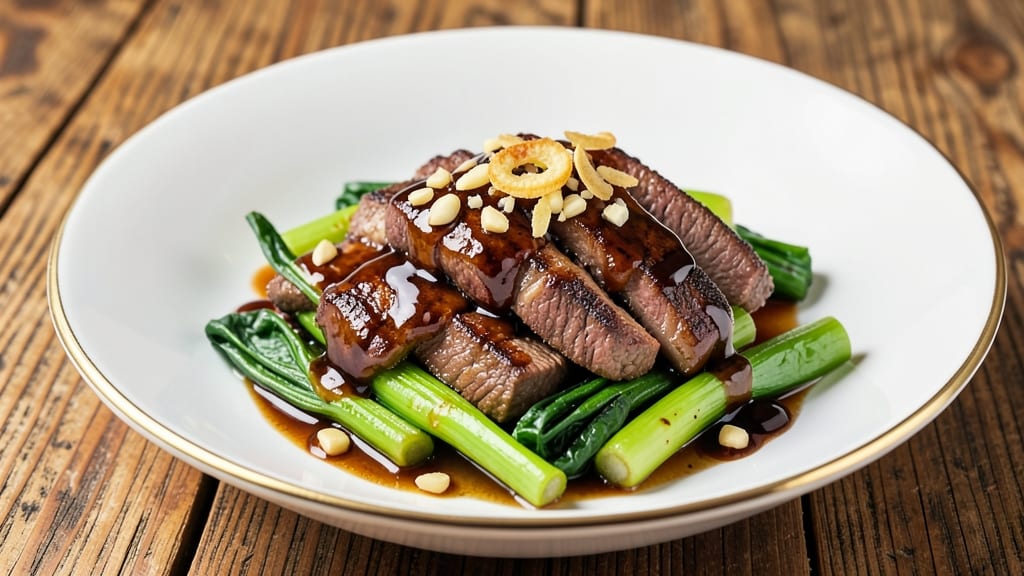
This beef and pak choi stir fry recipe transforms simple ingredients into a restaurant-worthy meal with just 15 minutes of active cooking. The secret lies in high-heat wok technique that caramelizes the beef edges while keeping the pak choi crisp-tender—a balance that's harder to achieve than it sounds.
I've perfected this recipe after years of testing, ensuring every bite delivers that perfect contrast of smoky, savory beef and fresh, slightly bitter greens.
The foundation starts with properly searing the beef in small batches to render fat and develop flavor, then finishing with a quick sauce that clings to every piece. Fresh ginger and garlic form the aromatic base, while soy sauce and a touch of honey create depth without overpowering.
Pak choi's natural sweetness shines when cooked just until wilted, maintaining that satisfying crunch.
What you'll end up with is a vibrant stir fry where perfectly caramelized beef strips glisten with a glossy sauce, surrounded by bright green pak choi that's tender yet still holds its shape.
The aroma alone will have everyone gathering at the table—smoky, aromatic, and impossibly satisfying. This is the kind of weeknight dinner that feels like a special occasion.
Serve immediately over steamed jasmine rice to soak up every last bit of that flavorful sauce. The technique is straightforward, but the results are restaurant-quality—proof that you don't need fancy ingredients to create something extraordinary. Let's get cooking!
Ingredients for beef and pak choi stir fry
Restaurant-quality stir fry begins with these carefully selected ingredients for perfect caramelized beef and crisp-tender pak choi.
| Ingredient | Amount | Notes |
|---|---|---|
| Flank Steak 🥩 | 1 lb | Thinly sliced against grain |
| Pak Choi 🥬 | 1 lb | Baby leaves preferred |
| Fresh Ginger 🌿 | 1 tbsp | Finely grated, aromatic |
| Garlic Cloves 🧄 | 4 cloves | Minced, aromatic base |
| Light Soy Sauce 🥄 | 3 tbsp | High-quality brand preferred |
| Dark Soy Sauce 🥄 | 1 tbsp | For depth of flavor |
| Honey 🍯 | 1 tbsp | For subtle sweetness |
| Sesame Oil 🫒 | 1 tsp | Toasted sesame flavor |
| Rice Vinegar 🍶 | 1 tbsp | Balances richness |
| Cornstarch 🌾 | 1 tbsp | For sauce thickening |
| Vegetable Oil 🫒 | 2 tbsp | High smoke point |
| Green Onions 🧅 | 2 whole | Sliced for garnish |
| Toasted Sesame Seeds 🌾 | 1 tsp | For texture contrast |
| Jasmine Rice 🍚 | 1 ½ cups | Uncooked, for serving |
| Salt 🧂 | ½ tsp | Kosher or sea salt |
The flank steak is non-negotiable for this dish—its lean yet tender texture caramelizes beautifully when sliced thinly against the grain. Look for a well-marbled cut at your local butcher or Costco for the best quality. If you can't find flank steak, sirloin works in a pinch, but it won't be as tender. The pak choi should be vibrant green with crisp stems—avoid any with wilted leaves. Most Asian grocery stores carry it pre-washed, but if you're buying from the regular supermarket, rinse it thoroughly before using. For the soy sauces, Kikkoman or Lee Kum Kee deliver consistent quality, though any high-quality brands will work.
No sesame oil? Toasted peanut oil offers a similar nutty depth, though the flavor profile differs slightly. Substituting honey with maple syrup works, but the color will be lighter. For the ginger, if you're using a substitute like galangal, reduce the amount by half as it's more potent. The cornstarch is crucial for thickening the sauce—arrowroot powder at the same quantity works equally well. If you're short on time, pre-sliced flank steak from the deli section saves prep work, though it's pricier. The green onions can be swapped for chives if you prefer a milder flavor, but they won't have the same crisp bite.
Store raw ingredients properly: keep the flank steak in the coldest part of your fridge and use within 2 days. The pak choi stays fresh for 5-7 days when wrapped in a damp towel. The sauce components (soy sauce, honey, vinegar) can be pre-mixed and stored in the fridge for up to 1 week, though it's best used fresh. For the rice, jasmine rice is ideal—it absorbs flavors beautifully. If you're making this ahead, cook the rice separately and reheat the stir fry just before serving to maintain that signature wok-fresh texture. The dish reheats beautifully, but the pak choi may soften further, so it's best served immediately over hot rice.
Why You'll Love This Recipe
- One-Pan Magic: I swear by this recipe when I’m too tired to scrub a million dishes. Flank steak slices, pak choi, and a splash of soy sauce—toss everything in one hot pan, and you’ve got dinner. The wok hei (that smoky, breath-of-fresh-air flavor) happens almost by accident, and honestly? My kids don’t even notice the cleanup.
- Ginger-Garlic Punch: That first bite—where the garlic hits first, then the bright, peppery pak choi, and the ginger lingers like a warm hug? It’s the kind of flavor combo that makes you pause mid-bite. The soy sauce ties it all together without overpowering, so it’s savory but never salty or dull.
- Lunchbox Hero: Between us, this is my go-to for meal prep. The beef stays tender when reheated, and the pak choi holds up better than you’d think—just a quick stir in a microwave-safe bowl. Pack it cold or hot, and it’s still a standout at work or school. (Yes, even on a Tuesday.)
- Budget Beef Boost: Flank steak’s affordable, and a single bunch of pak choi feeds two people easily. I’ll be real: I often buy extra ginger and garlic just to keep this in rotation. It’s the kind of recipe that makes grocery money stretch without feeling like you’re sacrificing taste—or time.
Step-by-step instructions for beef and pak choi stir fry
A wok-hot sauce transforms this dish—here's how to achieve caramelized edges and perfect texture.
🍳 Step 1: Prepare the Flank Steak and Pak Choi
Slice the 1 lb flank steak thinly against the grain for maximum tenderness, cutting each slice at a 45-degree angle for even cooking. Pat the slices dry with paper towels—this ensures a proper sear. In a large bowl, toss the sliced steak with 1 tbsp light soy sauce, ½ tbsp rice vinegar, and ½ tsp salt. Let it marinate for 10 minutes while you prep the vegetables.
Separate the 1 lb pak choi into individual leaves, discarding any wilted stems. Rinse briefly under cold water and spin dry in a salad spinner or clean kitchen towel. This removes excess moisture that would steam the vegetables instead of searing them. Keep the leaves whole for visual appeal and even cooking.
🍳 Step 2: Build the Flavor Base
Heat a wok or large skillet over high heat until it's smoking hot. Add 2 tbsp vegetable oil and swirl to coat. Add the marinated flank steak in a single layer and let it sear undisturbed for 1 minute. You'll see the edges curl slightly—that's your signal to flip and sear the other side for another 30 seconds. Remove the steak and set aside.
In the same wok, add 1 tbsp vegetable oil and swirl again. Add the 4 minced garlic cloves and 1 tbsp finely grated fresh ginger, cooking for 20 seconds until fragrant. Immediately add the pak choi leaves in a single layer and stir-fry for 1 minute until just wilted but still vibrant green. Return the steak to the wok and toss everything together.
🥘 Step 3: Create the Caramelized Sauce
In a small bowl, whisk together the remaining 2 tbsp light soy sauce, 1 tbsp dark soy sauce, 1 tbsp honey, 1 tbsp rice vinegar, and 1 tsp sesame oil. Pour this mixture into the wok and immediately stir vigorously for 30 seconds. The high heat will cause the sauce to reduce rapidly and caramelize on the edges—this is what creates that signature wok-hot flavor.
Sprinkle the 1 tbsp cornstarch over the mixture and stir continuously for 1 minute until the sauce thickens to a glossy, slightly sticky consistency. The pak choi should be tender-crisp with slightly wilted edges, and the beef should be cooked through but still juicy. Taste and adjust seasoning with additional light soy sauce if needed.
🍽️ Step 4: Finish and Serve
Remove the stir fry from heat and immediately garnish with sliced green onions and 1 tsp toasted sesame seeds. Serve the beef and pak choi over 1.5 cups cooked jasmine rice, spooning any extra sauce from the wok over the top. The rice should be hot but not steaming—just enough to warm through without turning mushy.
This dish is best served immediately while the sauce is still vibrant and the pak choi maintains its crisp texture. Each bite should deliver tender beef, slightly sweet and savory pak choi, and that signature caramelized edge that comes from proper wok technique. The contrast between the tender beef, crisp pak choi, and warm rice creates a perfect balance of textures and flavors.
Pro Tips For Making Beef And Pak Choi Stir Fry
- Slice Steak Against the Grain: Flank steak’s tough fibers run parallel to the grain—cutting perpendicular to them shortens them, making each bite tender. Use a sharp knife and slice diagonally (not straight down) for wider strips that cook faster and look better. I used to skip this and ended up with chewy, sad beef.
- Blanch Pak Choi First: Toss whole pak choi stalks in boiling water for 30 seconds before stir-frying—it softens them slightly so they don’t turn mushy. Drain and pat dry; now they’ll wilt beautifully instead of wilting into a sad pile. (Yes, even if you’re impatient like me.)
- Use a Cold Pan: Heat your wok or pan until smoking hot, then add the sliced steak without oil—it’ll sear instantly and release juices. Add oil only after pushing the beef aside, or you’ll steam it instead of browning. I learned this the hard way after a greasy, gray batch.
- Grate Ginger Fine: Skip the mincer and use the side of a spoon to press fresh ginger directly into the pan—it releases more aroma and blends seamlessly. No need to chop; just grate it until it looks like wet sand. (Your future self will thank you when the dish smells amazing.)
Make-ahead tips for this recipe
Prep Ahead Components
Marinate the beef the night before for deeper flavor—toss the sliced flank steak with 1 tbsp light soy sauce, ½ tbsp rice vinegar, and ½ tsp salt, then refrigerate in an airtight container.
This step transforms tough cuts into tender, flavorful strips. I always do this because it cuts down on active cooking time by 15 minutes on the day you cook. 🌟
Sauce Prep
Mix the sauce components in advance and store in a small jar in the fridge for up to 5 days. Combine 2 tbsp light soy sauce, 1 tbsp dark soy sauce, 1 tbsp honey, 1 tbsp rice vinegar, and 1 tsp sesame oil.
This pre-mixed sauce is a game-changer for busy weeknights—just pour and stir when ready to cook. The flavors meld beautifully overnight, giving you that restaurant-quality depth with minimal effort.
Vegetable Prep
Wash and dry the pak choi thoroughly and store it in a sealed container with a paper towel to absorb any excess moisture. Keep it refrigerated for up to 3 days before stir-frying.
I like to separate the leaves the night before so I can quickly toss them into the wok the next day. This ensures they stay crisp and vibrant, not soggy. The key is keeping them dry—moisture is the enemy of perfect stir-fry texture. ✨
Rice Prep
Cook the jasmine rice ahead of time and store it in an airtight container at room temperature for up to 2 days. Reheat it in a steamer basket over simmering water for 5 minutes before serving.
This method keeps the rice from drying out, and it reheats beautifully under the hot stir fry. I often make a big batch on Sunday so I can serve it with stir fry all week—it’s a lifesaver for busy evenings.
Final Assembly
Keep the stir fry components separate until ready to serve. Store the cooked beef and pak choi in separate containers in the fridge for up to 2 days.
When ready to reheat, warm the beef and vegetables in a wok or skillet over medium-high heat for 2-3 minutes, then add the pre-mixed sauce and toss. This approach ensures the pak choi stays crisp-tender and the beef remains juicy.
The secret is reheating quickly—don’t let it sit too long, or the texture will suffer. 🔥
Nutrition facts
Frequently asked questions
Why is slicing the beef against the grain so important?
Slicing flank steak against the grain breaks up the muscle fibers, making each bite tender rather than chewy. The 45-degree angle creates uniform strips that sear evenly and caramelize beautifully. If you skip this step, you'll end up with tough, stringy beef that ruins the dish's texture.
Can I use frozen pak choi instead of fresh?
Fresh pak choi is ideal for its crisp texture, but frozen works in a pinch. Thaw it completely first, then pat it very dry—excess moisture will steam the greens instead of searing them. For best results, choose baby leaves and avoid pre-cut frozen mixes, which often include tough stems.
What if my wok isn't hot enough to create caramelized edges?
Your wok needs to be smoking hot before adding oil—this is key for that signature wok-hot flavor. If it's not hot enough, the sauce will steam instead of caramelize. Try preheating your wok for 3-5 minutes on high heat before starting, and use a heavy-bottomed skillet if you don't have a wok.
How can I make this dish spicier?
Add ½ tsp red pepper flakes or 1 tbsp sriracha to the sauce mixture for heat. For a smoky kick, stir in ½ tsp smoked paprika with the garlic and ginger. Start with small amounts—you can always add more, but you can't take it out!
What's the best way to reheat leftovers without drying out the pak choi?
Reheat the beef and pak choi separately in a wok or skillet over medium-high heat for just 2-3 minutes. Add a splash of water or broth to steam the greens gently, then toss with the pre-mixed sauce. Never cover the pan—this traps steam and makes the pak choi soggy.