
Sauces & Condiments
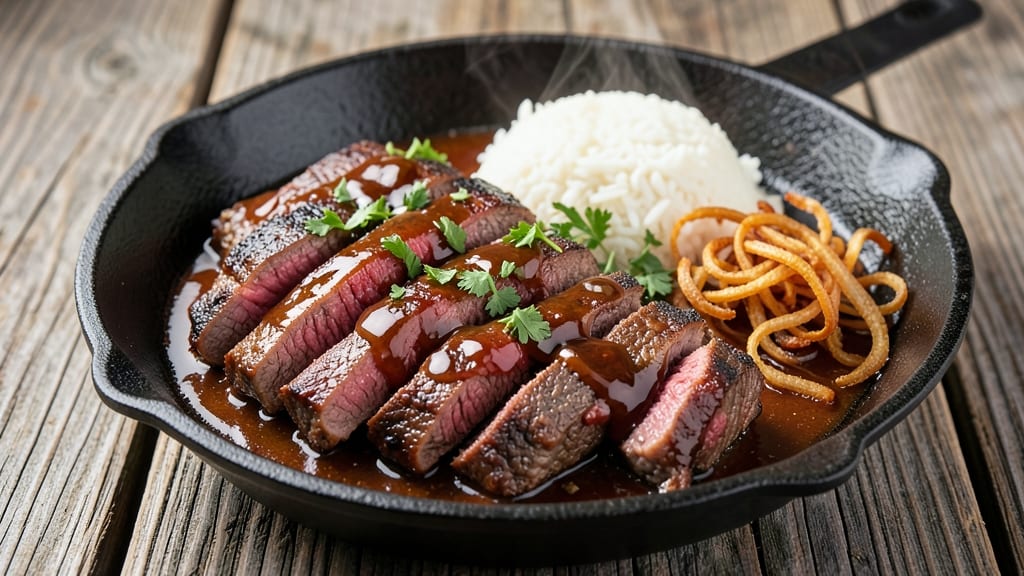
Baltimore pit beef tiger sauce transforms ordinary sandwiches into legendary bites with its perfect balance of smoky depth, sweet heat, and tangy brightness. This sauce—thick enough to cling to every shred of beef—is what makes Baltimore-style pit beef a cult favorite, and now you can recreate that signature flavor at home with just eight ingredients and 20 minutes of active time. The secret lies in the slow reduction of vinegar, spices, and a touch of molasses, which caramelizes into a glossy, addictive glaze.
What sets this recipe apart is its versatility—use it as a sandwich glaze, a dipping sauce for fries, or even a marinade for grilled meats. The sauce starts with a base of apple cider vinegar and tomato paste, which builds a rich, umami foundation.
Cayenne and mustard powder add the signature heat and tang, while black pepper and garlic powder deepen the smoky notes. The molasses and brown sugar provide that signature sweetness without overpowering the bold flavors.
By the time you finish reducing the sauce, you’ll have a thick, glossy glaze that’s sticky enough to hold its shape on a sandwich but still spreads effortlessly. The balance of sweet, spicy, and tangy flavors is precise—just like the pros in Baltimore—but with none of the guesswork.
Store it in the fridge for up to two weeks, or freeze it for months, so you’re always ready to elevate your next meal.
Pro tip: If the sauce feels too sharp or spicy, balance it with a splash of molasses or a pinch of sugar. For extra depth, let it sit overnight before using—this allows the flavors to meld even more.
This isn’t just a sauce; it’s the secret weapon that turns good food into unforgettable.
Ingredients for baltimore pit beef tiger sauce
Eight simple ingredients create this legendary Baltimore pit beef glaze—smoky, sweet, and sticky.
| Ingredient | Amount | Notes |
|---|---|---|
| Apple Cider Vinegar 🍏 | 1 cup | Raw, unfiltered preferred |
| Tomato Paste 🍅 | ⅓ cup | Squeeze tube or canned |
| Molasses 🍯 | ¼ cup | Unsulfured for best flavor |
| Brown Sugar 🍚 | ¼ cup | Light or dark variety |
| Cayenne Pepper 🌶️ | 1 ½ tsp | Adjust for heat preference |
| Mustard Powder 🌿 | 1 tsp | Yellow or Dijon preferred |
| Black Pepper 🌶️ | ½ tsp | Freshly ground preferred |
| Garlic Powder 🧄 | ½ tsp | Not garlic salt |
The apple cider vinegar is non-negotiable here—it's the backbone of that signature tang. Bragg or Texas Pete are my go-tos, but any raw, unfiltered vinegar works. The tomato paste? Squeeze tubes from Trader Joe's are perfect—no waste, and they keep for months. Molasses can be tricky; unsulfured is key for that rich, deep flavor. If you can't find it, blackstrap molasses is the next best thing. The spices? Penzeys or the bulk section at Whole Foods for the freshest grind—no dusty old jars here.
No cayenne? Red pepper flakes at half the amount will work, but you'll lose some of that signature kick. Mustard powder is where the tanginess lives—Dijon powder adds a little extra depth. Running short on molasses? Maple syrup at half the quantity gets you close, though it won't caramelize the same way. The brown sugar can be swapped for white sugar in a pinch, but the molasses and vinegar combo is what gives this sauce its signature stickiness. Pro tip: if your sauce feels too sharp, balance it with an extra splash of molasses or a pinch more sugar.
This sauce thickens as it cools, so don't stress if it looks runny right after you make it. Store it in a glass jar in the fridge for up to 2 weeks—it actually tastes better after a day or two as the flavors meld. For longer storage, freeze it in ice cube trays and pop out what you need. The sauce reheats beautifully—just warm it gently on the stove or microwave it in 30-second bursts. Trust me, you'll want to make extra—this stuff disappears fast.
Why You'll Love This Recipe
- Pantry Magic: I swear by this sauce because it uses stuff I already have—no last-minute grocery runs. That molasses and brown sugar combo? It’s the secret to a rich, caramelized depth that takes zero effort to achieve.
- Tiger’s Bite: Honestly, the apple cider vinegar and cayenne pepper wake up your taste buds in the best way. It’s not just sweet—it’s got this sharp, tangy kick that makes every bite feel like a little celebration.
- Leftovers? Laughable: This sauce thickens beautifully when reheated, so I make a big batch and use it for sandwiches, fries, or even eggs the next day. My freezer’s always stocked because it’s just that reliable.
- Budget Stretch: Between us, this recipe costs pennies but tastes like a fancy restaurant dish. Tomato paste and molasses do all the heavy lifting, so you’re not breaking the bank for flavor that’ll impress anyone.
Step-by-step instructions for Baltimore pit beef tiger sauce
This smoky-sweet glaze comes together in minutes with simple pantry staples.
Combine Vinegar and Tomato Paste
In a medium saucepan, pour in the 1 cup apple cider vinegar and bring to a gentle simmer over medium heat. As it heats, you'll notice the vinegar's sharp aroma soften slightly—this is when to add the ⅓ cup tomato paste.
Stir continuously with a wooden spoon, breaking up any lumps in the tomato paste. Let the mixture simmer for 3-4 minutes until it thickens slightly and the raw tomato flavor mellows. This base creates the rich, tangy foundation for the sauce's depth. If you see any foam forming, skim it off—it's just excess starch from the tomato paste.
Add Molasses and Brown Sugar
Reduce the heat to low and carefully stir in the ¼ cup molasses and ¼ cup brown sugar. You'll see the mixture darken immediately as the sugars begin to caramelize. This is where that classic Baltimore pit beef sweetness develops—don't rush this step.
Let the sauce simmer for another 5-6 minutes, stirring occasionally, until it thickens to a syrupy consistency. You're looking for a sauce that coats the back of a spoon but still flows smoothly. If it thickens too quickly, add 1 tablespoon water to loosen it. The molasses adds that signature deep, almost caramel-like flavor that makes this sauce unforgettable.
Incorporate Spices and Seasonings
With the heat still at low, add the 1½ teaspoons cayenne pepper, 1 teaspoon mustard powder, ½ teaspoon black pepper, and ½ teaspoon garlic powder. Stir vigorously to distribute the spices evenly throughout the sauce. You'll notice the cayenne adds a subtle heat that balances the sweetness perfectly.
Let the sauce simmer for another 2-3 minutes, stirring constantly, until all the spices are fully incorporated and the flavors meld together. The mustard powder adds a slight tang that cuts through the sweetness, while the garlic powder provides a subtle depth. Taste the sauce now—it should be sweet, tangy, and just slightly spicy. Adjust the cayenne if you prefer more or less heat.
Simmer to Perfection
Continue simmering the sauce for an additional 5 minutes to allow all the flavors to fully develop. You'll see the sauce darken further and thicken slightly more as the molasses and brown sugar continue to caramelize. The aroma should be rich and inviting, with notes of caramel, vinegar, and just a hint of spice.
For the best results, strain the sauce through a fine-mesh sieve into a clean bowl or jar to remove any lumps. This step ensures a smooth, velvety texture that will cling beautifully to your pit beef. Let the sauce cool slightly before using—it will thicken even more as it cools, so you may need to thin it with a splash of water if it becomes too thick for your preference.
Pro Tips For Making Baltimore Pit Beef Tiger Sauce
- Simmer Slow and Steady: Baltimore pit beef sauce demands patience—don’t rush the vinegar and molasses reduction. After adding apple cider vinegar and tomato paste, let it bubble gently for at least 15 minutes, stirring occasionally. I learned this the hard way: skipping this step leaves the sauce sharp and underdeveloped, not the deep, caramelized flavor you want.
- Deglaze Like a Pro: That browned beef fond at the bottom? Don’t scrape it out with a lazy swirl—use a wooden spoon to work it loose while adding vinegar. The extra effort dissolves those flavor bombs, giving your sauce a richer base. (Yes, even if you’re impatient like me.)
- Balance the Heat: Cayenne pepper is non-negotiable, but don’t dump it all in at once. Start with half, taste, then adjust—molasses and brown sugar can mute spice. After burning three batches with too much heat upfront, I now add cayenne in two stages: once with the vinegar, again at the end.
- Sweetness First, Vinegar Second: Stir in the brown sugar and molasses before the vinegar—this lets them melt and caramelize slightly. If you add vinegar first, you’ll end up with a clumpy mess fighting for texture. (Your future self will thank you.)
Creative variations of baltimore pit beef tiger sauce
Sweet Heat Balance
Adjust the sweet-to-heat ratio by tweaking the molasses and cayenne. For a milder sauce, reduce cayenne to 1 tsp and add 1 tbsp extra molasses.
If you love heat, increase cayenne to 2 tsp and swap ½ cup of the brown sugar for ½ cup honey—the floral notes complement the spice beautifully.
I once made a batch with ½ tsp smoked paprika instead of garlic powder for extra smokiness, and it became my go-to for grilled ribs.
Fruit Infusions
Swap ¼ cup of the apple cider vinegar for ¼ cup pineapple juice or peach nectar to add fruity brightness. Simmer the sauce with 2-3 thin slices of orange peel for 5 minutes before straining for a citrusy twist.
I tried this with mango purée once—it worked surprisingly well for tacos. For a savory-fruity balance, add 1 tbsp tomato paste and ½ tsp cinnamon to the spice blend.
Smoky Variations
Boost the smoky depth by adding ½ tsp liquid smoke (like La Choy) or 1 tsp chipotle powder to the spice mix. For a smoky-sweet fusion, replace ½ cup of the molasses with ½ cup barbecue sauce (I recommend Sweet Baby Ray's original).
This works especially well on pulled pork sandwiches. If you have access to mesquite wood chips, simmer the sauce with them for 10 minutes before straining.
Thicker or Thinner
Need a thicker sauce? Reduce the vinegar to ¾ cup and simmer longer. For a thinner glaze, add 2 tbsp water or apple juice at the end. I once made a batch that was too thick—just a splash of water fixed it.
For extra stickiness, whisk in 1 tbsp cornstarch mixed with 1 tbsp water and simmer for 2 minutes. This trick works wonders for dipping sauces.
Global Twists
Give it a Caribbean flair by adding ½ tsp allspice and ¼ tsp thyme to the spices. For a Middle Eastern twist, swap ½ cup of the molasses for ½ cup date syrup and add ¼ tsp cardamom.
I used this version on grilled lamb kebabs—it was a hit! For a spicy Asian-inspired sauce, add 1 tsp gochujang (Korean chili paste) and ½ tsp ginger powder to the spice blend.
Storage Hacks
Freeze the sauce in ice cube trays for easy portion control—perfect for sandwiches. For long-term storage, use glass jars with tight-sealing lids and label with the date. I keep a jar in my fridge at all times—it disappears faster than I can make it.
To reheat, warm gently on the stove or microwave in 20-second bursts, stirring between each. Never boil the sauce again—it’ll lose its glossy texture.
Nutrition facts
Frequently asked questions
Can I make this tiger sauce without molasses?
Yes! If you're avoiding molasses, substitute ¼ cup honey or ¼ cup maple syrup for the molasses and 2 tablespoons extra brown sugar to maintain sweetness. The sauce will have a slightly different depth, but the sweet-spicy balance will still shine. For extra richness, add 1 tablespoon tomato paste to compensate for the molasses' umami notes.
How do I adjust the heat level if cayenne is too strong?
Start by reducing the cayenne to 1 teaspoon and balancing it with 1 tablespoon extra molasses or 1 teaspoon brown sugar. For a milder kick, swap cayenne with ½ teaspoon red pepper flakes—it adds color and warmth without the same heat. Always taste as you go! If the sauce still feels too sharp, a splash of apple cider vinegar (the base ingredient) can help mellow the flavors.
Can I use this sauce on other meats besides pit beef?
This tiger sauce is fantastic on pulled pork, grilled chicken, or even tofu for a vegetarian option. It also works as a dipping sauce for fries, onion rings, or cornbread. For extra depth, brush it on ribs during the last 5 minutes of cooking. The smoky-sweet profile pairs well with almost any protein—just adjust the heat level to match your dish.
Why does my sauce turn out too thin or too thick?
Sauce consistency changes as it cools—it thickens naturally when refrigerated. For a thicker glaze, reduce the vinegar to ¾ cup or simmer longer (up to 15 minutes). If it's too thick, whisk in 1 tablespoon water or apple juice at the end. For extra stickiness, mix 1 tablespoon cornstarch with 1 tablespoon water, stir into the sauce, and simmer for 2 minutes. Always taste and adjust!
How long will homemade tiger sauce last?
Store the sauce in a clean glass jar in the fridge for up to 2 weeks. For longer storage, freeze it in ice cube trays (perfect for sandwiches!) or airtight containers for up to 6 months. Thaw overnight in the fridge—never microwave directly from frozen. The sauce actually improves with age as flavors meld, so make a big batch and keep it handy!