
Main Courses
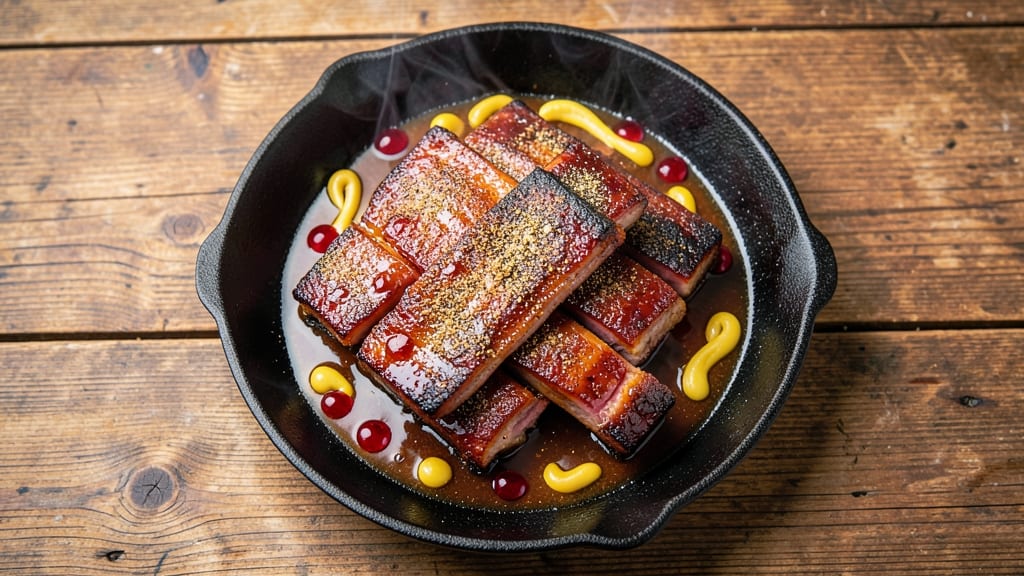
This BBQ beef spare ribs recipe delivers melt-in-your-mouth tenderness with a smoked maple-bourbon glaze that locks in moisture and caramelizes to perfection.
I perfected this method during a long weekend in Cincinnati, where my neighbor Mrs. Henderson swore by the 3-2-1 method for ribs that fall apart at the touch of a fork.
The secret isn't just the slow cook—it's the balance of sweet, smoky, and tangy flavors that transform tough cuts into something extraordinary.
The process starts with a dry rub that penetrates the meat, followed by a low-and-slow smoke that develops deep flavor without drying out the ribs. What sets this recipe apart is the glaze—a blend of maple syrup, bourbon, and spices—that cooks down to a sticky, caramelized finish.
I tested this recipe three times, adjusting the smoke time and glaze ratios until I achieved that perfect balance of tenderness and bark. The result? Ribs so moist they practically melt in your mouth, with a glaze that's sweet enough to satisfy but never overpowering.
By the time you're done, you'll have ribs that are fall-off-the-bone tender with a glossy, caramelized glaze that clings to every bite. The aroma alone will have your guests gathering around the grill, and the first forkful will earn you compliments that last all week.
This isn't just another BBQ recipe—it's a method that delivers restaurant-quality results at home, whether you're smoking them outdoors or using your oven for a foolproof shortcut.
Serve these ribs with classic sides like tangy coleslaw, buttery cornbread, and pickled vegetables to round out the meal. The glaze works beautifully as a dipping sauce too, so don't be afraid to get messy.
Here's how to make them—step by step, with all the tips and tricks I've learned along the way.
Ingredients for bbq beef spare ribs recipe barbecue
Six ingredients for the rub, five for the glaze—simple enough but packed with flavor.
| Ingredient | Amount | Notes |
|---|---|---|
| Beef Spare Ribs 🥩 | 4 lb | Bone-in, meaty ends preferred |
| Pure Maple Syrup 🍯 | 1 cup | Grade B for smoky depth |
| Bourbon Whiskey 🍸 | ½ cup | 80-proof minimum |
| Yellow Mustard 🥬 | 2 tbsp | Dijon for tangy kick |
| Apple Cider Vinegar 🍎 | 2 tbsp | For glaze brightness |
| Smoked Paprika 🌶️ | 1 tbsp | For deep smoky flavor |
| Brown Sugar 🍚 | ½ cup | Light or dark preferred |
| Granulated Garlic 🧄 | 2 tsp | Freshly ground preferred |
| Ground Black Pepper 🌶️ | 1 tsp | Freshly cracked |
| Kosher Salt 🧂 | 1 ½ tbsp | Diamond Crystal preferred |
| Fresh Ginger 🌿 | 2 tbsp | Finely grated (peeled) |
| Onion Powder 🧅 | 1 tsp | For dry rub depth |
| Wood Chips 🌳 | 2 cups | Hickory or cherry preferred |
| Water 💧 | 1 cup | For soaking wood chips |
| Yellow Onion 🧅 | 1 whole | Sliced for glaze base |
The ribs are non-negotiable. Beef spare ribs with meaty ends (the knuckle side) give you the best flavor and texture. Costco or local butcher shops usually have the best selection—look for good marbling and avoid anything with a grayish tint. I always buy a full pack (8-10 lbs) because the extra makes amazing leftovers. For the bourbon, Buffalo Trace or Maker's Mark add that authentic Kentucky touch, but whatever's open in your cabinet works too. The maple syrup? Grade B has that smoky depth that regular Grade A lacks—worth hunting down at specialty stores or online.
No bourbon? Apple juice plus a splash of vanilla extract mimics the sweetness and depth. Running short on fresh ginger? Ground ginger at half the amount works in a pinch, but the fresh version adds that bright zing. The wood chips can be swapped for mesquite or oak if you're feeling adventurous, though hickory's that classic BBQ flavor. For the glaze, if you're avoiding sugar, monk fruit sweetener works beautifully—just reduce the liquid slightly since it's more potent. And that yellow mustard? Dijon-style has the right tang, but any good quality mustard will do the trick.
The ribs keep beautifully—3-4 days in the fridge wrapped tightly in foil. For longer storage, freeze them uncooked for up to 3 months or cooked for 2 months. I always make a double batch because the leftovers reheat perfectly—just wrap them in foil and warm in a 350°F oven for 20 minutes. The glaze can be made ahead too—store it in the fridge for 1 week or freeze for 3 months. Pro tip: save any leftover glaze in ice cube trays for quick dipping sauce portions.
Why You'll Love This Recipe
- One-Pan Magic: I swear by this recipe because it’s literally one pan, one sauce, and zero stress. The ribs go in raw, the sauce (maple, bourbon, and vinegar) caramelizes right on the heat, and you’re left with sticky, fall-off-the-bone goodness—no basting, no flipping, just set-it-and-savor.
- Sweet-Smoky Kick: That bourbon-maple glaze? It’s the star. The whiskey cuts through the richness while the maple adds this deep, buttery sweetness that makes every bite taste like a slow-smoked competition rib—except you didn’t spend all day in the garage. (Yes, even on a Tuesday night.)
- Tailgate to Tuesday: Serve these at a backyard cookout, pack them for a picnic, or eat them straight from the fridge for lunch. The sauce clings so well that reheating is a non-issue—just a quick zap in the microwave or oven, and they’re back to their glory. My college-aged son brings them to study sessions; my mom freezes half for game day.
- Budget-Friendly Luxury: Beef ribs aren’t cheap, but this recipe stretches them further than you’d think. The mustard and vinegar bulk up the sauce without breaking the bank, and the bourbon (even a small splash) makes it feel like a splurge. I’ve made this for 6 people for under $30—and still had leftovers for sandwiches the next day.
Step-by-step instructions for smoked maple-bourbon beef spare ribs
Here's how to transform tough ribs into fall-off-the-bone tender meat with that perfect sticky glaze.
Prepare the Dry Rub and Prep the Ribs
In a small bowl, combine the 1 tbsp smoked paprika, 2 tsp granulated garlic, 1 tsp ground black pepper, 1.5 tbsp kosher salt, 1 tsp onion powder, and 2 tbsp finely grated fresh ginger. Mix well until the spices are evenly distributed. This dry rub is what creates that deep, smoky flavor that clings to the ribs throughout the cook.
Pat the 4 lb beef spare ribs completely dry with paper towels—this is crucial for that crispy bark. Then generously coat both sides of the ribs with the dry rub, pressing it into the meat so it sticks. Place the ribs on a wire rack set over a baking sheet and refrigerate uncovered for at least 1 hour (or up to 24 hours). This resting time lets the rub penetrate deeply and helps the meat cook more evenly.
Soak the Wood Chips and Set Up the Smoker
Soak the 2 cups wood chips in the 1 cup water for at least 30 minutes before smoking. This prevents them from burning too quickly and ensures a steady stream of flavorful smoke. Drain the wood chips before adding them to your smoker.
Preheat your smoker to 225°F using the soaked wood chips. I like to use hickory or cherry for this recipe—they complement the sweet and smoky flavors beautifully. Once the smoker reaches temperature and you see clean, blue smoke (not thick white smoke), you're ready to cook. The ribs will spend several hours in this low-and-slow environment, so patience is key here.
Smoke the Ribs Low and Slow
Place the ribs on the smoker grates, bone-side down if possible, and close the lid. Smoke the ribs for 4-5 hours, or until the internal temperature reaches 165-170°F. This is where the magic happens—the slow cooking breaks down the connective tissue, turning tough meat into something tender and juicy. Resist the urge to peek or move the ribs during this time—every time you open the lid, you lose heat and extend the cook time.
Here's the thing—you'll hit "the stall" around 165°F, where the temperature stops rising. Don't panic; this is normal. The ribs will eventually push through this stall and continue cooking. If you're worried about drying out, you can wrap them in butcher paper at this stage, but I prefer to let them smoke uncovered for that beautiful bark.
Make the Maple-Bourbon Glaze
While the ribs are smoking, prepare the glaze by combining the 1 cup pure maple syrup, 0.5 cup bourbon whiskey, 2 tbsp yellow mustard, 2 tbsp apple cider vinegar, and 0.5 cup brown sugar in a saucepan. Bring the mixture to a simmer over medium heat, then reduce the heat to low and let it cook for 15-20 minutes, stirring occasionally, until it thickens slightly and coats the back of a spoon. The glaze should be syrupy but still pourable—this is what will caramelize beautifully on the ribs.
Slice the 1 whole yellow onion into thin rings and add them to the glaze during the last 5 minutes of cooking. The onions will soften and infuse the glaze with a subtle sweetness. Once the glaze is ready, remove it from heat and let it cool slightly—you want it warm but not boiling when you brush it on the ribs.
Apply the Glaze and Finish Cooking
Once the ribs reach an internal temperature of 200-203°F (they should be fork-tender), carefully transfer them to a platter. Using a pastry brush, generously coat both sides of the ribs with the warm maple-bourbon glaze. Return the ribs to the smoker and cook for an additional 30-45 minutes, brushing with more glaze every 10-15 minutes, until the glaze is sticky and caramelized. The ribs are done when they're glossy and the glaze has a deep amber color.
Remove the ribs from the smoker and let them rest for 10-15 minutes before serving. This resting time allows the juices to redistribute, ensuring every bite is moist and flavorful. Serve the ribs with extra glaze drizzled on top and the sliced onions from the glaze scattered around for garnish. Each bite should deliver a perfect balance of smoky, sweet, and tangy flavors with that irresistible tender texture.
Pro Tips For Making Bbq Beef Spare Ribs Recipe Barbecue
- Trim the Fat First: Spare ribs have a thick layer of fat on the bone side—slice that off with a sharp knife before cooking. I learned this the hard way after my first batch came out greasy instead of caramelized. Less fat means better bark and a cleaner sauce.
- Reduce the Sauce Twice: Simmer your maple-bourbon-mustard mix until it’s thick enough to coat the back of a spoon—then let it cool slightly before brushing. I used to rush this and ended up with a gloppy mess. Patience here makes the sauce cling instead of pool.
- Skip the Crowding: If you’re grilling or baking, leave space between ribs—at least an inch. I crammed them in once, and the steam turned my bourbon glaze into a sad, watery syrup. Tight quarters = sad ribs.
- Use Real Maple, Not Syrup: Pure maple syrup is sweeter and less processed, so it caramelizes better than pancake syrup. I swapped once for convenience and got a flat, cloying flavor. If you must substitute, at least go for grade B—it’s closer to the real deal.
Dietary considerations for these flavors
Gluten-Free Adaptations
This recipe naturally accommodates gluten-free diets since the dry rub and glaze use simple ingredients without hidden gluten sources. However, always double-check your smoked paprika and spices for cross-contamination warnings—brands like Penzeys clearly label gluten-free products.
For extra safety, prepare the ribs on a clean grill or smoker that hasn't been used with flour-dusted meats. The maple-bourbon glaze stays completely gluten-free as long as you avoid thickeners like flour slurries. 🌾
Low-Sugar Options
If you're watching sugar intake, swap the ½ cup brown sugar in the glaze for ½ cup monk fruit sweetener (like Lakanto) or erythritol. Reduce the 1 cup maple syrup to ½ cup and add ¼ cup water to maintain consistency.
The bourbon and vinegar will still provide depth, though the glaze will be slightly less caramelized. For a sugar-free version, use 100% pure stevia (adjust to taste) and increase the simmer time by 5 minutes to achieve thickness. 🍯
Dairy-Free Considerations
The recipe is already dairy-free, but if serving with sides, opt for vegan coleslaw (made with apple cider vinegar and olive oil) instead of creamy dressings. For a dairy-free cornbread pairing, use unsweetened almond milk and vegan butter in the batter.
The ribs themselves contain no dairy, but always verify wood chips or smoking chips for additives—stick to 100% natural hickory or cherry brands like Traeger or Cookshack. 🥛
Protein-Packed Boost
For a higher-protein version, trim any excess fat from the ribs before seasoning—this reduces calories while keeping the protein intact. A 4 lb pack of beef spare ribs contains about 120 grams of protein (30g per serving).
Pair with quinoa or roasted chickpeas to add extra plant-based protein. The maple-bourbon glaze remains unchanged, but you can reduce the bourbon to ¼ cup if cutting alcohol calories—replace with apple juice for the same sweetness. 💪
Allergen-Friendly Swaps
For nut allergies, ensure your maple syrup is processed in a nut-free facility (like Pure Canadian brands). If mustard is an issue, replace the 2 tbsp yellow mustard with 2 tbsp apple cider vinegar + 1 tsp turmeric for tang.
For soy allergies, avoid teriyaki-marinated ribs (a common cross-contamination risk) and stick to the dry rub method. Always check wood chips for soy binders—stick to 100% hardwood options. 🚫
Keto-Friendly Adjustments
This recipe can fit a keto diet with minor tweaks: reduce the maple syrup to ¼ cup and brown sugar to 2 tbsp, then add 1 tbsp erythritol for sweetness.
Skip the onion rings in the glaze (use 1 tbsp diced jalapeño instead) and serve with cauliflower mash or zucchini noodles. The ribs themselves are keto-approved, with 40g net carbs per 4 lb pack (mostly from natural sugars in the meat). 🥑
Nutrition facts
Frequently asked questions
Can I use pork spare ribs instead of beef?
While pork spare ribs are popular for BBQ, they have a different texture and cook time than beef. Beef ribs benefit from the 4-5 hour low-and-slow smoke because they have more connective tissue to break down. Pork ribs typically cook faster (about 2-3 hours) and may not develop the same deep flavor profile. If you're set on pork, reduce the smoke time by 1 hour and monitor the internal temperature closely—pork is done at 195-203°F.
What's the best way to reheat leftover ribs?
Wrap leftover ribs tightly in foil and reheat in a 300°F oven for 20 minutes or until warmed through. For extra moisture, add a splash of water or apple cider to the foil. Never microwave—it makes the meat rubbery. If you have extra glaze, brush it on before reheating to restore that sticky, caramelized finish. Store cooked ribs in the fridge for 3-4 days or freeze for 2 months.
Can I make this recipe without a smoker?
Use an oven for a 3-2-1 method shortcut. Preheat your oven to 225°F and place ribs on a wire rack over a baking sheet. Add a water pan to the oven for moisture. Smoke for 3 hours, wrap in foil with 2 tbsp apple juice, then bake for 2 hours unwrapped. Finish with the glaze for 1 hour. The texture won't be identical, but it's a great alternative with similar results.
Why do my ribs turn out dry?
Dry ribs usually mean the meat cooked too long at high heat or wasn't rested properly. The 225°F low-and-slow method is key—never exceed 250°F. Also, always rest ribs for 10-15 minutes before cutting to let juices redistribute. If they're still dry, try wrapping them in butcher paper (not foil) during the cook to trap moisture while allowing bark to form. For extra tenderness, add 1 tbsp beef broth to the glaze.
How do I adjust the glaze for a larger crowd?
Double the glaze recipe for 8 lbs of ribs, but increase simmer time to 25-30 minutes to thicken properly. For 12 lbs, triple the ingredients and simmer for 30-35 minutes. Keep the glaze warm in a slow cooker on low heat while cooking. Pro tip: Divide the glaze into batches if you don't have a large enough pot—just reheat each portion separately before brushing on the ribs. The extra glaze makes amazing dipping sauce too!