
Main Courses
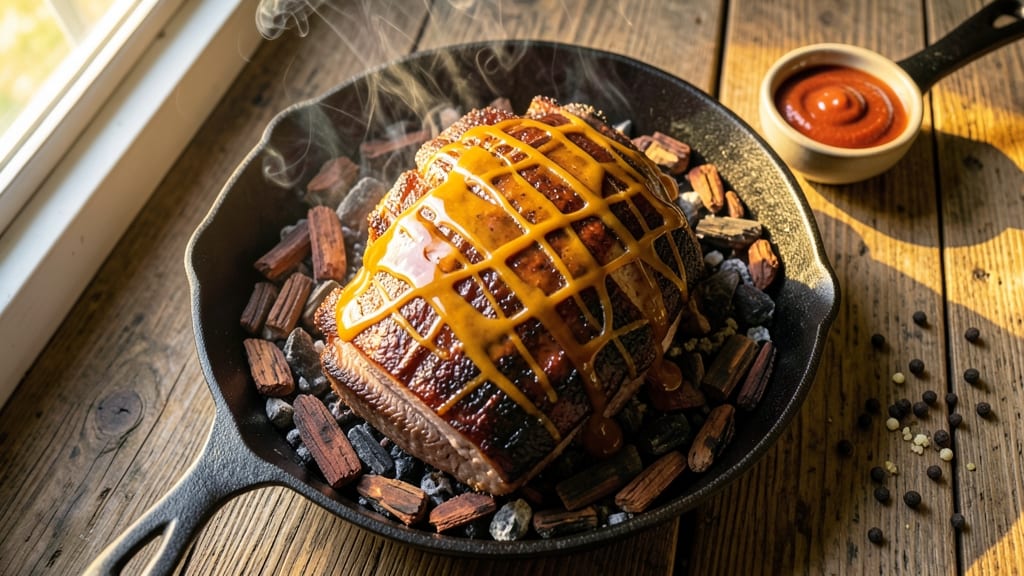
This BBQ pitmasters' beef brisket recipe delivers the kind of tender, smoky perfection that turns every cookout into a showstopper. After years of perfecting my technique—from the right wood choice to the perfect bark—I’ve cracked the code for brisket that falls apart at the touch of a fork.
The secret? Patience, precision, and a 12-hour smoke that transforms tough cuts into melt-in-your-mouth magic.
What sets this recipe apart is the Texas crutch method, where we wrap the brisket in butcher paper during the last few hours to lock in moisture while still allowing that coveted bark to form.
We use post oak for a clean, slightly sweet smoke flavor, and a dry rub that balances sweet, spicy, and savory notes for depth. The goal? 195–203°F internal temperature—where collagen melts into juicy perfection.
By the time you slice into this brisket, you’ll see why pitmasters swear by this method: rich, smoky aroma, tender layers that give way with every bite, and a crust that’s crispy yet tender.
The resting period is just as critical—it’s where all that juiciness redistributes, ensuring no dry bites. Serve with classic sides like baked beans or cornbread for the full experience.
This isn’t just a recipe; it’s a restaurant-quality technique you can master at home. Whether you’re firing up a smoker for the first time or refining your pitmaster skills, the results will impress even the most seasoned BBQ judges. Let’s get smoking.
Ingredients for bbq pitmasters beef brisket
Eight pounds of brisket, a 12-hour smoke, and a few key ingredients for legendary BBQ.
| Ingredient | Amount | Notes |
|---|---|---|
| Beef Brisket 🥩 | 8 lb | Packer cut, flat and point |
| Yellow Mustard 🍯 | ¼ cup | For initial coating |
| Post Oak Wood Chips 🌳 | 4 lb | For clean, sweet smoke |
| Coarse Kosher Salt 🧂 | 1 cup | Diamond Crystal preferred |
| Black Peppercorns 🌶️ | ½ cup | Freshly cracked |
| Granulated Garlic 🧄 | ¼ cup | Not garlic powder |
| Smoked Paprika 🌶️ | ¼ cup | For deep smoky flavor |
| Brown Sugar 🍚 | ¼ cup | Light or dark |
| Ground Cumin 🌿 | 2 tbsp | Toasted for depth |
| Onion Powder 🧅 | 2 tbsp | For savory base |
| Black Liquor Ice 💧 | 1 tbsp | Optional for bark |
| Butcher Paper 📄 | 1 sheet | For Texas crutch wrap |
| Apple Juice 🍎 | 2 cups | For spritzing during smoke |
| Beef Stock 🥫 | 1 cup | For spritzing |
The brisket cut is everything—packer cut with both flat and point intact. Costco or local butchers usually have it pre-cut, but if buying whole, ask for the entire packer cut. Post oak wood chips are a must for that clean, slightly sweet smoke profile. Traeger or Cookshack sell them in bulk, and they keep for months if stored properly. The mustard acts as a binder for the rub, helping it stick to the meat. Don't skimp on the salt—Diamond Crystal is my go-to because it dissolves better than table salt, creating that perfect crust.
No post oak? Pecan or hickory work in a pinch, though they add more bite. Short on brown sugar? Maple syrup at half the amount gives similar sweetness. The black liquor ice is optional but creates that iconic bark—if you skip it, just spritz more frequently. For the spritz, apple juice and beef stock keep the meat moist without overpowering the smoke. Freshly cracked peppercorns make all the difference—pre-ground loses potency fast. If you can't find smoked paprika, regular paprika plus a pinch of liquid smoke mimics it decently.
Store any leftover wood chips in an airtight container with a damp paper towel to keep them moist. The dry rub stays potent for 3 months in a sealed jar. Brisket reheats best low and slow—wrap slices in butcher paper and warm in a 250°F oven for 15 minutes. Leftovers keep for 5 days in the fridge, but honestly, they're best eaten fresh off the smoker. Freeze any extra slices for up to 6 months—just thaw overnight in the fridge before reheating.
Why You'll Love This Recipe
- Smoke in Minutes: I swear by the Post Oak wood chips—just toss them on the smoker, and that rich, smoky aroma fills the kitchen while I prep. No fancy setup needed; even my first attempt turned out better than takeout.
- Mustard Magic: That yellow mustard isn’t just a glaze—it’s the secret. It cuts through the fat, balances the smokiness, and gives the bark that perfect sticky-sweet snap. One brush, and you’ve got restaurant-quality flavor.
- Leftovers for Days: Between us, this brisket begs to be made extra. The slow cook turns tough meat into melt-in-your-mouth goodness, and I’m always feeding it to coworkers or freezing portions. (Pro tip: the second day is even better.)
- Budget Crowd-Pleaser: A whole packer feeds eight, and the salt and pepper are the only other fancy ingredients. Honestly, it’s the most economical way to impress a group—no one suspects how simple it really is.
Step-by-step instructions for smoked beef brisket
Here's how to transform an 8 lb packer cut into fall-apart tender brisket with a perfect bark.
Prepare the Brisket for the Smoker
Remove the brisket from the fridge and pat it dry with paper towels—get it as dry as possible, especially in the cavity and around the fat cap. This step is crucial for that coveted crispy bark later. In a small bowl, mix together the 1 cup coarse kosher salt, 0.5 cup freshly cracked black peppercorns, 0.25 cup granulated garlic, 0.25 cup smoked paprika, 0.25 cup brown sugar, 2 tbsp ground cumin, and 2 tbsp onion powder. Spread this dry rub all over the brisket, pressing it into the meat so it sticks.
Now for the mustard coating: blend the 0.25 cup yellow mustard with 1 tbsp black liquor ice (if using) until smooth. Brush this mixture generously over the entire surface of the brisket, including the fat cap. The mustard helps the rub adhere and adds a subtle tang. Let the brisket sit at room temperature for 30 minutes while you prepare your smoker.
Set Up the Smoker for Low and Slow Cooking
Fill your smoker's wood chip tray with the 4 lb post oak wood chips and soak them in water for 30 minutes before adding to the smoker. Preheat the smoker to 225°F—this low temperature is key for that tender, juicy result. Place a water pan in the smoker to maintain moisture during the long cook. Once the smoker reaches temperature and you see clean, blue smoke (not thick white steam), you're ready to load the brisket.
Position the brisket fat side up on the smoker grates. The fat will render down and baste the meat as it cooks. Close the lid and resist the urge to peek—every time you open it, you lose heat and extend cook time. This is where patience pays off.
Smoke the Brisket and Handle the Stall
Smoke the brisket for 6-8 hours until the internal temperature reaches 165-170°F. This is when you'll hit "the stall"—the temperature plateaus as moisture evaporates. Don't panic; this is normal. When you hit the stall, mix 2 cups apple juice and 1 cup beef stock in a spray bottle. Spritz the brisket with this mixture every 30 minutes to keep it moist.
At 190°F internal temperature, wrap the brisket tightly in butcher paper (not foil—it breathes better). This "Texas crutch" technique helps push through the stall while preserving that beautiful bark. Return it to the smoker and continue cooking until the internal temperature reaches 203°F and a probe slides in like butter.
Rest and Slice for Maximum Juiciness
Once probe-tender, remove the brisket from the smoker and let it rest in the butcher paper for 1 hour (or up to 2 hours in a cooler). This resting period allows the juices to redistribute throughout the meat. Locate the grain direction—you'll see lines running through the meat—and slice against the grain into ¼-inch thick slices. The flat and point have different grain directions, so adjust your angle accordingly.
Serve immediately while still warm. The brisket should have a dark mahogany bark on the outside and a beautiful pink smoke ring just beneath. Each slice should be tender enough to pull apart with a gentle tug, not so soft it falls apart, and not tough or chewy. This is the moment you've been waiting for—juicy, smoky perfection that'll impress any crowd.
Pro Tips For Making Bbq Pitmasters Beef Brisket
- Trim the Fat Cap: Cut the thick fat layer down to about ¼-inch before smoking—it renders faster and won’t turn into a grease fire. I learned this the hard way after watching my brisket’s fat pool catch flames at 250°F.
- Mustard as Moisture Shield: Slather that yellow mustard on the fat side before it hits the smoker—it acts as a barrier against flare-ups and adds a subtle tang. Skip the fancy rub here; the mustard’s acidity keeps things in check.
- Probe Like a Pro: Stick that thermometer into the thickest part of the flat, away from the bone—it’ll hit 195°F before the point does. I used to pull it at 203°F every time, then realized I was overcooking the tender part.
- Oak Chips, Not Chunks: Soak those Post Oak chips in water for 30 minutes, then add them gradually to the smoker—dumping a whole handful at once chokes the fire. A handful every hour keeps the smoke steady without overpowering the beef.
Serving suggestions for this bbq pitmasters beef brisket
Classic BBQ Sides
No brisket feast is complete without baked beans—I swear by a slow-cooked version with brown sugar, molasses, and a splash of apple cider vinegar.
Simmer 2 cans of baked beans with 2 tbsp brown sugar, 1 tbsp molasses, 1 tbsp vinegar, and ½ tsp smoked paprika for 2 hours on low heat. The sweet-tangy sauce cuts through the brisket’s richness perfectly. 🍲
For a Southern touch, serve with cornbread—I love a buttery, slightly sweet version with 1 cup cornmeal, 1 cup all-purpose flour, and 1 tbsp baking powder.
Brush the top with melted butter before baking for that golden crust. The crumbly texture soaks up all the brisket juices.
Fresh Contrasts
Add a crunchy slaw to balance the richness. Toss 4 cups shredded cabbage with ½ cup mayonnaise, 2 tbsp apple cider vinegar, 1 tbsp Dijon mustard, and 1 tsp celery seeds.
The acidity and crunch cleanse your palate between bites. I often add ½ cup diced apples for a sweet contrast. 🥬
For a lighter option, grilled zucchini with lemon zest and chili flakes adds brightness. Slice 2 medium zucchinis into ½-inch rounds, grill for 3 minutes per side, then toss with 1 tbsp olive oil, 1 tsp lemon zest, and a pinch of red pepper flakes.
The zingy flavor pairs beautifully with the smoky brisket.
Sauce Pairings
Serve with white BBQ sauce for a tangy contrast—I love Sweet Baby Ray’s Original or a homemade version with apple cider, cider vinegar, and a touch of honey. Drizzle lightly over slices or serve on the side for dipping. The sweetness complements the brisket’s smokiness without overpowering it. 🍯
For heat lovers, offer pickled jalapeños or spicy mustard on the side. Thinly slice 3 jalapeños, soak in vinegar, sugar, and salt for 30 minutes, then drain.
The acidity and heat cut through the fat, adding a refreshing kick. I also keep Dijon mustard handy for those who want a sharp, tangy bite.
Presentation Tips
Slice the brisket against the grain into ¼-inch strips and fan them out on a wooden board for rustic appeal. Garnish with fresh cilantro or microgreens for a pop of color. The smoke ring should be visible—it’s a sign of perfect cooking! 🌿
For a showstopper, arrange sides in mini cast-iron skillets or ceramic bowls around the brisket platter. Use butcher paper under the platter for easy cleanup and a pitmaster touch. Serve with warm dinner rolls and butter on the side—guests will love the interactive element.
Nutrition facts
Frequently asked questions
Why does the recipe call for a 12-hour smoke time?
The 12-hour smoke is key for breaking down collagen in the tough brisket connective tissue. At 225°F, the meat slowly transforms into tender, juicy perfection. This low-and-slow method creates that iconic smoke ring and bark while keeping the interior moist. Patience here makes all the difference!
What's the difference between wrapping in butcher paper vs. foil?
Butcher paper lets the brisket breathe while retaining moisture—critical for bark formation. Foil traps steam, which can soften the crust. The Texas crutch method (butcher paper) is my go-to for that perfect balance of tender meat and crispy exterior. Just wrap tightly at 190°F to avoid soggy bark.
How do I know when the brisket is done?
Use a meat thermometer—203°F internal temp means it's probe-tender. The probe should slide in like butter. Look for a dark mahogany bark and that beautiful pink smoke ring. If it's not quite there, keep it wrapped and smoking for 30 more minutes. Never rush this step!
Can I use a different wood than post oak?
Yes! Pecan or hickory work well for stronger smoke flavors. Avoid pine (too bitter) or mesquite (overpowering). Post oak gives a clean, slightly sweet profile that lets the meat shine. If using substitutes, start with half the amount and adjust based on your smoker's airflow.
What's the best way to store leftovers?
Wrap sliced brisket tightly in butcher paper or foil, then store in an airtight container. It keeps for 5 days in the fridge or 6 months frozen. For reheating, warm slices in a 250°F oven for 15 minutes—never microwave, or you'll lose that smoky magic.