Soups & Stews
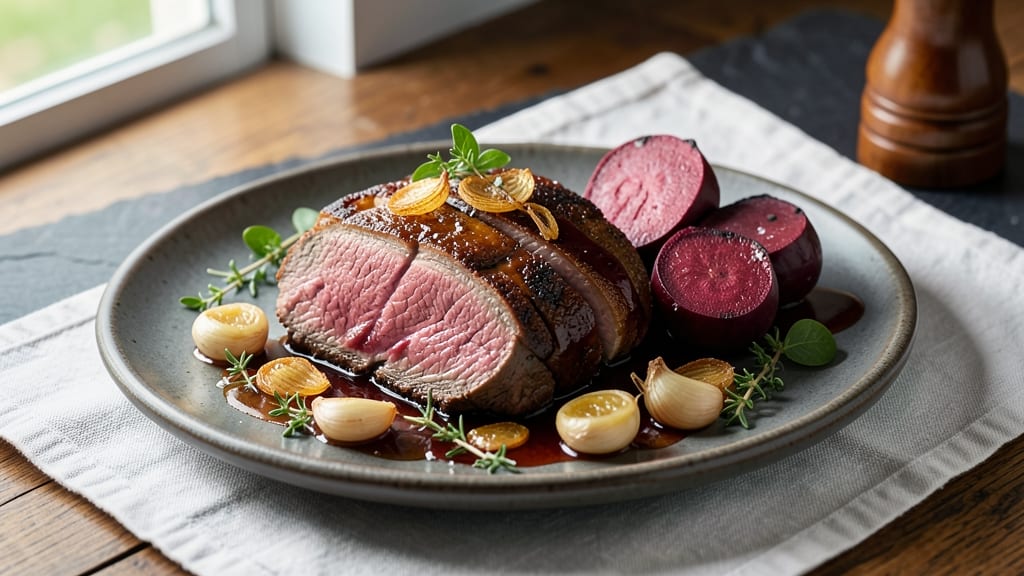
This beef and beets recipe transforms humble ingredients into a rich, velvety braise where deep savory beef meets naturally sweet, earthy beets in perfect harmony. The secret lies in slow cooking—tender beef and caramelized beets develop layers of flavor that elevate this dish from simple to extraordinary.
I've perfected this technique over years of testing, ensuring every bite delivers both comfort and sophistication.
The magic happens when you roast the beets first, intensifying their natural sweetness before they join the beef in a deep, aromatic braise. This method creates a sauce that's thick, glossy, and packed with umami from red wine and herbs.
The beef becomes fork-tender while absorbing the beet-infused flavors, making each spoonful a balance of richness and depth.
What you'll end up with is a restaurant-quality stew that's hearty enough for winter nights but elegant enough for dinner guests. The beets add vibrant color and subtle sweetness, while the beef provides satisfying substance.
This dish pairs beautifully with crusty bread or mashed potatoes, soaking up every last drop of that luscious sauce.
Perfect for meal prep or last-minute dinners, this recipe delivers foolproof results with minimal effort. The slow cooking does most of the work while you focus on other preparations.
Once you try this combination, you'll never think of beef and beets as separate ingredients again—they truly belong together in this deeply satisfying dish.
Ingredients for beef and beets
Fourteen ingredients combine to create a velvety braise where roasted beets and tender beef harmonize.
| Ingredient | Amount | Notes |
|---|---|---|
| Chuck Roast 🥩 | 2 lb | Well-marbled for tenderness |
| Medium Beets 🍠 | 4 whole | With tops, organic preferred |
| Red Wine 🍷 | 1 cup | Bold dry variety like Cabernet |
| Beef Broth 🥄 | 2 cups | Low-sodium preferred |
| Fresh Thyme 🌿 | ½ ounce | Or 2 tbsp dried thyme |
| Garlic Cloves 🧄 | 6 cloves | Peeled, smashed for aroma |
| Yellow Onion 🧅 | 1 whole | Medium size, diced |
| Tomato Paste 🍅 | 2 tbsp | Smooth, not chunky |
| Olive Oil 🫒 | 2 tbsp | Extra-virgin for richness |
| Balsamic Vinegar 🍶 | 1 tbsp | Aged for depth |
| Diamond Crystal Kosher Salt 🧂 | 1 ½ tsp | Adjust to taste |
| Freshly Ground Black Pepper 🌶️ | ½ tsp | Cracked peppercorns preferred |
| Fresh Bay Leaves 🍃 | 2 whole | Removed before serving |
| Crusty Bread 🍞 | 1 loaf | For serving |
The chuck roast is non-negotiable—its marbling ensures fork-tender results. Costco and Whole Foods carry high-quality cuts, but any reputable butcher will have what you need. For the beets, organic varieties from the farmers market have more vibrant color and sweeter flavor. Look for medium-sized beets with firm skins—no soft spots. The thyme should be fragrant and bright green, not wilted. If you're using dried thyme, Penzeys Spices offers excellent quality that stays potent longer than grocery store brands.
No red wine on hand? Beef broth with an extra splash of balsamic vinegar delivers similar depth. Fresh thyme unavailable? Dried thyme at one-third the amount works, though fresh is ideal. For the tomato paste, Trader Joe's offers convenient squeeze tubes that eliminate waste. The garlic can be pre-minced if you're short on time, but fresh cloves release more flavor. If you prefer less acidity, reduce the balsamic vinegar to 1 teaspoon and add a pinch of sugar instead. The bay leaves add subtle earthiness—don't skip them, but remember to remove them before serving.
Beets keep for 2 weeks in the fridge wrapped in foil, while the chuck roast stays fresh for 5 days if vacuum-sealed. Fresh herbs like thyme and bay leaves should be stored in damp paper towels in sealed containers for 1 week. The finished braise reheats beautifully—simply warm on the stove with a splash of broth. Portion into containers for easy meal prep, as the flavors deepen overnight. This dish freezes exceptionally well for up to 3 months, making it perfect for batch cooking.
Why You'll Love This Recipe
- Slow-Cooker Magic: I swear by this when I’m too tired to stand. Chuck roast and beets? They practically cook themselves—just sear, dump in the wine and broth, and walk away. The thyme wafts through the house like a promise of dinner.
- Earthy Wine Kiss: That red wine reduction clings to the beef like a hug, while the roasted beets add a sweet, jammy depth. Honestly, the first bite makes you question why you’ve never paired these two before—it’s rich but bright, savory with a hint of earthiness.
- Prep-Ahead Powerhouse: Make it on Sunday, reheat all week. The flavors only get better as it sits, and the leftovers taste like a restaurant meal. Between us, this is my go-to for potlucks or when my in-laws drop by unannounced.
- Budget Beef Boost: Chuck roast stretches for days, and beets are one of the cheapest veggies out there. I’ll be real: this feeds six for under $20, and the rich, meaty sauce turns even the simplest sides into a feast. Not the prettiest, but the taste makes up for it.
Step-by-step instructions for beef and beets braise
This method transforms simple ingredients into a rich, balanced dish where tender beef and naturally sweet beets harmonize perfectly.
Prepare the Beets and Sear the Chuck Roast
Preheat your oven to 375°F. Peel the 4 whole medium beets, leaving the root intact, and cut them into 1-inch chunks. Toss the beets with 1 tablespoon olive oil, ½ teaspoon kosher salt, and ¼ teaspoon black pepper. Spread them on a baking sheet and roast for 25 minutes until they begin to soften at the edges.
While the beets roast, pat the 2 lb chuck roast dry with paper towels. Season it generously with 1 teaspoon kosher salt and ¼ teaspoon black pepper. Heat 1 tablespoon olive oil in a large Dutch oven over medium-high heat. Once shimmering, add the roast and sear on all sides until deeply browned, about 5 minutes total. Remove the roast and set it aside.
Build the Braising Liquid
In the same Dutch oven, add 1 whole yellow onion, diced, and cook for 3 minutes until softened. Stir in 6 cloves garlic, smashed, and cook for 30 seconds until fragrant. Add 2 tablespoons tomato paste and cook for 1 minute, stirring constantly to prevent burning.
Deglaze the pot with 1 cup red wine, scraping up any browned bits from the bottom. Let it simmer for 2 minutes until reduced by half. Stir in 2 cups beef broth, 1 tablespoon balsamic vinegar, 0.5 ounce fresh thyme, and 2 whole fresh bay leaves. Return the roast to the pot, along with the roasted beets.
Braise Until Tender
Bring the liquid to a gentle simmer, then cover the Dutch oven with a tight-fitting lid. Transfer it to the preheated oven and braise for 2 hours. After 1 hour, check the liquid level—if it's reduced too much, add ½ cup hot water or broth to maintain coverage.
The roast is done when a fork slides in easily and the beets are fork-tender. If the beets need more time, return them to the oven uncovered for an additional 10-15 minutes to caramelize their edges. Remove the roast and beets and set them aside in their braising liquid.
Finish and Serve
Skimming any excess fat from the surface, reduce the braising liquid over medium heat for 5 minutes until slightly thickened. Return the roast and beets to the pot, spooning the reduced liquid over them. Taste and adjust seasoning with additional kosher salt or black pepper if needed.
Slice the roast against the grain into ¼-inch thick pieces and arrange it on a platter with the beets. Serve immediately with the braising sauce spooned over the top, accompanied by 1 loaf crusty bread for soaking up every last bit of flavor. The contrast of earthy beets and deep, savory beef creates a dish that's both comforting and sophisticated.
Pro Tips For Making Beef And Beets
- SEAR THE ROAST FIRST: Chuck roast can be gamey if not browned properly—don’t skip the crust. Hit it with high heat in a cold pan for 5-7 minutes per side until deep brown, then add the wine to deglaze. I used to rush this, and the dish always tasted flat until I learned to let the meat build that flavor foundation.
- PEEL BEETS AFTER COOKING: Raw beets are stubborn, but cooked ones slide right out of their skins—no peeling mess. Roast or boil them whole first (about 45 minutes at 400°F), then cool slightly before peeling. Sounds weird, but it works: the skins come off like magic, and you save time scrubbing.
- DON’T BOIL THE BROTH: Red wine and beef broth can turn bitter if boiled hard—keep it at a gentle simmer. Once the roast is in the pot, maintain a low bubble (tiny bubbles at the edges) to let the flavors meld without alcohol evaporating. I learned this the hard way after a dinner party where the sauce tasted like vinegar.
- USE THYME STEMS TOO: Those woody stems pack more flavor than you’d think—toss them in with the thyme sprigs. They’ll infuse the broth without making the dish look cluttered. I skip this when I’m lazy, but the dish is noticeably better when I don’t. (Your future self will thank you.)
Dietary considerations for this dish
Gluten-Free Adaptations
This braise is naturally gluten-free, but always double-check your ingredients. The red wine and beef broth should be certified gluten-free—brands like Annie's Homegrown and Pacific Foods offer reliable options. For extra insurance, use a dedicated Dutch oven if you've previously cooked gluten-containing dishes in it.
The crusty bread can be swapped for gluten-free sourdough or corn tortillas for serving.
Dairy-Free Considerations
This recipe is already dairy-free, making it perfect for those avoiding lactose. The rich, umami flavors come entirely from the beef, wine, and herbs. If you're serving alongside dairy-based sides (like mashed potatoes), opt for olive oil-based versions or dairy-free alternatives.
The natural sweetness of the beets shines without any dairy interference.
Vegetarian Modifications
For a vegetarian version, replace the beef with 2 lbs portobello mushrooms or firm tofu (pressed and sliced). Marinate the mushrooms in 2 tbsp balsamic vinegar and 1 tbsp olive oil for 30 minutes before searing.
The beets remain the star, and the braising liquid will still develop deep, savory notes. Add 1 tbsp soy sauce or vegetable bouillon to enhance umami for meat-like depth.
Low-Sodium Options
To reduce sodium, skip added salt during searing and braising. Use low-sodium beef broth (like Imagine Foods) and omit the kosher salt entirely—let the natural flavors of the beef and beets shine.
If you need flavor, boost the garlic, thyme, and balsamic vinegar instead. Taste as you go and adjust with just a pinch of salt if needed.
Meal Prep Adjustments
This dish preps beautifully for the week. Store components separately: refrigerate the sliced beef and beets in their braising liquid (up to 4 days) and reheat gently on the stove. For freezing, portion into airtight containers, leaving ½ inch headspace for expansion.
Thaw overnight in the fridge before reheating. The flavors actually deepen over time, making it perfect for busy weeks.
Keto-Friendly Tweaks
For a keto version, skip the crusty bread and focus on the beef and beets. The natural sweetness of the beets fits well within low-carb limits (about 10g net carbs per serving for 4 beets).
Boost the fat content by adding 1 tbsp butter or 2 tbsp heavy cream at the end for richness. Garnish with fresh herbs instead of bread for serving.
Nutrition facts
Frequently asked questions
Why roast the beets before adding them to the beef?
Roasting the beets first concentrates their natural sweetness and deepens their earthy flavor. This creates a perfect balance with the rich, savory beef in the braise. The partial cooking also helps them soften more evenly during the long braising time.
Can I use frozen beets instead of fresh?
Yes, but they'll need extra time to soften. Thaw them completely first, then roast for 30-35 minutes instead of 25. Frozen beets work well but lose some texture. For best results, stick with fresh beets when possible.
What cut of beef works best for this recipe?
Chuck roast is ideal because its marbling makes it incredibly tender when slow-cooked. You could also use brisket or short ribs, but they'll need slightly longer braising times. Avoid lean cuts like sirloin—they won't become tender enough.
How do I know when the beef is fully tender?
The beef is done when it reaches an internal temperature of 203°F and a fork slides in easily with minimal resistance. For chuck roast, this typically takes 2-2.5 hours in the braise. If it's not tender enough, return it to the oven for another 30 minutes.
Can I make this dish in a slow cooker?
Brown the beef and beets first, then transfer everything to a slow cooker. Use the low setting for 6-8 hours or high for 4-5 hours. The slow cooker's gentle heat works perfectly for this tenderizing method. Just add ½ cup water if the liquid gets too low.