
Soups & Stews
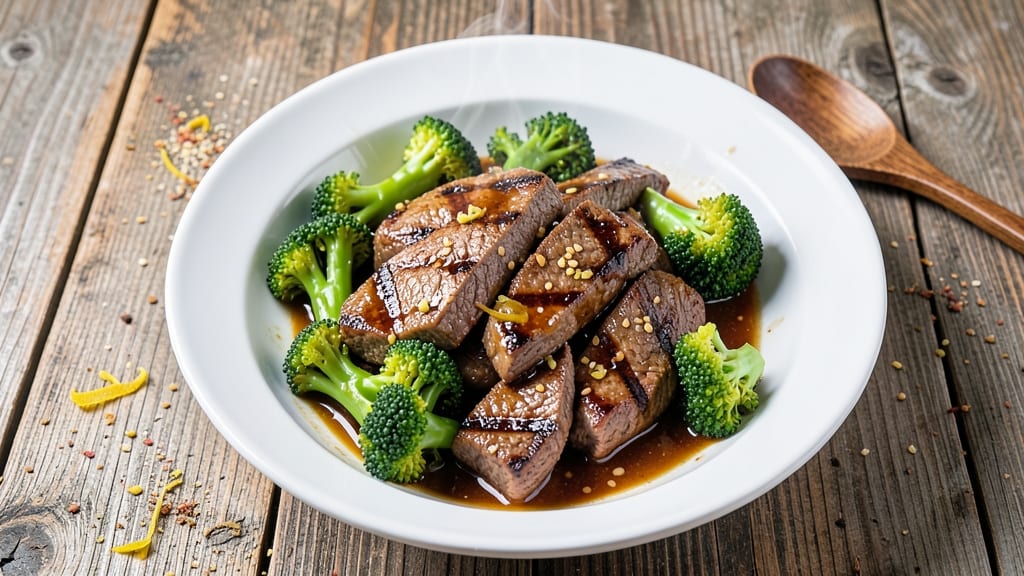
This beef and broccoli takeout recipe delivers restaurant-quality results with crisp-tender beef and bright, glossy soy glaze that clings to every bite. The secret lies in high-heat searing followed by a quick stir-fry—transforming tough flank steak into melt-in-your-mouth strips while keeping broccoli vibrant and slightly crisp. I perfected this version after years of takeout cravings, and it now sits at the top of my weeknight rotation.
What sets this recipe apart is the balance of textures and flavors: perfectly seared beef with a caramelized crust, bright green broccoli florets that stay crisp-tender, and a glossy sauce that's sweet, tangy, and packed with umami from soy sauce, ginger, and garlic.
The sauce isn't just poured on top—it's simmered with the beef to create a sticky, flavorful coating that makes every bite worth savoring.
Ready in just 30 minutes, this dish delivers the same satisfaction as your favorite takeout container but with fresher ingredients and no delivery wait. The beef comes out with beautiful char marks from the wok, while the broccoli maintains its vibrant color and satisfying crunch.
Serve it over steamed jasmine rice or noodles to soak up every last bit of that delicious sauce.
The best part? This recipe scales perfectly—double it for a crowd or halve it for leftovers. The sauce keeps well in the fridge for up to 5 days, making it ideal for meal prep.
Whether you're cooking for family or treating yourself to a homemade takeout night, this beef and broccoli delivers restaurant-quality flavor without the hassle.
Ingredients for beef and broccoli takeout
These 13 ingredients deliver restaurant-style beef and broccoli with crisp-tender meat and glossy sauce.
| Ingredient | Amount | Notes |
|---|---|---|
| Flank Steak 🥩 | 1 ½ lb | Thinly sliced against grain |
| Broccoli Florets 🥦 | 2 cups | Fresh, cut into bite-sized pieces |
| Low-Sodium Soy Sauce 🥢 | ½ cup | For balanced flavor |
| Honey 🍯 | 2 tbsp | For sweet-tangy glaze |
| Sesame Oil 🫒 | 1 tbsp | Toasted, for aroma |
| Ginger Root 🌿 | 1 tbsp | Freshly grated |
| Garlic Cloves 🧄 | 4 cloves | Minced, aromatic base |
| Cornstarch 🌾 | 1 tbsp | For sauce thickening |
| Vegetable Oil 🫒 | 2 tbsp | High smoke point for searing |
| Sesame Seeds 🌰 | 1 tbsp | Toasted, for garnish |
| White Pepper 🌶️ | ½ tsp | Freshly ground |
| Green Onion 🧅 | 2 whole | Sliced, for garnish |
| Jasmine Rice 🍚 | 1 ½ cups | Uncooked, for serving |
The flank steak is your star—look for well-marbled cuts at the butcher counter, not the pre-packaged ones. Costco or Whole Foods usually have the best quality, but any grocery store's meat section works. Slice it thinly against the grain for that melt-in-your-mouth texture. Pro tip: Let it sit at room temp for 20 minutes before cooking. Broccoli? Bright green florets are key—avoid the yellowing ones. I always buy organic when possible, but regular works too. For the sauce, low-sodium soy sauce gives you more control over saltiness.
No flank steak? Sirloin or ribeye strips work in a pinch, but they won't be as tender. Fresh ginger and garlic are ideal, but paste works at half the amount if you're short on time. The sesame oil is non-negotiable for that authentic aroma—don't skip it. For a quicker version, swap the cornstarch for arrowroot powder. The rice? Jasmine is traditional, but basmati or even brown rice works if that's what you've got. And if you're watching calories, halve the honey and add a splash of rice vinegar for tang.
Store the raw steak in an airtight container for up to 3 days, while broccoli keeps 5 days wrapped in damp paper towels. The cooked sauce reheats beautifully—just add a splash of water to loosen it. I always make a double batch and freeze half in ice cube trays for quick future meals. The rice? Cook it fresh for best texture, but pre-cooked rice reheats fine too. Garnish with toasted sesame seeds and green onions right before serving—that's when it tastes like takeout.
Why You'll Love This Recipe
- Foolproof Slicing: I swear by the flank steak—it’s lean, affordable, and slices like butter when you cut against the grain. No fancy knife skills needed, just a sharp knife and 10 minutes of focus. (Yes, even on a Tuesday night.)
- Umami Bomb: That honey-soy glaze? It’s the magic. The low-sodium soy sauce keeps it savory without overwhelming, while the honey adds this sweet, sticky depth that makes every bite dangerously good. Sesame oil at the end? Pure aroma therapy.
- Lunchbox Hero: Pack this cold or reheated—it’s foolproof for meal prep. The broccoli stays crisp-tender, the beef holds its shape, and the sauce clings like it’s meant to be eaten with chopsticks. My kids actually ask for it in their lunches. (A rare win.)
- Budget Powerhouse: Flank steak feeds four for under $15, and broccoli is the cheapest veggie on the planet. The leftovers? Just as good the next day—toss them in rice or noodles for a zero-effort stir-fry. My wallet and I both approve.
Step-by-step instructions for beef and broccoli takeout
Ready to recreate that perfect restaurant takeout experience at home? Here's how to get crisp-tender beef and glossy broccoli every time.
Prepare the Flank Steak for Perfect Tenderness
Slice the 1.5 lb flank steak thinly against the grain into ¼-inch thick strips. This is crucial—cutting against the grain ensures each bite will be tender, not chewy. Place the sliced steak in a bowl and add 0.5 cup low-sodium soy sauce, 2 tbsp honey, 1 tbsp sesame oil, 1 tbsp freshly grated ginger root, 4 minced garlic cloves, and 0.5 tsp freshly ground white pepper. Mix gently to coat the beef evenly.
Let the steak marinate for at least 30 minutes in the refrigerator. I like to marinate for up to 2 hours if possible—this allows the flavors to penetrate deeply while keeping the meat tender. Don't skip this step; the marinade not only adds flavor but also helps tenderize the meat through the acidity of the soy sauce and the mechanical action of the ginger and garlic.
Cook the Jasmine Rice to Perfection
While the steak marinates, cook the 1.5 cups jasmine rice according to package instructions. I prefer using a rice cooker for consistent results, but a pot method works too. For a pot, use 2 cups water and bring to a boil, then reduce heat to low, cover, and simmer for 15 minutes. Let it sit covered for an additional 10 minutes after cooking to steam through.
Fluff the rice gently with a fork and keep it covered until ready to serve. The rice should be light and separate—each grain distinct and tender. This is your base, so don't rush it. Perfect rice makes the whole dish shine, especially when paired with the rich, savory beef and bright broccoli.
Sear the Beef for Maximum Flavor
Heat 2 tbsp vegetable oil in a large skillet or wok over medium-high heat until shimmering. Remove the steak from the marinade (reserve the marinade) and pat it dry with paper towels. This step is important—dry meat sears better and creates that beautiful crust we want.
Add the steak in a single layer and cook undisturbed for 2-3 minutes until the edges are deep golden brown. You'll see the meat release easily from the pan—that's your signal to flip. Cook for another 1-2 minutes until the steak reaches 145°F internally. Remove the beef from the pan and set it aside on a plate. The steak should be tender but still slightly pink in the center—it will carry over to medium-rare when you finish cooking it in the sauce.
Build the Glossy Soy Glaze
In the same skillet, reduce the heat to medium and add the reserved marinade. Bring to a gentle simmer and let it cook for 3-4 minutes until it reduces by about half. This step develops the sauce's depth of flavor and thickens it slightly.
In a small bowl, whisk together 1 tbsp cornstarch with 2 tablespoons water to make a slurry. Slowly pour this into the simmering sauce while stirring constantly. The sauce will thicken immediately into a glossy, sticky glaze. If it's too thick, add a splash of water to reach your desired consistency. Taste and adjust seasoning with a pinch more soy sauce or honey if needed. The sauce should be sweet, salty, and aromatic with notes of ginger and garlic.
Finish with Broccoli and Garnish
Add 2 cups broccoli florets to the skillet and stir-fry for 2-3 minutes until they're bright green and just tender-crisp. You want them to retain a little bite—overcooking turns them mushy. Add the cooked beef back into the skillet and toss everything together for 1 minute to coat the beef in the sauce.
Remove from heat and stir in 1 tbsp toasted sesame seeds and 2 sliced green onions. Serve the beef and broccoli immediately over the cooked jasmine rice. The dish should be vibrant, with glossy sauce clinging to every piece of beef and broccoli. Each bite should deliver that perfect balance of tender beef, crisp-tender broccoli, and a bright, savory-sweet glaze.
Pro Tips For Making Beef And Broccoli Takeout
- Slice Against the Grain: Flank steak fights you when sliced raw—it turns to mush. Freeze it solid for 20 minutes first, then cut thin against the grain. If you’re impatient, use a sharp knife and slice at a 45-degree angle for wider strips, but don’t skip the grain-cutting entirely.
- Blanch Broccoli First: Toss broccoli florets in boiling water for 30 seconds, then shock in ice water. This stops cooking, keeps them bright green, and prevents them from turning to mush when they hit the pan later. (Yes, even if you’re in a hurry—this takes 2 minutes.)
- Start with Dry Heat: Sear the beef in a screaming-hot wok or skillet until it’s browned and slightly charred—about 2 minutes per side. If you rush this, the sauce will just steam the meat instead of caramelizing. Pull the pan off heat while the beef rests, then return it to finish cooking in the sauce.
- Deglaze with Soy + Honey: After searing the beef, immediately pour in 1 tablespoon of low-sodium soy sauce and 1 teaspoon of honey, scraping up every browned bit. Let it bubble for 30 seconds before adding the rest of the sauce. This builds flavor faster than adding everything at once—like a quick base layer for the sauce.
Essential equipment for beef and broccoli takeout
Wok Essentials
Your carbon steel wok is the star of this recipe—it heats up fast and creates those beautiful char marks on the beef. I swear by my Made In wok (about $50), but any quality wok works.
If you don't have one, a 12-inch cast iron skillet is a great substitute. Just make sure it's heavy enough to handle high heat without warping. 🔥
High-Heat Tools
A tongs set is non-negotiable—you'll need long-handled tongs (like OXO Good Grips) to flip the beef without piercing it. Pair them with a heat-resistant spatula (I use Mercer Culinary) for scraping up those flavorful browned bits from the wok.
These tools make all the difference in achieving restaurant-quality searing at home.
Sauce Thickening Kit
For that perfect glossy sauce, you'll need a small whisk (I prefer West Bend) and a measuring spoon set for precise cornstarch slurry. A fine-mesh strainer comes in handy if you want to remove any ginger or garlic bits from your sauce.
Pro tip: Keep a small bowl nearby to mix your cornstarch slurry—it thickens instantly when combined with hot sauce.
Marinating Station
Grab a glass or ceramic bowl (never metal) for marinating your beef—it won't react with acidic ingredients. I like Pyrex mixing bowls because they're sturdy and easy to clean. Don't forget a sharp chef's knife (like Victorinox 8-inch) for slicing the steak against the grain.
A microplane is perfect for freshly grating ginger, which releases more flavor than pre-minced versions.
Garnish Must-Haves
Toasted sesame seeds and sliced green onions transform this dish from homemade to takeout-worthy. Use a small skillet to toast 1 tbsp sesame seeds over low heat until fragrant (about 1 minute).
For quick green onion slicing, I use my Japanese mandoline set to the thinnest setting. A pair of kitchen shears works too if you're in a hurry. 🌱
Optional Pro Upgrades
For next-level results, consider a meat thermometer (like Thermoworks Smoke) to monitor your beef's internal temperature. A rice cooker (I use Cuisinart CRC-325) ensures perfect jasmine rice every time.
And if you're serious about wok cooking, a wok stand (like KitchenAid) keeps your wok off the stovetop while it heats up—safety first!
Nutrition facts
Frequently asked questions
Why does my beef turn out chewy instead of tender?
Chewy beef usually means you didn't slice it properly. Always cut against the grain (perpendicular to the muscle fibers) into ¼-inch thick strips. Also, avoid overcooking—remove the beef when it reaches 145°F internally, not fully cooked through. The residual heat will finish cooking it in the sauce. Let the steak sit at room temp for 20 minutes before cooking too.
Can I make this dish without a wok?
A 12-inch cast iron skillet works perfectly—just make sure it's heavy enough to handle high heat. For even better results, use a griddle pan that gives you more surface area. The key is high heat and proper searing—don't skimp on the oil or crowd the pan. A wok substitute won't change the flavor, just the cooking technique.
How do I prevent the broccoli from turning mushy?
Broccoli needs 2-3 minutes max of cooking time—any longer and it loses its crisp texture. Start with bright green florets (avoid yellowing ones) and cook them at high heat in the same pan as the beef. Add them last, right before tossing with the sauce. For extra crunch, blanch them in boiling water for 30 seconds first, then drain well before stir-frying.
What's the best way to store leftovers?
Store in an airtight container with the sauce evenly distributed over the beef and broccoli. It keeps well in the fridge for 3-4 days. For freezing, portion the sauce separately—it thickens when reheated. Thaw overnight in the fridge, then reheat in a skillet over medium heat with a splash of water to restore the sauce's glossiness. Microwave reheating works but can make the sauce watery.
Can I use a different type of beef?
Flank steak is ideal for its tenderness, but sirloin or ribeye strips work too—just slice them ⅛-inch thick for faster cooking. Avoid tougher cuts like chuck roast. For budget-friendly options, try lean ground beef (90% lean) formed into small patties, but the texture won't be identical. The marinade works best with thinner cuts, so adjust cooking times accordingly.