
Soups & Stews
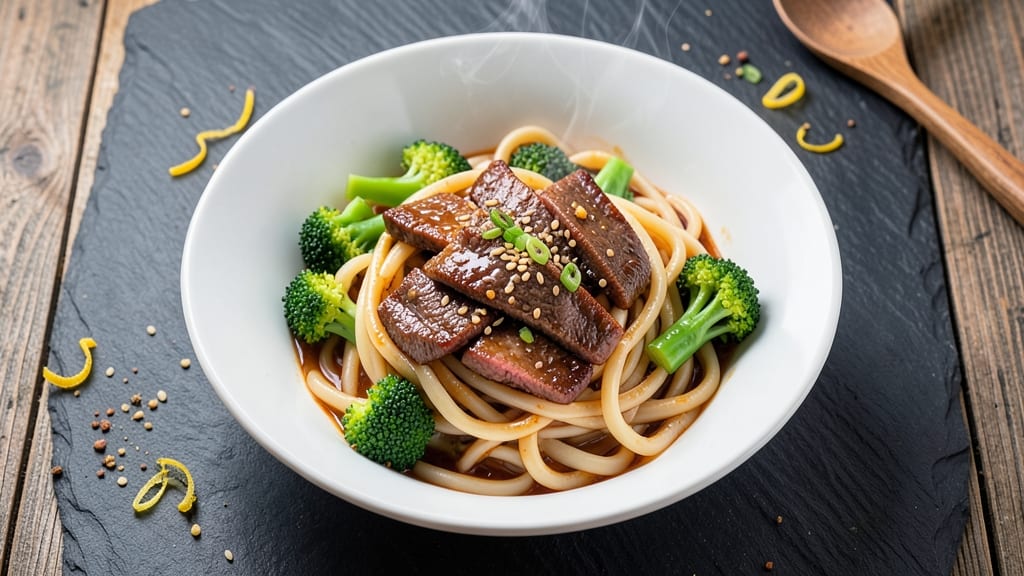
This beef and broccoli udon noodles recipe delivers restaurant-quality umami crunch and silky sauce in one satisfying bowl. The key lies in wok-searing tender beef strips alongside crisp-tender broccoli florets, then tossing everything in a velvety sauce that balances sweet, salty, and aromatic notes.
I developed this version after years of perfecting the technique—where the beef stays juicy, the broccoli achieves that coveted char, and the udon noodles absorb just enough sauce to become irresistibly chewy.
The foundation of this dish is a simple yet powerful sauce made with soy sauce, a touch of brown sugar, and fresh ginger—classic Asian flavors that create depth without overpowering.
What sets this apart is the two-stage cooking process: first, searing the beef and broccoli in a hot wok until they develop that signature caramelized crust, then finishing with a quick toss in the sauce to lock in all those flavors.
The udon noodles are cooked just shy of al dente to ensure they hold their shape while still being tender enough to enjoy every bite.
By the time you plate this dish, you'll have perfectly wok-seared beef with a glossy sheen, vibrant green broccoli that's crisp-tender, and udon noodles coated in a glossy, umami-rich sauce. The contrast of textures—crunchy beef, tender broccoli, and chewy noodles—makes each forkful exciting.
This recipe is designed to be adaptable, so you can adjust the spice level or add other vegetables like bell peppers or mushrooms if you prefer.
Serve immediately with optional garnishes like sesame seeds, sliced green onions, or a drizzle of chili oil for extra heat. The aroma alone will have everyone at the table anticipating that first bite—rich, savory, and perfectly balanced. Let's get cooking!
Ingredients for beef and broccoli udon noodles
Here's what you'll need to create restaurant-style beef and broccoli udon noodles at home.
| Ingredient | Amount | Notes |
|---|---|---|
| Udon Noodles 🍜 | 8 oz | Fresh or dried, cooked al dente |
| Flank Steak 🥩 | 1 lb | Thinly sliced against grain |
| Broccoli Florets 🥦 | 4 cups | Cut into bite-sized pieces |
| Soy Sauce 🥄 | ⅓ cup | Light or dark variety |
| Brown Sugar 🍯 | 2 tbsp | Packed, not heaping |
| Fresh Ginger 🧄 | 2 tbsp | Finely grated, peeled |
| Sesame Oil 🫒 | 1 tbsp | Toasted for aroma |
| Garlic Cloves 🧄 | 4 cloves | Minced finely |
| Green Onions 🧅 | 3 whole | Sliced thinly, white parts |
| Vegetable Oil 🫒 | ½ cup | High smoke point |
| Cornstarch 🌾 | 1 tbsp | For tenderizing beef |
| Sesame Seeds 🌱 | 1 tbsp | Toasted lightly |
| Ground Black Pepper 🌶️ | ½ tsp | Freshly cracked |
| Salt 🧂 | 1 tsp | Kosher or sea salt |
The udon noodles are the backbone of this dish—fresh udon from an Asian market has the perfect chewy texture, but dried works too (just cook it longer). For the beef, flank steak is ideal because it slices thinly and stays tender. Look for well-marbled cuts at the butcher counter, and ask for it to be sliced against the grain. Broccoli should be bright green and firm, with no yellowing florets. The sauce relies on fresh ginger and garlic, so grab those at the store last—they lose potency fast once peeled.
No udon noodles? Ramen or spaghetti will work in a pinch, but the texture won't be the same. Running out of soy sauce? Coconut aminos or tamari are great substitutes, though the flavor will differ slightly. If you can't find fresh ginger, powdered ginger at half the amount works, but it lacks the bright zing. The cornstarch is key for tenderizing the beef—don't skip it. For extra heat, add a dash of red pepper flakes or a drizzle of chili oil at the end. The broccoli can be swapped for bell peppers or snap peas if you prefer.
Prep the beef and broccoli first—they need time to marinate in the sauce. Store any unused sauce in an airtight container in the fridge for up to 5 days. The udon noodles reheat beautifully—just add a splash of water to the pot. For meal prep, cook the beef and broccoli ahead, then toss with the sauce and store separately. Assemble just before serving so the noodles stay chewy. This dish freezes surprisingly well—3 months if you portion it properly. Keep the sauce separate when freezing to avoid soggy noodles.
Why You'll Love This Recipe
- No Fuss, Big Payoff: I swear by this when I’m too tired to chop much—just slice the steak thin, boil the udon, and steam the broccoli while the sauce simmers. Five ingredients, one pan (well, two if you count the pot), and zero stress.
- Sweet-Savory Magic: That brown sugar cut through the richness of the soy sauce like a dream, while the flank steak stays tender enough to melt. Honestly, the first time I tasted it, I nearly burned the kitchen—it’s that good.
- Leftover Hero: This dish actually improves the next day. The noodles soften just enough, the sauce thickens into a glossy glaze, and reheating takes two minutes. I’ve fed my whole family for days with one batch—no sad, soggy leftovers here.
- Steakhouse for Less: Flank steak is cheaper than ribeye but just as impressive when sliced right. Pair it with cheap udon and frozen broccoli, and suddenly you’ve got a restaurant-quality meal that won’t break the bank. (Yes, even on a Tuesday night.)
Step-by-step instructions for beef and broccoli udon noodles
Here's how to create restaurant-quality wok-seared beef with silky udon noodles—crispy, tender, and packed with umami flavor.
Prep and Marinate the Flank Steak
Slice the 1 lb flank steak thinly against the grain into strips about ¼-inch thick. Place the sliced steak in a bowl and sprinkle with 1 tablespoon of the cornstarch, 1 teaspoon of salt, and ½ teaspoon of ground black pepper. Toss gently to coat evenly—this helps tenderize the meat and creates a beautiful crust when seared.
In a small bowl, whisk together ⅓ cup soy sauce, 2 tablespoons brown sugar, 2 tablespoons finely grated fresh ginger, and 4 cloves minced garlic. Pour this marinade over the cornstarch-coated steak and toss again until fully combined. Let it marinate for at least 15 minutes at room temperature—this ensures maximum flavor penetration and prevents tough meat. If you have time, let it marinate up to 30 minutes for even deeper flavor.
Cook the Udon Noodles Al Dente
Bring a large pot of water to a rolling boil and add the 8 oz udon noodles. Cook according to package instructions until al dente—typically about 4-5 minutes for fresh udon or 8-10 minutes for dried. The noodles should be tender but still have a slight bite.
Drain the noodles immediately and rinse briefly under cold water to stop the cooking process. Toss the noodles with 1 tablespoon of toasted sesame oil to prevent sticking and add a nutty aroma. Keep them covered and set aside—this step is crucial for maintaining their texture when we combine everything later.
Wok-Sear the Beef and Broccoli
Heat ½ cup vegetable oil in a wok or large skillet over high heat until shimmering. Working in batches if needed, add the marinated steak strips and sear for 1-2 minutes until the edges are golden brown and the meat is cooked through to your preferred doneness. Remove the beef and set aside on a plate.
In the same wok, add the 4 cups broccoli florets and stir-fry for 2-3 minutes until bright green and just tender-crisp. You want to preserve that vibrant color and slight crunch—overcooking will turn them mushy. Remove the broccoli and set aside with the beef.
Create the Silky Sauce
Return the wok to medium heat and add the remaining 1 tablespoon sesame oil. Pour in the reserved marinade from the beef (about ¼ cup) and scrape up any browned bits from the bottom of the wok—these contain concentrated flavor. Simmer for 1-2 minutes until the sauce slightly thickens.
In a small bowl, whisk together 1 tablespoon cornstarch with 2 tablespoons water to create a slurry. Slowly pour this into the simmering sauce while stirring constantly. The sauce will thicken dramatically—keep stirring until it becomes glossy and coats the back of a spoon. This creates that signature silky texture that makes this dish so special.
Combine and Garnish
Return the cooked beef and broccoli to the wok and toss everything together with the cooked udon noodles. Add the sliced green onions and toss gently to combine. The noodles should be well-coated with the sauce but still retain their individual shape.
Divide the beef and broccoli udon noodles among 4 serving plates. Garnish each portion with 1 tablespoon toasted sesame seeds and an extra sprinkle of sliced green onions. Serve immediately while hot—this dish is best enjoyed fresh from the wok when all the flavors are at their peak.
Pro Tips For Making Beef And Broccoli Udon Noodles
- SLICE STEAK THIN: Flank steak fights back when you cut against the grain—it gets tough and chewy. Grab a sharp knife, hold the meat at a 45-degree angle, and slice perpendicular to the grain lines (they’re visible when you press the knife in). Thin strips (about 1/8-inch) cook faster and stay tender. I used to rush this and end up with rubbery beef—don’t be that person.
- BLANCH BROCCOLI FIRST: Toss broccoli florets in boiling water for 30 seconds before stir-frying. This kills the bitterness and softens them just enough so they don’t turn into mush later. Drain and shock in ice water to stop cooking—now they’re ready to caramelize without falling apart. (Yes, it’s an extra step, but your sauce won’t turn into a swamp.)
- USE COLD NOODLES: Drain udon, rinse under cold water, and let them cool for 5 minutes before tossing in the pan. Hot noodles absorb sauce like a sponge, turning your dish into a soggy mess. Cold noodles pick up flavor evenly and hold their shape—trust me, this is the thing that matters most when plating.
- SEAR BEFORE SAUCE: Walk away from the wok after adding beef and broccoli—let that meat hit 165°F (medium-rare) before you even think about soy sauce. Crowding the pan steams the beef instead of searing it, and you’ll end up with gray, sad strips. High heat, minimal oil, and patience = restaurant-quality crust. (I know, I know, but trust the process.)
Regional styles of this recipe
Japanese Home-Style
This dish finds its roots in Japan's home-style cooking, where udon noodles were traditionally served with simple yet flavorful toppings.
In this version, the beef is thinly sliced and quickly seared to mimic yakiniku-style (Japanese BBQ) techniques, while the broccoli is stir-fried just until tender-crisp—a nod to the miso-umami balance found in many Japanese home meals.
The sauce, made with light soy sauce, keeps the flavors bright and clean, perfect for a comforting weeknight dinner. 🍜
Chinese Stir-Fry Fusion
For a Chinese-inspired twist, swap the light soy sauce for dark soy sauce and add a splash of Shaoxing wine to the marinade. The beef becomes more deeply caramelized, and the sauce gains a richer, slightly sweeter depth.
Stir-fry the broccoli with dried shiitake mushrooms for an extra layer of umami. Garnish with crushed peanuts and a drizzle of chili oil for a bold, restaurant-quality finish. 🌶️
Korean Bibimbap Adaptation
In Korea, this dish might be served as a bibimbap-inspired bowl, where the beef and broccoli are mixed with gochujang (Korean chili paste) for heat and a touch of sesame oil. Serve over steamed rice instead of udon for a heartier meal.
Top with fried eggs and quick-pickled radishes for tangy contrast. The sauce can be adjusted to include rice vinegar and honey for a sweet-spicy balance. 🍳
Thai-Inspired Spicy Kick
Transform this dish into a Thai-style stir-fry by adding red curry paste and fish sauce to the sauce. Swap the udon for rice noodles and toss everything with Thai basil and lime wedges for serving.
The heat from chili flakes and the brightness of lime elevate the dish to a completely different flavor profile. Serve with cucumber slices on the side for freshness. 🌶️
Americanized Comfort Food
For a comfort-food twist, thicken the sauce with a splash of heavy cream or butter for a richer texture. Add shredded cheddar cheese on top before serving, and top with crispy fried onions for a Southern-inspired crunch.
This version is perfect for a cozy dinner, especially when paired with garlic bread or a side salad. 🧀
Nutrition facts
Frequently asked questions
Can I use regular spaghetti instead of udon noodles?
While spaghetti will work in a pinch, it won't provide the same authentic chewy texture. Udon noodles are thicker and absorb sauce differently, creating that signature satisfying bite. If you must substitute, use fettuccine or ramen noodles—they're closer in thickness. Cook them just until al dente to prevent mushiness when tossed with the sauce.
How do I prevent the beef from becoming tough?
The key is slicing against the grain and marinating for at least 15 minutes. The cornstarch coating creates a protective crust during searing. Never overcook the beef—it should be cooked to medium-rare (135°F) for maximum tenderness. Also, let the meat rest 5 minutes after cooking before combining with other ingredients.
Can I make this dish ahead of time?
Yes, but with some adjustments. Cook the beef and broccoli separately, then store them in airtight containers in the fridge for up to 3 days. Keep the sauce separate until ready to serve. When reheating, add a splash of water to the sauce to restore its glossy consistency. Cook the udon noodles fresh—reheating them makes them mushy. Assemble just before serving for the best texture.
What's the best way to reheat leftovers?
Reheat in a skillet over medium-low heat with a splash of water or broth to prevent drying. Start with the beef and broccoli to warm them through, then add the sauce and toss everything together. For the udon noodles, cook fresh and toss them with the reheated beef mixture. Microwaving works but can make the noodles rubbery—always add a little water to steam them during reheating.
Can I add other vegetables to this recipe?
Bell peppers, snap peas, or mushrooms work beautifully. Add them with the broccoli and stir-fry for 1-2 minutes until just tender. For extra crunch, include water chestnuts or bamboo shoots. Just be mindful of cooking times—harder vegetables need more time while delicate ones like snap peas cook faster. Keep the total vegetable volume similar to the broccoli amount to maintain balance.