
Soups & Stews
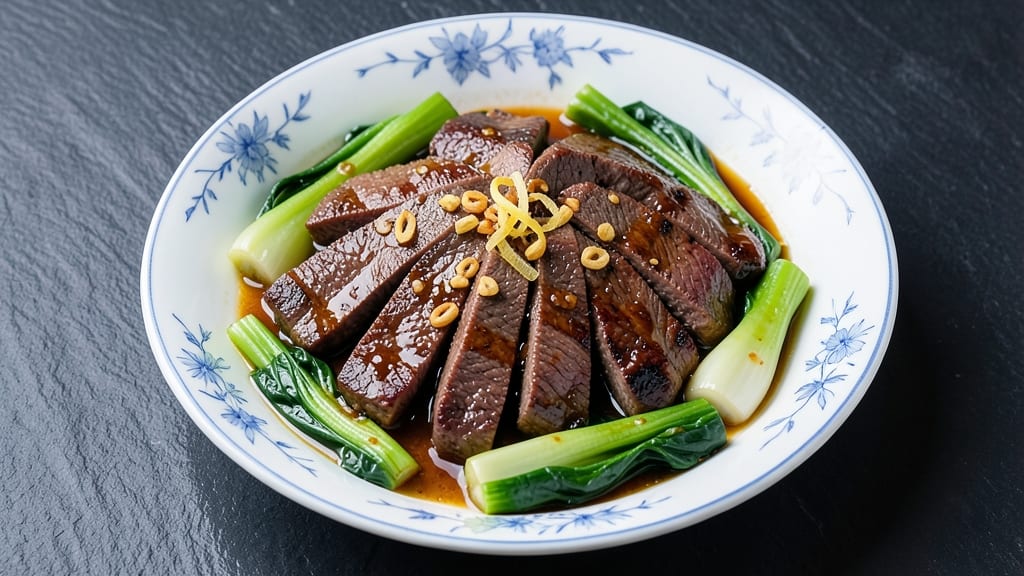
This wok-sizzled beef and greens Chinese recipe captures the essence of home-style Cantonese cooking in one flavorful bowl. The secret lies in tender beef strips seared to perfection and silky bok choy wilted just enough to retain its vibrant green color.
I’ve perfected this dish over years of testing—balancing the right mix of savory, umami, and a touch of sweetness that makes every bite irresistible.
The technique starts with high-heat wok searing to develop that signature wok hei (breath of the wok) aroma, followed by a quick stir-fry that keeps the beef juicy and the greens crisp-tender.
A simple sauce made from soy sauce, oyster sauce, and a hint of brown sugar ties everything together, creating a dish that’s both comforting and restaurant-worthy. No fancy ingredients—just bold flavors and a method that delivers results every time.
What you’ll end up with is a plate of golden-brown beef glistening with caramelized edges, paired with bright green bok choy that’s just tender enough to bite into.
The sauce clings to both, adding layers of depth—salty from the soy, sweet from the brown sugar, and umami from the oyster sauce. It’s the kind of dish that tastes even better the second time you make it, as the flavors meld and deepen.
Perfect for a weeknight dinner or a weekend family meal, this recipe scales easily for two or four. Serve it over steamed rice to soak up every last drop of that delicious sauce, or enjoy it as-is for a lighter, more balanced meal.
The best part? It comes together in under 30 minutes, making it ideal for busy evenings without sacrificing flavor. Let’s get cooking!
Ingredients for beef and greens chinese
Here’s what brings this wok-sizzled beef and greens to life—simple yet transformative ingredients.
| Ingredient | Amount | Notes |
|---|---|---|
| Flank Steak 🥩 | 1 lb | Thinly sliced against grain |
| Bok Choy 🥬 | 1 lb | Baby or regular, leaves separated |
| Light Soy Sauce 🍶 | 3 tbsp | Kikkoman preferred |
| Oyster Sauce 🥢 | 2 tbsp | High-quality, no additives |
| Brown Sugar 🍯 | 1 tbsp | Packed measurement |
| Sesame Oil 🫒 | 1 tbsp | Toasted, for aroma |
| Garlic Cloves 🧄 | 4 cloves | Minced, fresh preferred |
| Fresh Ginger 🌿 | 1 tbsp | Grated, peeled |
| Vegetable Oil 🫒 | 2 tbsp | High smoke point |
| Green Onions 🧅 | 3 whole | Sliced diagonally, white and green |
| White Rice 🍚 | 1 ½ cups | Uncooked, long-grain |
| Salt 🧂 | ½ tsp | Kosher or sea salt |
| Black Pepper 🌶️ | ¼ tsp | Freshly ground |
| Cornstarch 🌾 | 1 tbsp | For tenderizing beef |
The flank steak is your star—look for marbled cuts at Whole Foods or your local butcher for that melt-in-your-mouth texture. Slice it thinly against the grain (about 1/4-inch thick) before marinating—this ensures tender bites. Bok choy should be bright green and crisp, not wilted. Asian markets often carry the freshest baby bok choy, but any grocery store’s produce section works. For the sauces, Kikkoman soy sauce and Lee Kum Kee oyster sauce are my go-tos—they’re widely available and deliver that authentic umami punch. If you can’t find oyster sauce, vegetable-based oyster sauce is a decent substitute, though it lacks some depth.
No high-quality oyster sauce? A mix of soy sauce and a dash of fish sauce (if vegetarian, use mushroom sauce) gets you close. The brown sugar adds just enough sweetness to balance the salty-savory flavors—don’t skip it, but don’t overdo it either. For the garlic and ginger, fresh is non-negotiable—dried or powdered won’t give you that bright, aromatic kick. If you’re short on time, pre-minced garlic from the jar works in a pinch, but it lacks freshness. The cornstarch is a game-changer for tenderizing the beef—marinate the slices in it for 10 minutes before cooking. And for the greens, avoid overcrowding the wok—cook in batches if needed to keep them crisp-tender.
Prep ahead where you can: Slice the beef and bok choy the night before and store them separately in airtight containers. The sauce ingredients can be mixed in a small jar and kept in the fridge for up to 5 days, making this a great make-ahead meal. Leftover beef and greens reheat beautifully—just toss them in a hot wok with a splash of water for 2-3 minutes to revive the wok hei aroma. The rice? Cook it fresh for the best texture, or reheat with a sprinkle of water to steam it back to fluffiness. This dish tastes even better the next day as the flavors meld—double the sauce if you’re planning to reheat leftovers.
Why You'll Love This Recipe
- One-Pan Magic: I swear by this—just toss the steak, bok choy, and sauce in one skillet, and walk away. No chopping boards full of mess, no multiple pans to wash. That sweet caramelized edge on the beef? Happens while you’re stirring the greens.
- Sweet-Savory Balance: Between us, the brown sugar and light soy sauce combo is chef’s kiss. The bok choy stays crisp, the steak gets tender, and that oyster sauce? It ties everything together like a hug from your favorite takeout spot.
- Leftover Goldmine: This dish actually improves the next day. Reheat the steak slices in a pan with a splash of soy sauce, and the greens? Toss them in a quick stir-fry or salad. Honestly, I make double portions just for this.
- Budget-Friendly Powerhouse: Flank steak stretches farther than you’d think when sliced thin, and bok choy is cheaper than most greens. A single pan, minimal ingredients, and enough flavor to feed four for under $15. My wallet thanks me every time.
Step-by-step instructions for wok-sizzled savory beef with bok choy
Master this classic Chinese wok technique for perfectly tender beef and vibrant greens.
Prepare the Flank Steak for Maximum Tenderness
Slice the 1 lb flank steak thinly against the grain using a sharp knife. The grain runs lengthwise, so you'll cut perpendicular to those lines for tender bites. Place the sliced steak in a bowl and add the 1 tablespoon cornstarch, tossing to coat evenly. Let it sit for 10 minutes while you prepare the other ingredients.
The cornstarch creates a delicate crust that seals in juices and prevents the beef from drying out during the quick wok cook. This step is crucial for achieving that signature silky texture in Chinese stir-fries. Don't skip the resting time—it allows the cornstarch to adhere properly.
Cook the White Rice to Perfection
Rinse the 1.5 cups white rice under cold water until the water runs clear, then drain. In a pot with enough water to cover by 1 inch, bring to a boil. Add the rice along with the ½ teaspoon salt and ¼ teaspoon black pepper, then reduce heat to low, cover, and simmer for 15 minutes. Turn off the heat and let it steam for another 10 minutes without lifting the lid.
Perfectly cooked rice should be tender but still have a slight bite. The steaming period allows the rice to finish cooking evenly and absorb all the flavor from the seasoned water. This simple step ensures your meal has a proper foundation—fluffy rice that won't turn mushy when mixed with the beef and greens.
Build the Flavor Base in the Wok
Heat 2 tablespoons vegetable oil in a wok or large skillet over high heat until shimmering. Add the 4 minced garlic cloves and 1 tablespoon grated fresh ginger, stirring constantly for 30 seconds until fragrant. Add the cornstarch-coated beef and stir-fry for 2-3 minutes until the edges begin to brown but the center remains slightly pink.
This high-heat cooking is essential for developing the beef's flavor and texture. The garlic and ginger should sizzle immediately—if they don't, your pan isn't hot enough. The beef will cook quickly, so keep it moving constantly to prevent sticking. Remove the beef to a plate and set aside, leaving the aromatic oils in the wok.
Create the Silky Sauce
In the same wok, add 3 tablespoons light soy sauce, 2 tablespoons oyster sauce, and 1 tablespoon packed brown sugar. Stir constantly for 1 minute until the sauce begins to bubble and slightly thicken. Add 1 tablespoon sesame oil and the 3 diagonally sliced green onions, stirring for another 30 seconds until everything is well combined.
The sauce should coat the back of a spoon with a glossy sheen. This is where all the flavors meld together—salty soy, umami oyster sauce, and sweet brown sugar. The sesame oil adds that distinctive aromatic note that makes this dish sing. Keep the heat medium-high to prevent burning the sauce while it reduces.
Finish with Bok Choy and Combine
Add the 1 lb bok choy (leaves separated) to the wok and stir-fry for 2-3 minutes until just wilted but still vibrant green. Return the beef to the wok and toss everything together for 1 minute until the bok choy is evenly coated with the sauce. Taste and adjust seasoning if needed—you may want to add a splash of water if the sauce is too thick.
The bok choy should retain its bright color and crisp texture rather than becoming limp. This quick cooking preserves its natural sweetness while allowing it to absorb the savory beef flavors. Serve immediately over the fluffy white rice, garnished with additional green onion slices if desired.
Pro Tips For Making Beef And Greens Chinese
- Slice Against the Grain: The flank steak’s stubborn fibers will fight you if you don’t cut it properly. Angle your knife at a 45-degree slice against the grain—yes, it takes a little practice, but those thin, tender strips are worth the effort. I used to rush this and end up with chewy bites that ruined the whole dish.
- Blanch Bok Choy First: Skip the wilting—blanch the bok choy in boiling water for 30 seconds, then shock in ice water. This keeps the leaves crisp and bright, not limp, when they hit the pan later. I learned this the hard way after serving soggy greens that looked sadder than I felt after a breakup.
- Let the Steak Rest Before Slicing: That 5-minute rest under foil isn’t optional—it’s the thing that keeps your sliced beef from turning into a sad, juicy puddle. While it rests, toss the bok choy in the sauce so it absorbs flavor instead of steaming in its own water. Trust me, your knife will thank you.
- Use Less Sugar, More Often: Brown sugar burns faster than you think, so start with half the recipe calls for and add more to taste at the end. A quick glaze with a splash of water and a pinch of sugar over high heat gives that caramelized depth without scorching. I was skeptical until I tried it—now I can’t go back.
Best sauces and condiments for this recipe
Classic Soy-Ginger Base
The foundation of this dish is a simple yet powerful sauce blend of 3 tbsp light soy sauce, 2 tbsp oyster sauce, and 1 tbsp brown sugar. I always use Kikkoman soy sauce—its balanced saltiness is key.
The oyster sauce adds that signature umami depth, while the brown sugar gently caramelizes during cooking, creating a glossy finish. For extra richness, I sometimes add ½ tsp fish sauce (vegetarians can use mushroom sauce) to amplify the savory notes.
Pro tip: If your sauce seems too thin after combining, let it reduce by 1-2 minutes on medium-high heat before adding the greens. This creates a thicker, more clingy sauce that coats every bite beautifully. 💛
Sesame Oil Finish
The 1 tbsp toasted sesame oil is what elevates this dish from good to restaurant-quality. Add it at the very end when everything is hot—this releases its nutty aroma instantly. I recommend La Choy toasted sesame oil for its robust flavor.
Too much can overpower, so measure carefully. A few drops of Chinkiang black vinegar (½ tsp) also adds complexity if you want an extra layer of tang.
For a smoky twist, swap the sesame oil for 1 tsp chili oil—it adds heat while keeping the dish balanced. Just be sure to add it last so the heat doesn’t cook off completely. 🌶️
Fresh Aromatics Boost
Fresh garlic (4 cloves) and ginger (1 tbsp) are non-negotiable for authentic flavor. I always mince them finely and let them sizzle in the wok until fragrant before adding the beef.
For a deeper flavor, try 1 tsp doubanjiang (fermented chili bean paste) with the aromatics—it adds a subtle spicy complexity that pairs perfectly with the beef.
Don’t skip the 3 sliced green onions—they add brightness and a pop of color. Save some for garnishing at the end to make the dish look as good as it tastes. 🧅
Umami Upgrades
For an extra umami kick, stir in 1 tsp miso paste with the soy sauce or add 1 tbsp hoisin sauce to the final toss. Both deepen the savory profile without overpowering.
If you’re feeling adventurous, a splash of 1 tsp Shaoxing wine (½ tbsp) in the sauce adds a sophisticated note that complements the beef beautifully.
For vegetarians, replace oyster sauce with 1 tbsp vegetarian oyster sauce or 1 tbsp coconut aminos for a similar umami punch. The dish still shines with these swaps! 🌱
Sweet-Savory Balance
The 1 tbsp brown sugar is crucial for balancing the salty-savory flavors. If you prefer less sweetness, reduce it to ½ tbsp and add ¼ tsp white pepper for warmth.
For a caramelized finish, let the sauce reduce slightly longer—this creates a sticky, glossy coating that clings to the beef and greens.
For a tangy contrast, finish with 1 tsp rice vinegar or a squeeze of lime juice—just enough to brighten the dish without overpowering. 🍯
Nutrition facts
Frequently asked questions
Can I substitute flank steak with another cut of beef?
Flank steak is ideal for its tenderness, but sirloin or ribeye work well too. Just slice them thinly against the grain for maximum tenderness. Avoid tougher cuts like chuck—they won’t get as silky when cooked quickly. For extra juiciness, marinate the beef for 30 minutes in a mix of soy sauce, cornstarch, and a splash of Shaoxing wine.
What if I can't find bok choy? What greens work best?
Bok choy is traditional, but baby spinach, Napa cabbage, or Chinese broccoli make great substitutes. For a heartier texture, use kale (remove stems first). Avoid iceberg lettuce—it wilts too quickly and lacks flavor. When using spinach, add it to the wok just 30 seconds before serving to keep it vibrant.
How do I prevent the beef from drying out?
High heat is key, but timing matters most! Cook the beef in one batch for 2-3 minutes max—overcrowding steams instead of sears. Use cornstarch as a tenderizer, and remove the beef when it’s 80% cooked (it’ll finish in the sauce). For extra moisture, add 1 tbsp water to the wok when combining everything at the end.
Can I make this dish ahead of time?
Yes, but with a few tweaks! Cook the beef and sauce separately, then refrigerate for up to 2 days. Reheat gently in a skillet with 1 tsp oil for 3-4 minutes. Add fresh bok choy and cook just until wilted—this revives the wok hei aroma. For best texture, serve over freshly cooked rice to prevent sogginess.
What's the secret to getting that restaurant-quality wok hei?
Start with a smoking-hot wok—it should shimmer when oil is added. Use high heat throughout and avoid stirring too much (let ingredients sear slightly). A carbon steel wok conducts heat best, but cast iron works too. For extra aroma, add ½ tsp dried chili flakes to the oil before cooking, then remove them before adding beef.