
Soups & Stews
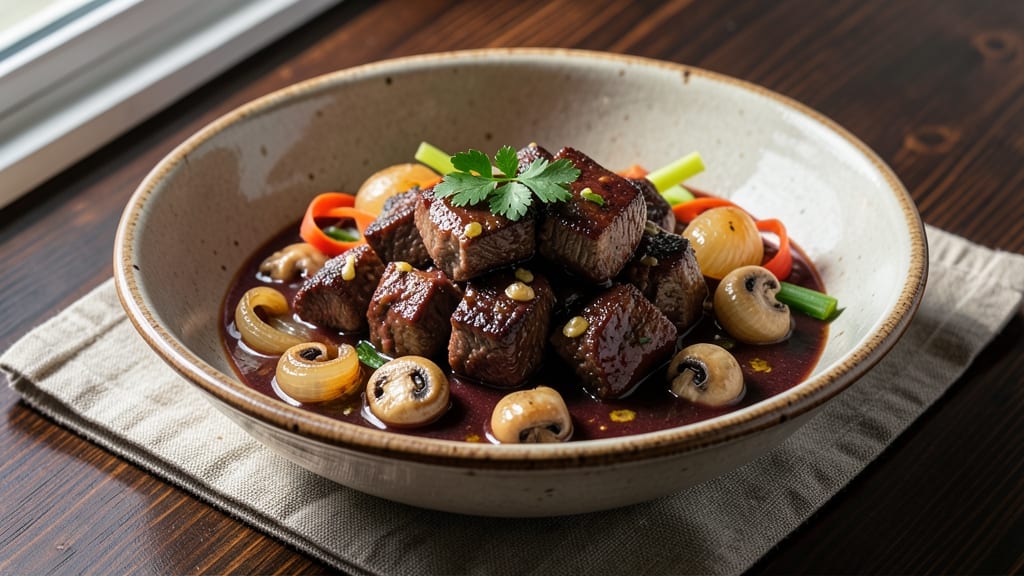
This beef and mushroom ragu recipe transforms humble ingredients into a restaurant-worthy deep red wine braise with layers of earthy umami and tender beef. The secret lies in slow simmering—where caramelized mushrooms and rich wine meld into a velvety sauce that clings to every bite.
I’ve perfected this version over years of testing, ensuring the meat stays fork-tender while the sauce develops that signature depth.
The process begins with browning the beef for maximum flavor, then building the sauce with aromatic vegetables and mushrooms before letting it simmer for hours. This isn’t just a stew—it’s a foolproof method for creating a sauce so rich it elevates simple pasta into a gourmet meal.
The red wine adds acidity, while herbs and tomatoes balance the earthiness of the mushrooms.
By the time it’s done, you’ll have a dish that’s comforting yet sophisticated—perfect for feeding a crowd or meal prepping for the week. The sauce thickens beautifully, coating al dente pasta or crusty bread with every spoonful.
Whether you’re a home cook or a seasoned chef, this ragu delivers professional results without the fuss.
Serve with freshly cooked pappardelle or crusty bread to soak up every last drop. The variations are endless—add a splash of balsamic for brightness or swap in white wine for a lighter take. Here’s how to make it.
Ingredients for beef and mushroom ragu
Sixteen ingredients for a sauce that tastes like a weeknight restaurant meal.
| Ingredient | Amount | Notes |
|---|---|---|
| Chuck Roast 🥩 | 2 ½ lb | Cut into 1.5-inch cubes |
| Cremini Mushrooms 🍄 | 1 ½ lb | Sliced into 1/4-inch pieces |
| Yellow Onion 🧅 | 1 whole | Diced into 1/4-inch pieces |
| Carrot 🥕 | 2 whole | Chopped into 1/2-inch pieces |
| Celery Stalks 🌿 | 3 whole | Chopped into 1/2-inch pieces |
| Garlic Cloves 🧄 | 6 cloves | Minced finely for depth |
| Dry Red Wine 🍷 | 1 ½ cups | Bold Cabernet or Merlot preferred |
| Tomato Paste 🍅 | ¾ cup | High-quality, no sugar added |
| Beef Broth 💧 | 2 cups | Homemade or low-sodium store-bought |
| Fresh Rosemary 🌿 | ¼ cup | Chopped, stems removed |
| Fresh Thyme 🌿 | ¼ cup | Leaves only, stems discarded |
| Olive Oil 🫒 | ½ cup | Extra-virgin for richness |
| Salt 🧂 | 1 ½ tsp | Kosher or sea salt |
| Ground Black Pepper 🌶️ | 1 tsp | Freshly ground preferred |
| Balsamic Vinegar 🍶 | 1 tbsp | For brightness, optional |
The chuck roast is non-negotiable here—its marbling ensures the meat stays tender while developing deep flavor. Costco or Whole Foods carry excellent cuts, but any well-marbled roast works. Look for vibrant color and avoid anything with a grayish tint. Slice the mushrooms thinly for maximum caramelization, and don’t skip the cremini variety—it has more earthy depth than white mushrooms. Fresh herbs are ideal, but dried thyme at one-third the amount works in a pinch. The red wine should be bold and dry—Cabernet or Merlot are classic choices, but whatever’s open in your bottle will do.
No red wine? Substitute beef broth with a splash of balsamic vinegar for acidity. Prefer white wine? Use the same amount, but add an extra pinch of salt to balance. The tomato paste can be swapped for crushed San Marzano tomatoes if you prefer a chunkier texture. For mushrooms, shiitake or oyster mushrooms add fantastic umami, though cremini are the most accessible. If you’re prepping ahead, chop all vegetables and store them in airtight containers—they’ll keep for 3 days in the fridge. The beef can be cubed and frozen for up to 2 months before cooking.
This ragu tastes even better the next day as flavors meld, so make a double batch if you can. Store leftovers in the fridge for 5-6 days or freeze for 3 months—portion into meal-sized containers for easy reheating. For serving, pair with freshly cooked pappardelle or crusty bread to soak up the sauce. The sauce thickens as it cools, so add a splash of broth if it seems too thick when reheating. A sprinkle of fresh parsley at the end adds brightness without overpowering the earthy flavors.
Why You'll Love This Recipe
- One-Pot Magic: I swear by this recipe—just toss everything in one pot, walk away, and let the chuck roast and mushrooms melt together. No fancy techniques, no stress, and honestly? That’s all you need for something that tastes like it simmered for hours.
- Umami Bomb: The cremini mushrooms and caramelized onions pack a flavor punch that’s hard to beat. Between us, the slow-cooked beef gets so tender it falls apart, and that rich, earthy depth? It’s the kind of taste that makes you pause mid-bite.
- Weeknight Superstar: This ragu is my go-to when I’m too tired to think but still need a hearty meal. Serve it over pasta, dump it on polenta, or even stuff it into sandwiches—it’s that kind of reliable. (Yes, even on a Tuesday night.)
- Budget-Friendly Luxury: A chuck roast stretches for days, and the veggies—onion, carrot, celery—are the kind of basics you always have. I’ve made this for date nights, family dinners, and lazy Sundays, and it never feels like I’m sacrificing quality for cost.
Step-by-step instructions for beef and mushroom ragu
This rich, slow-cooked ragu delivers deep umami flavor through precise technique and layered ingredients.
Sear the Chuck Roast for Maximum Flavor
Heat 0.25 cup of the olive oil in a heavy Dutch oven over medium-high heat until shimmering. Working in batches if needed, add the 2.5 lb chuck roast cut into 1.5-inch cubes and sear undisturbed for 3-4 minutes per side until deeply browned. This creates a flavorful crust that forms the base of your ragu.
Transfer the browned meat to a plate and set aside. If the oil isn't hot enough to brown the meat quickly, reduce the heat slightly but don't walk away—constant attention prevents burning. The goal is caramelization, not charring. You'll know it's working when you see those beautiful golden-brown edges form.
Build the Vegetable Base for Depth
In the same Dutch oven, add the remaining 0.25 cup olive oil and heat over medium heat. Add the 1 whole yellow onion, 2 whole carrots, and 3 whole celery stalks all chopped into ½-inch pieces. Cook for 8-10 minutes until softened but not browned—you want them to break down but still maintain some texture.
Add the 1.5 lb cremini mushrooms sliced into ¼-inch pieces and cook for another 5-6 minutes until they release their moisture and begin to brown. Stir occasionally to prevent sticking. These vegetables form the aromatic base that carries the wine and meat flavors throughout the cooking process.
Develop the Sauce with Wine and Herbs
Reduce heat to medium-low and add the 6 cloves minced garlic, 0.25 cup chopped fresh rosemary, and 0.25 cup chopped fresh thyme. Cook for 1 minute until fragrant—this releases their essential oils that will infuse the ragu with aromatic depth.
Pour in the 1.5 cups dry red wine and scrape up any browned bits from the bottom of the pot with a wooden spoon. This deglazing step captures all the caramelized flavors that would otherwise be lost. Let the wine simmer for 3-4 minutes until reduced by half, creating a concentrated flavor base.
Braise Until Tender with Tomato and Broth
Return the seared chuck roast to the Dutch oven. Stir in the 0.75 cup tomato paste and 2 cups beef broth, then add the 1.5 tsp salt and 1 tsp ground black pepper. Bring to a gentle simmer, then reduce heat to low, cover, and let it cook for 2.5-3 hours until the beef is fork-tender.
Check occasionally and add ½ cup water if the liquid reduces too much. The ragu should be thick but still spoonable. Here's the thing—patience is key. The slow cooking breaks down the tough muscle fibers, transforming the chuck roast into melt-in-your-mouth beef that clings beautifully to pasta or crusty bread.
Finish with Balsamic for Brightness
Once the beef is tender, stir in the 1 tbsp balsamic vinegar and simmer uncovered for 10-15 minutes to reduce the sauce slightly and balance the richness. Taste and adjust seasoning if needed—you might need a touch more salt or pepper depending on your broth.
The ragu should be thick enough to coat the back of a spoon with a glossy sheen. If it's too thin, simmer uncovered for another 5-10 minutes to reach your desired consistency. This final step adds brightness that cuts through the richness of the meat and mushrooms, creating that perfect balance of flavors.
Pro Tips For Making Beef And Mushroom Ragu
- Sear the Chuck Roast Hard: Don’t just brown it—get that meat screaming in a hot pan for 3-4 minutes per side until it’s dark and crusty. I used to rush this, and the ragu always tasted underdeveloped. A deep sear locks in flavor and makes the slow cook ahead worth it.
- Slice Mushrooms Thinly: Cut those cremini mushrooms paper-thin (⅛-inch or less) so they cook down evenly without turning to mush. Thick slices hide in the sauce, and no one wants mushy mushrooms in their ragu—trust me, I’ve served it that way.
- Deglaze with Wine First: After searing the onions and veggies, splash in that red wine before adding the broth. The alcohol burns off faster, and the sauce won’t taste raw or boozy later. Skip this, and you’ll regret it when the ragu has a faint vinegary edge.
- Check Meat Temp Early: Pull the chuck roast when it hits 195°F—yes, even if it looks undercooked. The residual heat will carry it to perfection while you finish the sauce. I learned this the hard way when a stubborn piece stayed tough no matter how long I braised it.
Common mistakes when making this dish
Skipping the Sear
One of the biggest mistakes is rushing the searing step. When you skip or rush browning the beef, you lose that crucial Maillard reaction that creates deep, complex flavors.
I’ve seen home cooks skip this step to save time, but trust me—those golden-brown edges are what make your ragu taste restaurant-quality. Use a heavy Dutch oven and let the meat develop a deep crust before moving on. 🔥
Undercooking the Beef
Chuck roast needs 2.5-3 hours of slow cooking to become tender. I’ve had people pull it out too soon because they’re impatient, and the result is tough, chewy meat. Use a meat thermometer to check for an internal temperature of 203°F—that’s when it’s fork-tender.
If you’re short on time, try the pressure cooker method (about 90 minutes on high pressure) for the same result.
Ignoring Deglazing
After browning the meat, those flavorful bits stuck to the bottom of your pot are pure gold. Skipping the deglazing step with red wine means losing those caramelized flavors that build the sauce’s depth.
Always scrape up those browned bits with a wooden spoon—this is where the magic happens. I like to add a splash of beef broth too for extra richness. 🍷
Using the Wrong Wine
Not all red wines are created equal for ragu. Light, fruity wines like Pinot Noir won’t stand up to the bold flavors of beef and mushrooms. Instead, go for bold Cabernet or Merlot—their tannins and acidity balance the dish perfectly.
If you’re out of wine, beef broth with a splash of balsamic vinegar works in a pinch, but it won’t have the same depth.
Overcrowding the Pot
Adding all the ingredients at once can steam the beef instead of browning it, leading to a watery sauce. Work in batches when browning the meat and vegetables—this ensures proper caramelization.
I like to sear the beef first, then set it aside while I build the vegetable base in the same pot. This keeps everything flavorful without overcrowding. 🥩
Not Adjusting Seasoning
Tasting as you go is key—especially when using store-bought broth or wine. Some brands are saltier than others, and your ragu might need an extra pinch of kosher salt or a crack of black pepper at the end.
I always taste the sauce before serving and adjust accordingly. Remember, flavors deepen as the ragu sits, so don’t over-salt early on.
Nutrition facts
Frequently asked questions
Can I substitute white wine for red in this ragu?
Yes, but you'll need to adjust for balance. Use the same amount of white wine, then add ½ teaspoon extra salt to compensate for the lower tannins. For extra depth, add 1 tablespoon lemon juice at the end to brighten the flavors. The result will be lighter but still delicious—great with creamy pasta like fettuccine.
How do I make this ragu in a slow cooker?
Brown the beef and vegetables in a skillet first, then transfer everything to your slow cooker. Add all remaining ingredients and cook on low for 7-8 hours or high for 4-5 hours. The meat will be tender and the sauce will thicken beautifully. Just stir occasionally and add water if needed to prevent drying out.
What's the best pasta to serve with this?
Wide, ribbed pasta like pappardelle or tagliatelle works best—the ridges catch the thick sauce. For extra indulgence, try fresh egg pasta or hearty rigatoni. If you prefer no pasta, serve with crusty bread or polenta to soak up the rich sauce.
Can I make this ragu ahead of time?
This dish tastes even better the next day as flavors meld. Store in an airtight container in the fridge for 5-6 days or freeze for 3 months. Reheat gently on the stove with a splash of broth to restore moisture. The sauce will thicken as it cools, so add a little liquid when reheating if needed.
What if my ragu turns out too thin?
Simmer uncovered for 10-15 minutes to reduce the liquid naturally. For quicker results, mix 1 tablespoon cornstarch with 1 tablespoon cold water, stir into the sauce, and simmer until thickened. Avoid adding flour directly—it can make the sauce cloudy. If all else fails, serve it as a soup with crusty bread!