
Soups & Stews
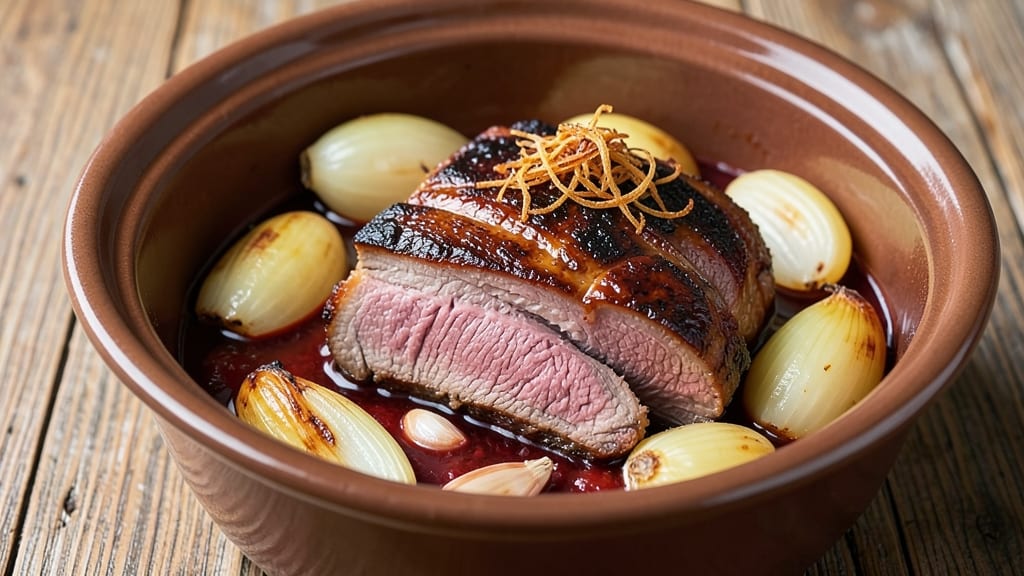
This beef and onion slow cooker recipe transforms tough cuts into fork-tender perfection with minimal effort. The secret lies in a rich red wine braise that infuses the beef with deep, savory flavors over hours of gentle cooking.
I developed this method after years of testing, and it never fails to deliver restaurant-quality results at home—no fancy techniques required.
What sets this recipe apart is the balance of ingredients: tender beef chunks slow-cooked until they practically melt in your mouth, paired with caramelized onions that add natural sweetness and depth.
The red wine not only enhances the flavor but also tenderizes the meat, creating a dish that’s both comforting and elegant. With just a few simple steps, you’ll achieve a dish that’s perfect for busy weeknights or special occasions.
The result is a hearty, flavorful stew with a velvety sauce that coats every bite. The onions caramelize beautifully, adding a touch of sweetness that complements the rich, savory beef.
This recipe is designed to be foolproof, ensuring you’ll get tender meat and a rich, aromatic sauce every time—no guesswork involved.
Serve this dish with crusty bread to soak up the delicious sauce, or pair it with mashed potatoes for a classic comfort meal. The leftovers reheat beautifully, making it ideal for meal prep or feeding a crowd. Let’s get started on creating this simple yet impressive slow cooker masterpiece.
Ingredients for beef and onion slow cooker
Rich, tender beef and caramelized onions braised in bold red wine for restaurant-quality slow cooker perfection.
| Ingredient | Amount | Notes |
|---|---|---|
| Chuck Roast 🥩 | 2 lb | Pre-cut into 1.5-inch chunks |
| Yellow Onions 🧅 | 3 whole | Peeled and halved lengthwise |
| Dry Red Wine 🍷 | 1 cup | Bold variety like Cabernet Sauvignon |
| Beef Broth 🥄 | 2 cups | Low-sodium preferred |
| Tomato Paste 🍅 | 2 tbsp | Smooth, not chunky |
| Garlic Cloves 🧄 | 4 cloves | Minced for depth |
| Fresh Thyme 🌿 | 2 sprigs | Or 1 tsp dried thyme |
| Olive Oil 🫒 | 1 tbsp | For searing beef |
| All-Purpose Flour 🌾 | 1 tbsp | For dusting beef |
| Salt 🧂 | 1 ½ tsp | Kosher or sea salt |
| Black Pepper 🌶️ | 1 tsp | Freshly ground |
| Fresh Rosemary 🌿 | 1 sprig | Optional for aroma |
| Bay Leaves 🍃 | 2 whole | Remove before serving |
The chuck roast is the star here—look for good marbling at the butcher counter for maximum tenderness. Costco or Whole Foods often carry pre-cut chunks, which saves time, but if buying whole, ask for it to be cut into 1.5-inch pieces. Yellow onions should be firm with no soft spots; Spanish onions add extra sweetness if you want to splurge. The red wine makes all the difference—avoid sweet varieties like Zinfandel; Cabernet Sauvignon or Merlot work best. For the beef broth, low-sodium versions prevent over-salting the dish.
No red wine? Substitute beef broth with 1 tbsp balsamic vinegar for depth. Fresh thyme is ideal, but dried works at one-third the amount. If you're missing rosemary, extra thyme or a bay leaf will still add great flavor. The tomato paste can be swapped for 1 cup crushed tomatoes if you prefer a thicker sauce. For the onions, red or sweet onions work too—they just caramelize differently. If you're short on time, pre-chopped frozen onions (thawed) are a decent shortcut, though fresh is always better.
This dish tastes even better the next day as flavors meld. Store leftovers in an airtight container for up to 5 days in the fridge, or freeze for 3 months. For reheating, add a splash of water or broth to prevent drying. The sauce thickens as it cools, so stir in 1-2 tbsp broth if it's too thick when reheating. Portion into containers with crusty bread on the side for easy lunches—this makes 6 servings total, so plan accordingly.
Why You'll Love This Recipe
- Here’s what sold me: the red wine and tomato paste caramelize into a deep, savory sauce that clings to every bite. It’s not just beef and onions—it’s like a fancy braise without the fuss, and honestly? My picky eaters ask for seconds.
- Dump-and-Go Magic: I swear, the hardest part is slicing the onions—just toss everything in the slow cooker, turn it on, and walk away. That chuck roast melts into tender perfection while I’m doing laundry, answering emails, or pretending to work.
- Wine-Infused Richness: Here’s what sold me: the red wine and tomato paste caramelize into a deep, savory sauce that clings to every bite. It’s not just beef and onions—it’s like a fancy braise without the fuss, and honestly? My picky eaters ask for seconds.
- Leftovers That Save Me: This recipe makes way more than I need for dinner, which means I get to reheat it for lunch all week. The flavors actually get better the next day—no sad, dry leftovers here, just hearty, comforting meals that feel like a hug.
Step-by-step instructions for beef and onion slow cooker braise
Here's how to transform tough chuck roast into melt-in-your-mouth perfection.
Sear the Chuck Roast for Maximum Flavor
Heat a large skillet over medium-high heat and add the 1 tablespoon olive oil. Once hot, add the 2 lb chuck roast in a single layer and sear for 3-4 minutes per side until deeply browned. This step develops the Maillard reaction, creating rich, caramelized flavors that will infuse the entire dish.
While the roast sears, sprinkle 1 tablespoon all-purpose flour evenly over both sides, pressing gently to adhere. This flour coating will help thicken the sauce later. Transfer the seared roast to a plate and set aside. Real talk: Don't skip this step—it's the foundation of great depth of flavor.
Build the Aromatic Base in the Same Skillet
Return the skillet to the heat and add the 3 whole yellow onions, cut side down. Cook for 5-6 minutes until they begin to caramelize and develop a golden hue. This process takes time—don't rush it. The onions should release their sweetness and form a sticky fond at the bottom of the pan.
Add the 4 cloves minced garlic and cook for 30 seconds until fragrant. Immediately pour in the 1 cup dry red wine, scraping up all the browned bits from the bottom. Let it simmer for 2-3 minutes until reduced by half. This wine reduction will form the rich base of your sauce.
Prepare the Slow Cooker for Braising
Transfer the seared chuck roast to your slow cooker. Add the caramelized onions and garlic mixture from the skillet, then stir in the 2 tablespoons tomato paste, 1.5 teaspoons salt, 1 teaspoon black pepper, 2 sprigs fresh thyme, 1 sprig fresh rosemary, and 2 whole bay leaves. Pour in the 2 cups beef broth and stir gently to combine.
The reason we add all these aromatics now is to create a flavor bomb that will penetrate the tough beef fibers. The thyme and rosemary add herbal depth, while the bay leaves contribute earthy complexity. Don't skip the broth—it provides the moisture needed for that fork-tender texture.
Cook Until Fork-Tender Perfection
Place the lid on the slow cooker and cook on low heat for 8-10 hours or on high heat for 5-6 hours. The key is patience here—the longer it cooks, the more tender the beef becomes. You'll know it's ready when a fork slides through the meat with virtually no resistance and the juices run clear.
About 30 minutes before serving, you can optionally transfer the beef to a baking dish, increase your oven temperature to 375°F, and broil for 5 minutes to create a golden crust. This step isn't necessary but adds a nice visual finish. The onions should be completely tender and falling apart when pierced with a fork.
Serve with the Flavorful Sauce
Remove the beef and onions from the slow cooker and discard the bay leaves. You can serve the beef whole or sliced against the grain for maximum tenderness. Ladle the rich, wine-infused sauce over the top and serve immediately. The sauce should coat the back of a spoon with a velvety texture, thanks to the natural thickening from the seared meat and reduced wine.
Each bite should deliver that perfect balance of tender beef, sweet caramelized onions, and deep wine flavor. If you find the sauce too thick after serving, simply whisk in a splash of beef broth or water to reach your desired consistency. This dish tastes even better the next day as the flavors continue to meld.
Pro Tips For Making Beef And Onion Slow Cooker
- SEAR THE ROAST FIRST: I learned this the hard way—skipping the sear means flavor hiding in plain sight. Brown the chuck roast in a hot Dutch oven for 3-4 minutes per side before dumping it into the slow cooker. The crust locks in juices and adds depth that broth alone can’t match.
- CHOP ONIONS LARGE: Small onion pieces turn to mush in the slow cooker. Cut them into 1-inch chunks instead—they’ll soften but stay intact, keeping texture and preventing a watery sauce. (Yes, even if it looks uneven, it works.)
- DEGLAZE THE PAN: After searing the beef, splash in ¼ cup of red wine and scrape up those browned bits—this goes straight into the slow cooker. Those bits are pure flavor, and skipping them means losing half the taste. (Your future self will notice.)
- ADD TOMATO PASTE LAST: Mix the tomato paste with a splash of broth or wine before stirring it in during the final hour. This prevents it from clumping and burning at the bottom of the slow cooker, ensuring a smooth, rich finish. (I used to add it early and got lumpy results every time.)
Essential equipment for this dish
Slow Cooker Essentials
Your 6-quart slow cooker is the star of this recipe—it needs to fit the beef chunks comfortably without overcrowding. I recommend a programmable model like the Hamilton Beach 6-Quart for precise temperature control.
If you're using a multi-cooker (like Instant Pot), set it to sauté for searing, then switch to slow cook mode for the braise. For best results, choose a cooker with a stoneware insert that's oven-safe if you plan to broil the beef later. 🌡️
Searing Tools
A heavy-bottomed skillet is crucial for searing—it distributes heat evenly and prevents burning. I use an 8-inch Lodge cast iron skillet because it retains heat beautifully and develops those rich browned bits (fond) that add depth to your sauce.
If you don't have cast iron, a stainless steel skillet like All-Clad works well. Avoid nonstick—it won't create the same flavor foundation. For the onions, a wide skillet gives them room to caramelize properly without steaming.
Measuring & Prep Tools
Precision matters for this recipe, so invest in a good set of measuring spoons (I love OXO Good Grips) and a sharp chef's knife for mincing garlic and slicing onions. A microplane comes in handy for zesting garlic if you want extra flavor.
For prepping the beef, kitchen shears make quick work of trimming excess fat. Don't forget a wooden spoon—it's gentle on your slow cooker's lining and helps stir without scratching.
Optional Upgrades
If you're serious about slow cooking, a meat thermometer (like Thermoworks Smoke) ensures your beef reaches 203°F for perfect doneness. For the broiling step, a baking dish that fits your oven racks comfortably prevents spills.
I also keep pink butcher paper on hand to wrap beef before broiling—it helps create a crust while keeping the meat moist. These aren't essential, but they elevate the dish to restaurant-quality. 💡
Storage Containers
For leftovers, use glass airtight containers (like Pyrex) to maintain freshness. They're oven-safe if you want to reheat directly. For freezing, quart-sized freezer bags work best—they're stackable and prevent freezer burn. Label everything with the date (this dish keeps for 3 months in the freezer).
I always portion the sauce separately so I can reheat just what I need without defrosting the whole batch. ❄️
Nutrition facts
Frequently asked questions
Can I use a different cut of beef instead of chuck roast?
Yes, but chuck roast is ideal for its fat content and flavor. Try stew beef or brisket—both work well. Avoid lean cuts like sirloin or flank steak, as they won't become tender enough in the slow cooker. If using a tougher cut like short ribs, increase cooking time by 1-2 hours on low.
What if I don't have red wine? Can I substitute it?
Use 1 cup beef broth + 1 tbsp balsamic vinegar for depth, or swap for 1 cup apple cider (adds sweetness) or 1 cup tomato juice (for acidity). The key is maintaining moisture—never skip the liquid entirely. For a non-alcoholic option, try grape juice (unsweetened) with a splash of vinegar.
How do I know when the beef is fully tender?
The beef is done when it reaches 203°F internally or when a fork slides in with no resistance and the juices run clear. For visual confirmation, the meat should look glossy and pull apart easily. If using a meat thermometer, insert it into the thickest piece—this is the most reliable method for perfect doneness.
Can I make this recipe in an Instant Pot or other multi-cooker?
Yes! Use the sauté function to sear the beef first, then switch to slow cook mode (low for 6-8 hours or high for 3-4 hours). For pressure cooking, use the high pressure setting for 45 minutes after searing, then natural release. The Instant Pot version cooks faster but requires more attention to avoid overcooking.
What are the best sides to serve with this dish?
This rich beef braise pairs perfectly with crusty bread (for sauce soaking), mashed potatoes, or buttered noodles. For a lighter option, try a fresh green salad with vinaigrette or steamed green beans. The caramelized onions in the dish add enough sweetness, so avoid overly sweet side dishes like corn or sweet potatoes.