
Soups & Stews
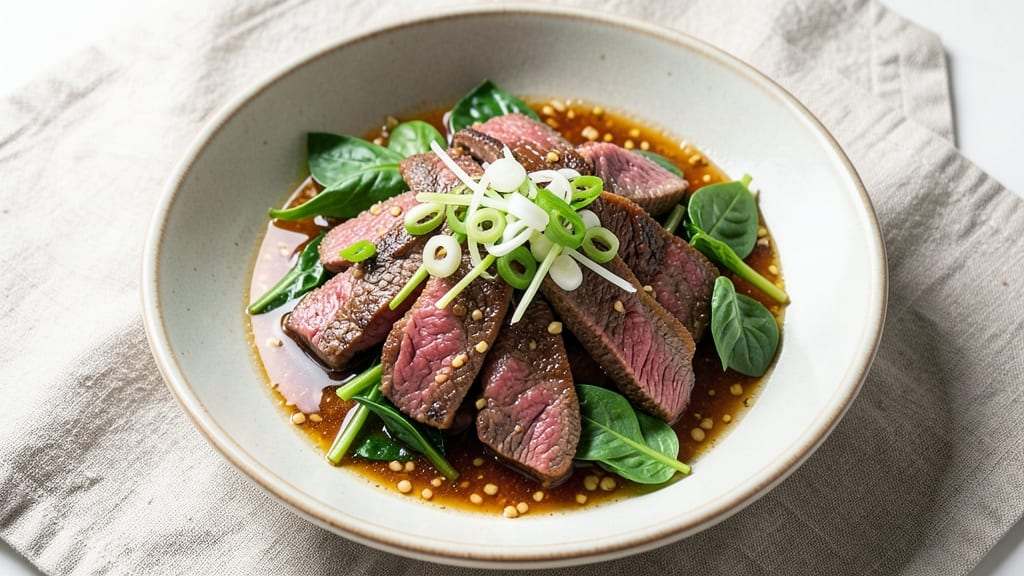
This beef and pechay recipe delivers the perfect balance of tender beef and silky greens in a single, flavorful dish that’s become a staple in Filipino kitchens.
The secret lies in the quick sear of the beef—transforming tough cuts into fork-tender slices—paired with just the right amount of garlic, soy, and a touch of vinegar to brighten the flavors.
It’s a complete meal that comes together in under 30 minutes, making it ideal for weeknights or lazy weekends when you crave something hearty yet effortless.
The magic happens in the wok, where high heat caramelizes the beef while preserving its moisture, and the pechay (Chinese cabbage) wilts into tender, silky strands without losing its crispness.
A simple sauce—built from soy sauce, vinegar, and a hint of sugar—ties everything together, creating a dish that’s savory, slightly tangy, and deeply satisfying. The result is a plate that’s as visually appealing as it is delicious, with vibrant greens contrasting beautifully against the rich, caramelized beef.
What makes this recipe stand out is its versatility—serve it over steamed rice for a classic Filipino-style meal, or enjoy it as-is for a quick, protein-packed lunch.
The flavors develop best when the dish sits for a few minutes after cooking, allowing the sauce to meld with the beef and greens. It’s the kind of recipe that feels restaurant-quality but is simple enough to make at home, with minimal prep and no complicated techniques.
Perfect for feeding a family or meal prepping for the week, this beef and pechay dish proves that bold flavors and ease can go hand in hand. Whether you’re a seasoned home cook or just starting out, this recipe is designed to impress without stress. Let’s get cooking!
Ingredients for beef and pechay
Eight ingredients, one wok, and a dish that tastes like Filipino home cooking magic.
| Ingredient | Amount | Notes |
|---|---|---|
| Flank Steak 🥩 | 1 lb | Thinly sliced against the grain |
| Pechay (Chinese Cabbage) 🥬 | 1 whole | Cut into 1-inch ribbons |
| Garlic Cloves 🧄 | 6 cloves | Minced finely |
| Green Onions 🧅 | 4 whole | Sliced into 1-inch pieces |
| Soy Sauce 🍶 | ½ cup | Light or all-purpose |
| Cane Vinegar 🍶 | 2 tbsp | Or rice vinegar |
| Granulated Sugar 🍚 | 1 tbsp | Adjust to taste |
| Vegetable Oil 🫒 | 2 tbsp | High smoke point |
| Black Peppercorns 🌶️ | ½ tsp | Freshly cracked |
| Salt 🧂 | 1 tsp | Kosher or sea salt |
| Sesame Oil 🫒 | 1 tsp | For finishing |
| Toasted Sesame Seeds 🌾 | 1 tbsp | For garnish |
The flank steak is non-negotiable here—it’s lean but tender when sliced thin against the grain. Ask your butcher to slice it if you’re not comfortable with a sharp knife, or grab pre-sliced beef from the Asian market freezer section. Trader Joe's often carries it prepped this way, saving you time. Look for good marbling, but don’t stress if it’s not perfect—just slice it thin. The pechay? Freshness is key—avoid wilted leaves, and if you can’t find it, regular green cabbage in a pinch will work, though it won’t be as silky. I grab mine at H Mart or the produce section of any Asian grocery store.
No cane vinegar? Rice vinegar or apple cider vinegar will do—just use the same amount. The sugar balances the acidity, so don’t skip it, but adjust to taste if you’re serving kids or health-conscious eaters. Penzeys Spices has amazing vinegars if you want to splurge, but the cheap stuff works too. Garlic can be roasted ahead for a sweeter flavor—toss whole cloves in oil at 400°F for 10 minutes, then mince. The sesame oil and seeds add that authentic touch, but if you’re avoiding sesame allergies, toasted pumpkin seeds make a great swap. Black peppercorns? Crack them fresh—pre-ground loses punch fast.
This dish reheats beautifully—just add a splash of water and a quick stir-fry. Keeps for 3-4 days in the fridge, and freezes for 2 months if you portion it into airtight containers. I always make extra because it’s perfect for meal prep—toss with rice and pack it for lunches. The flavors actually get better the next day as everything melds. Store the sesame oil separately if you’re prepping ahead—add it fresh when serving to keep that bright aroma.
Why You'll Love This Recipe
- No-Fuss Slice-and-Season: I swear by this—just thinly slice the flank steak, toss in the pechay, and let the garlic and soy sauce work their magic. No fancy techniques, no stress. Honestly, the hardest part is deciding whether to eat it immediately or wait.
- Umami Bomb: That first bite? The tender beef with its caramelized edges, the crisp-tender pechay, and the punch of garlic and soy—it’s the kind of flavor that lingers. I’ll be real: my husband still asks for seconds even after we’ve both had two helpings.
- Lunchbox Hero: Between us, this is my secret weapon for packed lunches. The flavors stay vibrant for days, and the pechay holds up better than lettuce. Toss it cold, or reheat it for a quick dinner—either way, it’s a win.
- Budget-Friendly Powerhouse: Flank steak stretches further than you’d think, and pechay lasts forever in the fridge. I’ve fed four people for under $15, and we’re all happy. Plus, leftovers taste just as good reheated—no sad, dry meat here.
Step-by-step instructions for wok-sizzled beef with silky greens
This dish delivers restaurant-quality flavor in your own kitchen—crispy beef, tender pechay, and a perfect balance of savory-sweet sauce.
Prep the Beef and Aromatics
Slice the 1 lb flank steak thinly against the grain into ¼-inch strips—this ensures tender bites. Pat dry with paper towels to remove any moisture, which helps the beef sear properly. In a small bowl, combine the 6 cloves minced garlic, 4 whole sliced green onions, ½ cup soy sauce, 2 tablespoons cane vinegar, 1 tablespoon granulated sugar, ½ teaspoon cracked black peppercorns, and 1 teaspoon salt. Mix well and let the marinade sit for 10 minutes while you prep the pechay.
Cut the 1 whole pechay into 1-inch ribbons and rinse under cold water to remove any dirt. Drain well and pat dry—wet greens will steam instead of wok-sizzle. Here's the thing—don't skip the drying step. The pechay needs to get crispy around the edges, and moisture is the enemy of that perfect texture.
Sear the Beef in Stages
Heat a wok or large skillet over high heat until it's smoking hot. Add 2 tablespoons vegetable oil and swirl to coat. Working in batches (don't overcrowd), add the beef strips and sear for 1-2 minutes per batch until they turn deep brown and develop a caramelized crust. Remove the beef and set aside—it'll finish cooking later.
This two-stage cooking method is key. First, we get that incredible Maillard reaction on the beef for maximum flavor. Then, we'll finish it gently with the pechay so it stays tender. If your pan isn't hot enough, the beef will steam instead of sear. You'll know it's ready when the oil shimmers and the beef releases easily from the pan.
Wok-Sizzle the Pechay
In the same wok (no need to clean it—the browned bits add flavor), add the pechay ribbons in a single layer. Stir-fry for 1-2 minutes until the edges begin to wilt and turn bright green. This quick cooking preserves the pechay's crisp-tender texture—don't let it turn mushy. Push the greens to one side of the wok.
Add the reserved beef back to the wok along with the marinade. Stir everything together for 1-2 minutes until the pechay is bright green, the beef is cooked through, and the sauce has slightly thickened. The beef should be tender with no pink center when sliced. If the sauce looks too thin, let it cook down for another 30 seconds—the heat will help it thicken naturally.
Finish with Flavor Bombs
Reduce the heat to medium-low and drizzle in 1 teaspoon sesame oil. Stir gently to coat everything evenly. The sesame oil adds a nutty depth that ties all the flavors together. Taste and adjust seasoning—you might need a little more soy sauce for saltiness or a touch of sugar to balance any acidity from the vinegar.
Remove from heat and sprinkle with 1 tablespoon toasted sesame seeds. These little flavor bombs add crunch and visual appeal. Serve immediately while the pechay is still crisp-tender and the beef is piping hot. This dish tastes best straight from the wok—every bite should deliver that perfect combination of crispy beef, silky greens, and umami-packed sauce.
Pro Tips For Making Beef And Pechay
- SLICE THIN AND LONG: Flank steak’s tough fibers need to be cut against the grain—look for the long muscle lines and slice at a 45-degree angle into paper-thin strips. I used to overcook this part, and the meat turned chewy. Now I slice it first, then marinate, and the texture stays tender.
- BLANCH PECHAY FIRST: Toss whole pechay leaves in boiling water for 30 seconds before stir-frying—this softens them just enough to wilt properly without turning to mush. I learned this the hard way when my cabbage stayed stubbornly crisp. Drain and shock in ice water to stop cooking.
- DON’T OVERCROWD THE PAN: Stir-fry beef in batches if your wok’s too small—packed meat steams instead of searing, and you’ll end up with soggy garlic. A hot pan with a little oil should sizzle when the beef hits it. Crowding is the fastest way to ruin that crisp edge on the meat.
- USE DOUBLE SOY SAUCE: Split your soy sauce into two portions: half for marinating, half for stir-frying. The marinade tenderizes, while the extra splash in the pan caramelizes for depth. I was skeptical until I tried it—suddenly, the sauce had real richness instead of just saltiness.
Essential equipment for great beef and pechay
Wok Essentials
A carbon steel wok is my go-to for this recipe—it heats up fast and retains heat like a dream. I swear by the De Buyer 14-inch for its even heat distribution and durable construction.
If you're on a budget, a stainless steel wok from Made In works too, though it takes a little longer to get screaming hot. For non-wok users, a heavy-bottomed cast iron skillet (like Lodge) is a great alternative.
Just make sure it's large enough to hold all ingredients without crowding. 🔥
High-Heat Tools
You'll need a long-handled spatula—I use a stainless steel wok spatula from Winco—to stir-fry efficiently. A tongs set (like OXO Good Grips) helps with tossing the pechay without breaking it. For precise control, a fish spatula works wonders for sliding ingredients around the wok.
Avoid plastic utensils—they can melt under high heat. A wire cooling rack is also handy for draining excess oil from the beef after searing.
Prep Gear
Invest in a sharp chef's knife (I love the Mac Knife 8-inch) for cleanly slicing the flank steak against the grain. A cutting board with non-slip feet (like John Boos bamboo) prevents accidents. For mincing garlic, a garlic press saves time, but a microplane gives you finer control.
Don't forget a fine-mesh strainer if you need to drain the pechay thoroughly—wet greens ruin the texture. A small mixing bowl (like Pyrex glass) keeps your marinade organized.
Heat Control
A thermometer (I use the Thermoworks Smoke) ensures your wok reaches high heat—aim for 450°F or higher for that perfect sear. If you don't have one, watch for smoke—just before it starts smoking is your sweet spot.
A heat diffuser (like Presto) helps prevent burning if your stove runs hot. For gas stoves, a wok burner (like King Kooker) gives you more control over flame intensity. Electric stoves work too, but you may need to preheat longer.
Finishing Touches
Keep sesame oil and toasted sesame seeds on hand in small containers—I use amber glass bottles to preserve their freshness. A fine-mist spray bottle with water helps quickly refresh wilted pechay if needed.
For storage, glass airtight containers (like Rubbermaid) keep leftovers fresh. And finally, a small whisk (like OXO Good Grips) helps emulsify any extra sauce if you're making a bigger batch. 💫
Nutrition facts
Frequently asked questions
Can I substitute flank steak with another cut of beef?
Yes! Sirloin or ribeye work well—just slice them thin against the grain for tenderness. Avoid tough cuts like chuck unless you marinate them for 2+ hours first. For extra-lean options, try top round, but it may need slightly longer cooking to stay tender. Always pat dry before searing to get that perfect crust.
What if I can't find pechay at my grocery store?
No problem! Use green cabbage or bok choy as substitutes—they'll add a different texture but still work. For a closer match, try Chinese cabbage (napa cabbage) cut into ribbons. If using bok choy, reduce cooking time to 1 minute since it wilts faster. The flavor won't be identical, but the dish will still be delicious.
How do I make this recipe spicier? Add ½ teaspoon ground chili flakes or 1 teaspoon sriracha to the marinade for mild heat. For serious spice, stir in 1 chopped Thai chili with the garlic or finish with 1 teaspoon chili crisp before serving.
Can I make this dish ahead of time?
Cook the beef and pechay as directed, then store in an airtight container in the fridge for 3-4 days. Reheat over medium heat with a splash of water to restore moisture. For best texture, add fresh sesame oil and seeds when serving. The flavors actually improve overnight as everything melds together. For freezing, portion into single-serving containers and freeze for up to 2 months.
Why did my pechay turn mushy?
This usually happens from overcooking or wet greens. Always pat pechay dry before cooking and stir-fry for only 1-2 minutes at high heat. If using pre-cut pechay, give it an extra rinse and dry thoroughly. For extra crispness, add the greens back to the wok for just 30 seconds at the very end. The key is high heat and quick cooking—don't let it sit in the wok!