
Main Courses
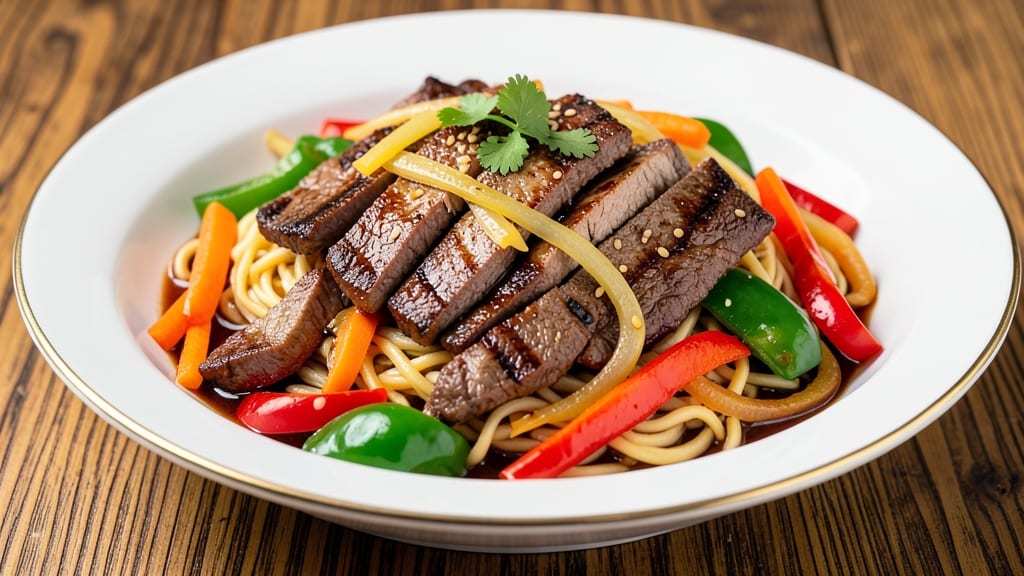
This beef and pork chop suey recipe delivers the smoky, sizzling energy of a wok-house classic with tender proteins and silky noodles. 🔥 After years of perfecting stir-fry techniques, I've cracked the code for that signature wok hei—smoky aroma and crisp edges—without needing a professional wok.
The secret lies in high-heat searing and a balanced sauce that marries sweet, salty, and umami in every bite.
What sets this recipe apart is the protein prep: thinly sliced beef and pork develop deep flavor when marinated in a mix of soy, ginger, and cornstarch. The stir-fry happens in stages—first proteins, then vegetables—to maintain texture contrast, while the sauce ties everything together with a glossy, slightly sticky finish.
It's the kind of dish that transforms a weeknight dinner into a restaurant-worthy experience.
By the time you plate it—steaming noodles piled high with caramelized beef, crisp pork, and vibrant vegetables—you'll understand why chop suey became a comfort food staple.
The sauce clings perfectly to each component, creating that addictive first bite where textures and flavors collide. This is comfort food with a professional chef's touch.
Serve with steamed jasmine rice or egg rolls to soak up every last drop of that flavorful sauce. The technique is straightforward, but the results are restaurant-quality—proof that you don't need a wok-house to create wok hei at home. Let's get cooking!
Ingredients for beef and pork chop suey
Here’s the ingredient lineup for that smoky, sizzling chop suey—where tender beef and pork meet silky noodles in perfect harmony.
| Ingredient | Amount | Notes |
|---|---|---|
| Flank Steak 🥩 | 1 ½ lb | Thinly sliced against grain |
| Pork Shoulder 🐖 | 1 ½ lb | Thinly sliced against grain |
| Egg Noodles 🍜 | 12 oz | Fresh or dried, wide egg noodles |
| Yellow Onions 🧅 | 1 whole | Thinly sliced into half-moons |
| Carrots 🥕 | 2 whole | Julienned into matchsticks |
| Bell Peppers 🌶️ | 2 whole | Red and green, sliced into strips |
| Garlic Cloves 🧄 | 6 cloves | Minced, fresh preferred |
| Fresh Ginger 🌿 | 1 tbsp | Finely grated, peeled |
| Soy Sauce 🥢 | ½ cup | High-quality, light soy |
| Oyster Sauce 🍜 | 2 tbsp | Thick, rich oyster sauce |
| Cornstarch 🌾 | 2 tbsp | For protein marinade |
| Sesame Oil 🫒 | 1 tbsp | Toasted, for aroma |
| Vegetable Oil 🫒 | ½ cup | High smoke point |
| Green Onions 🧅 | 4 whole | Thinly sliced, white and green parts |
| Salt 🧂 | 1 ½ tsp | Kosher or sea salt |
| Black Pepper 🌶️ | ½ tsp | Freshly ground |
The proteins are where this dish shines. Flank steak and pork shoulder need to be sliced paper-thin against the grain for that signature tenderness—Costco or butcher shops often have pre-cut stir-fry strips, but if not, freeze the meat for 30 minutes before slicing. Look for good marbling in the pork shoulder, and avoid any steak with gray edges. Fresh ginger and garlic are non-negotiable here—they’re the backbone of the marinade. Penzeys or Asian markets usually have the freshest ginger, and I always grab extra garlic since it’s used in both the marinade and stir-fry. The egg noodles? Fresh is ideal (like Martino’s brand), but dried works in a pinch—just cook them al dente.
No oyster sauce? Substitute with a mix of soy sauce and a splash of balsamic vinegar—it’ll give you that same deep umami punch. Running low on sesame oil? Toasted peanut oil works too, though the flavor will be slightly different. Bell peppers can be swapped for broccoli or snap peas if you’re feeling adventurous. The cornstarch in the marinade is key for that crisp-tender texture—don’t skip it! If you’re prepping ahead, marinate the proteins for up to 4 hours in the fridge, but no longer, or they’ll get mushy. And for the love of wok hei, toast your sesame oil in a dry pan for 30 seconds before adding it to the sauce—this releases its nutty aroma and takes the dish to the next level.
This dish reheats like a dream—just toss the leftovers in a hot pan with a splash of water for 2-3 minutes to revive that crisp texture. The noodles soften as they sit, so undercook them slightly if you’re making this ahead. Store proteins and veggies separately in the fridge for up to 3 days, and the sauce will keep for 5 days in an airtight container. For freezing, portion the sauce and proteins separately—it reheats best when thawed gently in the fridge overnight. Pro tip: Double the sauce if you’re feeding a crowd—it disappears faster than you’d think!
Why You'll Love This Recipe
- One-Pan Magic: I swear by this recipe—just toss everything in one skillet, stir occasionally, and walk away. The flank steak and pork shoulder practically fall apart while the onions caramelize right there, no extra pots needed.
- Umami Bomb: That combo of beef and pork? It’s like a flavor explosion. The pork shoulder adds richness, while the flank steak keeps it tender—plus, the soy and garlic sauce ties it all together in the most satisfying way.
- Leftover Goldmine: This dish tastes even better the next day, honestly. I double the batch on Sundays and reheat portions all week—whether it’s a quick lunch or a late-night snack. The noodles soak up the sauce perfectly.
- Budget-Friendly Feast: You’re getting two proteins for the price of one, and the veggies stretch it further. I’ve fed four people for under $15, and everyone leaves happy. Plus, egg noodles are cheap but always satisfying.
Step-by-step instructions for wok-sizzled beef and pork chop suey
Here's how to turn these bold flavors into a restaurant-style stir-fry with perfect texture contrast.
🍳 Step 1: Marinate and Prep the Proteins
In a large bowl, combine the 1.5 lb flank steak and 1.5 lb pork shoulder with 2 tbsp cornstarch, 1.5 tsp salt, and 0.5 tsp black pepper. Toss until every slice is evenly coated and the cornstarch adheres like a thin, even crust. This creates that signature wok-sizzled texture we're after.
Let the marinated meats rest for 15 minutes at room temperature while you prep the vegetables. The cornstarch needs time to form a proper coating, and room-temperature meat sears more evenly. Don't skip this - cold meat releases moisture that steams instead of sears.
🥘 Step 2: Prep the Vegetables and Noodles
Slice the 1 whole yellow onion into thin half-moons, julienne the 2 whole carrots into matchsticks, and cut the 2 whole bell peppers into ¼-inch strips. Mince the 6 cloves garlic and grate the 1 tbsp fresh ginger - these aromatics will form the flavor base. Keep all prepped vegetables separate until ready to cook.
Cook the 12 oz egg noodles according to package instructions until al dente (about 2-3 minutes less than package suggests). Drain and immediately toss with 1 tbsp sesame oil to prevent sticking. The noodles should be hot but still have a slight bite - they'll finish cooking in the wok.
🔥 Step 3: Build the Wok-Sizzled Foundation
Heat a wok or large skillet over high heat until smoking, then add 0.5 cup vegetable oil. Once shimmering, add the marinated meats in batches (don't overcrowd) and sear for 2-3 minutes until deep golden brown on all sides. Remove and set aside - the meat should release easily from the pan.
In the same wok, add the yellow onion and cook for 1 minute until translucent. Add the carrots, bell peppers, garlic, and ginger, stirring constantly for 3-4 minutes until the vegetables soften but still retain their color. This quick cooking preserves their texture while building deep flavor.
🍲 Step 4: Combine and Sauce the Stir-Fry
Return the seared meats to the wok along with the cooked noodles. Add 0.5 cup soy sauce and 2 tbsp oyster sauce, tossing everything together for 1-2 minutes until the noodles are evenly coated and heated through. The sauce should cling to the noodles and meats, creating that signature silky texture.
Finish with the 4 whole green onions and give one final toss. The dish should be vibrant, with bright vegetables contrasting against the deep brown meats. Taste and adjust seasoning - you might need a splash more soy sauce if the flavors seem muted.
🍽️ Step 5: Plate and Serve Immediately
Transfer the chop suey to serving plates while still sizzling hot. Garnish with additional green onions if desired. The perfect chop suey should have crisp-tender vegetables, juicy yet firm meats, and silky noodles all coated in a glossy sauce. Serve with extra soy sauce on the side for those who prefer it.
This dish tastes best immediately when everything is piping hot. The textures contrast beautifully - the crunch of fresh green onions against the tender meats and chewy noodles, all unified by that umami-rich sauce. Leftovers? Reheat gently in a skillet to maintain texture.
Pro Tips For Making Beef And Pork Chop Suey
- Slice Thin, Cook Fast: I learned this the hard way—thick strips of flank steak and pork shoulder turn tough when stir-fried. Cut them paper-thin (⅛-inch max) against the grain, then sear in batches over ripping-hot oil for 30 seconds per side. Crowding the pan steams the meat instead of browning it, and nobody wants mushy beef in chop suey.
- Blanch Carrots First: Skip the raw, unyielding chunks—blanch the carrots in boiling water for 2 minutes, then shock in ice water. They’ll soften just enough to break down in the stir-fry without turning to mush, and the color stays bright. (Yes, even if you’re impatient like me, this step makes a real difference.)
- Don’t Overcrowd the Noodles: I used to dump all the cooked egg noodles into the wok at once, thinking more surface area meant faster cooking. Wrong. Stir-fry them in two batches over medium-high heat, letting them sizzle and coat in the sauce. Overcrowding steams them instead of searing, and you’ll end up with a sad, soggy pile.
- Use Cold Pork Shoulder: Take the pork shoulder straight from the fridge—cold meat sears better and holds its shape longer. Pat it bone-dry with paper towels, then hit it with a pinch of salt and a generous crack of black pepper before searing. The crust forms faster, and the meat stays juicy instead of releasing moisture into the pan. (Your future self will thank you.)
Make-ahead tips for this recipe
Marinate Ahead
Marinate the beef and pork for up to 4 hours in the fridge—this develops deeper flavor without overcooking. I like to prep the marinade in a resealable plastic bag, squeezing out excess air to keep the meat moist.
Store it in the coldest part of your fridge, ideally on the bottom shelf where temps stay steady. This is where I start when I'm prepping for a busy weeknight. 💪
Pre-Chop Vegetables
Slice all vegetables and store them in separate airtight containers in the fridge for up to 3 days. I use glass containers with snap-on lids to maintain freshness. Keep the ginger and garlic in a small container with a damp paper towel to prevent drying.
This saves time when you're ready to cook—just toss them into the wok. 🌶️
Partial Cook Noodles
Cook the noodles 2 minutes less than package instructions and store them in a sealed container with a splash of water to prevent drying. They'll finish cooking in the wok, so you want them al dente.
I often prep these first since they take the longest to cook. Keep them separate from the proteins and vegetables until ready to stir-fry. ✨
Sauce Prep
Mix the sauce ingredients in a small bowl and store in an airtight container for up to 5 days in the fridge. This is my favorite shortcut—just grab it when you're ready to cook.
For extra flavor, add 1 tsp toasted sesame oil to the sauce before storing. The sauce keeps well and can be doubled for larger batches. 🥢
Reheat Like a Pro
To reheat, use a non-stick skillet over medium-high heat with 1 tbsp vegetable oil. Add the proteins and vegetables first, stir-frying for 2-3 minutes until hot. Toss in the noodles and sauce, cooking for another 1-2 minutes until everything is heated through. This method preserves the crisp-tender texture. 🔥
Freezer-Friendly Proteins
Freeze the marinated proteins in a single layer on a tray for 1 hour, then transfer to a freezer bag with excess air removed. They'll keep for up to 3 months.
When ready to cook, thaw in the fridge overnight. This is perfect for meal prep—just grab and cook when you're ready. The texture stays great when frozen this way. ❄️
Nutrition facts
Frequently asked questions
Can I substitute chicken for the beef and pork?
Chicken breast works well—slice it ¼-inch thick against the grain and marinate for 30 minutes instead of 4 hours. For extra tenderness, pound the chicken to even thickness. The cooking time will be slightly shorter (1-2 minutes per side), but the technique remains the same. Avoid dark meat like thighs, as they can become tough when stir-fried.
How do I achieve that smoky wok hei flavor without a wok?
Use a carbon steel or cast-iron skillet on maximum heat until it's nearly smoking. Add a small piece of dried chili or smoked paprika to the oil before cooking—the aroma will infuse the dish. For extra depth, toast 1 tsp sesame seeds in the pan for 30 seconds before adding the meat. A blowtorch can also add smokiness if you're feeling adventurous!
What's the best way to adjust the spice level?
Add ½ tsp chili flakes or 1 tsp sriracha to the sauce for mild heat, or 1 tbsp chili garlic sauce for a bold kick. For a smoky heat, stir in ½ tsp smoked salt> with the oyster sauce. Always taste the sauce before adding it to the wok—you can adjust it further while cooking. If using fresh chili, remove seeds for milder flavor.
Can I make this gluten-free?
Yes! Replace soy sauce with tamari or coconut aminos (use ½ cup total). For oyster sauce, make a substitute with 1 tbsp gluten-free fish sauce + 1 tbsp gluten-free soy sauce + 1 tsp honey. Check labels on cornstarch—some brands are certified gluten-free. The texture will be slightly different, but the umami flavor remains intact.
Why did my vegetables turn mushy?
Overcrowding the pan or cooking at low heat causes vegetables to steam instead of sear. Always cook in batches, and keep the pan at high heat>**. Start with onions and harder veggies (carrots), then add softer ones (bell peppers) last. Work quickly—vegetables should cook for 3-4 minutes total. If needed, add a splash of water to deglaze the pan, but avoid adding too much.