
Side Dishes
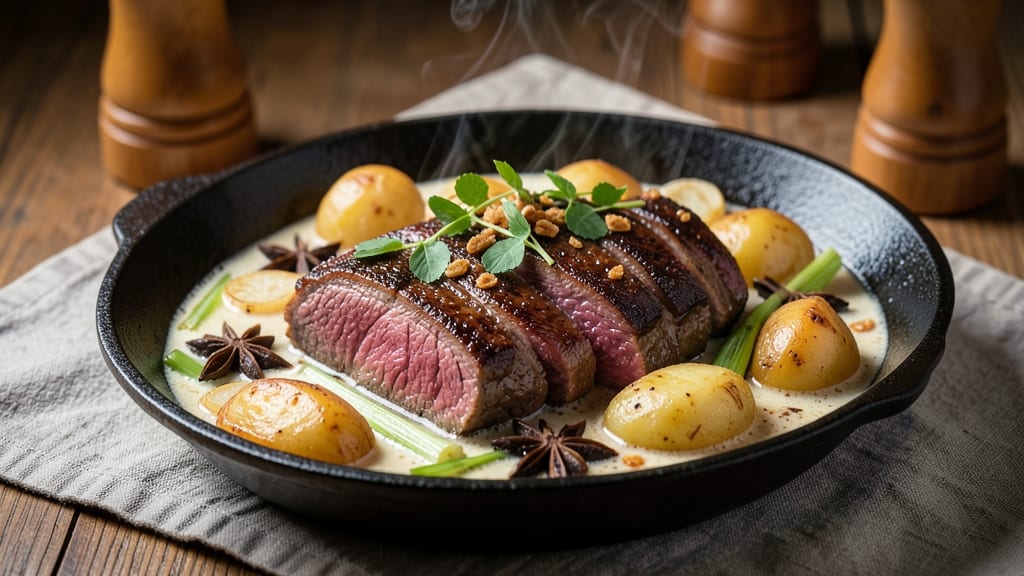
This Vietnamese beef and potatoes recipe brings the hearty, aromatic flavors of bò kho—a slow-braised classic—that transforms tough cuts into tender, caramelized perfection. The secret lies in lemongrass, fish sauce, and star anise, simmered until the potatoes are fork-tender and the beef melts in your mouth.
I developed this version after years of refining the balance between sweet, savory, and umami, ensuring every bite delivers that restaurant-quality depth at home.
What sets this dish apart is the caramelized crust on the potatoes, achieved through a slow braise that develops rich, glossy edges while keeping the beef juicy.
Traditional Vietnamese techniques—like layering spices in the broth and finishing with a splash of coconut milk—elevate the flavors without overpowering the natural taste of the beef. The result? A dish that’s comforting yet sophisticated, perfect for family dinners or special occasions.
The beauty of this recipe is its versatility: serve it as a standalone meal with steamed jasmine rice or pair it with pickled vegetables and fresh herbs for a full Vietnamese spread.
The aromatic broth alone makes it unforgettable, but the tender beef and crispy potatoes are what turn it into a showstopper. Ready in about 2 hours (mostly hands-off time), it’s ideal for busy weeknights when you crave something hearty yet impressive.
Whether you're recreating a nostalgic family recipe or exploring Vietnamese cuisine for the first time, this dish delivers authentic flavors with a modern twist. The key is patience—letting the spices meld and the meat break down slowly.
Trust the process, and you’ll have a dish that’s as rewarding to make as it is to eat.
Ingredients for beef and potatoes vietnamese
Heartier than it looks—these 14 ingredients pack the rich, aromatic punch of Vietnamese comfort food.
| Ingredient | Amount | Notes |
|---|---|---|
| Chuck Roast 🥩 | 2 lb | Cut into 1.5-inch cubes |
| Russet Potatoes 🥔 | 2 lb | Cut into 1-inch chunks |
| Lemongrass Stalk 🌿 | 1 whole | Bruised and cut into 2-inch pieces |
| Star Anise Pods 🌶️ | 2 whole | Lightly crushed |
| Fish Sauce 🍶 | 2 tbsp | Red Boat brand preferred |
| Coconut Milk 🥥 | 1 can | 13.5 oz can, full-fat |
| Garlic Cloves 🧄 | 6 cloves | Peeled and smashed |
| Shallots 🧅 | 3 whole | Peeled and sliced |
| Olive Oil 🫒 | ½ cup | Extra-virgin for richness |
| Brown Sugar 🍯 | 2 tbsp | Light or dark |
| Salt 🧂 | 1 ½ tsp | Diamond Crystal kosher |
| Black Peppercorns 🌶️ | 1 tsp | Freshly cracked |
| Fresh Cilantro 🌿 | ¼ cup | Chopped for garnish |
| Green Onions 🧅 | 4 whole | Sliced for garnish |
The beef is non-negotiable here—chuck roast with good marbling breaks down beautifully. Costco or Trader Joe's usually carry pre-cubed chuck, which saves time. For the potatoes, Russets hold their shape best (no waxy reds here). Lemongrass is the soul of this dish—look for stalks with tight, pale leaves at Asian markets. If you can't find fresh, Thai Kitchen paste works in a pinch, but fresh is worth hunting down. Star anise? Penzeys or bulk bins at Whole Foods have the best quality.
No fish sauce? Soy sauce plus a dash of anchovy paste gets you close, but it won't be authentic. Coconut milk can be swapped for light cream or evaporated milk, though the texture will be less velvety. Short on shallots? Extra garlic plus a pinch of onion powder works. The brown sugar adds depth—muscovado or turbinado adds caramel notes if you're feeling fancy. Fresh herbs? Dried cilantro at half the amount is better than skipping them entirely. For the olive oil, avoid light varieties—you want peppery, fruity notes to shine through.
This dish tastes even better the next day—make a double batch if you can. Store in the fridge for 4-5 days or freeze portions for 3 months. The broth thickens as it cools, so add a splash of water when reheating. Garnish with fresh herbs right before serving—they wilt fast once chopped. For leftovers, reheat gently over low heat to preserve that caramelized crust on the potatoes. Trust me, the smell alone will have everyone gathering at the table.
Why You'll Love This Recipe
- One-Pot Magic: I swear by this—just toss everything in one pot, walk away, and let the star anise and lemongrass work their slow-cooked charm. No chopping, no fussing, no extra pans. The potatoes practically peel themselves after simmering.
- Umami Bomb: That fish sauce and star anise combo? It’s the secret weapon. The beef gets this deep, savory richness while the potatoes soak up just enough to stay tender but not soggy. Honestly, the first bite makes me close my eyes.
- Weeknight Workhorse: Between us, this is my go-to for lazy nights or when friends drop by unannounced. The leftovers? Even better the next day. I’ll take it to potlucks, pack it for lunch, or reheat it straight from the fridge—no one ever complains.
- Budget-Friendly Feast: Chuck roast and russets are cheap, but they feel like a splurge. A single lemongrass stalk and a few star anise pods stretch the flavor across multiple meals. I’ll be real: my grocery bill thanks me every time.
Step-by-step instructions for Vietnamese beef and potatoes
Here's how to create this aromatic dish with deep caramelized flavors and tender textures.
Prepare the Aromatic Base
Heat the 0.5 cup olive oil in a large Dutch oven over medium heat. Add the 3 whole shallots and 6 cloves garlic and sauté for 3-4 minutes until the shallots turn translucent and the garlic begins to color. This is where all the magic starts - those aromatic compounds are the foundation of your dish.
Add the 2-inch pieces of bruised lemongrass stalk and lightly crushed star anise pods to the pot. Cook for another 2 minutes until the lemongrass releases its citrusy fragrance. You'll know it's working when the kitchen fills with that distinctive lemongrass aroma - this is your first sensory checkpoint. Remove the lemongrass and star anise after cooking and set aside for garnish if desired.
Sear the Chuck Roast and Potatoes
Increase heat to medium-high and add the 2 lb chuck roast cubes in a single layer. Don't crowd the pan - work in batches if needed. Sear each piece for 2-3 minutes per side until they develop a deep golden-brown crust. This caramelization creates the rich, complex flavors that define this dish.
Remove the beef and set aside. In the same pot, add the 2 lb russet potatoes in a single layer. Cook for 10-12 minutes, turning occasionally, until they develop golden-brown spots in several places. The potatoes should be tender when pierced with a fork but still hold their shape. This dual-searing technique ensures both components develop that perfect caramelized crust while remaining tender inside.
Build the Lemongrass-Coconut Sauce
Reduce heat to medium-low and add the 2 tbsp brown sugar to the pot, stirring to combine with the fond at the bottom. Cook for 1 minute until the sugar begins to caramelize slightly. This step deepens the flavor profile by creating a subtle sweet-savory balance.
Pour in the 1 can coconut milk and 2 tbsp fish sauce, scraping up any browned bits from the bottom of the pot. Add the 1.5 tsp salt and 1 tsp black peppercorns, then bring to a gentle simmer. Let it cook for 5 minutes to allow the flavors to meld together. The sauce should be slightly thickened but still pourable - if it's too thick, add 2-3 tablespoons of water to reach your desired consistency.
Finish and Combine
Return the seared beef and potatoes to the pot, gently stirring to coat everything in the coconut sauce. Cover and simmer on low heat for 30-40 minutes, stirring occasionally, until the beef is fork-tender and the potatoes are completely cooked through. The beef should pull apart easily with a fork, indicating it's reached the perfect tenderness.
Once everything is cooked, remove from heat and let it rest for 5 minutes. This resting period allows the juices to redistribute throughout the dish, ensuring each bite is moist and flavorful. Garnish with the chopped 0.25 cup fresh cilantro and 4 whole sliced green onions just before serving to add freshness and visual appeal.
Pro Tips For Making Beef And Potatoes Vietnamese
- CRUSH THE LEMONGRASS FIRST: I used to just toss in whole stalks and wonder why the flavor was weak—lemongrass needs to be bruised. Hit the stalks with the flat side of your knife 3-4 times before slicing, or smash them lightly with a rolling pin. This releases the oils that’ll actually infuse the beef and potatoes, not just sit there looking pretty.
- SALT THE POTATOES BEFORE COOKING: Don’t wait until the end to season—toss the peeled Russets with 1 tsp salt per pound before they hit the pot. This ensures they absorb flavor evenly and don’t turn out bland. (Yes, even if you’re in a hurry—I know, I know, but trust me on this.)
- LOW AND SLOW FOR THE BEEF: Chuck roast needs patience—don’t rush it. After searing, drop the heat to 275°F (135°C) and let it cook for 3-4 hours until fork-tender. The slow cook transforms it from chewy to melt-in-your-mouth, and skimming fat occasionally keeps the broth from turning greasy.
- USE STAR ANISE EARLY, REMOVE LATE: Toss the star anise into the pot with the aromatics, but fish it out right before serving. It adds depth to the broth, but if left in too long, it can overpower the dish with a bitter edge. I learned this after one disastrous batch where I forgot to strain it—now I set a timer.
Common mistakes when making your beef and potatoes vietnamese
Overcrowding the Pot
One of the biggest mistakes is overcrowding your Dutch oven when searing the beef and potatoes. When you pack too many pieces in at once, they'll steam instead of develop that crucial caramelized crust.
I've learned the hard way—once I tried searing all the beef at once and ended up with pale, bland pieces. Work in batches: sear the beef in two rounds if needed, then do the same with the potatoes.
This ensures each piece gets that golden-brown sear that's essential for flavor. 🔥
Skipping the Resting Time
After the long simmer, it's tempting to dig in immediately. But rushing this dish means missing out on the 5-minute rest that lets the juices redistribute. I've served it straight from the pot only to get complaints about dry beef.
That resting time is non-negotiable—it's what turns good into great. Use this time to prep your rice or garnish your plate.
Using Waxy Potatoes
Russet potatoes are your best friend here—they hold their shape and develop that perfect caramelized crust. I once used red potatoes thinking they'd be quicker, but they turned to mush.
Stick with Russets for this recipe. If you must use another variety, Yukon Golds are your second choice, but they'll be slightly creamier rather than crispy.
Fish sauce is the soul of Vietnamese cooking, but it's easy to underestimate its impact. I've seen people use too little and end up with bland broth. Start with the 2 tbsp called for, then taste and adjust—you can always add more, but you can't take it out. The Red Boat brand is my go-to because it's clean and flavorful without being overpowering. That browned bits stuck to your pot—the fond—are flavor gold. Many people scrape them out or don't deglaze properly. When you add the coconut milk and fish sauce, scrape up every bit of that caramelized goodness. It adds depth that's impossible to recreate otherwise. Use a wooden spoon to get every last bit before adding the liquids. 🌟 Tough, dry beef ruins everything. The chuck roast should be fork-tender, not falling apart completely. I've had to rescue overcooked beef by shredding it and adding it to pho broth—don't let that happen to you. Check the internal temperature with a meat thermometer when it reaches 195-200°F, then remove it from heat. The residual heat will finish cooking it perfectly during the resting period.Underestimating the Fish Sauce
Ignoring the Fond
Overcooking the Beef
Nutrition facts
Frequently asked questions
Can I substitute chuck roast with another beef cut?
Yes, but choose carefully! Brisket or short ribs work well—they're fatty enough to stay tender during the long braise. Avoid lean cuts like sirloin, which can dry out. If using brisket, trim excess fat first to prevent greasiness in the sauce.
How do I make this dish spicier?
Add 1-2 tbsp of sambal oelek or 1 tsp of cayenne pepper when building the sauce, or stir in 1 sliced Thai chili during the final simmer. For heat without spice, increase the fish sauce to 3 tbsp—it adds umami depth that enhances perceived spiciness.
What's the best way to reheat leftovers?
Reheat gently in a skillet with 1 tbsp coconut milk over low heat for 5-7 minutes to maintain moisture. Avoid microwaving—it turns the potatoes soggy. For extra flavor, add a splash of fish sauce and a pinch of sugar when reheating.
Can I prepare this dish ahead of time?
This tastes even better the next day. Store in an airtight container in the fridge for 4-5 days or freeze for 3 months. The flavors meld beautifully overnight, and the sauce thickens into a richer consistency. Just add fresh herbs when serving.
What sides pair well with this dish?
Steamed jasmine rice is classic, but try pickled vegetables (daikon, carrots) for tangy contrast or a simple green papaya salad. For extra richness, serve with crispy shallot rings or fried plantains. The coconut-milk sauce balances well with fresh, bright flavors.