
Soups & Stews
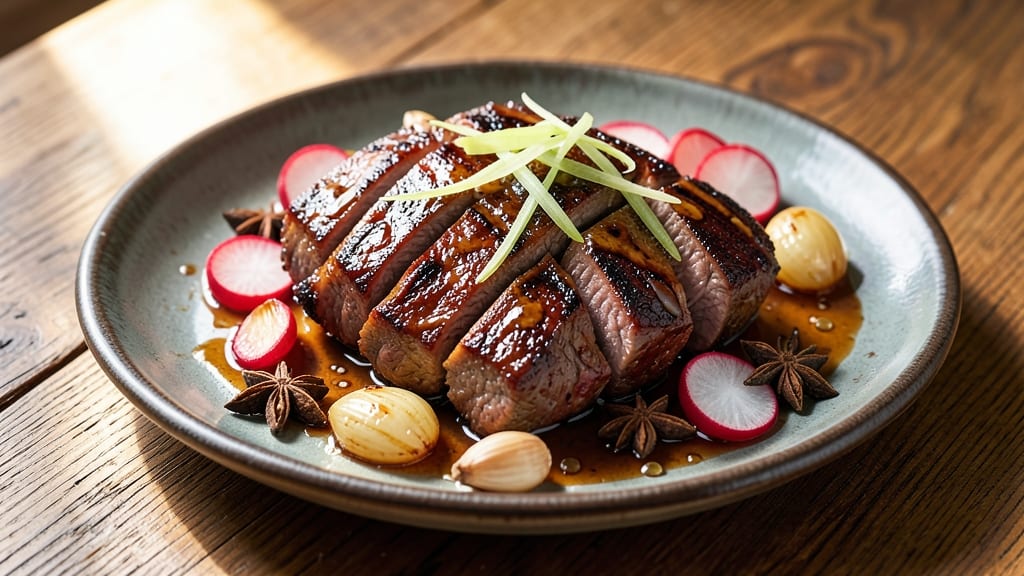
This beef and radish recipe transforms humble ingredients into a deeply flavorful stew where tender beef meets the crunchy, peppery bite of radishes. The secret lies in balancing earthy umami from slow-cooked beef with the bright, crisp texture of radishes—pickled for tang, sautéed for caramelization, or raw for freshness.
I developed this after discovering how radishes elevate simple beef dishes, adding complexity without overpowering the rich broth.
The process begins with searing beef chuck for deep flavor, then braising it until fork-tender in a warm, aromatic broth infused with garlic, ginger, and star anise.
Radishes join later—first pickled in vinegar and sugar for a bright contrast, then sautéed until just tender to maintain their crunchy texture. The result is a stew where each bite delivers tender beef, sweet-savory radishes, and layers of umami that linger.
What makes this dish special is its textural harmony: silky beef, crisp radishes, and a velvety broth that coats every spoonful. It’s a one-pot wonder that simmers for hours, filling your kitchen with an inviting aroma and your plate with a meal that feels both rustic and refined.
Perfect for chilly evenings or when you crave a hearty dish with unexpected freshness.
Pair it with crusty bread to soak up the rich sauce or serve over steamed rice for a lighter option. The radishes add a surprising crunch that cuts through the richness, making this stew as satisfying as it is unexpected. Ready to try it? Let’s get cooking.
Ingredients for beef and radish
Transform humble ingredients into a rich stew with tender beef and peppery radishes.
| Ingredient | Amount | Notes |
|---|---|---|
| Beef Chuck Roast 🥩 | 2 lb | Bone-in for deeper flavor |
| Radishes 🥕 | 1 ½ lb | Medium size, red or white |
| Yellow Onion 🧅 | 1 whole | Medium size, diced |
| Garlic Cloves 🧄 | 6 cloves | Peeled, smashed for aroma |
| Fresh Ginger 🌿 | ½ inch | Peeled, sliced thinly |
| Star Anise 🌶️ | 2 whole | Lightly crushed |
| Vegetable Oil 🫒 | ¼ cup | For searing beef |
| White Wine 🍷 | 1 cup | Dry variety preferred |
| Beef Broth 💧 | 4 cups | Homemade or high-quality |
| Apple Cider Vinegar 🍎 | ¼ cup | For pickling radishes |
| Granulated Sugar 🍚 | 2 tbsp | For radish pickling |
| Salt 🧂 | 1 ½ tsp | Kosher or sea salt |
| Black Peppercorns 🌶️ | ½ tsp | Freshly cracked |
| Fresh Thyme 🌿 | 2 sprigs | For aroma, stems removed |
| Crusty Bread 🍞 | 1 loaf | For serving |
The beef chuck is non-negotiable here—bone-in for maximum flavor, and Costco or Whole Foods carry the best cuts. Look for good marbling, which melts into the stew for richness. Radishes should be firm and vibrant; Trader Joe's often has the prettiest selection. Fresh ginger loses potency quickly, so buy it just before cooking or store it in the freezer. Star anise adds that subtle licorice note that elevates everything—Penzeys sells it in bulk if you want to stock up.
No white wine? Dry vermouth or even apple juice works in a pinch, though the acidity will differ slightly. For the radish pickling, apple cider vinegar is ideal, but rice vinegar adds a different tang. If you can't find fresh thyme, dried works at one-third the amount, but fresh is worth hunting down at a farmers' market. The beef broth should be homemade if possible—store-bought low-sodium is fine in a bind, but homemade has that depth. For the sugar in the radish brine, brown sugar adds a caramel note if you prefer.
This stew tastes even better the next day—3-4 days in the fridge, honestly. For longer storage, freeze portions for up to 3 months. The radishes keep their crunch best if you add them fresh at the end, but you can pickle a batch ahead and store them in the fridge for 1 week. The crusty bread? Toast it right before serving so it stays crisp. Leftovers reheat beautifully—just add a splash of water or broth to prevent drying out.
Why You'll Love This Recipe
- One-Pot Magic: I swear by this recipe when I’m too tired to dirty more than one pan. The beef chuckles away in the same pot where the radishes caramelize—no chopping boards to wash, no extra bowls to scrub. Honestly, I’ve made it after work with a glass of wine in hand.
- Ginger-Garlic Punch: That fresh ginger and garlic combo? It’s the kind of flavor that lingers just right—not overpowering, but there, making every bite sing. The radishes add this unexpected crunch that cuts through the richness of the beef, like a little surprise in every forkful.
- Lunchbox Hero: Between us, this is my go-to for meal prep. The beef stays tender for days, and the radishes hold up beautifully in containers—no soggy sides here. Pack it for work, toss it in a thermos, or serve it cold in wraps. (Yes, even on a Tuesday night.)
- Budget Stretch: A chuck roast is my secret weapon for stretching a meal without breaking the bank. Radishes are cheap, onions and garlic are pantry staples, and ginger lasts forever in the freezer. I’ve fed four people for under $15 with leftovers that taste just as good reheated.
Step-by-step instructions for earthy umami stew with crunchy roots
This method transforms tough beef into tender, flavorful slices while preserving radishes' satisfying crunch.
Sear the Beef Chuck Roast to Build Deep Flavor
Pat the 2 lb beef chuck roast completely dry with paper towels—this ensures maximum browning. Heat the 0.25 cup vegetable oil in a heavy Dutch oven over medium-high heat until shimmering. Place the beef in the pot and sear on all sides for 8-10 minutes total, turning occasionally, until deeply browned with a crust forming. The key is patience—don't rush this step or you'll steam instead of sear.
Once browned, remove the beef and set it aside on a plate. You'll notice the oil will darken significantly—this is where all the rich, caramelized flavor develops. The beef will continue cooking in the braise, so it doesn't need to be fully cooked now. Let it rest while you build the aromatic base for your stew.
Develop the Umami-Packed Base
In the same Dutch oven, add the 1 whole yellow onion (diced) and cook over medium heat for 5 minutes until softened and beginning to caramelize. Add the 6 cloves garlic cloves (smashed) and 0.5 inch fresh ginger (sliced thinly), cooking for another 2 minutes until fragrant. Here's where the magic happens—don't let the garlic burn, as it turns bitter quickly.
Stir in the 2 whole star anise (lightly crushed), 2 sprigs fresh thyme, 1.5 tsp salt, and 0.5 tsp black peppercorns. Pour in the 1 cup white wine and scrape up all the browned bits from the bottom of the pot—this is called deglazing and captures all the flavor you've built. Let the wine simmer for 3-4 minutes until reduced by half, intensifying the flavors.
Braise the Beef Until Fork-Tender
Return the beef to the pot and pour in the 4 cups beef broth. The liquid should come about halfway up the beef. Bring to a gentle simmer over medium-low heat, then cover and reduce heat to low. Here's the thing—this stew needs 2.5 to 3 hours of undisturbed cooking time. The beef should be submerged in liquid, so if it's not, add a little more broth.
Check the beef after 1.5 hours—it should be tender enough to pierce with a fork but still have some resistance. If the liquid reduces too much, add a splash of water or broth. The star anise and thyme will infuse the broth with their earthy aromas, creating that deep umami profile we're after. Resist the urge to peek too often—each time you lift the lid, you lose heat and moisture.
Prepare the Crunchy Radishes
While the beef braises, prepare the 1.5 lb radishes for their starring role. Peel them if desired (I leave the skins on for texture), then slice them into ¼-inch thick rounds. In a bowl, combine the radishes with 0.25 cup apple cider vinegar, 2 tbsp granulated sugar, and ½ tsp salt. Toss gently to coat, then let them sit for 15 minutes—this creates a light pickling that enhances their natural sweetness and keeps them crisp when added to the stew.
The radishes will begin to soften slightly at the edges, but they'll firm up again when heated. This quick pickle step is what gives them that perfect crunch while adding a bright, tangy contrast to the rich beef. Don't skip this—it makes all the difference in texture and flavor balance.
Finish and Serve with Crusty Bread
After the beef reaches fork-tender perfection, carefully remove it from the pot and let it rest on a cutting board for 10 minutes. This resting period allows the juices to redistribute throughout the meat. Skim any excess fat from the surface of the broth, then stir in the pickled radishes and their juices. Return the beef to the pot and let everything heat through together for 5 minutes on low heat. The radishes should be heated through but still maintain their satisfying bite.
Slice the beef against the grain into ¼-inch thick slices for maximum tenderness. Ladle the stew into bowls, making sure each serving gets a generous portion of beef, radishes, and flavorful broth. Serve immediately with slices of the 1 loaf crusty bread to soak up every last drop of that rich, umami-packed sauce. The contrast of the warm stew against the cool, crisp radishes and the hearty bread makes this dish truly memorable.
Pro Tips For Making Beef And Radish
- SEAR THE ROAST LONG: Chuck roast needs time—don’t rush the crust. Hit it with high heat for 5-7 minutes per side until deep brown, even if it means charring a few spots. The longer it sears, the richer the flavor when it slows down later.
- PEEL RADISHES LAST MINUTE: Radishes oxidize fast and turn bitter. Only peel them right before adding to the pot—no need to prep them hours ahead. A quick scrub under cold water and a sharp knife work just fine.
- SWEAT ONIONS LOW AND SLOW: Too much heat turns onions mushy. Keep them on medium-low, stirring often, until fully translucent but not browned. This builds flavor without burning—trust me, your taste buds will notice.
- USE GINGER JUICE NOT JUST GRIST: Grate ginger fine, then squeeze out excess liquid with your hands. The juice makes sauces watery; dried-out ginger packs more punch. Works especially well if you’re simmering the dish longer.
Perfect pairings for this recipe
Crispy Radish Salad
Balance the richness of the stew with a quick sautéed radish salad that highlights their natural sweetness. Thinly slice 1 cup radishes and sauté in 1 tbsp butter with ½ tsp sugar and a pinch of salt over medium heat for 3-4 minutes until just tender.
Toss with 1 tbsp fresh mint and a drizzle of 1 tbsp honey—the caramelized edges add a delightful contrast to the stew. 🥕
Herbed White Wine Reduction
Elevate the dish with a white wine reduction that complements the beef's umami depth. Simmer ½ cup dry white wine with 1 tbsp shallots and 1 sprig thyme until reduced by half.
Finish with 1 tsp Dijon mustard and a splash of beef broth to create a glossy sauce. Drizzle over the stew just before serving for an elegant touch. 🍷
Crusty Bread with Garlic Butter
No stew is complete without garlic butter bread to soak up every last drop. Mix ¼ cup softened butter with 2 minced garlic cloves, ½ tsp salt, and a pinch of red pepper flakes.
Spread on thick slices of crusty bread and toast in a 400°F oven for 5-7 minutes until golden and crisp. The garlic butter adds a savory kick that pairs perfectly with the stew's earthy flavors. 🍞
Pickled Radish Garnish
Add a bright, tangy garnish to cut through the richness. Quick-pickle ½ cup radish slices in ¼ cup rice vinegar, 1 tsp sugar, and ½ tsp salt for 15 minutes.
Drain and sprinkle over the stew just before serving. The acidity refreshes your palate between bites of tender beef. 💫
Creamy Polenta Base
For a heartier option, serve the stew over creamy polenta that absorbs the flavorful broth. Cook 1 cup polenta in 4 cups milk with ½ tsp salt until thick and creamy.
Stir in 2 tbsp butter and a pinch of nutmeg for warmth. The polenta adds a comforting texture that balances the stew's bold flavors. 🌟
Spiced Apple Compote
Add a sweet-tart contrast with a spiced apple compote. Simmer 1 diced apple with 1 tbsp brown sugar, ¼ tsp cinnamon, and 1 tbsp apple cider vinegar for 8-10 minutes until soft. Spoon over the stew to introduce a fruity brightness that complements the radishes and beef. 🍎
Nutrition facts
Frequently asked questions
Why do radishes need pickling in this recipe?
The quick pickle step transforms radishes from bland to vibrant by enhancing their natural sweetness and adding a bright tang. This balances the rich, umami beef flavors while keeping their satisfying crunch. The 15-minute soak in vinegar and sugar creates a perfect contrast that elevates the entire dish.
Can I substitute daikon radishes for regular radishes?
Daikon radishes work beautifully—they're milder and sweeter, with a creamier texture when cooked. Use the same quantity, but reduce the pickling time to 10 minutes since they soften faster. Their subtle flavor pairs especially well with the beef's depth.
How do I know when the beef is fully tender?
The beef should be fork-tender after 2.5-3 hours of braising—it should easily pierce with a fork but still have slight resistance. For extra assurance, check at 1.5 hours and press gently with tongs. If it crumbles easily, it's ready. The internal temperature should reach 203°F for maximum tenderness.
What if I don't have white wine for deglazing?
No problem! Use 1 cup beef broth instead—it maintains the umami depth. For extra richness, add 1 tbsp soy sauce or a splash of apple juice. The key is to scrape up all those flavorful browned bits from the pot's bottom during deglazing.
Can I make this stew in a slow cooker?
Yes, but with adjustments. Sear the beef first, then transfer everything to the slow cooker and cook on low for 6-7 hours or high for 4-5 hours. Add radishes only in the last 30 minutes to preserve their crunch. The slow cooker method yields slightly more tender beef but requires more monitoring to prevent overcooking.