Soups & Stews
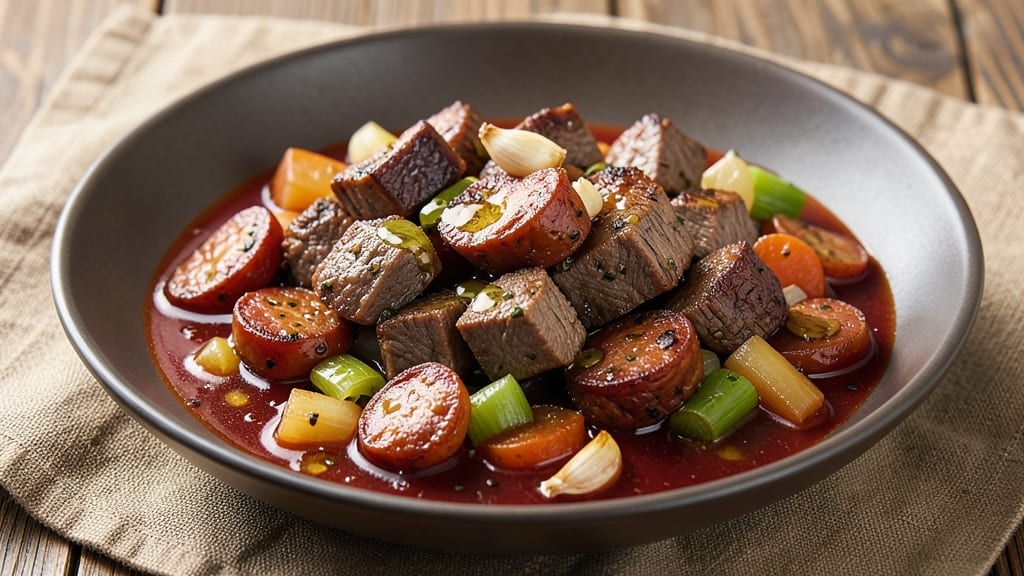
This beef and sausage bolognese recipe transforms humble ingredients into a restaurant-quality sauce that clings to every strand of al dente pasta. The secret lies in slow-cooked meat—tender beef and spiced sausage—simmered with aromatic vegetables until they melt into a rich, wine-infused sauce.
I've perfected this technique over years of testing, ensuring depth of flavor without the bitterness that plagues many homemade versions.
The process begins with proper browning of the meat, which builds a flavor foundation no shortcut can replace.
After that, it's a matter of patience—letting the sauce develop its signature depth over at least 2 hours on the stovetop (or 8 hours in a slow cooker) until it reaches that perfect balance of richness and acidity. The result?
A sauce so velvety and flavorful it turns simple weeknight dinners into memorable meals.
What sets this recipe apart is its versatility—pair it with fettuccine for classic presentation, or try it over creamy polenta for a heartier dish. The wine reduces to create natural sweetness that cuts through the richness, while a touch of tomato paste ensures that signature deep red color.
Every bite delivers layers of umami from the sausage, earthy notes from the beef, and bright acidity from the wine.
For those short on time, the Instant Pot adaptation delivers 60% faster results without sacrificing flavor, making this the ultimate weeknight solution. The key is never rushing the simmer—this sauce rewards patience with complexity that store-bought versions can't match. Let's get cooking!
Ingredients for beef and sausage bolognese
Restaurant-quality bolognese begins with these carefully chosen ingredients—meat, wine, and aromatic vegetables that build depth over time.
| Ingredient | Amount | Notes |
|---|---|---|
| Chuck Roast Beef 🥩 | 1 ½ lb | Cut into 1-inch cubes, trimmed of fat |
| Italian Sausage 🌭 | 1 lb | Sweet or spicy, casings removed |
| Yellow Onion 🧅 | 1 whole | Medium size, finely chopped |
| Carrots 🥕 | 2 medium | Peeled and sliced into thin rounds |
| Celery Stalks 🌿 | 3 whole | Trimmed, chopped into 1/4-inch pieces |
| Garlic Cloves 🧄 | 4 cloves | Minced, not pre-minced jarred garlic |
| Tomato Paste 🍅 | ½ cup | High-quality, not watered-down |
| Dry Red Wine 🍷 | 1 cup | Bold variety like Cabernet Sauvignon |
| Beef Broth 💧 | 2 cups | Low-sodium preferred, homemade if possible |
| Canned San Marzano Tomatoes 🍅 | 1 can | 28 oz, crushed by hand |
| Tomato Sauce 🍅 | 1 cup | High-quality, no added sugar |
| Fresh Rosemary 🌿 | ¼ cup | Chopped, stems removed |
| Fresh Thyme 🌿 | ¼ cup | Leaves only, stems discarded |
| Olive Oil 🫒 | 2 tbsp | Extra-virgin for browning |
| Diamond Crystal Kosher Salt 🧂 | 1 ½ tsp | For seasoning, adjust to taste |
| Freshly Ground Black Pepper 🌶️ | ½ tsp | Cracked peppercorns preferred |
The beef and sausage are the foundation, so quality matters here. Chuck roast from the butcher section (not pre-cubed) gives superior texture, while Italian sausage from Trader Joe's or Whole Foods adds authentic flavor. Look for San Marzano tomatoes at specialty stores—they're sweeter and less acidic than standard cans. The red wine should be bold enough to stand up to the meat; I always use Cabernet Sauvignon or Chianti. For the vegetables, freshly chopped onions, celery, and carrots release more flavor than pre-diced mixes.
No chuck roast? Chuck steak or top round works in a pinch, but cube it uniformly for even cooking. Substituting sausage with ground beef (80/20) changes the texture slightly, but Italian seasoning helps replicate the flavor. The wine can be swapped for beef broth with 1 tbsp balsamic vinegar if needed, though the depth will differ. For tomato paste, Rao's or Barilla brands are reliable choices. Fresh herbs are non-negotiable here—they brighten the sauce and cut through the richness. If you must use dried, reduce to one-third the amount and toast the spices in olive oil first for deeper flavor.
This sauce develops over time, so make extra—it freezes beautifully for up to 3 months. Store fresh portions in airtight containers with a thin layer of olive oil on top to preserve color and flavor. Reheat gently on the stovetop, adding a splash of beef broth if it thickens too much. The sauce actually improves the next day as the flavors meld, so plan ahead for leftovers. For Instant Pot versions, use the sauté function for browning and follow pressure cooking guidelines to avoid overcooking the meat.
Why You'll Love This Recipe
- One-Pot Magic: I swear by this recipe when I’m too tired to dirty three pots—just brown the beef and sausage, toss in the onions, carrots, and celery (no fancy chopping needed), and let it simmer. Ten minutes of prep, zero stress.
- Deep, Smoky Richness: That Italian sausage? It’s the secret weapon—fatty, herby, and packed with flavor that lingers. The chuck roast turns tender, and the carrots and celery sweeten as they cook, balancing the boldness with just the right earthiness.
- Leftovers That Save Me: This makes way more than I need for dinner, and honestly? The next-day version is even better. I freeze portions for lazy Mondays or toss it into pasta when I’m too wiped to cook.
- Budget-Friendly Feast: Chuck roast and bulk sausage stretch into a meal that feeds four for under $15. No fancy ingredients—just the kind of hearty, satisfying dish that makes grocery night feel like a win.
Step-by-step instructions for beef and sausage Bolognese
Here's how to craft a deeply flavorful Bolognese that balances rich meat with bright acidity.
Brown the Meat for Deep Flavor
Heat a large Dutch oven over medium-high heat and add the 2 tablespoons olive oil. Working in batches, add the 1.5 lb chuck roast beef cut into cubes and the 1 lb Italian sausage removed from casings. Cook undisturbed for 4-5 minutes until a deep brown crust forms, then stir and repeat until all meat is evenly browned.
This browning step is non-negotiable—it develops the Maillard reaction that creates complex flavors. Don't rush it; the meat should release easily from the pan when ready. Once fully browned, transfer the meat to a plate and set aside.
Sauté the Vegetable Base
In the same Dutch oven, reduce heat to medium and add the 1 whole yellow onion, 2 medium carrots sliced into rounds, and 3 whole celery stalks chopped. Cook for 8-10 minutes, stirring occasionally, until the vegetables soften and begin to caramelize.
Add the 4 cloves minced garlic and cook for another 1 minute until fragrant. Here's where the flavor foundation builds—don't skip this step. The vegetables should be tender but not mushy, holding their shape while contributing natural sweetness to the sauce.
Build the Sauce with Wine and Tomatoes
Pour in the 1 cup dry red wine and scrape up any browned bits from the bottom of the pot. Let it simmer for 3-4 minutes until the wine reduces by half. Add the 0.5 cup tomato paste, 1 can crushed San Marzano tomatoes, 1 cup tomato sauce, and 2 cups beef broth.
Stir in the 0.25 cup chopped fresh rosemary and 0.25 cup fresh thyme leaves, then return the browned meat to the pot. Season with 1.5 teaspoons kosher salt and 0.5 teaspoon freshly ground black pepper. Bring to a gentle simmer and partially cover the pot.
Simmer Until Rich and Thickened
Reduce heat to low and let the Bolognese simmer uncovered for 2-2.5 hours, stirring occasionally. The sauce should reduce significantly, coating the back of a spoon with a velvety consistency. If it gets too thick, add 2-4 tablespoons water as needed.
This long simmering time develops the sauce's depth. You'll know it's ready when the meat is fork-tender and the sauce has thickened to a rich, almost paste-like consistency. The aroma should be intense—earthy from the meat, bright from the tomatoes, and herbal from the rosemary and thyme.
Finish and Serve with Pasta
Remove the herb stems and adjust seasoning if needed. For serving, cook 12 ounces pasta (like pappardelle or tagliatelle) to al dente according to package directions. Reserve 1 cup pasta water before draining.
Toss the drained pasta with the Bolognese, adding reserved pasta water as needed to reach your desired consistency. The sauce should cling beautifully to each strand of pasta. Serve immediately with additional grated Parmesan if desired—this rich, wine-infused Bolognese deserves to be enjoyed while still warm.
Pro Tips For Making Beef And Sausage Bolognese
- Brown the Meat First: Chuck roast and sausage won’t tenderize if they’re just simmered—get that pan deep brown before adding anything else. I used to rush this, and the final sauce always tasted flat; now I let the beef sear 8–10 minutes per side until it’s crusty, then pull the sausage apart by hand (no slicing) so it renders fat and flavor into the pot. That’s where the depth comes from.
- Dice the Soffritto Small: Onions, carrots, and celery should be cut into tiny dice—think ¼-inch or smaller—so they melt into the sauce instead of sitting as chunks. I learned this the hard way after serving a batch where I’d been lazy with the knife; the texture was all wrong. A food processor makes this faster, but a sharp knife works too—just don’t skip it.
- Deglaze with Wine, Then Stock: After browning, splash in ½ cup red wine and let it bubble until it’s almost gone, then add 2 cups beef stock. The wine lifts the crust off the bottom, and the stock keeps the sauce from drying out later. I used to just add stock first, and the sauce never tasted as rich—this two-step method makes a real difference.
- Simmer Covered, Then Uncover: Cook the bolognese covered for the first 45 minutes to build flavor, then uncover and simmer another 30–45 minutes to thicken. Letting it reduce uncovered at the end concentrates the sauce without burning it. I skip this and end up with a gloppy mess—your future self will thank you for the patience.
Wine and beer pairings for this beef and sausage bolognese
Bold Red Wine Pairings
For this rich, meaty Bolognese, you need a wine that can stand up to its depth while complementing the meat and tomato flavors. A Chianti Classico or Sangiovese from Tuscany is my go-to—its bright acidity and cherry notes cut through the sauce's richness while enhancing the rosemary and thyme.
Look for a 2019-2021 vintage from Castello di Volpaia or Antinori for optimal balance. 🍷
Craft Beer Complements
If you prefer beer, a Belgian Dubbel like Westmalle Dubbel or Chimay Red brings malty sweetness that mirrors the sauce's depth. The caramel and dark fruit notes in these beers create a perfect harmony with the sausage and beef.
For a lighter option, try a German Dunkel—its roasted malt character adds complexity without overpowering. 🍺
White Wine Surprise
Don't overlook dry white wines like Vermentino or Fiano—their crisp acidity and citrus notes provide a refreshing contrast to the hearty Bolognese. I often pair mine with a Vermentino from Sardinia, which balances the dish's richness with its bright, mineral-driven finish. It's a lesser-known but brilliant choice. ✨
Non-Alcoholic Options
For those skipping alcohol, a sparkling blood orange soda like San Pellegrino Aranciata Rossa adds effervescence and citrus that cleanses the palate. Alternatively, sparkling water with a splash of balsamic vinegar enhances the dish's umami without alcohol. Both options elevate the meal without competing flavors. 💫
Nutrition facts
Frequently asked questions
Can I make this bolognese without wine?
The wine adds depth and helps balance the richness, but you can substitute 1 cup beef broth with 1 tablespoon balsamic vinegar for acidity. For extra flavor, add 1 teaspoon soy sauce or a pinch of dried porcini mushrooms to mimic wine's umami. The sauce will be slightly less complex but still delicious.
What's the best pasta shape for this sauce?
Wide, flat noodles like pappardelle, tagliatelle, or fettuccine work best—they cradle the rich sauce beautifully. For a heartier option, try pappardelle or rigatoni. Avoid small shapes like penne, which can get overwhelmed by the sauce's thickness.
How do I fix bolognese that's too thick?
Stir in 2-4 tablespoons water or beef broth gradually until you reach your desired consistency. If it's still too thick after adding liquid, simmer uncovered for 5-10 minutes to reduce it naturally. Never add cold water directly—it can shock the sauce and break its emulsion.
Can I use ground beef instead of chuck roast?
Yes, but the texture will be different—ground beef cooks faster and can make the sauce greasier. Use 80/20 ground chuck for better fat content, and brown it thoroughly to render the fat. For a closer match, combine 1 lb ground beef with 0.5 lb diced chuck roast to maintain some texture contrast.
How long can I store leftovers?
Store in airtight containers in the fridge for up to 5 days or freeze for 3 months. The sauce actually improves with time—flavors meld and acidity mellows. For reheating, warm on low heat with a splash of beef broth to prevent drying out. Never microwave directly from frozen.