
Main Courses
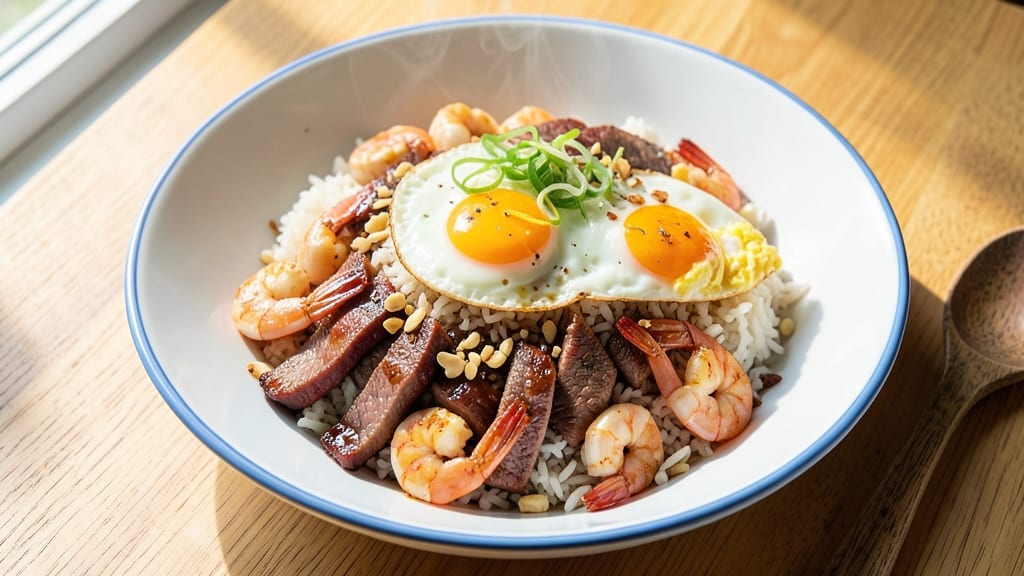
This beef and shrimp fried rice recipe transforms simple ingredients into a restaurant-quality dish with bold flavors and perfect texture. The secret lies in high-heat wok tossing that keeps the rice separate while searing the proteins to juicy perfection—no soggy bites here.
I’ve perfected this version after years of testing, balancing tender beef, sweet shrimp, and aromatic rice into every bite.
What sets this recipe apart is the two-protein technique: thinly sliced beef sears quickly for maximum flavor, while shrimp cooks just until pink, ensuring they stay tender.
The rice gets its signature smoky depth from a light char in the wok, while soy sauce, garlic, and ginger build the savory base. No takeout can match this homemade version—it’s crispy, aromatic, and packed with umami.
By the time you serve this dish, your kitchen will smell like a bustling Asian restaurant, and every forkful will deliver that perfect harmony of textures—crisp rice edges, tender beef, and juicy shrimp all coated in a glossy, slightly sweet sauce.
Garnish with green onions and sesame seeds for freshness, and serve with lime wedges to brighten the richness.
This recipe works for weeknight dinners or weekend feasts, scaling easily for crowds. The method is adaptable too—use day-old rice for better texture, or swap proteins for chicken or tofu. Master this once, and you’ll never order fried rice again. Let’s get cooking!
Ingredients for beef and shrimp fried rice
Fourteen ingredients. Two proteins. One wok-tossed masterpiece that rivals takeout.
| Ingredient | Amount | Notes |
|---|---|---|
| Day-Old Cooked White Rice 🍚 | 4 cups | Cold, preferably jasmine or long-grain |
| Flank Steak 🥩 | ½ lb | Thinly sliced against grain |
| Large Shrimp 🦐 | 1 lb | Peeled, deveined, tails on |
| Eggs 🥚 | 2 whole | Beaten for scrambling |
| Green Onions 🧅 | ½ cup | Sliced, white and green parts |
| Garlic Cloves 🧄 | 4 cloves | Minced for aromatic base |
| Fresh Ginger 🌿 | 1 tbsp | Grate finely, no need to peel |
| Soy Sauce 🥄 | ½ cup | Light or all-purpose |
| Oyster Sauce 🍜 | 2 tbsp | For umami depth |
| Sesame Oil 🫒 | 1 tbsp | Toasted for aroma |
| Vegetable Oil 🫒 | ½ cup | High smoke point |
| White Pepper 🌶️ | ¼ tsp | Freshly ground preferred |
| Salt 🧂 | 1 tsp | Kosher or sea salt |
| Lime Wedges 🍋 | 2 whole | For garnish and brightness |
| Toasted Sesame Seeds 🌾 | 1 tbsp | For garnish |
The shrimp and beef are your stars—quality matters here. For shrimp, look for fresh, plump tails with a bright pink hue; frozen works in a pinch but thaw completely. The flank steak should be marbled, not lean—ask your butcher to slice it thinly against the grain for tenderness. Costco or Whole Foods usually have pre-sliced flank steak in the seafood case, saving you time. As for rice, day-old is non-negotiable—it’s drier and absorbs flavors better. Jasmine rice is ideal, but long-grain works too. The garlic and ginger? Freshly grated or minced—no jarred shortcuts. These aromatics are the flavor anchors.
No flank steak? Sirloin or ribeye sliced thinly works, but avoid tougher cuts like chuck. Shrimp too pricey? Scallops or chicken thigh hold up well—just adjust cook time. The soy sauce can be dark or light, but low-sodium if you’re watching salt. Oyster sauce? Kikkoman or Lee Kum Kee are reliable brands, but any good-quality one will do. Sesame oil is non-negotiable for aroma—don’t confuse it with the lighter, flavorless kind. For extra heat, add a dash of chili flakes or sriracha at the end. The eggs? Scrambled in the wok for texture, but if you’re short on time, pre-cook and chop them finely.
Rice keeps for 3 days in the fridge—perfect for meal prep. Store proteins separately until cooking to avoid sogginess. Double the recipe and freeze portions for quick weeknight dinners. Garnishes like green onions and sesame seeds add freshness, but don’t skip the lime wedges—they cut through the richness. This dish reheats beautifully, though wok-tossed fresh is always best. For leftovers, store in airtight containers with a paper towel to absorb moisture. 3 months frozen if prepped ahead.
Why You'll Love This Recipe
- No Chopping Needed: I swear by this trick—just slice the flank steak thin against the grain, toss in whole shrimp (peeled but untouched), and let the heat do the work. The rice gets crispy edges without me standing over a cutting board for 20 minutes.
- Umami Bomb: That combo of tender flank steak (marinated in soy and sesame) and plump shrimp? It’s like a flavor party in your mouth. The eggs add richness, and the green onions finish it with a fresh kick—every bite feels balanced, not heavy.
- Lunchbox Magic: Honestly, I make this on Sundays and pack it for work. The day-old rice stays firm, the proteins hold up, and it reheats like a dream. My coworkers actually ask for seconds—something that never happens with sad office salads.
- Budget Power Move: Flank steak is cheaper than sirloin, shrimp’s cheaper than lobster, and eggs stretch further than you’d think. I feed four people for under $20, and there’s always leftovers for lunch. (Yes, even on a Tuesday night.)
Step-by-step instructions for wok-tossed beef and shrimp fried rice
Master this restaurant-quality fried rice with perfectly balanced textures and bold flavors.
Prep and Marinate the Proteins
Slice the 0.5 lb flank steak thinly against the grain into ¼-inch strips—this ensures tender bites. Pat the shrimp dry with paper towels and make a small cut along the belly to remove any remaining intestinal vein. In a bowl, combine the steak with 2 tbsp oyster sauce, 1 tbsp soy sauce, and 1 tsp sesame oil. Let marinate for 15 minutes while you prep other ingredients.
For the shrimp, mix 1 tbsp soy sauce, 1 tsp sesame oil, and ¼ tsp white pepper in a separate bowl. Toss the shrimp gently to coat evenly—don't overmix or they'll toughen. The marinades should penetrate just enough to infuse flavor without making the proteins mushy.
Scramble the Eggs and Sauté Aromatics
Heat 2 tablespoons vegetable oil in a wok or large skillet over medium-high heat until shimmering. Add the 2 beaten eggs and scramble vigorously for 30 seconds until just set but still slightly runny—this creates tender curds that'll absorb the sauce later. Remove and set aside.
In the same wok, add 2 tablespoons vegetable oil and swirl to coat. Toss in the 4 minced garlic cloves and 1 tbsp finely grated ginger, cooking for 30 seconds until fragrant. Add the 0.5 cup sliced green onions and stir for another 30 seconds until softened but still bright green. Here's where the aromatics build the flavor foundation—don't rush this step or the dish will taste flat.
Cook the Proteins to Perfection
Push the aromatics to one side of the wok and add 1 tablespoon vegetable oil. Working in batches if needed, add the marinated steak and cook for 1-2 minutes until deeply browned on the edges. Remove and set aside. Repeat with the shrimp, cooking for 1-2 minutes per side until pink and opaque—they'll finish cooking later in the rice.
Real talk: don't overcrowd the wok. If you do, the proteins will steam instead of sear, resulting in soggy texture. The steak should develop a caramelized crust while the shrimp should remain tender—this balance is what makes the dish sing.
Combine Everything with High Heat
Add the remaining 3 tablespoons vegetable oil to the wok and heat until smoking slightly. Toss in the 4 cups cold day-old rice, breaking up any clumps with a spatula. Stir-fry for 1-2 minutes until the rice is evenly coated and begins to sizzle—this prevents mushiness.
Pour in the 0.5 cup soy sauce and 2 tbsp oyster sauce, then add the cooked steak, shrimp, and scrambled eggs. Toss everything together for 2-3 minutes until the rice is heated through and the sauce is absorbed. The high heat is crucial here—it creates that signature wok hei (breath of the wok) flavor that separates home cooking from restaurant quality.
Finish and Garnish for Maximum Impact
Reduce heat to medium and stir in 1 tbsp toasted sesame oil. Squeeze over the 2 lime wedges and sprinkle with 1 tbsp toasted sesame seeds. Taste and adjust seasoning with ¼ tsp additional white pepper or ½ tsp salt if needed—the rice should be savory, slightly sweet, and bright from the lime.
Serve immediately while piping hot. The rice should be slightly sticky but not wet, with perfectly cooked shrimp that's just tender enough to yield slightly, and steak that's still juicy despite the quick cooking. Garnish each serving with an extra sprinkle of green onions and lime wedge for that final restaurant touch.
Pro Tips For Making Beef And Shrimp Fried Rice
- STIR-FRY IN BATCHES: Don’t toss everything in at once—cook the flank steak first until it’s 80% done, then remove it. Next, scramble the eggs just until set (they’ll finish cooking later), then push them to one side. Finally, add the shrimp and rice together so the shrimp stay juicy. Crowding the pan steams the rice instead of frying it.
- USE COLD SHRIMP: I know it sounds counterintuitive, but pull the shrimp from the fridge right before cooking. Cold shrimp sear faster and tighter, so they release less water into the rice. If they’re warm, they’ll turn rubbery before the rest of the dish is ready—trust me, I’ve ruined shrimp fried rice this way.
- SALT THE RICE AHEAD: Sprinkle a pinch of salt (about ½ teaspoon) over the day-old rice while you prep everything else. It’ll help dry out the surface slightly and season the grains evenly. Skipping this step means the rice will either be bland or absorb too much sauce later—neither is ideal.
- DON’T OVERCHOP GREEN ONIONS: Leave the green onions in ½-inch pieces, not minced. They add texture and a fresh bite that disappears if you chop them too fine. Save the white parts for the base of the pan and scatter the greens on top at the very end—this keeps them vibrant and prevents them from turning into mush.
Flavor customization for this recipe
Spicy Kick Options
For heat lovers, add 1-2 teaspoons of chili flakes or 1 tbsp of sriracha when tossing the rice. I like to mix it into the soy sauce before adding it to the wok.
If you want smoky heat, swap ½ tsp of gochujang (Korean chili paste) for some of the oyster sauce—it adds depth and complexity. 🌶️
Sweet and Tangy Twist
Balance the savory flavors with a touch of sweetness by adding 1 tbsp of honey or 1 tsp of sugar to the sauce mixture. For tanginess, stir in 1 tbsp of rice vinegar or a splash of lime juice at the end.
This works especially well if you're serving it with a side of pickled vegetables.
Umami Boost
Elevate the dish with extra umami by adding 1 tbsp of fish sauce or 1 tsp of mushroom powder to the sauce. I also love adding 1 tbsp of hoisin sauce for a thicker, richer flavor. These additions make the fried rice taste even more restaurant-quality.
Herbaceous Freshness
Brighten the dish with fresh herbs like cilantro or Thai basil. Finely chop ¼ cup of cilantro and stir it in during the final toss. For a more aromatic touch, add 1 tsp of toasted coriander seeds to the oil before cooking the aromatics.
Cheesy or Creamy Variations
For a modern twist, stir in ½ cup of shredded cheddar or Monterey Jack cheese at the end for a cheesy fried rice. Alternatively, add 2 tbsp of cream cheese to the sauce mixture for a creamy texture. This works surprisingly well with the shrimp and beef flavors.
Vegetable Add-Ins
Incorporate veggies like bell peppers, carrots, or snap peas for added texture and color. I like to stir-fry ½ cup of diced bell peppers and ½ cup of shredded carrots with the aromatics. For extra crunch, add ¼ cup of bean sprouts at the very end.
Nutrition facts
Frequently asked questions
Can I use fresh rice instead of day-old rice?
Fresh rice is too moist and will turn mushy when stir-fried. Use rice that's at least 1 day old or reheat cooked rice in a dry skillet for 5 minutes to remove excess moisture before using. The slight dryness helps create those perfect crisp edges in every bite.
How do I prevent the shrimp from turning rubbery?
Never overcook the shrimp—they should cook for just 1-2 minutes per side until pink and opaque. Pat them completely dry before cooking, and don't marinate too long (max 15 minutes) or they'll absorb too much liquid. The key is high heat and quick cooking to lock in tenderness.
What's the best way to reheat leftovers?
Reheat in a dry skillet over medium heat for 3-4 minutes, tossing constantly, until piping hot. Microwaving works but can make the rice soggy. For extra crispiness, sprinkle with 1 tsp water and ½ tsp soy sauce before reheating.
Can I make this recipe without a wok?
Use a large skillet or cast-iron pan with high sides. The key is maintaining high heat and working in batches if needed. A 12-inch nonstick pan works well—just keep the heat cranked up to get that wok hei flavor.
What's the secret to perfectly balanced flavors?
The magic is in the sauce ratio: ½ cup soy sauce to 2 tbsp oyster sauce creates the perfect balance of salty, sweet, and umami. Taste as you go—adjust with ½ tsp salt or 1 tsp sugar if needed. The lime wedges at the end brighten everything up.