Soups & Stews
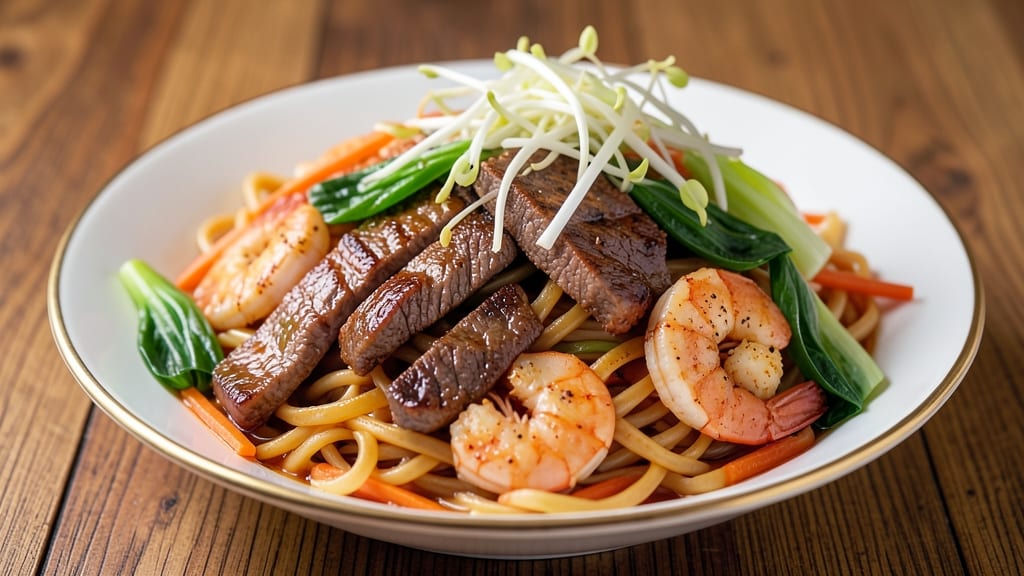
This beef and shrimp lo mein recipe delivers restaurant-quality wok heat with perfectly chewy noodles and tender proteins in under 30 minutes.
The secret lies in high-heat stir-frying—searing the beef and shrimp until caramelized while keeping the vegetables crisp—then tossing everything together with a savory soy-based sauce that balances umami and spice.
I developed this version after years of testing, ensuring the noodles stay al dente while the sauce clings perfectly to each bite.
The dish starts with a quick sear of flank steak and shrimp in a hot wok, followed by stir-fried vegetables like bok choy, carrots, and bean sprouts for texture and freshness. The sauce—made with soy sauce, oyster sauce, and a touch of chili oil—adds depth without overpowering the natural flavors.
What sets this apart is the two-step cooking process: first, the proteins and veggies are cooked separately to control doneness, then combined with the noodles for that signature lo mein texture.
By the time you plate it, you’ll have a dish that’s vibrant, aromatic, and packed with layers of flavor—golden-brown shrimp, tender beef, crisp vegetables, and noodles coated in a glossy, slightly spicy sauce.
The high-heat wok technique ensures everything stays hot and sizzling, while the sauce’s balance of sweet, salty, and umami makes it a complete, satisfying meal. Serve it family-style for sharing or over individual bowls for a restaurant-worthy experience.
For extra richness, finish with a drizzle of sesame oil and toasted sesame seeds. This recipe scales easily for crowds, and leftovers reheat beautifully—just toss with a splash of water to revive the sauce. Let’s get cooking!
Ingredients for beef and shrimp lo mein
Restaurant-quality wok heat starts with these carefully selected ingredients for tender beef, succulent shrimp, and vibrant vegetables.
| Ingredient | Amount | Notes |
|---|---|---|
| Flank Steak 🥩 | ¾ lb | Thinly sliced against grain |
| Large Shrimp 🦐 | 1 lb | Peeled, deveined, tails off |
| Lo Mein Noodles 🍜 | 12 oz | Fresh or dried, cooked al dente |
| Bok Choy 🥬 | 2 whole | Baby or regular, quartered |
| Carrots 🥕 | 1 whole | Julienned into matchsticks |
| Bean Sprouts 🌱 | 2 cups | Fresh, rinsed thoroughly |
| Garlic Cloves 🧄 | 6 cloves | Minced, fresh preferred |
| Fresh Ginger 🌿 | 1 inch | Thinly sliced, peeled |
| Light Soy Sauce 🍶 | ½ cup | High-quality, low-sodium preferred |
| Oyster Sauce 🍶 | 2 tbsp | Authentic, not imitation |
| Sesame Oil 🫒 | 1 tbsp | Toasted, for finishing |
| Chili Oil 🌶️ | 1 tsp | Adjust for spice preference |
| Cornstarch 🌾 | 1 tbsp | For velveting proteins |
| Vegetable Oil 🫒 | ½ cup | High smoke point for wok |
| Toasted Sesame Seeds 🌾 | 1 tbsp | For garnish, optional |
The proteins are the foundation. Flank steak must be thinly sliced against the grain for tenderness—ask your butcher to slice it for you if possible. Large shrimp (16-20 count) stay juicier than smaller ones. For the bok choy, look for bright green leaves with crisp stems at Trader Joe's or your local Asian market. The bean sprouts should be plump and white, not yellowed or wilted. Fresh ginger and garlic are non-negotiable here—they make the difference between good and exceptional flavor. Penzeys Spices carries excellent quality if you need to supplement your pantry.
No cornstarch? Arrowroot powder works in a 1:1 ratio for velveting the proteins. Substitute mushroom sauce for oyster sauce if you're vegetarian, but the authentic umami comes from oyster sauce—Lee Kum Kee is the gold standard. Short on sesame oil? Toasted peanut oil adds a similar nutty depth. The chili oil can be homemade (chili flakes + neutral oil) or store-bought, but Lao Gan Ma is a reliable brand. For the soy sauce, Kikkoman or Hoyu are excellent choices, but any light soy sauce will work. The vegetables can be adjusted based on what's fresh—bell peppers or snap peas work well as substitutes for carrots.
Prep all your ingredients before cooking—this is a fast dish that demands attention. The noodles should be cooked al dente and tossed with a bit of oil to prevent sticking. Store any unused shrimp in the freezer for up to 3 months, while the flank steak keeps 3-4 days wrapped tightly. The sauce components (soy, oyster, chili oil) can be pre-mixed and stored for 1 week. For leftovers, reheat gently with a splash of water to revive the sauce. This dish reheats beautifully—3-4 days in the fridge or 3 months frozen. Garnish with sesame seeds just before serving to keep them crisp.
Why You'll Love This Recipe
- One-Pan Magic: I swear by this recipe for lazy nights—just toss everything in one wok, and the beef and shrimp caramelize while the noodles soften. No dirty dishes, no stress, just that rich, smoky aroma filling the kitchen.
- Umami Bomb: The combo of flank steak and shrimp is pure flavor overload—tender beef with that slight chew, briny shrimp, and a sauce that’s sweet, salty, and packed with garlic and ginger. Honestly, the first bite makes me want seconds before I even finish the first.
- Lunchbox Hero: Between us, this is my go-to for meal prep. The noodles hold up for days, and I just reheat portions with a splash of water—perfect for work lunches or quick dinners. My kids even ask for it, and that’s saying something.
- Budget Feast: Flank steak and shrimp sound fancy, but they stretch far here. A single pound of beef and a pound of shrimp feed four, and the veggies (bok choy and carrots) are cheap staples. Leftovers taste just as good the next day—no sad, dry noodles here.
Step-by-step instructions for beef and shrimp lo mein
Here's the method for achieving restaurant-quality wok heat with perfectly chewy noodles and tender proteins.
🍳 Step 1: Velvet the Proteins for Maximum Tenderness
In a small bowl, combine the 0.75 lb flank steak and 1 lb large shrimp with 1 tablespoon cornstarch and 2 tablespoons oyster sauce. Mix thoroughly until every piece is evenly coated. This velveting technique ensures the proteins cook quickly in the wok and remain fork-tender rather than rubbery. Let the mixture marinate for 15 minutes at room temperature while you prepare the rest of your ingredients.
The cornstarch creates a protective barrier that prevents the proteins from overcooking during the high-heat stir-fry. You'll notice the mixture will look slightly glossy and sticky after marinating—this is exactly what you want. If you skip this step, your beef and shrimp will dry out during the intense wok cooking.
🔥 Step 2: Cook the Noodles Al Dente
Boil the 12 oz lo mein noodles in salted water according to package instructions until they're 1 minute shy of al dente. This slight undercooking is crucial because the noodles will continue cooking in the hot wok. Drain immediately and rinse briefly under cold water to stop the cooking process, then toss with 1 tablespoon sesame oil to prevent sticking. Set aside while you prepare the vegetables.
I always use the "1 minute shy" approach for stir-fry noodles because they finish cooking in the residual heat of the wok. Overcooked noodles become mushy when tossed with the other ingredients. The sesame oil coating also adds subtle nutty flavor and helps the noodles absorb the sauce more evenly.
🍳 Step 3: Stir-Fry Vegetables and Aromatics
Heat 0.5 cup vegetable oil in a wok or large skillet over high heat until shimmering. Add the 1 whole carrots (julienned) and stir-fry for 1 minute until slightly softened. Push vegetables to one side, add 6 cloves minced garlic and 1 inch sliced fresh ginger, and stir for 30 seconds until fragrant. Add the 2 whole bok choy (quartered) and 2 cups bean sprouts, stir-frying for 2-3 minutes until the bok choy wilts and bean sprouts brighten in color.
The high heat is essential here—you want the vegetables to cook quickly while maintaining their vibrant colors and crisp texture. If your wok isn't hot enough, the vegetables will steam rather than sear. I always add the harder vegetables first (carrots) and the more delicate ones (bean sprouts) last to ensure even cooking. The garlic and ginger should sizzle audibly when added—that's your signal they're ready.
🥘 Step 4: Cook the Proteins to Perfect Doneness
Increase heat to maximum and add the marinated beef and shrimp in a single layer. Stir-fry for 1-2 minutes until the shrimp turn pink and the beef reaches 145°F internally. Remove the proteins from the wok and set aside. Immediately add the cooked noodles to the wok, tossing them with the vegetables for 1 minute to heat through and absorb the residual oil.
This is where timing becomes critical. The shrimp should cook in about 1 minute while the beef takes slightly longer—watch them closely. You want the beef to be tender but still holding its shape, not falling apart. The noodles will finish cooking in this final toss, so don't overcook them. If the wok loses heat during this process, add a splash of water to maintain steam.
🥘 Step 5: Combine and Finish with Sauce
Return the proteins to the wok with the noodles and vegetables. Add 0.5 cup light soy sauce and 1 teaspoon chili oil, tossing everything together for 1-2 minutes until well combined and heated through. The dish should be hot and sizzling—this is what gives lo mein its signature wok-house flavor. Garnish with 1 tablespoon toasted sesame seeds and serve immediately while piping hot.
The final toss is where all the flavors come together. The soy sauce should coat every strand of noodle and piece of protein, while the chili oil adds just the right amount of heat. The sesame seeds add a delightful crunch and nutty aroma that elevates the dish. Serve family-style in a large wok or bowl so everyone can help themselves to this vibrant, flavorful meal.
Pro Tips For Making Beef And Shrimp Lo Mein
- Slice Steak Against the Grain: Flank steak’s tough fibers run diagonally, so cutting perpendicular to them turns chewy meat into tender strips. Use a sharp knife and take your time—rushed cuts mean rubbery bites in your lo mein.
- Peel Shrimp Shells First: The shells add flavor, but they burn fast. Toss peeled shrimp in a bowl of water with a splash of vinegar while you prep the rest—keeps them bright and prevents overcooking. (Yes, even if you’re impatient like me.)
- Blanch Bok Choy Before Stir-Frying: Toss whole bok choy in boiling water for 30 seconds, then shock in ice water. This softens it just enough to wilt quickly in the wok while keeping the edges crisp—no more mushy greens at the bottom of the dish.
- Use Half the Sauce, Twice: Make your lo mein sauce, then split it. Toss the noodles in half the sauce first, then reserve the rest for the proteins and veggies. This keeps the noodles from turning into a soggy mess while the beef and shrimp stay flavorful, not drowned.
Common mistakes when making this recipe
Overcrowding the Wok
Your wok is your best friend in this dish, but it becomes your enemy when overcrowded. Adding too many ingredients at once causes steaming instead of searing, leading to soggy vegetables and undercooked proteins. I've seen home cooks dump everything in at the same time, thinking it's faster—it's not.
Work in batches: cook the beef first, then shrimp, then vegetables. A well-heated wok should hold 1-2 inches of ingredients max for proper searing. 🔥
Skipping the Velveting Step
The cornstarch marinade isn't just flavor—it's your secret weapon for tender proteins. Without it, your beef will turn tough and your shrimp rubbery during the high-heat stir-fry. I've made this mistake early on, and the difference is night and day.
The 15-minute marinade creates a protective barrier that locks in moisture. Don't rush this step—it's what transforms good lo mein into restaurant-quality.
Undercooking or Overcooking Proteins
Timing is everything with beef and shrimp. Beef needs to reach 145°F internal temperature while shrimp should turn pink in 1 minute of cooking. I've seen people pull shrimp too early (undercooked) or leave beef too long (dry).
Use a meat thermometer for beef and watch shrimp closely—they cook faster than you think. Remove them when they're just done, not overdone.
Using Cold Ingredients
Cold proteins and vegetables will cool down your wok dramatically, requiring you to restart the cooking process. Always bring your beef, shrimp, and vegetables to room temperature before cooking. I keep everything on the counter for 15-20 minutes before starting.
Cold ingredients also absorb less sauce, leaving your dish bland. A quick room-temperature prep makes all the difference in flavor and texture.
Low Heat Cooking
The wok needs to be screaming hot for proper stir-frying. If you're cooking on medium heat, you're already losing the signature wok-house flavor. Your wok should be so hot that when you add oil, it shimmers and sizzles immediately.
I crank my burner to maximum and let the wok heat up for 5 minutes before adding anything. This high heat creates the Maillard reaction that gives lo mein its deep, caramelized flavors.
Ignoring the Noodle Texture
Cooking noodles perfectly is half the battle. Overcooked noodles turn mushy when tossed with other ingredients, while undercooked ones remain crunchy. The solution? Cook them 1 minute shy of al dente and finish them in the wok.
I've ruined many batches by overcooking—now I set a timer and test them early. The noodles should be tender but still have a slight bite when you bite into them.
Nutrition facts
Frequently asked questions
Can I substitute chicken for the shrimp in this recipe?
Chicken works beautifully and keeps the dish balanced. Use 1 lb boneless, skinless chicken breast, cut into thin strips, and marinate it with the same cornstarch mixture. Cook it for 3-4 minutes until fully done (165°F internal temp), as chicken takes longer than shrimp. The texture will be slightly different but still delicious.
How do I make this recipe vegetarian?
Replace the beef with 1 lb extra-firm tofu (pressed and cubed) or 1 lb king oyster mushrooms (sliced). For shrimp, use 1 lb king oyster mushrooms or 1 lb firm tofu cut into shrimp-like shapes. Swap oyster sauce for 2 tbsp vegetarian oyster sauce or mushroom sauce and add 1 tbsp miso paste for extra umami. The technique remains the same—high heat and quick cooking!
Can I make this dish ahead of time?
Yes, but with a few key adjustments. Cook the proteins and vegetables separately, then store them in the fridge for up to 2 days. When ready to serve, reheat everything in the wok with a splash of water to revive the sauce. For best texture, cook the noodles fresh and toss them in just before serving. The flavors actually improve overnight as they meld together.
What's the best way to reheat leftovers?
Reheat in a wok or skillet over medium-high heat with 1-2 tablespoons water to prevent drying. Toss everything together for 2-3 minutes until piping hot. Microwaving works in a pinch, but the texture suffers—add a splash of soy sauce to restore moisture. For extra flavor, finish with fresh garlic and a drizzle of chili oil before serving.
How spicy should the chili oil be?
The recipe calls for 1 teaspoon as a baseline, but adjust to taste. For mild heat, use ½ teaspoon or skip it entirely. For extra spice, add 1-2 teaspoons or swap for 1 teaspoon sriracha. Remember, the chili oil adds both heat and depth—don't be afraid to experiment! If you're serving kids or sensitive eaters, prepare a separate portion without it.