
Soups & Stews
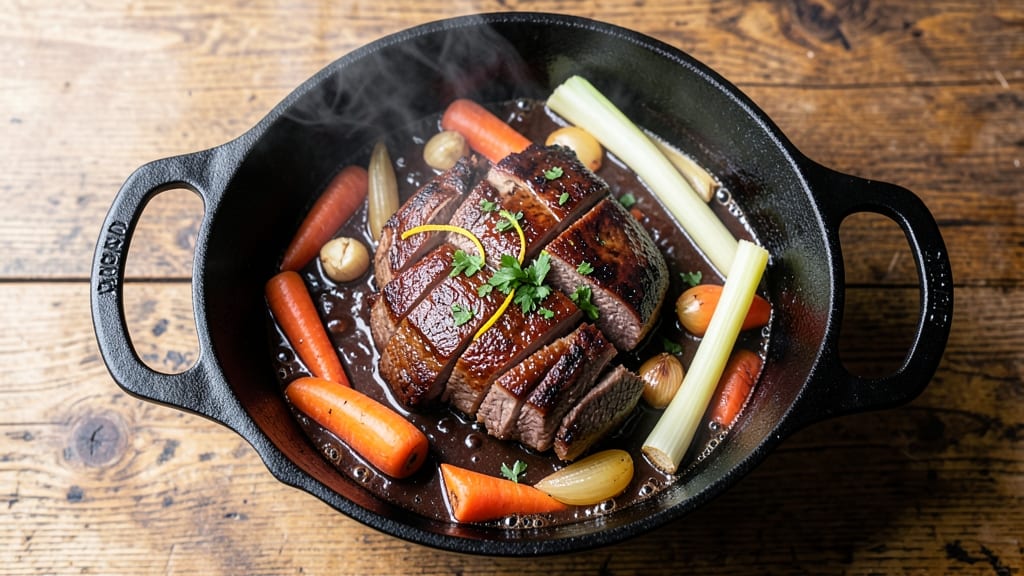
This beef and stout stew delivers restaurant-quality depth with every spoonful—slow-braised beef infused with malty stout and aromatic spices, creating a rich, umami-packed broth that tastes like a pub dinner.
The secret lies in properly browning the beef and deglazing with stout, which adds layers of caramelized flavor that no shortcut can replicate. What starts as tough cuts transforms into fork-tender meat swimming in a velvety sauce, perfect for chilly evenings when comfort is key.
The process begins with searing the beef to develop a deep, meaty crust, then simmering it low and slow until the connective tissue dissolves into the broth. Stout isn’t just an ingredient here—it’s the foundation, adding a subtle bitterness that balances the richness while enhancing the umami.
This isn’t your average beef stew; it’s a foolproof method that yields results even home cooks can master, with minimal effort but maximum reward.
By the time you serve it, you’ll have a steaming bowl of stew where every bite delivers melt-in-your-mouth beef, caramelized vegetables, and a sauce so flavorful it begs for seconds. The aroma alone—smoky, malty, and deeply savory—will have everyone gathering around the table.
Serve it with crusty bread to soak up every last drop, or pair it with roasted root vegetables for a complete meal.
Leftovers keep beautifully for up to five days, making this the ultimate make-ahead dinner. The flavors only deepen over time, so this recipe becomes even better the next day.
Whether you’re feeding a crowd or treating yourself to a cozy night in, this beef and stout stew is the kind of dish that turns ordinary weeknights into memorable meals.
Ingredients for beef and stout stew
Six ingredients make this stew unforgettable—tender beef, malty stout, and aromatic vegetables that transform into rich, velvety comfort.
| Ingredient | Amount | Notes |
|---|---|---|
| Chuck Roast 🥩 | 3 lb | Cut into 1.5-inch cubes |
| Dark Stout Beer 🍺 | 2 cups | Guinness or similar malty stout |
| Yellow Onions 🧅 | 2 whole | Chopped into 1-inch pieces |
| Carrots 🥕 | 4 whole | Cut into 1-inch chunks |
| Celery Stalks 🌿 | 4 whole | Chopped into 1-inch pieces |
| Garlic Cloves 🧄 | 6 cloves | Minced for depth |
| Tomato Paste 🍅 | ½ cup | For richness |
| Beef Broth 💧 | 2 cups | Low-sodium preferred |
| Worcestershire Sauce 🍶 | 1 tbsp | For umami kick |
| Dried Thyme 🌿 | 1 tsp | Or 1 tbsp fresh |
| Bay Leaves 🍃 | 2 whole | For aromatic depth |
| Black Peppercorns 🌶️ | 1 tsp | Freshly cracked |
| Olive Oil 🫒 | 2 tbsp | For searing |
| All-Purpose Flour 🌾 | 2 tbsp | For thickening |
| Fresh Parsley 🌿 | ¼ cup | Chopped for garnish |
The chuck roast is non-negotiable here—it's the only cut that delivers that melt-in-your-mouth texture. Costco sells it pre-cut for convenience, but if you're buying a whole roast, ask the butcher to cube it for you. Look for good marbling—those white fat streaks are what turn tough meat into tender bites. The stout is your secret weapon: Guinness or Black Label work perfectly, but any malty dark ale will do. If you can't find stout, porter with a splash of coffee mimics that deep, roasted flavor.
No stout on hand? Beef broth with 1 tbsp molasses gets you close, though you'll lose that subtle bitterness that balances the richness. Fresh thyme is ideal, but dried works at one-third the amount. The tomato paste can be the squeeze-tube kind from Trader Joe's—it's perfect for this recipe. For the vegetables, don't worry about peeling carrots unless you're feeling fancy. The skins add texture. And if you're short on time, pre-chopped mirepoix from the grocery store freezer section saves minutes. The Worcestershire sauce is where the magic happens—it's what gives this stew that pub-quality depth.
This stew tastes even better the next day, so make a big batch. Store leftovers in the fridge for up to 5 days, or freeze for 3 months. I always double the recipe because it disappears fast. The sauce thickens as it cools, so you can thin it with a splash of stout or broth when reheating. For serving, I like to sprinkle with fresh parsley right before eating—it brightens up the rich flavors. The crusty bread? Store-bought sourdough from the bakery section works perfectly for soaking up every last drop.
Why You'll Love This Recipe
- One-Pot Magic: Honestly, this stew is the kind of meal where you dump everything in one pot and walk away. The chuck roast practically melts into tender perfection while the beer and veggies simmer down—no fancy techniques, just hands-off flavor.
- Rich, Deep Umami Bomb: That dark stout beer isn’t just a liquid—it’s the secret weapon. The malty, slightly bitter notes cut through the richness of the beef, while the onions and celery build layers of savory depth. One bite and you’ll understand why people call this "comfort in a bowl."
- Weeknight to Weekend Workhorse: Between us, this stew is my go-to for lazy Mondays and Sunday dinners. Serve it over mashed potatoes for a hearty weeknight meal, or pair it with crusty bread and a salad for a cozy gathering. The same recipe, endless uses.
- Budget-Friendly Leftovers Gold: Chuck roast is cheap, and this recipe stretches it into multiple meals without tasting repetitive. I’ll be real: the second day is often better because the flavors meld even more. Plus, it reheats like a dream—no sad, dry meat here.
Step-by-step instructions for beef and stout stew
This rich, slow-cooked stew delivers deep umami flavors and melt-in-your-mouth beef every time.
Sear the Chuck Roast for Maximum Flavor
Heat a heavy Dutch oven over medium-high heat and add the 2 tablespoons olive oil. Once shimmering, add the 3 lb chuck roast in a single layer. Let it sear undisturbed for 4-5 minutes per side until deeply browned—this creates the flavor foundation. You'll see those beautiful caramelized crusts forming, which dissolve into the stew later.
As each piece browns, transfer it to a plate. Don't crowd the pan—this ensures proper searing. Once all pieces are browned, sprinkle them with 1 teaspoon black peppercorns and 1 teaspoon dried thyme, tossing to coat evenly. The spices will infuse during the long cook, adding depth to every bite.
Build the Aromatic Vegetable Base
In the same Dutch oven, add 2 tablespoons olive oil if needed. Toss in the 2 whole yellow onions, 4 whole carrots, and 4 whole celery stalks—all chopped to 1-inch pieces. Cook over medium heat for 8-10 minutes, stirring occasionally, until the vegetables soften and begin to brown slightly. This develops their natural sweetness.
Add the 6 cloves minced garlic and cook for 30 seconds until fragrant—don't let it burn. Stir in the 0.5 cup tomato paste and cook for another 2 minutes, stirring constantly. This paste will deepen the stew's richness and give it that beautiful mahogany color. The vegetables should be tender but not mushy at this stage.
Create the Flavor-Packed Liquid Base
Pour in the 2 cups dark stout beer, scraping up any browned bits from the bottom of the pot. Add the 2 cups beef broth and 1 tablespoon Worcestershire sauce, then bring the mixture to a gentle simmer. The beer should bubble softly—this is where the magic begins.
Add the seared beef back to the pot along with the 2 whole bay leaves. The bay leaves will infuse subtle aromatic notes that elevate the stew's complexity. Let the mixture simmer gently for 5 minutes, allowing the flavors to meld before we thicken the sauce.
Thicken and Simmer to Perfection
Sprinkle the 2 tablespoons all-purpose flour over the stew and stir vigorously for 1-2 minutes until completely dissolved. This creates a silky roux that will thicken the stew beautifully. The mixture should look smooth and slightly glossy.
Reduce heat to low and cover the pot. Let the stew simmer gently for 2.5-3 hours, stirring occasionally. You're looking for the beef to become fork-tender and the vegetables to be completely soft. The stew should reduce slightly, developing a rich, velvety consistency. If it gets too thick, add a splash of water or broth to reach your desired texture.
Finish and Garnish for Restaurant-Quality Results
Once the beef is fork-tender (it should pull apart easily), remove the 2 whole bay leaves. Taste and adjust seasoning if needed—you might want to add a pinch more salt or a splash more Worcestershire sauce for deeper umami. The stew should be rich but balanced, with the beer's maltiness complementing the beef's natural flavors.
Ladle the stew into bowls and garnish each serving with 0.25 cup chopped fresh parsley. The bright parsley cuts through the richness and adds a fresh finish. Serve immediately with crusty bread to soak up every last drop of that flavorful sauce. The longer it sits, the more the flavors meld together—this stew only gets better with time.
Pro Tips For Making Beef And Stout Stew
- Sear the Chuck Roast First: Don’t skip this step—it’s the flavor foundation. Pat the roast dry, then sear it in a hot Dutch oven with oil until deep brown on all sides (about 5 minutes per side). I learned this the hard way: skipping the sear means bland, gray beef instead of rich, caramelized depth that’ll cut through the beer’s bitterness.
- Cut the Onions Thinly: Slice those yellow onions paper-thin—no thick chunks. They’ll soften faster and blend into the stew instead of sitting as chewy bits. Use a sharp knife and work in batches if needed; I used to rush this and end up with onion lumps that ruined the texture.
- Deglaze with Cold Beer: After browning the meat and veggies, pour in the stout cold from the fridge. The temperature shock loosens stuck-on bits better than warm beer, and you’ll get a richer, darker fond. Sounds weird, but it works—my stew’s sauce is always deeper after this trick.
- Simmer Low and Slow: Cover the pot and simmer on low heat (or 300°F in the oven) for at least 3 hours—no rushing. Chuck roast needs time to break down, and high heat turns the beer into a sad, alcohol-heavy broth. I was skeptical until I tried it; the meat falls apart, and the flavors meld perfectly.
Make-ahead tips for leftovers
Prep Ahead Strategy
Start by prepping all ingredients the night before—chop onions, carrots, and celery into 1-inch pieces and store in an airtight container. Cube the chuck roast and refrigerate until ready to sear. This saves 30 minutes on cook day and keeps your prep organized.
I always use plastic wrap to flatten the chopped veggies, making them easier to scoop into the pot later. 💫
Slow Cooker Adaptation
For a hands-off approach, use a 6-quart slow cooker on low for 8 hours or high for 5 hours. Follow the same searing step in a skillet first, then transfer everything to the slow cooker.
The stout and broth will blend beautifully during the long cook, creating that signature rich texture. Just skip the flour thickening—stir in 1 tablespoon cornstarch mixed with water at the end if needed.
Freezing for Later
This stew freezes exceptionally well—cool completely, then transfer to quart-sized freezer bags, removing excess air. Label with the date and freeze for up to 3 months.
When ready to eat, thaw overnight in the fridge, then reheat on the stovetop with 2 tablespoons water or stout to restore moisture. The flavors actually improve after freezing, making it perfect for busy weeknights. ❄️
Make-Ahead Timing
For maximum flavor, prepare the stew 1 day ahead—the beef becomes even more tender and the sauce deepens. Store in an airtight container in the fridge and reheat gently on the stove.
I like to add a splash of stout when reheating to refresh the beer's aroma. The longer it sits, the more the spices meld together, creating that restaurant-quality depth.
Portion Control
Use 1.5-quart mason jars for individual servings—fill each jar with stew, leaving ½ inch headspace for expansion. Seal tightly and refrigerate for up to 5 days. These make perfect lunches—just grab and reheat.
For a heartier meal, double the recipe and freeze half for later. The stew's richness makes it ideal for meal prep, especially during cold weather. 🍲
Day-of Cooking Tips
On the day you cook, let the stew sit at room temperature for 30 minutes before reheating to ensure even warmth. If using a Dutch oven, preheat it on the stove for 2 minutes before adding the stew to maintain temperature.
For a quick finish, stir in 1 tablespoon butter at the end—it adds a luxurious sheen and balances the beer's bitterness. Always taste and adjust seasoning just before serving. 🔥
Nutrition facts
Frequently asked questions
Can I substitute stout beer with something else?
If you don't have stout, use porter with 1 tbsp molasses for depth, or dark ale with 1 tsp coffee granules for roasted notes. For non-alcoholic versions, replace with extra beef broth + 1 tbsp soy sauce—just reduce the broth by ½ cup since it's less flavorful. The key is replicating that malty bitterness that balances the richness.
How do I make this stew more tender?
The secret is low-and-slow cooking—never rush it! For extra tenderness, add 1 cup water or broth when simmering if the stew gets too thick, which helps break down collagen. Also, cut the beef into 1.5-inch cubes (not smaller) to ensure even cooking. The longer it simmers (3+ hours), the more the connective tissue dissolves into the sauce.
What's the best way to reheat leftovers?
Reheat gently on the stove over medium-low heat, stirring occasionally, until steaming hot (10-15 minutes). For extra richness, add 2 tbsp stout or beef broth to restore moisture. Never microwave—it makes the sauce watery. If the stew thickens too much, thin with a splash of liquid while reheating. The flavors actually deepen overnight, so leftovers taste even better!
Can I use a different cut of beef?
Chuck roast is ideal for its fat content and collagen, but you can use short ribs or brisket (add 30 extra minutes to cooking time). Avoid lean cuts like sirloin—they won't become tender. If using short ribs, remove them after 2 hours and shred, then return to the pot to soak up the sauce. The fat content is crucial for that melt-in-your-mouth texture.
Why does my stew taste bitter?
Bitter flavors usually come from overcooked beer or burnt tomato paste. Simmer the stew uncovered for the last 10 minutes to evaporate excess bitterness, or balance it with 1 tsp sugar or a splash of Worcestershire sauce. If the beer tastes harsh, use a lighter stout next time. Also, avoid high heat—keep it at a gentle bubble to prevent burning. Taste as you go!